

 Peržiūrėti realybėje
 Pasidalinti
 Dalintis
 Išsamiau

 Atsisiųsti
 Panašūs eksponatai
 Rentgeno nuotrauka
 Automatinė diorama
Cabrita
 80.0 x 65.0 cm
 Skaityti daugiau
Įsigykite aukštos skiriamosios raiškos, patobulintą skaitmeninį vaizdą, gerokai pranašesnį už internetinę peržiūrą.
Kiekvieną failą mūsų specialistai kruopščiai paruošia naudojant pažangias technologijas ir profesionalų rankinį retušavimą. Užtikriname, kad kiekvienas vaizdas pasižymėtų išskirtiniu aiškumu, tikslia spalvų atspalviu ir smulkiomis detalėmis.
Baigiamas failas el. paštu pristatomas per 72 valandas; jis optimizuotas nedelsiant naudojimui profesionalioje, redakcinėje ir spausdinimo aplinkoje. Tai ta pati kokybė, kuria pasitiki aukščiausios klasės dizaino studijos, leidyklos ir galerijos.
Skaitmeninis vaizdas
Atsisiųskite didelės raiškos failą asmeniniam naudojimui, spausdinimui ir kūrybiniams projektams. ( Pirkti spaudinį Pirkti rankomis tapytą paveikslą)
Kiekvieną skaitinio vaizdo užsakymą papildė
Profesionalus skaitmeninis pristatymas, garantuotas
Pasirinkę OriginalUniqueArt.com, jūs ne tik gaunate paveikslėlį – jūs gaunate profesionaliai patobudintą skaitmeninį kūrinį, sukurtą itin tikniai ir užtikrinantį pasitenkinimą. Štai viską, kas automatiškai pritékia jūsų užsakymui:

Greitas siuntimas el. paštu
Jūsų aukštos raiškos skaitmeninis vaizdo failas bus išsiųstas jums el. paštu per 72 valaudas nuo užsakymo – paruoštas naudojimui be jokių papildomų veiksmų.

Skaitmeninis failas su dirbtiniu intelektu
Jūsų meno kūrinys profesionaliai optimizuojamas naudojant pažangius dirbtinio intelekto įrankius ir rankinį redagavimą, užtikrinant maksimalią detalę, aiškumą ir spalvų tikslumą.

Nemokamas visam laikui pakartotinis siuntimas
Atsitiktinai ištrytikote ar praradote savo failą? Nebijokite – bet kuriuo metu atsiųsime jį jums vėl nemokamai.

Jokio importo mokesčio – niekada
Mėgaukitės savo meno kūriniu akimirka – skaitiniai failai visada yra neapmokestinami, todėl nereikės mokėti muitinės, mokesčių ar pristatymo mokesčių.

Spalvų tikslumo garantija
Naudodami profesionalią įrangą ir spalvų valdymo sistemas, užtikriname, kad jūsų skaitmeninis vaizdas kuo tiksliau atspindėtų originalias spalvas.

60 dienų pasitenkinimo garantija
Jei nebuvate patenkinti savo skaitinio vaizdo, per 60 dienų jį pertaisysime arba grąkinsime 100% sumą – be jokių klausimų.

100% pinigų grąžinimo garantija
Nepat 만족inti? Gaukite visą sumokėtą sumą per 60 dienų nuo skaitmeninio failo gavimo – be jokių papildomų klausimų.

Nuolaidos dideliems užsakymams
Pirkti 3 nuotraukas – pasiūla 10% - Pirkti 5 – pasiūla 15% - Pirkti 10 ir daugiau – pasiūla 20%. Puikiai tinka kūrybiniams projektams, galerijoms bei agentūroms.
Autoriaus biografija
The Soul of Oaxaca: The Life and Vision of Rodolfo Nieto
Born amidst the vibrant, sun-drenched landscapes of Oaxaca, Mexico, in 1936, Rodolfo Nieto emerged as a profound voice within the Oaxacan School, weaving together the raw energy of his indigenous roots with the sophisticated nuances of European modernism. His early life was marked by both sudden hardship and extraordinary promise. Following the mysterious disappearance of his father, a medical epidemiologist, in 1949, Nieto’s family faced profound destitution, forcing a move to Mexico City. It was during this period of transition that a chance encounter with the dancer and professor Santos Balmori revealed the young artist's latent genius; a simple sketch of a cat served as the catalyst for a lifelong devotion to the brush and the chisel.
Nieto’s formal artistic journey began in earnest at the prestigious Escuela Nacional de Pintura, Escultura y Grabado "La Esmeralda". Under the tutelage of masters like Carlos Orozco Romero, he began to navigate the complex intersections of Mexican identity and international avant-garde movements. His early years were deeply intertwined with the giants of Mexican muralism; having apprenticed under Diego Rivera, Nieto absorbed the monumental scale and social consciousness of the era, yet he possessed an innate desire to transcend the purely didactic nature of much of the period's art. This thirst for expansion eventually led him to Paris in the early 1960s, a move that would fundamentally reshape his aesthetic language.
A Synthesis of Worlds: From Paris to the Alebrijes
In the bohemian heart of Paris, Nieto found himself immersed in a rich tapestry of intellectual and artistic exchange. He moved within circles that included literary luminaries like Julio Cortázar and fellow painters such as Severo Toledo and José Biasi. It was during this European sojourn that his work underwent a transformative metamorphosis. Working at Atelier 17 under Stanley William Hayter, he discovered the intricate possibilities of printmaking, while the haunting, emotive works of Edvard Munch ignited a deep fascination with wood engraving. This period allowed him to view his native heritage through a detached, analytical lens, stripping away the purely folkloric to find the universal spirit beneath.
The most striking achievement of Nieto’s mature style was his ability to reimagine the alebrijes—the brightly painted, hand-carved wooden creatures of Oaxacan tradition. Rather than merely replicating folk art, he synthesized these fantastical beasts with a surrealist sensibility, creating what many call his "bestiarios." His canvases became dreamscapes populated by hybrid creatures that felt both ancient and modern, blending the tactile textures of Mexican craftsmanship with the psychological depth of European Surrealism and Art Brut. This fusion created a unique visual vocabulary that spoke to the subconscious, bridging the gap between the earthly traditions of his homeland and the abstract explorations of the global art scene.
Legacy of a Tragic Master
Despite his immense talent and the significant connections he maintained across continents, Rodolfo Nieto’s life was cut tragically short in 1985. His death marked the loss of an artist who had successfully navigated the delicate balance between the local and the universal. He did not merely paint scenes; he constructed worlds where the boundaries between animal, human, and myth were perpetually blurred.
The historical significance of Nieto lies in his role as a bridge-builder. His work remains a testament to several key artistic pillars:
- Cultural Synthesis: The seamless integration of Oaxacan folk motifs with European modernism.
- Technical Versatility: Mastery across various media, including painting, lithography, and wood engraving.
- Symbolic Depth: The use of the bestiario to explore themes of identity, metamorphosis, and the subconscious.
- Artistic Lineage: Carrying forward the legacy of the Mexican School while pushing it toward a more personal, surrealist frontier.
Today, Rodolfo Nieto is remembered not just as an assistant to Rivera or a student of the Oaxacan tradition, but as a visionary who transformed the colorful legends of his childhood into a sophisticated, haunting, and eternally captivating body of work.
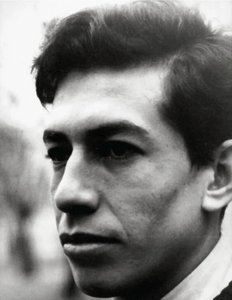
rodolfo nieto
1936 - 1985 , Mexico
Trumpai apie šį kūrėją
- Artistic Movement Or Style: Oaxacan School, Surrealism
- Artists Who Influenced This Artist:
- Diego Rivera
- Edvard Munch
- Carlos Orozco Romero
- Date Of Birth: July 13, 1936
- Date Of Death: 1985
- Full Name: Rodolfo Nieto Labastida
- Nationality: Mexican
- Place Of Birth: Oaxaca, Mexico

