
 Peržiūrėti realybėje
 Pasidalinti
 Dalintis
 Išsamiau

 Atsisiųsti
 Panašūs eksponatai
 Rentgeno nuotrauka
 Automatinė diorama
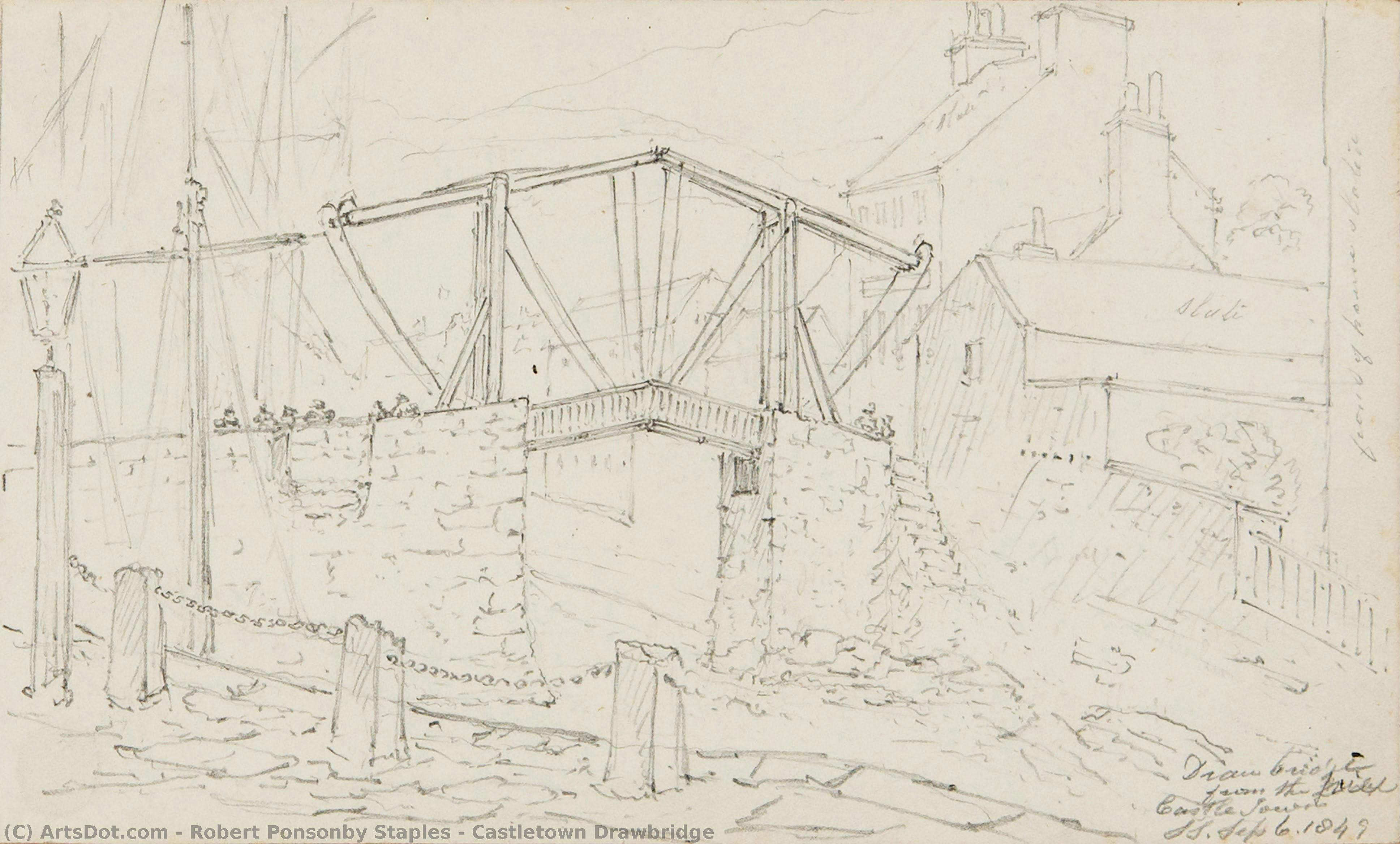
Castletown Drawbridge
 1800
1800 8.0 x 14.0 cm
 Manx National Heritage
 Skaityti daugiau
Rankų darbo aliejinės reprodukcijos
Rankiniu būdu tapytas aliejus ant droblio jūsų pageidaujamame dydį ir rėmuose – mūsų menininkų darbas pagal užsakymą. ( Perejti prie spausdinimo Perjungti į vaizdą)




































Pasirinkite iš mūsų nustatytų dydžių, atitinkančių originalaus meno kūrinio proporcijas.

Galite įvesti savo matmenis, kad jie atitiktų konkretų rėmą ar erdvę. Jei pasirinktas dydis neatitinka originalaus paveikslėlio proporcijų, mes arba apkropsime meno kūrinį, arba papildysime tapybą rankomis dažytい elementais. Prieš pradėdami gamybą, jūsų patvirtinimui atsiųsime skaitmeninį maketą.
Atkreipkite dėmesį, kad ekrane rodomas vaizdas neatspindi tikrojo apkarpymo ar papildymo. Tik maketas tiksliai parodys galutinę kompoziciją.
Nors galima rinktis ir individualius dydžius, rekomenduojame pasirinkti matmenis iš nustatytos sąrašo, kad būtų išlaikytos originalios proporcijos.
Gavus užsakymą, OriginalUniqueArt.com komanda susisieks su klientu el. paštu dėl instrukcijų ir pateiks maketo pavyzdį.
Pristatymas visame pasaulyje () per 3–4 savaites, o ne įprastai – per 5 savaites. (9 rugpjūtis). Kokybė lieka nepakeičiama.

Nemokamas greitasis pristatymas visame pasaulyje

Aukštos kokybės lininis drobė

Pilnas siuntimo draudimas

Muitinės mokesčių grąžinimo garantija

Tikro spalvų atitikimo garantija

60 dienų grąžinimo politika (tik esant gamyklinėms defektams)

100% pinigų grąžinimo garantija

Nuolaida už kelias reprodukcijas
 Stiklo variantas prieinamas tik pasirinkus dydį iki 110 cm

Castletown Drawbridge
Reprodukcijos technika
Reprodukcijos matmenys
-


Galutinė kaina
$ 300
Autoriaus biografija
The Barefoot Baronet: The Eccentric Vision of Robert Ponsonby Staples
In the grand tapestry of British and Irish art, few figures possess a thread as colorful or as unconventional as Robert Ponsonby Staples. Known to many as the "barefoot baronet," Staples was a man whose very existence seemed to defy the rigid social structures of the Edwardian era. Born in Dundee, Scotland, in 1853, he carried with him a spirit of profound eccentricity that would later define his artistic persona. His most famous quirk—the refusal to wear shoes due to a conviction that leather soles blocked the vital electrical currents of the earth—was not merely a personal oddity but a reflection of a life lived in constant, tactile connection with the world around him. This sensory intimacy with nature likely informed the meticulous textures and atmospheric depths found within his most celebrated works.
Staples’ journey toward artistic mastery began far from the rolling hills of Ireland. His early education was marked by a rigorous pursuit of architectural precision, studying at the Catholic University of Leonardo in Belgium. This foundational training in structure and spatial relationships provided him with a unique advantage; while his heart sought the ephemeral beauty of light and landscape, his hand possessed the disciplined ability to render the permanence of stone and the complexity of historical architecture. Following his studies, his travels through Dresden, Paris, and London allowed him to absorb the diverse artistic currents of Europe, eventually leading him to settle in Ireland in 1879 at Lissan House, near Cookstown, County Tyrone.
A Tapestry of Landscape and Life
It was within the verdant landscapes of Ireland and the rugged coasts of the Isle of Man that Staples truly found his voice. His paintings were far more than mere topographical records; they were emotional evocations of a vanishing era. He possessed an uncanny ability to capture the spirit of place, whether through the shimmering, heavy textures of a peat bog or the formidable, weathered granite of Ramsey Head. In works such as "From Our Sitting Room," one can sense his dedication to a realism that does not sacrifice intuition, allowing the viewer to feel the dampness of the Irish air and the shifting light of a maritime afternoon.
Beyond the quietude of nature, Staples was also a chronicler of human industry and historical grandeur. His repertoire extended into the monumental and the social, capturing the rhythmic labor of rural life and the patriotic fervor of his time. Notable achievements include:
- The Flax Pullers (1908): A masterpiece currently held in the Ulster Museum, this oil on canvas serves as a poignant tribute to Irish rural life, blending a serene atmosphere with the gritty reality of agricultural toil.
- The Last Shot for the Queen’s Prize, Wimbledon (1887): An expansive work demonstrating his skill in historical realism and his ability to capture large-scale military drama and national pride.
- Topographical Studies: His detailed pen and ink drawings, such as those of Castle Rushen, showcase an architect's eye for the intricate medieval details of the Isle of Man.
Legacy of a Singular Perspective
The historical significance of Robert Ponsonby Staples lies in his ability to bridge the gap between the disciplined precision of the architectural tradition and the emotive freedom of late 19th-century landscape painting. He moved seamlessly between the high society of Edwardian London—frequenting the famous Café Royal alongside luminaries like Sir William Orpen—and the humble, mud-streaked fields of Ulster. This duality allowed him to document both the grandeur of the British Empire and the intimate, hardworking soul of the Irish countryside.
Though his life ended in 1943, leaving behind a legacy as much defined by his character as by his canvas, Staples remains a vital figure for those studying the intersection of eccentricity and artistry. He reminds us that true observation requires more than just sight; it requires a willingness to strip away the layers of societal convention—sometimes quite literally—to touch the very essence of the subject being painted. His work stands as a testament to a man who saw the world not through the barrier of leather, but through a direct, unmediated connection to the earth and its many stories.

robert ponsonby staples
1853 - 1943
Trumpa informacija
- Artistic Movement Or Style: Victorian Painting
- Artists Or Movements Influenced By This Artist: ['Edwardian Art']
- Artists Who Influenced This Artist: ['']
- Date Of Birth: 1853
- Date Of Death: 1943
- Full Name: Robert Ponsonby Staples
- Nationality: British
- Notable Artworks:
- From Our Sitting Room - Castle Rushen Isle of Man
- Flax Pullers
- The Last Shot for the Queen's Prize, Wimbledon
- Place Of Birth: Dundee

