Post-Impressionism · 1924
Mount Stephen, Devon (Robertas Polhilas Bevanas, 1924)
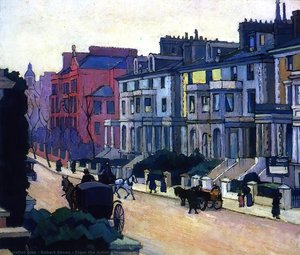
Robertas Polhilas Bevanas (1865–1925) sukūrė Mount Stephen, Devon. Šis kūrinys datuojamas 1924 m. Šis kūrinys priklauso Post-Impressionism kieruliui. Pagaminta naudojant Oil On Canvas. Matmenys – 56 × 76 cm.
- 1924
- Oil On Canvas
- 56 × 76 cm

 Peržiūrėti

 Rankinio darbo aliejinės imitacijos paveikslas
 Pasidalinti
 Dalintis
 Informacinė lLapelė


 Atsisiųsti
 Panašūs eksponatai
 Rentgeno spindulių nuotrauka
 Automatinė diorama
 Klausimai ir atsakymai

 Statistika
Mount Stephen, Devon, trumpai
- Pavadinimas
- Mount Stephen, Devon
- Autorius
- Robertas Polhilas Bevanas (1865–1925)
- Autorius gimęs
- Hovas, Jungtinė Karalystė
- Data
- 1924
- Technika
- Oil On Canvas
- Dalių matmenys
- 56 × 76 cm
- Judėjimas
- Post-Impressionism
- Laikotarpis
- Modern
- Tema
- devon village, rural england, coastal scene, british art, village life, impressionism
Ką vaizduoja Mount Stephen, Devon?
Identification of Mount Stephen, Devon
Mount Stephen, Devon is an oil on canvas painting by the artist Robert Bevan. This work was created in 1924. The piece measures 56 x 76 cm. It depicts a scene in Devon, England, featuring a red brick building in the foreground and two figures standing outside the structure.
The subject matter focuses on a small village setting. The composition includes residential architecture, specifically houses with thatched roofs, chimneys, and windows. Two people are positioned on the sidewalk, engaged in conversation. The perspective is slightly elevated, looking down a sloping street toward the sea. The sky is covered by clouds, which creates diffused lighting across the scene. This lighting casts soft shadows and highlights the various colors present in the village architecture and the surrounding landscape.
The Composition and Visual Elements
The composition presents a balanced arrangement of clustered buildings situated under a cloudy sky. The perspective is slightly elevated, looking down a sloping street that leads toward the sea. In the foreground, a red brick building anchors the scene. Two people stand outside this structure, positioned on the sidewalk near the architecture. The subject matter focuses on residential architecture, including houses characterized by thatched roofs, chimneys, and windows.
The arrangement of the village in Devon, England, relies on a series of rectangular shapes and organic lines. The rooflines of the houses create a structured pattern against the sky. Lines define the edges of the buildings, while the sloping street provides a sense of depth through atmospheric perspective. Distant elements appear paler and less distinct, establishing a clear recession into the background. The lighting is diffused by the overcast sky, casting soft shadows across the surfaces of the buildings and the street.
Technique and Artistic Style
The style of this work is reminiscent of the Post-Impressionist movement. It utilizes bold colors and geometric shapes to define the architecture and the landscape. The composition relies on rectangular forms for the buildings and organic shapes for the roofs. Visible brushstrokes are used throughout the piece, creating a sense of texture. On the walls and roofs, the paint appears thick and impasto-like, suggesting a deliberate layering of the medium.
The lighting in the scene is diffused, a result of the overcast sky. This soft light avoids harsh shadows and instead highlights the various colors across the village. Depth is achieved through the use of atmospheric perspective, where distant elements appear paler and less distinct than those in the foreground. This technique establishes a sense of space between the red brick building in the front and the elements further back in the composition.
Related Works by Robert Bevan
The artist's engagement with the Devon landscape is evident in other compositions from different periods. Landscape in the Blackdown Hills, Devon was painted in 1917. This work focuses on the rolling topography and the relationship between the land and the sky. Other depictions of the region include Devonshire Valley, No. 2, which was painted in 1913. This piece features a sweeping vista of a verdant valley where a small stone cottage with a pink-hued roof sits among dark trees.
Earlier works also demonstrate the artist's interest in atmospheric conditions and specific technical approaches. Haze over the Valley was created in 1913. In different studies, the artist utilized a divisionist technique, as seen in The Turn-Rice Plough. These varied approaches to color and form reflect a career spent exploring the structural elements of the English countryside and the application of light across different terrains.
Mount Stephen, Devon dididraudžios kokybės vaizdai

Viešoji domenė: suregalis mirė 1925 m.
Kiti dydžiai, iškarai ir citavimo informacija →Robertas Polhilas Bevanas, Mount Stephen, Devon (1924).
Robertas Polhilas Bevanas (1865–1925), Mount Stephen, Devon, 1924, oil on canvas. Viešoji domenė Vaizdas: OriginalUniqueArt.com.
Atsakimai į klausimus apie Mount Stephen, Devon
Kokia yra „Mount Stephen, Devon“ – Robertas Polhilas Bevanas kūrybos data?
„Mount Stephen, Devon“ – Robertas Polhilas Bevanas kūrybos metai – 1924.
Kokia technika buvo panaudota kūriniam darbui „Mount Stephen, Devon“ – Robertas Polhilas Bevanas?
„Mount Stephen, Devon“ – Robertas Polhilas Bevanas technika – Oil On Canvas. Kopijos siekia atkartoti šios technikos vaizdą.
Kokie yra „Mount Stephen, Devon“ – Robertas Polhilas Bevanas realūs matmenys?
Originalaus kūrinio „Mount Stephen, Devon“ – Robertas Polhilas Bevanas matmenys yra 56 x 76 cm.
Kokios temos atsispindi kūrynioje „Mount Stephen, Devon“ – Robertas Polhilas Bevanas?
„Mount Stephen, Devon“ – Robertas Polhilas Bevanas temos apima devon village, rural england, coastal scene, british art, village life, impressionism, colorful painting. Kartu jie apibendrina šio kūrinio tematiką.
Ar „Mount Stephen, Devon“ – Robertas Polhilas Bevanas vaizdą galima laisvai reprodukcijaoti?
„Mount Stephen, Devon“ – Robertas Polhilas Bevanas yra yra viešosios erdvės dalis – jo autorinė teisė pasibaigusi. Šis statusas nustato, kaip galima reprodukcijaus šio kūrinio vaizdą.
Kas sukūrė „Mount Stephen, Devon“?
Kūrinį „Mount Stephen, Devon“ sukūrė Robertas Polhilas Bevanas. Darbas katalogizuojamas Robertas Polhilas Bevanas vardu.
Kokio meno kryžmės dalis yra „Mount Stephen, Devon“ – Robertas Polhilas Bevanas?
„Mount Stephen, Devon“ yra Post-Impressionism stiliaus kūrinys. Šis dailos kryptis nurodo meninę tradiciją, kurios šis darbas yra dalis.
Kokio Robertas Polhilas Bevanas kūrybos etapo dalis yra „Mount Stephen, Devon“?
„Mount Stephen, Devon“ priklauso Robertas Polhilas Bevanas kūrybos karjeros Mature Period etapui. Ši klasifikacija atspindi kūrinio ryšį su menininko evoliucija.
Kiek metų buvo Robertas Polhilas Bevanas, kai sukūrė „Mount Stephen, Devon“ 1924 m.?
Robertas Polhilas Bevanas buvo 59 metų, kai 1924 m. sukūrė kūrinį „Mount Stephen, Devon“. Amžius apskaičiuotas remiantis gimimo metais 1865.
Apie menininką Robertas Polhilas Bevanas

1865–1925, Jungtinė Karalystė
Robertas Polhilas Bevanas
Britų modernizmo pionierius: Robert Polhill Bevan gyvenimas ir kūryba Robertas Polhill Bevanas, gimęs Hove 1865 metais, užima lūžio, tačiau dažnai nedetalizuojamą vietą XX amžiaus pradžios britų meno naratyve. Kilęs iš kvakerių šeimos, glaudžiai susijusios su bankininkystės ryšiais – jo tėvai buvo Richardas Alexanderis Bevanas ir Laura Maria Polė – jis atsisakė įprastų lūkesčių ir tapo drąsiu inovatoriumi, esiniu figūra pereinant nuo impresionizmo link radicalesnio spalvos ir formos tyrimo. Jo kelionė buvo nuolatinio eksperimentavimo procesas: jis sugeriava įtakas iš visos Europos, kartu kūrybinė, itin asmeniška vizija, kuri pasekmingai paveikė moderniojo britų meno vystymąsi. Bevano ankstyvoji mokslė skulptūros ir dailės mokykloje „Westminster“, studijuojant Fredui Brownui, suteikė tvirtą pagrindą, tačiau tik vėlesnės studijos Paryz eyes „Académie Julian“ tikrai įžvėgė jo kūrybinę ugnį.
Apie Robertas Polhilas Bevanas Žinomiausi Robertas Polhilas Bevanas darbai
Taip pat Robertas Polhilas Bevanas darbai
 From the Artist's Window1915
 Horse Dealers (Sale at Ward's Repository No.1)1918
 Devonshire Valley, No. 21913
 Landscape in the Blackdown Hills, Devon1917

Esdai apie Mount Stephen, Devon
 10 Stunning Paintings of Rolling Hills and Earthy LandscapesGeorgia O'Keeffe used the sweeping curves of New Mexico to map the soul. Was the desert landscape actually a hidden self-portrait?
 25 Essential Works by Pierre Puvis de Chavannes: A Visual GuidePierre Puvis de Chavannes used muted palettes in 25 works between 1856 and 1888, including The Poor Fisherman and The Beheading of Saint Jo…
 Masterpieces of Light: The Top 25 Bernardo Bellotto ArtworksBernardo Bellotto moved beyond the bright palettes of his uncle Canaletto to embrace a restrained, atmospheric realism. Compare twenty-five…