
 Peržiūrėti realybėje
 Pasidalinti
 Dalintis
 Išsamiau

 Atsisiųsti
 Panašūs eksponatai
 Rentgeno nuotrauka
 Automatinė diorama
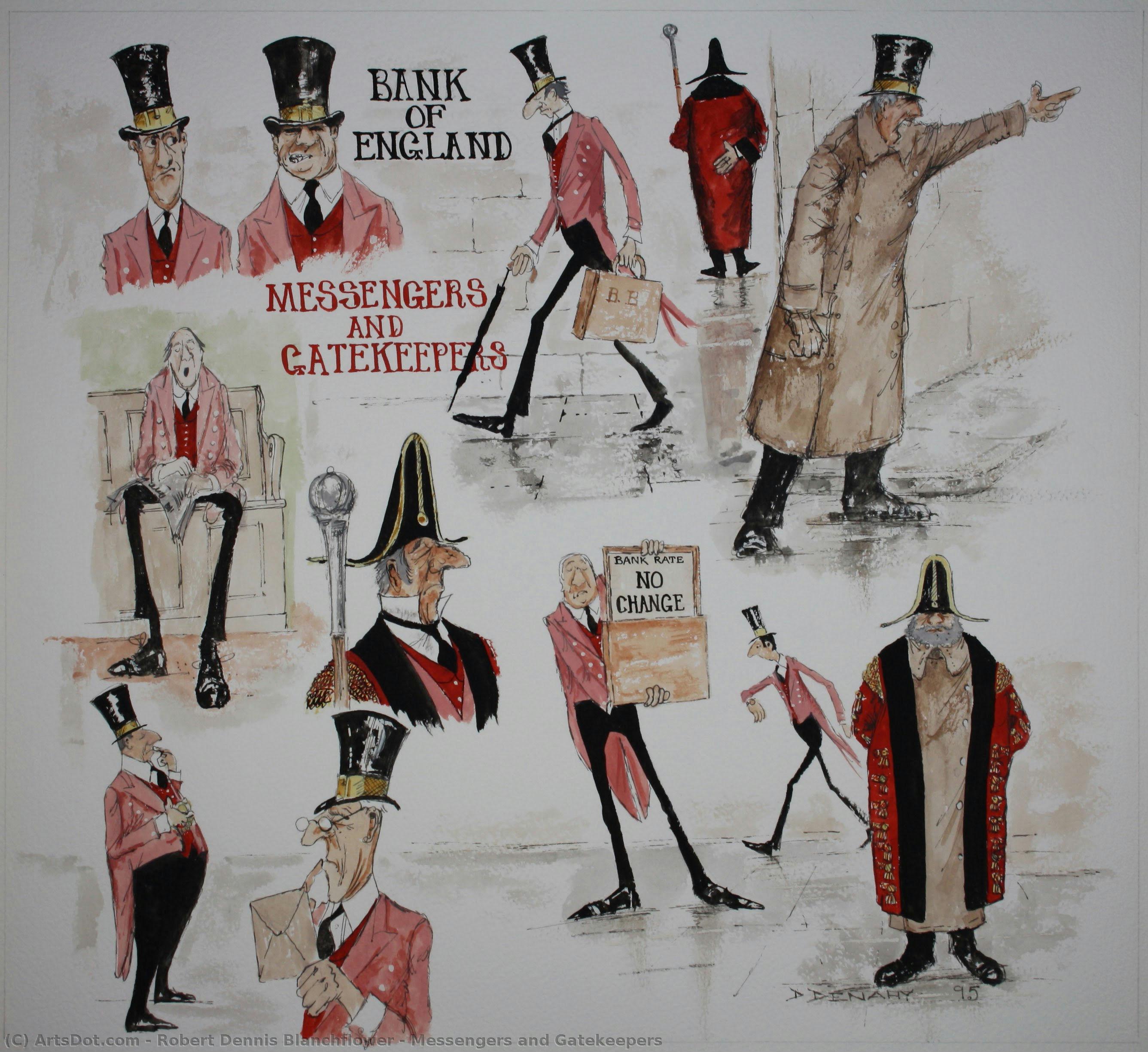
Messengers and Gatekeepers
 1995
1995 41.0 x 38.0 cm
 Bank of England Museum
 Skaityti daugiau
Giclée / Meno spausdinimas
Muziejų lygio „giclée“ arba drobos spausdinimas: greita gamyba ir lankstios apdailos parinktys. ( Pirkti rankomis tapytą paveikslą Pirkti vaizdą)




































Pasirinkite iš mūsų nustatytų dydžių, atitinkančių originalaus meno kūrinio proporcijas.

Galite nurodyti savo matmenis, kad vaizdas atitiktų konkretų rėmą ar erdvę. Jei pasirinktas dydis nesutaps su originalaus paveikslėlio proporcijomis, mes arba apkirpsime kūrinį, arba išplėsime vaizdą naudojant veideliu atspindėtą arba vientisą šoną. Skaitmeninis maketas bus išsiųstas jums patvirtinti prieš pradedant gamybą.
Atkreipkite dėmesį, kad ekrane matomas vaizdinys neatspindi tikrojo apkirpimo ar išplėtimo. Tik maketas tiksliai parodytų galutinę kompoziciją.
Nors galima rinktis ir individualius dydžius, rekomenduojame pasirinkti vieną iš išanksti nustatytų matmenų, kad būtų išlaikytos originalios proporcijos.
Pristatymas visame pasaulyje () per 2 weeks, o ne įprastas 4/5 savaičių laikotarpis. (19 rugpjūtis)

Nemokamas greitasis pristatymas visame pasaulyje

Aukštos kokybės lininis drobė

Pilnas siuntimo draudimas

Muitinės mokesčių grąžinimo garantija

Tikro spalvų atitikimo garantija

60 dienų grąžinimo politika (tik esant gamyklinėms defektams)

100% pinigų grąžinimo garantija

Nuolaida už kelias reprodukcijas
 Stiklo variantas prieinamas tik pasirinkus dydį iki 110 cm

Messengers and Gatekeepers
Giclée / Meno spausdinimas
Reprodukcijos matmenys
-


Galutinė kaina
$ 80
Autoriaus biografija
Robert Dennis Blanchflower: A Legacy Forged in Fire and Flourish
Robert Dennis Blanchflower (10 February 1926 – 9 December 1993) stands as a monumental figure in Northern Irish football history, remembered not merely for his prowess on the pitch but also for embodying an uncompromising spirit of defiance against oppression. Born in Belfast’s Bloomfield district—a crucible of sectarian tensions—Blanchflower's early life instilled within him a profound understanding of social injustice and fueled a lifelong dedication to challenging established norms. His formative years were marked by attending Ravenscroft public elementary school, where he secured a scholarship that propelled him towards higher education at Belfast College of Technology, shaping his intellectual curiosity and grounding him in practical skills. Leaving Belfast prematurely, Blanchflower embarked on an apprenticeship as an electrician at Gallaher’s cigarette factory—a modest beginning for a man destined to achieve unparalleled fame within the sporting world. Simultaneously, he enlisted in the RAF during World War II, demonstrating courage and patriotism while simultaneously pursuing his academic ambitions. His time at St Andrews University provided invaluable exposure to golf, cultivating a passion that would endure throughout his life and reflecting a quiet appreciation for tradition alongside athletic ambition. Blanchflower’s football journey commenced with Glentoran in 1946, establishing him as a cornerstone of Northern Irish football culture. He swiftly transitioned to Aston Villa for £15,000 in 1954, cementing his reputation as a commanding midfielder and earning the admiration of fans and fellow players alike. His tenure at Villa yielded 155 appearances—a testament to his consistency and tactical brilliance—before he moved on to Tottenham Hotspur for £30,000 in 1954-55. It was during his decade with Spurs that Blanchflower truly ascended to legendary status, culminating in the unforgettable 1960–61 season when Tottenham secured their first League and Cup double – a feat unmatched since Aston Villa’s triumph in 1897. His leadership qualities shone through as captain of Tottenham, guiding them to victory against Atlético Madrid in the European Cup Winners' Cup final—a moment etched forever in football lore. Blanchflower’s unwavering conviction that “the great fallacy is that the game is first and last about winning” underscored his belief in a broader ethos of excellence and artistry—a perspective that resonated deeply with observers and fellow footballers alike. He was voted FWA Footballer of the Year twice, recognizing his exceptional skill and influence on the field. Blanchflower’s legacy extends beyond statistics; he championed a defiant stance against injustice, embodying the spirit of resistance within Northern Irish society. His playing career concluded in 1964 at the age of 38, marking the end of an era for Tottenham Hotspur and cementing his place as one of the greatest players in Spurs history. Blanchflower’s brief foray into Toronto City showcased his adaptability and continued commitment to competitive football—a testament to his enduring passion for sport. He served as a respected journalist and commentator, sharing his insights with audiences across Ireland and beyond. Blanchflower's final years were marked by a quiet devotion to family and community, reflecting a grounded humility amidst extraordinary achievement.- Notable Achievements: League Champion (1960-61), FA Cup Winner (1962), European Cup Winners’ Cup Winner (1963)
- Playing Style: Defensive Midfielder – Known for tactical brilliance, leadership qualities and uncompromising determination.
- Influences: Early exposure to St Andrews University fostered a love of golf and instilled values of discipline and perseverance.

robert dennis blanchflower
1926 - 1993 , Republic of Ireland
Trumpa informacija
- Artistic Movement Or Style: Contemporary Art
- Artists Or Movements Influenced By This Artist: ['Painters Eleven']
- Artists Who Influenced This Artist:
- Stanley Matthews
- Johnny Haynes
- Date Of Birth: February 10, 1926
- Date Of Death: December 9, 1993
- Full Name: Robert Dennis Blanchflower
- Nationality: Irish
- Notable Artworks:
- Gatekeepers Series
- Bank of England Christmas
- Place Of Birth: Belfast, Northern Ireland

