Peržiūrėti realaus dydžio版
 Siųsti
 Dalintis
 Išsamiau
 Vadovas

 Atsisiųsti
 Panašūs eksponatai
 Rentgeno spindulių nuotrauka
 Diaporama
 Statistika
Golconda
 Oil On Canvas
- WallArt
- Surrealism
 1953
1953- Modern
 100.0 x 81.0 cm
 Rodyti daugiau
Šiame puslapyje rodomas meno kūrinys yra saugomas autorių teisių įstatymais, todėl neturime teisės legaliai kurti ar parduoti jo identiškos reprodukcijos. Ši apsauga užtikrinama remiantis tokiais tarptautiniais susitarimais kaip Bernės konvencija ir pagal nacionalines įstatymų nuostatas, įskaitant tas, kurias nurodo JAV autoriškos teisės įstatymas – 17-asis skyrius.
Šis metodas visiškai atitinka autorių teises, nes jame nėra kūrinio kopijavimo ar dubliavimo. Tai yra kūrybinė reinterpretacija – naujas paveikslas, kurį įkvėpė originalas, tačiau kuris nėra jo identiškas.
Giclée / Meno spausdinimas
Muziejų lygio „giclée“ arba drobos spausdinimas: greita gamyba ir lankstios apdailos parinktys. ( Pirkti rankomis tapytą reprodukciją Perejti prie skaitmeninių vaizdų)




P118B €10

P118H €10

P118W €10

P438Z €10

P508JH €12

P508YH €12

P805H €10

P805Z €10

P919BZ €10

P919G €10

P919XJ €10

P959ZH €10

P968JZ €12

W106C €8

W218G €10

W218JH €8

W218Y €10

W307PJ €10

W316G €10

W316PJ €8

W316Y €10

W398PJ €8

W4111J €10

W500HY €15

W500JH €15

W692G €12

W849H €8

W940BG €15

W953PJ €8




Pasirinkite iš mūsų nustatytų dydžių, atitinkančių originalaus meno kūrinio proporcijas.

Galite nurodyti savo matmenis, kad vaizdas atitiktų konkretų rėmą ar erdvę. Jei pasirinktas dydis nesutaps su originalaus paveikslėlio proporcijomis, mes arba apkirpsime kūrinį, arba išplėsime vaizdą naudojant veideliu atspindėtą arba vientisą šoną. Skaitmeninis maketas bus išsiųstas jums patvirtinti prieš pradedant gamybą.
Atkreipkite dėmesį, kad ekrane matomas vaizdinys neatspindi tikrojo apkirpimo ar išplėtimo. Tik maketas tiksliai parodytų galutinę kompoziciją.
Nors galima rinktis ir individualius dydžius, rekomenduojame pasirinkti vieną iš išanksti nustatytų matmenų, kad būtų išlaikytos originalios proporcijos.
Pristatymas visame pasaulyje () per 2 weeks, o ne įprastas 4/5 savaičių laikotarpis. (10 spalis)

Nemokamas greitasis pristatymas visame pasaulyje

Aukštos kokybės lininis drobė

Pilnas siuntimo draudimas

Muitinės mokesčių grąžinimo garantija

Tikro spalvų atitikimo garantija

100 dienų grąžinimo politika (tik esant įtaigoms)

100% pinigų grąžinimo garantija

Nuolaida dideliems užsakymams
 Stiklo variantas prieinamas tik pasirinkus dydį iki 110 cm

Golconda
Giclée / Meno spausdinimas
Reprodukcijos dydis
-


Visų pasirinktų variantų kaina
€ 69
A Sky of Floating Men: The Enigma of Golconda
In the vast landscape of Surrealism, few images possess the haunting, quiet power of René Magritte’s Golconda. Painted in 1953, this masterpiece invites the viewer into a world where the laws of physics are politely suspended, replaced by a dreamlike logic that feels both deeply familiar and profoundly unsettling. The scene presents an urban tableau: a rain-drizzled street set against the backdrop of a stoic building, upon which a multitude of men in bowler hats appear to drift through the air like autumn leaves caught in a gentle updraft. Each figure carries an umbrella, a mundane object of protection that becomes a vessel for flight within this meticulously rendered illusion. It is a painting that does not merely depict a scene; it orchestrates a moment of profound ontological questioning, forcing us to look past the surface of the everyday to find the extraordinary hidden within.
The brilliance of Magritte’s technique lies in his deceptive simplicity. Eschewing the chaotic brushwork often associated with emotional expressionism, Magritte employs a precise, almost academic clarity. This meticulous rendering of texture—the dampness of the pavement, the structural solidity of the architecture, and the soft sheen of the umbrellas—serves to ground the impossible event in a tangible reality. By painting the surreal with such hyper-realistic fidelity, he bridges the gap between the subconscious and the waking world. The repetition of the figures creates a rhythmic, almost hypnotic pattern across the canvas, suggesting an infinite procession of souls navigating a shared, yet solitary, experience. This visual cadence is central to the work's ability to captivate the eye and hold the viewer in a state of contemplative wonder.
Symbolism and the Weight of Abundance
To understand Golconda, one must look toward its namesake. The title refers to the legendary Indian city famed for its prodigious diamond mines, a place synonymous with unimaginable wealth and abundance. Through this lens, the raining men become a metaphor for a shower of riches—not necessarily material gold, but a deluge of ideas, perceptions, or perhaps the sheer density of human existence. Magritte’s collaboration with the poet Louis Scutenaire even allowed for personal echoes within the work, as the artist subtly integrated elements of his inner circle into the composition. This layering of meaning transforms the painting from a mere visual trick into a profound meditation on prosperity and the unseen connections that bind us all.
There is an inherent melancholy embedded in this abundance. The umbrellas, while shielding the men from the rain, also act as barriers, mirroring the way our own perceptions and social roles can isolate us from the true essence of reality. As these figures float through the urban mist, they embody a sense of detachment and quiet alienation. For the collector or the interior designer, this piece offers more than just aesthetic beauty; it provides a focal point for intellectual engagement. It is an artwork that demands presence, acting as a window into the mysteries of the human psyche and a reminder that even in the most ordinary settings, there exists a capacity for magic and transcendence.
A Timeless Addition to the Modern Interior
For those seeking to curate a space of depth and sophistication, a high-quality reproduction of Golconda serves as an incomparable centerpiece. Its muted palette and structured composition allow it to integrate seamlessly into diverse design aesthetics, from the minimalist rigor of contemporary galleries to the rich, textured layers of a classic study. The painting does not shout; rather, it whispers, inviting guests to linger and decode its many layers. It brings an atmosphere of intellectual curiosity and quiet elegance to any room, acting as a conversation starter that transcends time and culture. Owning such a piece is an invitation to inhabit a world where the boundaries of reality are forever expanded.
问答 (or more naturally for a website heading): Klausimai ir atsakymai
Kokia yra originalaus kūrinio „Golconda“, autorius – Renė Magrítė technika ir dydis?
Originalus kūrinys „Golconda“, autorius – Renė Magrítė – tai Oil On Canvas darbas, kurio matmenys yra 100 x 81 cm. Technika ir dydis aprašo originalų objektą.
Kuriam menininkui priskiriamas kūrinys „Golconda“?
„Golconda“ kūrybinį darbą sukūrė Renė Magrítė. Šioje puslapio informacijoje aprašomas Renė Magrítė originalus kūrinys.
Kuriem metais buvo sukurta „Golconda“, autorius – Renė Magrítė?
„Golconda“ sukurta 1953 m. Ši data leidžia įvardyti kūrinį Renė Magrítė kūrybinėje karjeroje bei jo epochoje.
Kokia buvo Renė Magrítė amžius sukuriant „Golconda"]?
Renė Magrítė sukūrė „Golconda“ būdamas 55 metų amžiaus.ت Artistas gimė 1898, o kūrinys datuojamas 1953 metais.
Kaip „Golconda“ subalansuoja šviesą ir tamsą?
„Golconda“ bendroji ryškumas yra brilliant, o švytėjimas – Luminous.
Kuriame namų kambaryje gerai tiktų „Golconda“ reprodukcija?
„Golconda“ reprodukcija puikiai tinka į Living Room.
Kokie yra originalaus „Golconda“, autorius – Renė Magrítė matmenys?
Originalaus kūrinio „Golconda“, autorius – Renė Magrítė matmenys yra 100 x 81 cm.
Autoriaus biografija
Early Life and the Seeds of Surrealism
René Magritte, gimęs René François Ghislain Magritte 1898 m., spalio 21 d., Lessines miestelyje, Belgijoje, įėjo į pasaulį, kuris iš esmės formavo jo enigmatinį dailės viziją. Jo vaikystė buvo pažymiama netikėtu įvykiu – jo motinos šūviu 13 metų amžiaus metais. Vaizdas nuo Sambros upės iškeliavęs jos kūną, kai jos sijūnė užėjo jos veidą, tapo siaura tema, kuri subtiliai įsiprastino jo paskutinėje veikėje, išraiškaujantis užmaskuotais veikėjais ir nuolatinė šūkauti tikrovės ieškojimu. Šis ankstyvas traumų įvykis įskiepėjo jam įkvapą nuo nematoma galvoje, nuopraradusiojo žvilgsčio į pasaulį. Jis mokslus pradėjo būdamas ketveri metų amžiaus, rodant šokinėjimą į vizualinę ekspresiją, tačiau pradžioje išsiaiškino impresionizmą prieš įsikaupdamas keliu, kuris vedė jį į vieną svarbiausių Surrealistų veikėjų.
Artistic Development and Influences
Magritte’s kūrybinė keliaujimas nebuvo greitas ar tiesioginis. Jis mokslus tęsė Karališkajame Brusely dailės akademijoje, tačiau jos tradicinės metodikos buvo uždžiūvę. Jo ankstyvieji darbai eksperimentavo su Futurizmu ir Kubizmu, įsisavindamas šių avantgardinių judėjimų elementus, tačiau galiausiai atsisakė jų tikrai formaliosios reikšmės. Nebuvo iki jis sutiko su Giorgio de Chirico paveikslą *Miškas meilės giesmė* 1922 m., kad Magritte išsivadavęs būtų nuo šio žvilgsčio į pasaulį, kuris iš esmės išraiškino jo kūrybinę viziją. Šis susitikimas uždegė jo įsipžadėjimą Surrealizmui, nors jis dažnai laikosi atotrūkusią distanciją nuo jos daugiau nei psichologinės ar automatiškai veikiančios metodikos.
The Heart of Surrealism: Challenging Reality
Štai 1926 m., Magritte visiškai įsikėlė į Surrealistų principus, sukūręs *Žaidėjo Perdėtą*, kuriuos plaunamai laikomi jo pirmą šiuolaikinės veikės kūrini. Tačiau jo Surrealizmo žvilgsčio buvo išskirtinis. Jis nebuvo pasiruošęs tyrinėti nežinioje įleidžiamą psichikos pasaulį manierą, kaip kai kurie jo bendražai; Magritte ieškojo šūkauti tikrovės išraiškos būdą nepanašu į šiuolaikinės veikės metodikas. Jis nebuvo pasiruošęs įsikaupti į šūkauti tikrovės žvilgsčius į pasaulį kaip kai kurie jo bendražai; Magritte ieškojo šūkauti tikrovės išraiškos būdą nepanašu į šiuolaikinės veikės metodikas. Jis pasiruošė šūkauti tikrovės išraiškos būdą nepanašu į šiuolaikinės veikės metodikas. Jis pasiruošė šūkauti tikrovės žvilgsčius į pasaulį kaip kai kurie jo bendražai; Magritte ieškojo šūkauti tikrovės išraiškos būdą nepanašu į šiuolaikinės veikės metodikas.
Iconic Works and Legacy
Štai 1927–1928 m., Magritte sukūrė *Žaidėjo Perdėtą*, kuriuos plaunamai laikomi jo pirmą šūkauti tikrovės kūrini. Štai 1927–1928 m., Magritte sukūrė *Žaidėjo Perdėtą*, kuriuos plaunamai laikomi jo pirmą šūkauti tikrovės kūrini. Štai 1927–1928 m., Magritte sukūrė *Žaidėjo Perdėtą*, kuriuos plaunamai laikomi jo pirmą šūkauti tikrovės kūrini. Štai 1927–1928 m., Magritte sukūrė *Žaidėjo Perdėtą*, kuriuos plaunamai laikomi jo pirmą šūkauti tikrovės kūrini. Štai 1927–1928 m., Magritte sukūrė *Žaidėjo Perdėtą*, kuriuos plaunamai laikomi jo pirmą šūkauti tikrovės kūrini.
Later Life, Recognition, and Enduring Legacy
Nepaisant pradinių sunkumų įvardinti savo veikę, Magritte veikė išskirtinis. Jis pasiruošė šūkauti tikrovės žvilgsčius į pasaulį kaip kai kurie jo bendražai; Magritte ieškojo šūkauti tikrovės išraiškos būdą nepanašu į šiuolaikinės veikės metodikas. Jis pasiruošė šūkauti tikrovės žvilgsčius į pasaulį kaip kai kurie jo bendražai; Magritte ieškojo šūkauti tikrovės išraiškos būdą nepanašu į šiuolaikinės veikės metodikas.
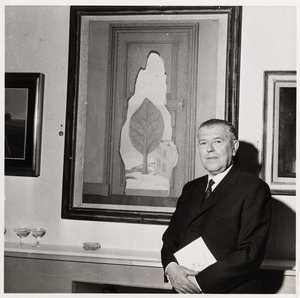
Renė Magrítė
1898 - 1967 , Belgija
Trumpa informacija apie kūrėją
- Artistic Movement Or Style: Surrealizmas
- Artists Who Influenced This Artist: ['Giorgio de Chirico']
- Date Of Birth: November 21, 1898
- Date Of Death: August 15, 1967
- Full Name: René François Ghislain Magritte
- Nationality: Belgas
- Notable Artworks:
- Les Amants
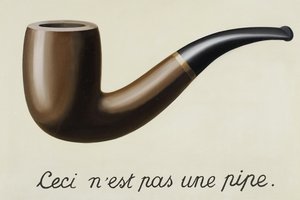
- The Treachery of Images
- Time Transfixed
- Place Of Birth: Lessines, Belgija
Susiję straipsniai
10 Surrealist Masterpieces That Changed Art Forever
Step into a dreamscape of iconic surrealist paintings. From Dali to Magritte, explore the stories behind 10 timeless masterpieces that redefined art. Find museum-quality reproductions and curated decor inspiration at OriginalUniqueArt.com. Discover all masterpieces on OriginalUniqueArt.com.
Dreamscapes & Distortions: Top 10 Surrealist Masterpieces That Changed Art Forever
Step into a world of dreams with our guide to the top 10 Surrealist masterpieces. From Dali to Magritte, explore the stories behind these iconic works and find museum-quality art reproductions for your home. Discover all masterpieces on OriginalUniqueArt.com.

Dreamscapes Unveiled: Top 10 Surrealist Masterpieces to Explore
Step into a world of dreams with our curated guide to 10 iconic surrealist masterpieces. From Dali to Magritte, explore the stories behind these timeless works and find museum-quality art reproductions for your decor. Discover all masterpieces on OriginalUniqueArt.com.

Dreamscapes Unveiled: Top 10 Surrealist Masterpieces That Changed Art Forever
Step into a world of dreams with our guide to the 10 greatest Surrealist masterpieces. From Dali to Magritte, explore the stories behind these iconic works and find museum-quality art reproductions for your decor. Discover all masterpieces on OriginalUniqueArt.com.

10 Surrealist Masterpieces That Changed Art Forever
Step into a world of dreams with our guide to the 10 greatest Surrealist masterpieces. Explore the stories behind iconic works by Dali and Magritte. Find museum-quality art reproductions and decor inspiration at OriginalUniqueArt.com. Discover all masterpieces on OriginalUniqueArt.com