Text size

() ·

A painting made for you, by hand

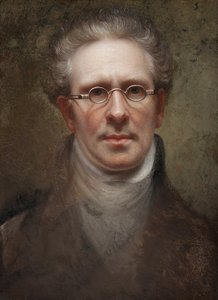
Philosopher in Meditation

Rankų darbo aliejinės reprodukcijos

Rankiniu būdu tapytas aliejus ant droblio jūsų pageidaujamame dydį ir rėmuose – tai mūsų menininkų pagal užsakymą sukurtas darbas. ( Perjungti į spausdinamus版作品 Perejti prie skaitmeninių vaizdų)

Kolekcinio objekto aprašas

Explore Rembrandt Peale’s ‘Philosopher in Meditation’ (1632). A Baroque masterpiece featuring dramatic lighting & a contemplative figure. Discover this American classic!

Autoriaus biografija

Rembrandt Peale – ikoniškas amerikietiškos portretinės tapybos meistras, žinomas dėl puikių Vašingtono ir Džefersono portretų. Atraskite jo neoklasikinį stilių ir istorinę reikšmę.

from ·

Chapter 1

How large should it be?

Slide to change the size; the picture on the left shows the frame at its real width. The proportions of the original are kept.

Standartinis dydis
pagal užsakymą
CM
INCH

Pasirinkite iš mūsų nustatytų dydžių, atitinkančių originalaus meno kūrinio proporcijas.

plotis
aukštis

Įveskite jums reikiamą plotį ir aukštį, kad paveikslas atitiktų jūsų rėmą ar sieną. Kadangi šis darbas yra rankinio darbo, siekiant išgauti kitokios formos dydį, paveikslas gali būti šiek tiek didesnis (nuo kraštų bus palikta daugiau erdvės) arba mažesnis – pasirinkite jums patogiausią variantą. Prieš pradedant tapyti, atsiųsime jums skaitmeninį maketą patvirtinimui. Šioje puslapio nuotraukoje matomas vaizdas nėra galutinis rezultatas – jį parodys tik sukurtas maketas.

Chapter 2

How should it arrive?

Choose the edges of the stretched canvas

Choose your frame

Corner sample of the WhiteWrap canvas edge finish, stretched on solidus medžio

**Improved version:**
solidus medis bars
White €1
Corner sample of the BlurSideWrap canvas edge finish, stretched on solidus medžio

**Improved version:**
solidus medis bars
Blurside €1
Corner sample of the ExtendedWrap canvas edge finish, stretched on solidus medžio

**Improved version:**
solidus medis bars
Extended €1
Corner sample of the P118B picture frame: lieto polistirolo detalės, 5 cm wide and 3 cm thick
P118B €10
Corner sample of the P118H picture frame: lieto polistirolo detalės, 5 cm wide and 3 cm thick
P118H €10
Corner sample of the P118W picture frame: lieto polistirolo detalės, 5 cm wide and 3 cm thick
P118W €10
Corner sample of the P438Z picture frame: lieto polistirolo detalės, 5.5 cm wide and 3.5 cm thick
P438Z €10
Corner sample of the P508JH picture frame: lieto polistirolo detalės, 7 cm wide and 3.5 cm thick
P508JH €12
Corner sample of the P508YH picture frame: lieto polistirolo detalės, 7 cm wide and 3.5 cm thick
P508YH €12
Corner sample of the P805H picture frame: lieto polistirolo detalės, 5 cm wide and 3.5 cm thick
P805H €10
Corner sample of the P805Z picture frame: lieto polistirolo detalės, 5 cm wide and 3.5 cm thick
P805Z €10
Corner sample of the P919BZ picture frame: lieto polistirolo detalės, 7 cm wide and 3.5 cm thick
P919BZ €10
Corner sample of the P919G picture frame: lieto polistirolo detalės, 7 cm wide and 3.5 cm thick
P919G €10
Corner sample of the P919XJ picture frame: lieto polistirolo detalės, 7 cm wide and 3.5 cm thick
P919XJ €10
Corner sample of the P959ZH picture frame: lieto polistirolo detalės, 5 cm wide and 3 cm thick
P959ZH €10
Corner sample of the P968JZ picture frame: lieto polistirolo detalės, 6 cm wide and 4 cm thick
P968JZ €12
Corner sample of the W106C picture frame: solidus medžio

**Improved version:**
solidus medis, 5 cm wide and 3 cm thick
W106C €8
Corner sample of the W218G picture frame: solidus medžio

**Improved version:**
solidus medis, 5 cm wide and 3 cm thick
W218G €10
Corner sample of the W218JH picture frame: solidus medžio

**Improved version:**
solidus medis, 5 cm wide and 3 cm thick
W218JH €8
Corner sample of the W218Y picture frame: solidus medžio

**Improved version:**
solidus medis, 5 cm wide and 3 cm thick
W218Y €10
Corner sample of the W307PJ picture frame: solidus medžio

**Improved version:**
solidus medis, 6 cm wide and 3 cm thick
W307PJ €10
Corner sample of the W316G picture frame: solidus medžio

**Improved version:**
solidus medis, 6 cm wide and 3 cm thick
W316G €10
Corner sample of the W316PJ picture frame: solidus medžio

**Improved version:**
solidus medis, 6 cm wide and 3 cm thick
W316PJ €8
Corner sample of the W316Y picture frame: solidus medžio

**Improved version:**
solidus medis, 6 cm wide and 3 cm thick
W316Y €10
Corner sample of the W398PJ picture frame: solidus medžio

**Improved version:**
solidus medis, 5 cm wide and 3 cm thick
W398PJ €8
Corner sample of the W4111J picture frame: solidus medžio

**Improved version:**
solidus medis, 6.5 cm wide and 3.5 cm thick
W4111J €10
Corner sample of the W500HY picture frame: solidus medžio

**Improved version:**
solidus medis, 7 cm wide and 5 cm thick
W500HY €15
Corner sample of the W500JH picture frame: solidus medžio

**Improved version:**
solidus medis, 7 cm wide and 5 cm thick
W500JH €15
Corner sample of the W692G picture frame: solidus medžio

**Improved version:**
solidus medis, 8 cm wide and 4 cm thick
W692G €12
Corner sample of the W849H picture frame: solidus medžio

**Improved version:**
solidus medis, 5 cm wide and 3 cm thick
W849H €8
Corner sample of the W940BG picture frame: solidus medžio

**Improved version:**
solidus medis, 7.5 cm wide and 4.5 cm thick
W940BG €15
Corner sample of the W953PJ picture frame: solidus medžio

**Improved version:**
solidus medis, 6 cm wide and 3.5 cm thick
W953PJ €8
Corner sample of the H24-GOLD picture frame: medžio skulptūra su gipso sluosniu, 10 cm wide and 6 cm thick
H24-GOLD €30
Corner sample of the H24-SILVER picture frame: medžio skulptūra su gipso sluosniu, 10 cm wide and 6 cm thick
H24-SILVER €30
Corner sample of the H36-GOLD picture frame: medžio skulptūra su gipso sluosniu, 15 cm wide and 6.5 cm thick
H36-GOLD €45
Corner sample of the H36-SILVER picture frame: medžio skulptūra su gipso sluosniu, 15 cm wide and 6.5 cm thick
H36-SILVER €45
Rėmo peržiūra
Įrėmintas

Moulding: . Overall size with the frame: .

Chapter 3

Who paints it, and should anything change?

Examples of what can be changed: Replace face with customer photo; Add pet (e.g., replace cat with dog); Include hidden message in background; Change background landscape or elements.
After order, OriginalUniqueArt.com team will email client for instructions and provide a mockup preview

Pristatymas visame pasaulyje () per 3–4 savaites, o ne įprastai – per 5 savaites. (2 lapkritis). Kokybė lieka nepakeičiama.

Chapter 4

The finishing touches

A nameplate, as in a museum?

Išgraviruotos bronzinės plokštelės detalės

This elegant plaque features the artist's name and the title of the artwork, finely engraved for a timeless presentation.

It is made from bronze with a refined, elegant finish. The text is precisely laser-engraved for a sharp and permanent result. Measuring 9x2 cm, the plaque is compact yet easy to read. It's built to be durable and scratch-resistant, offering a professional, museum-quality look. Mounting is simple thanks to the included adhesive backing.

Skaidrios akrilo plokštelės informacija

The plaque includes essential engraved details such as the artist's name, the title of the artwork, the date it was created, the type of media used-like oil on canvas or watercolor-a brief description of the piece, and a QR code that links to the complete artwork information.

It is crafted from clear acrylic, offering a sleek, modern appearance. The text is UV-engraved in black to ensure strong visual contrast. With a size of 10x15 cm, it ensures optimal readability. It comes equipped with two metal hooks for secure wall mounting. The plaque is designed to be weather-resistant, making it suitable for various environments, and it includes interactive features that work seamlessly with smartphone scanning.

Juodos akrilo plokštelės informacija

This elegant plaque includes engraved information such as the artist's name, the title of the artwork, the date it was created, the type of media used (like oil on canvas or watercolor), a short description of the artwork, and a QR code for quick access to more information.

The plaque itself is made from refined black acrylic with a premium finish. The text is laser-engraved in white for high contrast and readability. Its size is 10x15 cm, designed to be easy to read. It comes with two metal hooks for professional mounting. The design is sleek and fits any interior style. It is also weather-resistant and durable, with built-in digital integration for mobile compatibility.

A protective varnish?

When do you need it?

Chapter 5

Your painting, as you ordered it

Philosopher in Meditation

Reprodukcijos technika

Reprodukcijos matmenys

-

Aukščiausios klasės meistras

Daugiau detalių, meistriškumo ir papildomo gamybos laiko

-

Reprodukcijos rėmėjimo parinktys

-

-

Dėl meno kūrinių ar reprodukcijų, kurių bet kuri pusė yra didesnė nei 105 cm (apie 41 inch), rėmas bus siunčiamas kaip išskaidytas surinkimo rinkinys. Šis metodas užtikrina saugų pristatymą ir apsaugo nuo transportavimo metu galimos žalos.

Reikalingas profesionalus surinkimas – tai nėra „pasidaryk pats“ (DIY) produktas.
Rinkinys turi būti surinktas, o drobė išplėsta naudojant patyrį profesionalų rėmininką, medžio klijus (nėra įtraukti į rinkinį), drobės plėšimo kleslę bei presas, kad rėmo rėžiai išliktų tiesūs, kol klijai išdžiūvus. Netinkamas surinkimas arba netolydus drobės įtampa gali negrįžtamai sugadinti meno kūrinį, todėl šie atvejai nėra užtraukiami mūsų garantijos.

  • Į komplektą įeina visi vientisos medienos elementai, tiksliai išpjauti pagal dydį.

  • Surmontinama naudojant pridėtus varžtus bei papildomai reikalingą medžio kliją kampų jungtims, kuris nėra pridėtas ir turi būti parinktas rėmininkui.

  • Reikalingi profesionalūs įrankiai, kurie nėra įtraukti į rinkinį: drobės kėlimo plytelės (stiprintuvai) ir klemiai, laikantys rėmo strygius tiesiu kampu, kol džiūsta lipas.

Svarbu:
Kampų jungtims reikalingi medžio klijai, barams reikia laikyti naudojant presas, kol klijai visiškai išdžiūvės, o surinktam rėmui įtempiamai privilgti būtinos drobės įtempimo plytযুক্ত. Šios priemonės į rinkinį neįtrauktos. Prieš užsakydami šio dydžio rinkinį, rekomenduojame pasimalkoti patyrusiu rėmų meistru.

Pavadinimo lentelė

-

-

Apsauginis lakas

Blizgus lakas (ryškina spalvas, saugo nuo šviesos ir drėgmės)

-

Personalizuoti kūrinį

Ką galima pakeisti (pavyzdžiui): pakeisti veidą klientui skirta nuotrauka; pridėti augintinį (pvz., katę pakeisti šuniu); įtraukti paslėptą žinutę fone; pakeisti fono kraštovaizdį ar elementus.

-

Skubiai

Pristatymas visame pasaulyje () per 3–4 savaites, o ne įprastai – per 5 savaites. (2 lapkritis). Kokybė lieka nepakeičiama.

-

Skubus pristatymas

Pristatymas visame pasaulyje () per 5 weeks. (9 lapkritis).

Įskaičiuota

Bendroji kaina

€ 289

Visos kainos suma € 289

Stiklo variantas prieinamas tik pasirinkus dydį iki 110 cm

Included with every order

  • Nemokamas greitasis pristatymas visame pasaulyje
  • Aukštos kokybės lininis drobė
  • Pilnas siuntimo draudimas
  • Muitinės mokesčių grąžinimo garantija
  • Tikro spalvų atitikimo garantija
  • 100 dienų grąžinimo politika (tik esant įtaigoms)
  • 100% pinigų grąžinimo garantija
  • Nuolaida dideliems užsakymams

A Moment of Contemplation: Rembrandt Peale’s ‘Philosopher in Meditation’

Rembrandt Peale's “Philosopher in Meditation,” painted in 1632, is more than just a portrait; it’s a carefully constructed tableau of introspection and the pursuit of knowledge. Emerging from the burgeoning artistic landscape of early America through his father, Charles Willson Peale, Rembrandt inherited not only technical skill but also a deep-seated belief in art's power to illuminate the human condition. This particular work, housed within the Louvre’s collection, immediately draws the viewer into a dimly lit interior, dominated by a dramatic spiral staircase and the solitary figure of an aged philosopher lost in profound thought. The scene isn’t merely observed; it’s experienced – a palpable sense of quiet solemnity hangs in the air, punctuated only by the subtle play of light and shadow.

The painting's Baroque realism is evident in every meticulously rendered detail. Peale masterfully employs chiaroscuro—the dramatic contrast between light and dark—to sculpt the scene. A focused beam of illumination, originating from the upper right corner, casts long shadows across the room, emphasizing the philosopher’s solitude and creating a sense of depth that pulls the viewer into the intimate space. The rough textures of the aged walls, the worn wooden steps, and even the folds in the philosopher's garments speak to a historical setting, lending an air of timelessness and gravitas. The artist’s use of lines is particularly striking; the spiraling staircase acts as a visual pathway, guiding our eye upwards towards the light source – a potent symbol of enlightenment and spiritual ascent.

Symbolism and Interpretation

Beyond its technical brilliance, “Philosopher in Meditation” is rich with symbolic meaning. The spiral staircase itself represents a journey—a metaphorical climb toward wisdom and understanding. It’s not simply a physical structure but a visual embodiment of intellectual pursuit, suggesting that knowledge requires effort, dedication, and a willingness to ascend beyond the mundane. The philosopher, an elderly figure seated in quiet contemplation, embodies this very process. His bowed head and folded hands convey a sense of deep reflection, inviting us to consider our own place within the larger scheme of existence. The woman tending the hearth adds another layer of complexity, perhaps representing domesticity and the grounding forces that support intellectual endeavors.

Interestingly, recent scholarship suggests that the painting may depict “Tobit and Anna waiting for their son Tobias,” a biblical scene often associated with wisdom and divine guidance. This interpretation further enriches the work’s symbolism, suggesting that the philosopher's contemplation is not merely an individual pursuit but a connection to something greater—a search for truth guided by faith or intuition. The inclusion of the third figure in the stairs, previously unseen, adds another layer of intrigue, possibly representing the external world and its influence on the contemplative mind.

Technique and Materials

“Philosopher in Meditation” is a testament to Peale’s skill as an oil painter. The brushstrokes are visible yet controlled, creating a textured surface that adds depth and realism to the scene. The layering of colors—from the warm yellows and browns of the light source to the cool blues and grays of the shadows—is expertly executed, contributing to the painting's atmospheric quality. Peale’s use of perspective is somewhat shallow, focusing primarily on the immediate foreground and midground, creating a sense of intimacy and drawing the viewer into the scene. The choice of oak panel as the support further enhances the work’s aged appearance, reinforcing its historical context.

A Legacy of Likeness

Rembrandt Peale's legacy extends far beyond this single masterpiece. As the founder of The Peale Museum in Baltimore, he championed the power of art to educate and inspire. His portraits of prominent figures like George Washington and Thomas Jefferson helped shape American national identity, solidifying his place as a pivotal figure in early American art history. Today, reproductions of “Philosopher in Meditation” continue to captivate audiences, offering a glimpse into a moment of profound contemplation—a timeless reminder of the enduring human quest for knowledge and understanding.

Klausimai ir atsakymai

Kiek šviesos, kaip atrodo, atspindi „Philosopher in Meditation“ spalvos?

Įrašytas kūrinio „Philosopher in Meditation“ – Rembrandtas Pīlas šviesumas yra Dark.

Koks yra „Philosopher in Meditation“ formatas ir dydis?

„Philosopher in Meditation“ formatas yra Landscape, o originalo matmenys – 34 x 28 cm. Šie duomenys yra naudingi planuojant reprodukciją.

Kokį Rembrandtas Pīlas kūrybos etapą atspindi „Philosopher in Meditation“?

„Philosopher in Meditation“ atspindi Rembrandtas Pīlas kūrybinį laikotarpį Mature Period.

More about this painting

Peržiūrėti realaus dydžio版 Peržiūrėti AR realybėje Perjungti į spausdinamus版作品 Perejti prie skaitmeninių vaizdų Pasidalinti
Išsamiau Vadovas Pridėti į mėgstamiausius Atsisiųsti Panašūs eksponatai Rentgeno spindulių nuotrauka Automatinė diorama Q&A Statistika

In numbers

  • 1632the year it was painted
  • 29frames to choose from
  • standard sizes, in its own proportions
  • 5weeks to paint and deliver it
Rembrandtas Pīlas

Rembrandtas Pīlas

1778 - 1860, Amerikos vienjungos valstybės

Quick facts about Rembrandtas Pīlas

  • Gimimo Data: 1778-02-22
  • Gimimo Vieta: Bucks County, JAV
  • Meninis Stilius: Neoklasicizmas
  • Mirties Data: 1860
  • Pilietybė: Amerikietis
  • Pilnas Vardas: Rembrandt Peale
  • Įtakoję Menininkai: ['Rembrandt van Rijn']
  • Žymiausi Darbai:
    • George Washington (porthole type)
    • Man with a beard

Autoriaus biografija

Ankstyvieji Metai ir Šeimos Palikimas

Rembrandt Peale, gimęs 1778 metais Bakso apygardoje, Pensilvanijoje, iškilęs iš šeimos, giliai įsitvirtinusios ankstyvosios Amerikos meno aplinkoje. Jo tėvas, Charles Willson Peale, buvo ne tik menininkas, bet ir kultūros veikėjas – tapytojas, muziejaus įkūrėjas ir aštriai tikintis meno galia formuojant nacionalinę tapatybę. Būtent šioje stimuliuojančioje aplinkoje jaunasis Rembrandt gavo pagrindinį išsilavinimą kartu su savo broliais ir seserimis, mokydamasis portreto ir kraštovaizdžio tapybos techniką iš tėvo įgūdžių. Pats vardas “Rembrandt”, atspindintis olandų meistro Harmensoono van Rijn vardą, signalizavo Charles Willson Peale ambicijas sūnui – vilties, kad jis tęs meno puikumo tradiciją. Nuo stebėtinai jaunų metų Rembrandt parodė nepaprastą gabumą, sukūręs pirmąjį autoportretą vos trylies metų amžiaus, darbas jau rodantis tikslumą ir ambicijas, kurios būdingos jo brandžiam stiliui. Šis ankstyvas kūrinys nebuvo tik techninių įgūdžių pasirodymas; tai buvo ketinimo pareiškimas, jaunasis menininkas skelbiantis savo buvimą Amerikos meno scenoje.

Formuojantys Metai ir Neoklasicizmo Įtaka

Peale’s artistinė kelionė jį nuvedė į Paryžių jo ankstyvaisiais trečiaisiais dešimtmečiais, esminė patirtis, kuri giliai formavo jo estetinę jautrumą. Panaręs į Europos kultūros širdį, jis susidūrė su vyraujančiomis prancūzų neoklasicizmo srovėmis – stiliumi, pabrėžiančiu tvarką, aiškumą ir grįžimą prie klasikos idealų. Ši įtaka yra akivaizdžiai matoma Peale’s vėlesniuose darbuose, kuriems būdingas rafinuotas braižymas, subalansuotos kompozicijos ir kruopštus dėmesys detalėms. Nors tėvo portretai dažnai turėjo tam tikrą kaimišką gyvybę, Rembrandto portretai linko į poliruotesnę ir idealizuotą vaizdavimą jo objektų. Šiuo laikotarpiu jis ėmėsi enkautikos technikos – senovės metodo, naudojantį vašką kaip terpę, rodydamas įsipareigojimą tyrinėti naujoviškus tapybos metodus. Tačiau Peale nesikopijavo Europos stilių; jis juos pritaikė Amerikos kontekste, kurdamas portretus, kurie atspindėjo tautos besiformuojančią tapatybės sampratą ir jos kultūrinio nepriklausomybės siekius. Jo atsidavimas tiksliems panašumams, kartu su neoklasicizmo mokymu, leido jam kurti vaizdus, kurie buvo estetiškai malonūs ir istoriškai reikšmingi.

Gausus Portretistas: Fiksuojant Epoką

Rembrandt Peale’s karjera buvo nepaprastai gausi, pažymėta nuolatinio tobulumo siekimo ir atsidavimo dokumentuojant savo laikų žymias figūras. Jis ypač išgarsėjo dėl George Washington portretų, sukūrusių daugiau nei septyniasdešimt jo ikoniško “Patriae Pater” (Tėvas Tėvynės) kopijų. Šie vaizdai nebuvo tik fizinės išvaizdos atspindys; tai buvo kruopščiai sukonstruoti nacionalinio pasididžiavimo ir lyderystės simboliai. Peale suprato portreto galią formuojant visuomenės nuomonę ir prisidedant prie kolektyvinės atminties kūrimo. Be Washington, jis nutapė daugybę kitų įtakingų asmenų, įskaitant Thomas Jefferson, John C. Calhoun ir įvairius Amerikos elito narius. Jo portretai neapsiribojo politinėmis figūromis; jis taip pat užfiksavo eilinių piliečių panašumus, pasiūlydamas žvilgsnį į kasdienio amerikiečio gyvenimą ir siekius. Vyras su barzda, nors ir nenurodytas datomis, pavyzdžiuoja jo įgūdį užfiksuoti individualų charakterį ir psichologinį gilumą. Kiekvienas potepis atskleidžia ne tik fizines savybes, bet ir užuominas apie sėdinčiojo vidinį gyvenimą.

Už Drobės: Peale Muziejus ir Nuolatinis Palikimas

Rembrandt Peale’s indėlis apėmė daugiau nei tapybą; jis buvo vizionierius muziejaus įkūrėjas, skatinamas noro šviesti visuomenę ir propaguoti meno vertinimą. 1814 metais jis įsteigė pirmąjį muziejų Baltimorėje, Merilande – novatorišką instituciją, tarnavusią kaip daugelio modernių meno muziejų pradininkas. Tai nebuvo tik galerija eksponuoti meno kūrinius; tai buvo koncepcija kaip mokymosi centras, siūlantis tapybos, skulptūrų ir gamtos istorijos eksponatus. Muziejus vėliau tapo antrąja Baltimorės miesto rotušė, o po to – Peale muziejumi, tęsiant jo palikimą viešajai tarnybai per meną. Jo įsipareigojimas padaryti meną prieinamą visiems atspindi giliai įsitvirtinusią tikėjimą jo transformacine galia. Šiandien Rembrandt Peale’s darbai saugomi prestižiniuose rinkiniuose visame pasaulyje, įskaitant Nacionalinę portretų galeriją Vašingtone, ir tebėra švenčiami dėl savo istoriškos reikšmės ir meno vertės. Jo įtaka matoma vėlesnių Amerikos portreto tapytojų darbuose, įtvirtinant jo vietą kaip esminę figūrą tautos meno istorijoje.


Pastattingas Įspūdis

Rembrandt Peale’s gyvenimas buvo skirtas tiek meninei kūrybai, tiek kultūriniam praturtinimui. Jis nebuvo tik tapytojas; jis buvo istorikas, edukatorius ir Amerikos tapatybės šalininkas. Jo portretai siūlo vertingų įžvalgų apie jo laikų asmenybes ir vertybes, o jo muziejus tarnavo apšvietimo švyturiu sparčiai besikeičiančioje tautoje. Jo palikimas išlieka ne tik per daugybę jo meno kūrinių, bet ir per novatorišką dvasią bei nesvyruojantį įsipareigojimą meno galiai. Jis paliko po save darbų rinkinį, kuris tebėra įkvepiantis ir žavinčiantis šiandienos auditoriją, primindamas mums apie nuolatinę kultūros paveldo išsaugojimo svarbą ir tų, kurie buvo priešais mus, pasiekimus.

Trumpa informacija

  • Influences: Dutch Baroque
  • Title: Philosopher in Meditation
  • Notable elements: Spiral staircase, light
  • Artistic style: Baroque realism
  • Medium: Oil on canvas

Karo viktorina

Kiekviename klausime yra tik vienas teisingas atsakymas.

Klausimas 1:
What is the primary subject matter depicted in Rembrandt Peale’s ‘Philosopher in Meditation’?
Klausimas 2:
The strong, focused light source in the painting primarily serves to:
Klausimas 3:
The spiral staircase in ‘Philosopher in Meditation’ symbolically represents:
Klausimas 4:
Based on the description, what artistic style is most evident in ‘Philosopher in Meditation’?
Klausimas 5:
What material was primarily used to create this artwork?