

 Peržiūrėti realaus dydžio版
 Siųsti
 Dalintis
 Išsamiau
 Vadovas

 Atsisiųsti
 Panašūs eksponatai
 Rentgeno spindulių nuotrauka
 Diaporama
 Statistika
Faust
 Etching
- WallArt
- Neoclassical
 1652
1652 16.0 x 21.0 cm
 Rijksmuseum
 Rodyti daugiau
Rankų darbo aliejinės reprodukcijos
Rankiniu būdu tapytas aliejus ant droblio jūsų pageidaujamame dydį ir rėmuose – mūsų menininkų darbas pagal užsakymą. ( Perjungti į spausdinimą Perejti prie skaitmeninių vaizdų)




P118B €10

P118H €10

P118W €10

P438Z €10

P508JH €12

P508YH €12

P805H €10

P805Z €10

P919BZ €10

P919G €10

P919XJ €10

P959ZH €10

P968JZ €12

W106C €8

W218G €10

W218JH €8

W218Y €10

W307PJ €10

W316G €10

W316PJ €8

W316Y €10

W398PJ €8

W4111J €10

W500HY €15

W500JH €15

W692G €12

W849H €8

W940BG €15

W953PJ €8




Pasirinkite iš mūsų nustatytų dydžių, atitinkančių originalaus meno kūrinio proporcijas.

Įveskite jums reikiamą plotį ir aukštį, kad paveikslas atitiktų jūsų rėmą ar sieną. Kadangi šis darbas yra rankinio darbo, siekiant išgauti kitokio formos dydį, paveikslas gali būti šiek tiek didesnis (nuo kraštų bus palikta daugiau erdvės) arba mažesnis – pasirinkite jums patogiausią variantą. Prieš pradedant tapyti, atsiųsime jums skaitmeninį maketą patvirtinimui. Šioje puslapio nuotraukoje matomas vaizdas nėra galutinis rezultatas – jį parodys tik sukurtas maketas.
Gavus užsakymą, OriginalUniqueArt.com komanda susisieks su klientu el. paštu dėl instrukcijų ir pateiks maketo pavyzdį
Pristatymas visame pasaulyje () per 3–4 savaites, o ne įprastai – per 5 savaites. (20 spalis). Kokybė lieka nepakeičiama.

Nemokamas greitasis pristatymas visame pasaulyje

Aukštos kokybės lininis drobė

Pilnas siuntimo draudimas

Muitinės mokesčių grąžinimo garantija

Tikro spalvų atitikimo garantija

100 dienų grąžinimo politika (tik esant įtaigoms)

100% pinigų grąžinimo garantija

Nuolaida dideliems užsakymams
 Stiklo variantas prieinamas tik pasirinkus dydį iki 110 cm

Faust
Reprodukcijos technika
Reprodukcijos dydis
-


Visų pasirinktų variantų kaina
€ 262
The Enigmatic Figure of Faust
Rembrandt Peale's 1652 etching, “Faust,” presents a profoundly arresting vision of intellectual pursuit intertwined with the looming specter of mortality. More than simply a depiction of a man absorbed in scholarly endeavors, it’s a carefully constructed tableau brimming with symbolic weight and dramatic tension. The artwork immediately commands attention through its stark monochrome palette – a deliberate choice that amplifies the chiaroscuro effect, creating pools of impenetrable shadow and highlighting areas of intense light. This masterful manipulation of tonal values draws the viewer into a world of mystery and uncertainty, mirroring the protagonist’s own internal struggles.
At the heart of the composition lies Faust himself, positioned slightly off-center yet undeniably dominant. He leans intently over a cluttered table laden with papers, astrological instruments, and scientific tools – objects that speak to his relentless quest for knowledge and power. The arrangement isn’t haphazard; it's meticulously planned to suggest both intellectual fervor and a certain precariousness. The figure’s posture, the furrowed brow, and the focused gaze all convey a man consumed by his studies, yet also hinting at a deep-seated dissatisfaction or perhaps even a dangerous obsession.
A Rembrandtian Technique: Line as Light and Shadow
Peale's skill lies not just in his subject matter but in his masterful execution of the etching technique. This was a process demanding immense control, relying on the artist’s ability to precisely scratch lines into a copper plate before meticulously inking it and pressing it onto paper. The resulting image is characterized by an extraordinary density of hatching – fine, closely spaced lines that build up areas of shadow with remarkable subtlety. This technique, deeply rooted in Rembrandt's own practice, allows Peale to create a sense of texture and volume, imbuing the seemingly flat surface of the print with a palpable three-dimensionality.
The use of line is paramount; it defines form, suggests movement, and ultimately dictates the overall mood. Sharp, decisive lines delineate the edges of objects and the contours of Faust’s face, while softer, more broken lines create areas of ambiguity and uncertainty. The geometric shapes – the rectangular window panes, the rounded head, the angular instruments – are rendered with a precision that reflects Peale's commitment to Neoclassical ideals, yet they are infused with an underlying sense of drama and psychological depth.
Symbolism and Mortality
Beyond its technical brilliance, “Faust” is rich in symbolic meaning. The large window, flooding the scene with light, represents both divine intervention and the pursuit of enlightenment – a potential source of knowledge but also a reminder of the limitations of human understanding. Crucially, the skull positioned partially obscured in shadow to Faust’s left serves as a potent memento mori, a stark reminder of mortality and the consequences of his relentless ambition. This visual juxtaposition immediately establishes a thematic tension between intellectual curiosity and the inevitable end.
The astrological instruments further reinforce this theme, hinting at alchemical practices and a fascination with the occult – realms where knowledge is often pursued without regard for ethical boundaries. Faust’s engagement with these subjects suggests a willingness to delve into dangerous territories, ultimately foreshadowing his potential downfall. The entire composition, therefore, becomes a meditation on the seductive allure of power and the perilous consequences of unchecked ambition.
A Legacy of Likeness and Dramatic Portraiture
Rembrandt Peale’s legacy extends far beyond this single etching. Born in Bucks County, Pennsylvania, in 1778, he was part of a prominent artistic family – his father, Charles Willson Peale, was himself a painter, museum founder, and cultural icon. This environment profoundly shaped Peale's artistic development, instilling in him a deep appreciation for both art and science. His portraits, particularly those of George Washington and Thomas Jefferson, are celebrated for their realism and dignified portrayal of historical figures. “Faust,” however, stands apart as a more introspective and psychologically complex work, showcasing Peale’s ability to capture not just likeness but also the inner turmoil of his subject.
问答 (or more naturally for a website heading): Klausimai ir atsakymai
Kokia yra „Faust“, autorius – Rembrandtas Pīlas kūrybos data?
„Faust“, autorius – Rembrandtas Pīlas sukurtas 1652 m.
Kas sukūrė „Faust“ ir kokiu stiliumi tai atlikta?
Rembrandtas Pīlas sukūrė „Faust“, priklausantį Neoclassical stiliui.
Kokią vietą Rembrandtas Pīlas pasikartojančių temų tarėje užima „Faust“?
Tarp užfiksuotų Rembrandtas Pīlas temų – classical ideals, moral allegory, renaissance echoes, human condition, religious debate, peale's legacy, american art, museum showcase – kūrinys „Faust“ akcentuoja faust legend, religious subject, classical portrait, 18th century art, moral allegory, human psychology, neoclassical style.
Autoriaus biografija
Ankstyvieji Metai ir Šeimos Palikimas
Rembrandt Peale, gimęs 1778 metais Bakso apygardoje, Pensilvanijoje, iškilęs iš šeimos, giliai įsitvirtinusios ankstyvosios Amerikos meno aplinkoje. Jo tėvas, Charles Willson Peale, buvo ne tik menininkas, bet ir kultūros veikėjas – tapytojas, muziejaus įkūrėjas ir aštriai tikintis meno galia formuojant nacionalinę tapatybę. Būtent šioje stimuliuojančioje aplinkoje jaunasis Rembrandt gavo pagrindinį išsilavinimą kartu su savo broliais ir seserimis, mokydamasis portreto ir kraštovaizdžio tapybos techniką iš tėvo įgūdžių. Pats vardas “Rembrandt”, atspindintis olandų meistro Harmensoono van Rijn vardą, signalizavo Charles Willson Peale ambicijas sūnui – vilties, kad jis tęs meno puikumo tradiciją. Nuo stebėtinai jaunų metų Rembrandt parodė nepaprastą gabumą, sukūręs pirmąjį autoportretą vos trylies metų amžiaus, darbas jau rodantis tikslumą ir ambicijas, kurios būdingos jo brandžiam stiliui. Šis ankstyvas kūrinys nebuvo tik techninių įgūdžių pasirodymas; tai buvo ketinimo pareiškimas, jaunasis menininkas skelbiantis savo buvimą Amerikos meno scenoje.Formuojantys Metai ir Neoklasicizmo Įtaka
Peale’s artistinė kelionė jį nuvedė į Paryžių jo ankstyvaisiais trečiaisiais dešimtmečiais, esminė patirtis, kuri giliai formavo jo estetinę jautrumą. Panaręs į Europos kultūros širdį, jis susidūrė su vyraujančiomis prancūzų neoklasicizmo srovėmis – stiliumi, pabrėžiančiu tvarką, aiškumą ir grįžimą prie klasikos idealų. Ši įtaka yra akivaizdžiai matoma Peale’s vėlesniuose darbuose, kuriems būdingas rafinuotas braižymas, subalansuotos kompozicijos ir kruopštus dėmesys detalėms. Nors tėvo portretai dažnai turėjo tam tikrą kaimišką gyvybę, Rembrandto portretai linko į poliruotesnę ir idealizuotą vaizdavimą jo objektų. Šiuo laikotarpiu jis ėmėsi enkautikos technikos – senovės metodo, naudojantį vašką kaip terpę, rodydamas įsipareigojimą tyrinėti naujoviškus tapybos metodus. Tačiau Peale nesikopijavo Europos stilių; jis juos pritaikė Amerikos kontekste, kurdamas portretus, kurie atspindėjo tautos besiformuojančią tapatybės sampratą ir jos kultūrinio nepriklausomybės siekius. Jo atsidavimas tiksliems panašumams, kartu su neoklasicizmo mokymu, leido jam kurti vaizdus, kurie buvo estetiškai malonūs ir istoriškai reikšmingi.Gausus Portretistas: Fiksuojant Epoką
Rembrandt Peale’s karjera buvo nepaprastai gausi, pažymėta nuolatinio tobulumo siekimo ir atsidavimo dokumentuojant savo laikų žymias figūras. Jis ypač išgarsėjo dėl George Washington portretų, sukūrusių daugiau nei septyniasdešimt jo ikoniško “Patriae Pater” (Tėvas Tėvynės) kopijų. Šie vaizdai nebuvo tik fizinės išvaizdos atspindys; tai buvo kruopščiai sukonstruoti nacionalinio pasididžiavimo ir lyderystės simboliai. Peale suprato portreto galią formuojant visuomenės nuomonę ir prisidedant prie kolektyvinės atminties kūrimo. Be Washington, jis nutapė daugybę kitų įtakingų asmenų, įskaitant Thomas Jefferson, John C. Calhoun ir įvairius Amerikos elito narius. Jo portretai neapsiribojo politinėmis figūromis; jis taip pat užfiksavo eilinių piliečių panašumus, pasiūlydamas žvilgsnį į kasdienio amerikiečio gyvenimą ir siekius. Vyras su barzda, nors ir nenurodytas datomis, pavyzdžiuoja jo įgūdį užfiksuoti individualų charakterį ir psichologinį gilumą. Kiekvienas potepis atskleidžia ne tik fizines savybes, bet ir užuominas apie sėdinčiojo vidinį gyvenimą.Už Drobės: Peale Muziejus ir Nuolatinis Palikimas
Rembrandt Peale’s indėlis apėmė daugiau nei tapybą; jis buvo vizionierius muziejaus įkūrėjas, skatinamas noro šviesti visuomenę ir propaguoti meno vertinimą. 1814 metais jis įsteigė pirmąjį muziejų Baltimorėje, Merilande – novatorišką instituciją, tarnavusią kaip daugelio modernių meno muziejų pradininkas. Tai nebuvo tik galerija eksponuoti meno kūrinius; tai buvo koncepcija kaip mokymosi centras, siūlantis tapybos, skulptūrų ir gamtos istorijos eksponatus. Muziejus vėliau tapo antrąja Baltimorės miesto rotušė, o po to – Peale muziejumi, tęsiant jo palikimą viešajai tarnybai per meną. Jo įsipareigojimas padaryti meną prieinamą visiems atspindi giliai įsitvirtinusią tikėjimą jo transformacine galia. Šiandien Rembrandt Peale’s darbai saugomi prestižiniuose rinkiniuose visame pasaulyje, įskaitant Nacionalinę portretų galeriją Vašingtone, ir tebėra švenčiami dėl savo istoriškos reikšmės ir meno vertės. Jo įtaka matoma vėlesnių Amerikos portreto tapytojų darbuose, įtvirtinant jo vietą kaip esminę figūrą tautos meno istorijoje.Pastattingas Įspūdis
Rembrandt Peale’s gyvenimas buvo skirtas tiek meninei kūrybai, tiek kultūriniam praturtinimui. Jis nebuvo tik tapytojas; jis buvo istorikas, edukatorius ir Amerikos tapatybės šalininkas. Jo portretai siūlo vertingų įžvalgų apie jo laikų asmenybes ir vertybes, o jo muziejus tarnavo apšvietimo švyturiu sparčiai besikeičiančioje tautoje. Jo palikimas išlieka ne tik per daugybę jo meno kūrinių, bet ir per novatorišką dvasią bei nesvyruojantį įsipareigojimą meno galiai. Jis paliko po save darbų rinkinį, kuris tebėra įkvepiantis ir žavinčiantis šiandienos auditoriją, primindamas mums apie nuolatinę kultūros paveldo išsaugojimo svarbą ir tų, kurie buvo priešais mus, pasiekimus.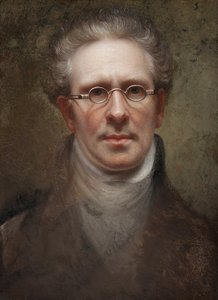
Rembrandtas Pīlas
1778 - 1860 , Amerikos vienjungos valstybės
Trumpa informacija apie kūrėją
- Gimimo Data: 1778-02-22
- Gimimo Vieta: Bucks County, JAV
- Meninis Stilius: Neoklasicizmas
- Mirties Data: 1860
- Pilietybė: Amerikietis
- Pilnas Vardas: Rembrandt Peale
- Įtakoję Menininkai: ['Rembrandt van Rijn']
- Žymiausi Darbai:
- George Washington (porthole type)
- Man with a beard
Susiję straipsniai

Oil on Canvas: A Historical & Technical Exploration of a Timeless Artistic Medium
Explore the rich history & enduring techniques of oil painting on canvas. Discover the science behind its longevity, conservation practices, and contemporary relevance. Expert insights for art enthusiasts.

The Enduring Legacy of Oil on Canvas: Technique, History & Aesthetic Impact
Explore the rich history & techniques of oil painting – from Renaissance masters to Impressionism. Discover pigments, layering methods, and why this timeless medium endures. Expert insights for artists & art enthusiasts.

Charles Willson Peale: Portraiture, Enlightenment Ideals & Shaping American Identity
Explore the life & art of Charles Willson Peale – Revolutionary portraitist, scientist, and founder of America’s first museum. Discover his iconic paintings of Washington & the Enlightenment ideals that shaped a nation.

Rembrandto van Rijn šedevrai: 25 paveikslai, įkvėpę amžius | OriginalUniqueArt
Atraskite 25 įspūdingiausius Rembrandto paveikslus! Išsami istorija, meno technikos ir simbolika. Olandų baroko šedevrai jūsų interjerui – aukštos kokybės reprodukcijos OriginalUniqueArt.com. Explore the full collection online!

The Enduring Power of Painting: A Historical & Contemporary Exploration of Form and Emotion
Explore the rich history & enduring techniques of oil painting with OriginalUniqueArt. Discover masterpieces, learn about art collecting, and find authentic handmade reproductions crafted by skilled artists.