
 Peržiūrėti realaus dydžio版
 Pasidalinti
 Dalintis
 Išsamiau
 Vadovas

 Atsisiųsti
 Panašūs eksponatai
 Rentgeno spindulių nuotrauka
 Automatinė diorama
 问答
问答 Statistika
Still Life, Strawberries and Nuts

- 1822.0 x 1822.0 cm


 Skaityti daugiau
Giclée / Meno spausdinimas
Muziejų lygio „giclée“ arba drobos spausdinimas: greita gamyba ir lankstios apdailos parinktys. ( Pirkti rankų darbo tapybą Perejti prie skaitmeninių vaizdų)




P118B €10

P118H €10

P118W €10

P438Z €10

P508JH €12

P508YH €12

P805H €10

P805Z €10

P919BZ €10

P919G €10

P919XJ €10

P959ZH €10

P968JZ €12

W106C €8

W218G €10

W218JH €8

W218Y €10

W307PJ €10

W316G €10

W316PJ €8

W316Y €10

W398PJ €8

W4111J €10

W500HY €15

W500JH €15

W692G €12

W849H €8

W940BG €15

W953PJ €8




Pasirinkite iš mūsų nustatytų dydžių, atitinkančių originalaus meno kūrinio proporcijas.

Įveskite jums reikiamą plotį ir aukštį, kad atvaizdas derėtų prie jūsų rėmo ar sienos. Spausdiną galima tik sumažinti, bet nepadidinti virš originalaus paveikslėlio dydžio, todėl keičiant proporcijas, dalis vaizdo prarandama. Prieš spausdinimą atsiųsime jums skaitmeninį maketą patvirtinimui. Šioje puslapio nuotraukoje matomas pjūvis nėra tikslus – jį rodo tik maketas.
Pristatymas visame pasaulyje () per 2 weeks, o ne įprastas 4/5 savaičių laikotarpis. (7 lapkritis)

Nemokamas greitasis pristatymas visame pasaulyje

Aukštos kokybės lininis drobė

Pilnas siuntimo draudimas

Muitinės mokesčių grąžinimo garantija

Tikro spalvų atitikimo garantija

100 dienų grąžinimo politika (tik esant įtaigoms)

100% pinigų grąžinimo garantija

Nuolaida dideliems užsakymams
 Stiklo variantas prieinamas tik pasirinkus dydį iki 110 cm

Still Life, Strawberries and Nuts
Giclée / Meno spausdinimas
Reprodukcijos matmenys
-


Bendroji kaina
€ 72
Raphaelle Peale’s “Still Life, Strawberries and Nuts”: A Window into Early American Domesticity
Raphaelle Peale's "Still Life, Strawberries and Nuts," painted in 1822, is more than just a depiction of fruit and nuts; it’s a meticulously crafted snapshot of early 19th-century American domestic life. Born into the renowned Peale family – a lineage deeply intertwined with natural history and artistic legacy – Raphaelle inherited a profound appreciation for observation and detail, qualities that he brought to bear on his still lifes with remarkable precision. This particular work, housed within the Art Institute of Chicago, offers a rare glimpse into the refined tastes and burgeoning aesthetic sensibilities of the era, showcasing a deliberate departure from the prevailing trends in European art.
Peale’s style is distinctly influenced by the Spanish masters, particularly their penchant for dramatic lighting and carefully arranged compositions. He eschewed the overly ornate or sentimental approaches favored by some of his contemporaries, opting instead for a restrained elegance characterized by crisp forms, balanced arrangements, and a subtle interplay of light and shadow. The painting's palette is dominated by earthy tones – rich browns, deep reds, and muted greens – creating a sense of warmth and intimacy. The arrangement itself—a carefully curated selection of strawberries, nuts, citrus fruits, and a porcelain bowl—is not merely decorative; it speaks to the abundance and prosperity enjoyed by many American households at the time. The inclusion of Chinese export porcelain, a highly prized luxury item, further underscores this sense of affluence and connection to global trade.
The Language of Still Life: Symbolism and Meaning
Still life painting during Peale’s era was deeply rooted in symbolism. Objects were not simply presented for their visual appeal but carefully chosen to convey specific meanings – often religious, moral, or philosophical. Peale's work is no exception; the arrangement of fruits and nuts can be interpreted as a meditation on mortality, abundance, and the fleeting nature of beauty. The presence of raisins, for instance, symbolizes decay and the passage of time, while the vibrant strawberries evoke notions of fertility and renewal. The careful placement of each element within the composition suggests a deliberate attempt to create a harmonious balance between these contrasting themes.
Furthermore, Peale’s choice of objects reflects the evolving role of women in American society. The abundance of fruits and nuts—items typically associated with domesticity and nurturing—can be seen as a subtle celebration of female labor and responsibility within the home. The inclusion of a bowl, a central element in still life arrangements, further emphasizes this theme, suggesting a focus on caretaking and hospitality. It’s important to note that Peale's work was created during a period when women were increasingly excluded from formal artistic training; his meticulous attention to detail and masterful technique served as a powerful assertion of their creative potential.
A Trompe-l'œil Masterpiece: Deception and Illusion
What truly elevates “Still Life, Strawberries and Nuts” is Peale’s daring use of *trompe-l'œil*, or illusionistic painting. The arrangement appears to spill out from the canvas itself, creating a convincing sense of depth and realism. The subtle suggestion of a napkin partially covering a Venus figure adds an element of mystery and intrigue, challenging the viewer to question what is real and what is merely a representation. This technique was particularly innovative for its time, demonstrating Peale’s mastery of perspective and his willingness to push the boundaries of traditional still life painting.
The deliberate concealment of the Venus figure—a nod to classical mythology—is not simply decorative; it serves as a commentary on the idealized image of womanhood prevalent in 19th-century America. By partially obscuring her form, Peale invites the viewer to contemplate the complexities and contradictions inherent in representations of female beauty. The painting’s overall effect is both captivating and thought-provoking, inviting repeated viewing and careful consideration.
Collecting a Legacy: Reproduction and Appreciation
Today, “Still Life, Strawberries and Nuts” stands as a testament to Raphaelle Peale's pioneering role in American art. Its meticulous detail, evocative symbolism, and innovative use of *trompe-l'œil* continue to fascinate viewers and inspire artists alike. High-quality reproductions capture the painting’s rich colors and subtle nuances, allowing art lovers to appreciate its beauty and complexity from afar. Whether displayed as a centerpiece in a formal dining room or incorporated into a curated collection of American still lifes, Peale’s masterpiece offers a timeless glimpse into a bygone era—a reminder of the enduring power of observation, artistry, and the quiet beauty of everyday life.
Klausimai ir atsakymai
Kas parduoda rankų darbo kopijas kūrinio „Still Life, Strawberries and Nuts“ – Raphaelle Peale?
„Still Life, Strawberries and Nuts“ galima įsigyti kaip rankomis dažyta aliejaus reprodukcija ant lininio drobos. Užsakymą galite padaryti specialioje Rankų darbo aliejinis reprodukcija puslapio, pasirinkę tinkamą dydį.
Kokiam stiliui priklauso „Still Life, Strawberries and Nuts“?
Kūrinio „Still Life, Strawberries and Nuts“ – Raphaelle Peale stilius – American Still Life. Ši klasifikacija leidžia šį darbą įtraukti į bendrą susijusių menininkų ir kūrinių kontekstą.
Į kokį meno kryžminę ir kokį laikotarpį priskiriama „Still Life, Strawberries and Nuts“ – Raphaelle Peale?
„Still Life, Strawberries and Nuts“ – Raphaelle Peale priskiriamas American Still Life stiliui, kūrėjo prekiaujantem į XIX amžius laikotarpį.
Autoriaus biografija
Amerikos natūralaus mirtvydžio pionierius
Kylančio XIX amžiaus pradžios Amerikos meno peizaže, kuriame portretas valdė kaip pagrindinis statuso ir palikimo ištrykimo įrankis, Raphaelle Peale drąsiai nukreipė savo žvilgsnį į tylią, dažnai nepastбėtą negyvojo pasaulio grožį. 1774 m. Annapolis mieste gimęs Peale buvo ne tik paveikslininkas, bet ir pionierius, iškovojęs specializuotą nišą, kuri anksčiau buvo neglecta jaunosios valstybės meninės repertuaruose. Kaip legendinio Charles Willson Peale sūnus, jis savo egzistencija buvo neatsiejamas nuo amerikiečių mokslo ir meno atradimų pulsavimo. Augdamas vienos įtakingiausių Amerikos meninių dinastijų orbitai, Raphaelle buvo pasmerktas aplinkai, kur kruopštus stebėjimą laikė tiek aukštoji menė, tiek mokslinis būtinumas.
Jo ankstyvasis mokymasis buvo giliai į šią dvigubą natūralizmo ir meistriškumo tradiciją įsišaknijęs. Po atidžiausio savo tėvo stebėjimo, Peale išmokėjo matyti pasaulį per gilių detalių prizmę – įgūdį, kuris vėliau tapo jo brandaus stiliaus žyminės.
Kol jo broliai ir seserys dažnai rinkosi medicinos ar natūraliosios istorijos kelius, Raphaelle šią paveldėtą dokumentavimo aistrą nukreipė į aliejų ant drobės mediumą. Jis ne tik siekė atvaizduoti daiktus; jis siekė juos išaukštinti. Koncentruodamasis į vaisių tekstūras, porceliano spindesį ir organinės medžiagos subtilią pūtiką, jis į trumpalaikį įдалиjo amžinumo pojūtį, paversdamas paprastais virtuvės reikmenimis aukštojo meno temomis.
Tekstūros ir trompe l'oeil meistriškumas
Tikroji Peale kūrybos genialumas slypi jo techniniame valdyme šviesa ir paviršiumi. Jis tapo trompe l'oeil – technikos, skriptos „apgauti akį“ – meistru, sukuriantis iliuzijas, kurios buvo tiek įtikinamos, kad žiūrintojai dažnai gavo pagundą ištesti ranką ir paliesti paveiksluoti daiktus. Jo kompozicijos, pavyzdžiui, su persikais, raisiniais arba žuvimis, yra taktilios realybės tyrimai. Per meistrišką glazūros ir šešėlio pritaikymą galima beveik pajusti minkštą brздinančio persiko odelę ar šaltą, lygią keraminio ąso paviršių.
Peale stiliaus vystymasis buvo reikiamai paveiktas Europos tradicijų suvokimu, ypač ispanių meistrų įtariu, kurie ilgą laiką tobulino natūralaus mirtvydžio meną. Sujungdamas šį Senojo Pasaulio išmanumą su unikalia amerikiečių jautrumu, jis sukūrė darbus, kurie atrodė tiek pasaulinėje kontekste informuoti, tiek vietiniu pagrindu tvirti. Jo paveiksluose dažnai pasižymi:
- Kruopštumas: Nekliudomas įsipareigojimas užfiksuoti smulkiausius gamtos trūkumus – nuo mažų obuolių dėmių iki delikatžių lapo venų.
- Dramatiška apšvietimas: Chiaroscuro naudojimas, kad objektai ištraukiami iš tamsių, atmosferinių fono, suteikiant kiekvienam daiktui skulptūrišką buvimą.
- Kompozicinio pusiausvyra: Atmtikslus elementų suvedimas, vedantis žiūrėjo akį per tylią, kontemplatyvią gausos ir mirtingumo naratyvą.
Ilgalaikis palikimas Amerikos mene
Nors jo karjera buvo gana trumpa, pasibaigdama mirtimi 1825 m., Raphaelle Peale poveikis Amerikos meno trajektorijai negalima pervertinti. Jis sulaužė portretavimo monopolį, įrodydamas, kad buitis ir natūralizmas yra vertingi aukščiausiam meninei atsidavomybei lygmens. Padarydamas tai, jis padėjo pagrindus pokario amerikiečių natūralaus mirtvydžio paveikslininkų kartoms, kurie žingsniu po jo tyrinėjo gausos, pūlavimo ir kasdienio grožio temas.
Šiandien Peale prisimenamas ne tik kaip garsios šeimos narys, bet ir kaip išskirtinis talentas, turintis drąsos rasti didybę smulkmenose. Jo darbai išlieka gyvais įrodymais apie tuo metu Amerikos istorijos laikotarpį, kai tauta vis dar apibrėžė savo vizualinį identitetą. Per jo štrėbės paprasti krepšio turiniai ar skromus stalų išdėstymai tapo neįtikėtiniais augančios kultūros gebėjimo stebėti, vertinti ir įamžinti aplinkinį pasaulį simboliais.

Raphaelle Peale
1774 - 1825 , JAV
Trumpa informacija
- Artinis Stilius Ar Kryptis: Naturklasė
- Artistai, Kurie Paveikė Šį Artistą: ['Charles Willson Peale']
- Gimimo Data: 1774 m. vasario 17 d.
- Gimimo Vieta: Annapolis, Jungtinės Amerikos Valstijos
- Mirties Data: 1825 m. kovo 4 d.
- Tautybė: Amerika
- Visas Vardas Ir Pavardė: Raphaelle Peale
- Šį Artistą Įkvėlusios Grupės Ar Judėjimai: ['Ispanų meistrai']
- Žymūs Kūriniai:
- Naturklasė su razinėlėmis, geltonais ir raudonais obuoliais porcelaninėje krepšelyje
- Naturklasė su ąsočiu ir žuvimi
Susiję straipsniai
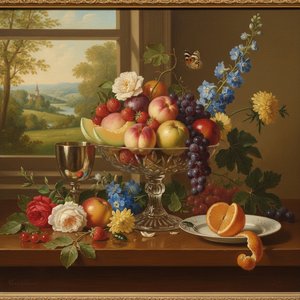
Severin Roesen: Evoking National Identity Through American Still Life Painting
Explore the captivating world of Severin Roesen, a major American still life painter influenced by Dutch masters. Discover his lush compositions and the symbolism within his art – a window into 19th-century America.

The Bountiful Still Life: Symbolism & Artistic Representation of Fruit Across Art History
Explore the rich history of still life painting & the symbolism of fruit across art movements. Discover masterpieces from Caravaggio to Cézanne with OriginalUniqueArt – expert guidance & museum-quality reproductions.
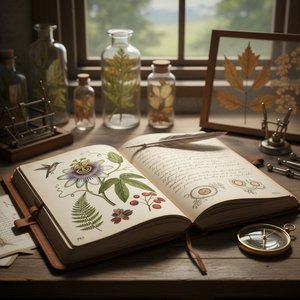
Titian Ramsay Peale II: A Legacy of Botanical Precision & Artistic Innovation
Explore the life & art of Titian Ramsay Peale II, a master of botanical precision and wildlife painting. Discover his legacy bridging art & natural history at OriginalUniqueArt.

American Realism's Defining Works: 10 Masterpieces for Your Home
Explore 10 defining American Realism masterpieces – Hopper, Homer & more. Discover the stories behind these iconic paintings and bring timeless art to your home with OriginalUniqueArt's museum-quality reproductions. Explore the full collection online.

Charles Willson Peale: Portraiture, Enlightenment Ideals & Shaping American Identity
Explore the life & art of Charles Willson Peale – Revolutionary portraitist, scientist, and founder of America’s first museum. Discover his iconic paintings of Washington & the Enlightenment ideals that shaped a nation.