
 Peržiūrėti realybėje
 Pasidalinti
 Dalintis
 Išsamiau

 Atsisiųsti
 Panašūs eksponatai
 Rentgeno nuotrauka
 Automatinė diorama
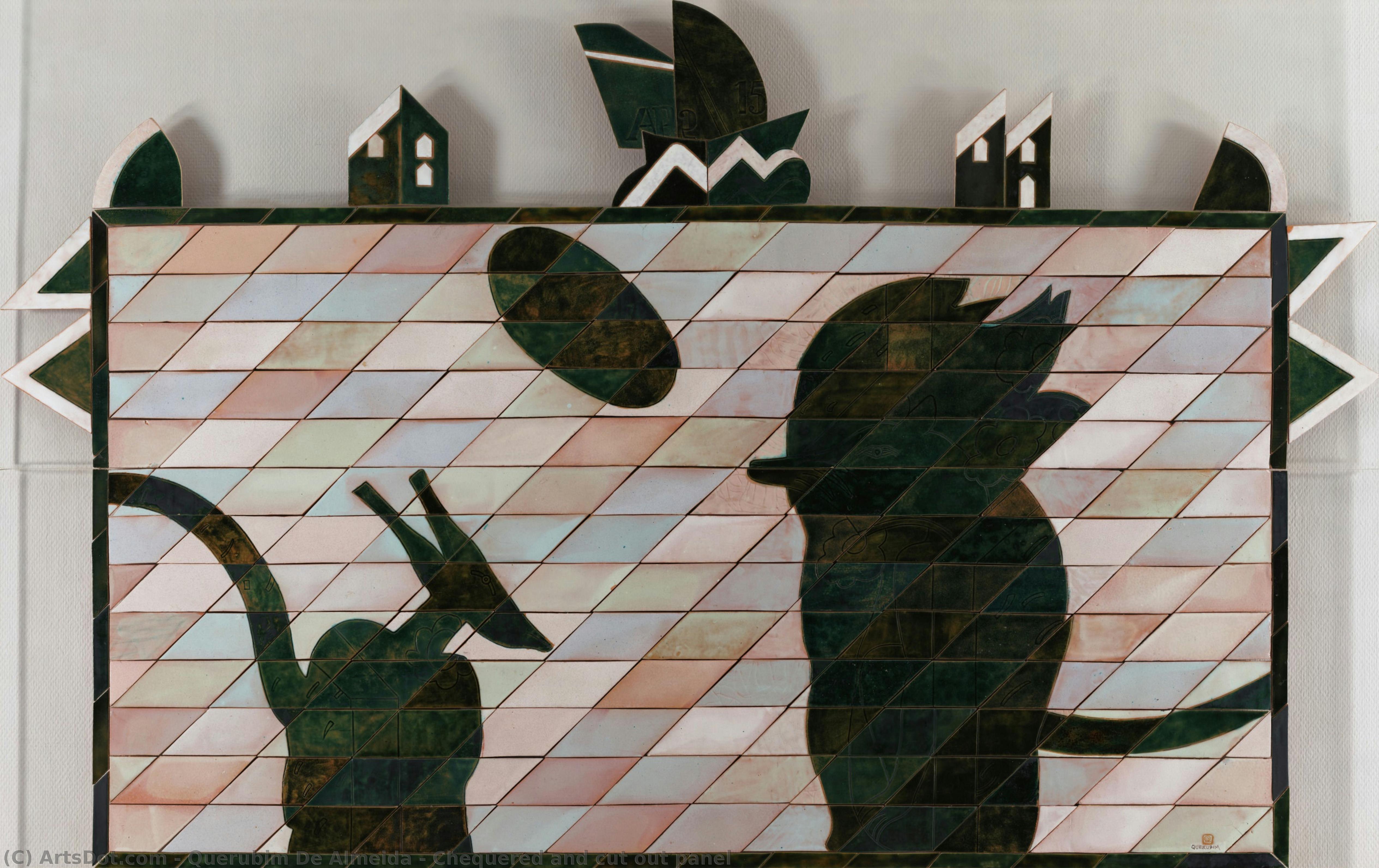
Chequered and cut out panel
 1991
1991 127.0 x 201.0 cm
 Nacionalinis azulejų muziejus
 Skaityti daugiau
Įsigykite aukštos skiriamosios raiškos, patobulintą skaitmeninį vaizdą, gerokai pranašesnį už internetinę peržiūrą.
Kiekvieną failą mūsų specialistai kruopščiai paruošia naudojant pažangias technologijas ir profesionalų rankinį retušavimą. Užtikriname, kad kiekvienas vaizdas pasižymėtų išskirtiniu aiškumu, tikslia spalvų atspalviu ir smulkiomis detalėmis.
Baigiamas failas el. paštu pristatomas per 72 valandas; jis optimizuotas nedelsiant naudojimui profesionalioje, redakcinėje ir spausdinimo aplinkoje. Tai ta pati kokybė, kuria pasitiki aukščiausios klasės dizaino studijos, leidyklos ir galerijos.
Skaitmeninis vaizdas
Atsisiųskite didelės raiškos failą asmeniniam naudojimui, spausdinimui ir kūrybiniams projektams. ( Pirkti spaudinį Pirkti rankomis tapytą paveikslą)
Kiekvieną skaitinio vaizdo užsakymą papildė
Profesionalus skaitmeninis pristatymas, garantuotas
Pasirinkę OriginalUniqueArt.com, jūs ne tik gaunate paveikslėlį – jūs gaunate profesionaliai patobudintą skaitmeninį kūrinį, sukurtą itin tikniai ir užtikrinantį pasitenkinimą. Štai viską, kas automatiškai pritékia jūsų užsakymui:

Greitas siuntimas el. paštu
Jūsų aukštos raiškos skaitmeninis vaizdo failas bus išsiųstas jums el. paštu per 72 valaudas nuo užsakymo – paruoštas naudojimui be jokių papildomų veiksmų.

Skaitmeninis failas su dirbtiniu intelektu
Jūsų meno kūrinys profesionaliai optimizuojamas naudojant pažangius dirbtinio intelekto įrankius ir rankinį redagavimą, užtikrinant maksimalią detalę, aiškumą ir spalvų tikslumą.

Nemokamas visam laikui pakartotinis siuntimas
Atsitiktinai ištrytikote ar praradote savo failą? Nebijokite – bet kuriuo metu atsiųsime jį jums vėl nemokamai.

Jokio importo mokesčio – niekada
Mėgaukitės savo meno kūriniu akimirka – skaitiniai failai visada yra neapmokestinami, todėl nereikės mokėti muitinės, mokesčių ar pristatymo mokesčių.

Spalvų tikslumo garantija
Naudodami profesionalią įrangą ir spalvų valdymo sistemas, užtikriname, kad jūsų skaitmeninis vaizdas kuo tiksliau atspindėtų originalias spalvas.

60 dienų pasitenkinimo garantija
Jei nebuvate patenkinti savo skaitinio vaizdo, per 60 dienų jį pertaisysime arba grąkinsime 100% sumą – be jokių klausimų.

100% pinigų grąžinimo garantija
Nepat 만족inti? Gaukite visą sumokėtą sumą per 60 dienų nuo skaitmeninio failo gavimo – be jokių papildomų klausimų.

Nuolaidos dideliems užsakymams
Pirkti 3 nuotraukas – pasiūla 10% - Pirkti 5 – pasiūla 15% - Pirkti 10 ir daugiau – pasiūla 20%. Puikiai tinka kūrybiniams projektams, galerijoms bei agentūroms.
Kolekcinio objekto aprašymas
Autoriaus biografija
A Life Etched in Tile and Color: The World of Querubim de Almeida
Born in the sun-drenched coastal town of Portimão, Portugal, in 1925, Querubim de Almeida – often known as Querubim Lapa – has become a pivotal figure in Portuguese art. His journey, spanning over six decades, isn’t confined to a single medium; it's a vibrant exploration encompassing painting, sculpture, and ceramics, but it is perhaps his revolutionary work with *azulejo*—traditional Portuguese tin-glazed ceramic tiles—that truly defines his legacy. Lapa didn’t simply continue the tradition of azulejo; he reimagined it, infusing ancient techniques with modern sensibilities and a distinctly neorealist perspective. A formative experience occurred during the 1940 Portuguese World Exhibition, an event that ignited within him a passion for artistic expression and exposed him to a diverse range of creative possibilities. This early exposure would prove crucial in shaping his multifaceted career.From Formal Training to Neorealist Visions
Lapa’s artistic education was meticulously structured. He began formal training in 1941 under the guidance of painter Trindade Chagas, followed by studies at both the António Arroio School of Decorative Arts and the Afonso Domingues Industrial School. These institutions provided him with a solid foundation in technique and design principles. His early participation in group exhibitions, beginning in 1942 alongside artists like Pedro Oom and Júlio Gil at the Lisbon Italian Culture Institute, signaled his arrival on the Portuguese art scene. A significant milestone came in 1953 when he represented Portugal at the São Paulo Art Biennial, gaining international recognition for his burgeoning talent. From 1947 to 1950, Lapa further honed his skills with sculpture studies at the Lisbon School of Fine Arts under Leopoldo de Almeida. However, it was the intellectual and artistic climate of post-war Portugal that truly shaped his aesthetic direction. The neorealist movement, with its emphasis on social realism and a critical stance against prevailing ideologies, resonated deeply with Lapa. This influence is powerfully evident in his early works, which often depict scenes from everyday life and address societal issues with unflinching honesty. His “beggar series” (1945-1946) stands as a poignant example of this commitment to portraying the realities of the marginalized and overlooked.The Azulejo Reimagined: A Master Craftsman’s Innovation
While Lapa's artistic output is diverse, it is his mastery of *azulejo* that has secured his place in art history. He didn’t merely replicate traditional designs; he revolutionized the medium. His unique approach involved seamlessly blending time-honored Portuguese techniques with strikingly modern and innovative concepts. This fusion resulted in pieces that are not only visually captivating but also deeply culturally significant. A long and fruitful collaboration with the Viúva Lamego factory was instrumental in this process, allowing him to experiment with ceramic techniques and push the boundaries of what *azulejo* could be. Two particularly notable works exemplify his genius: the plaque panel replicating the revetment at the Portuguese Embassy in Brazilia (1991), housed within the National Azulejo Museum in Lisbon, and the “Chequered and cut out panel,” also residing at the museum. These pieces showcase Lapa’s exceptional skill in manipulating form, color, and texture to create dynamic and thought-provoking compositions. Recurring themes in his work include bold geometric shapes and a frequent focus on peasant women, often depicted as strong, resilient figures embodying the spirit of Portugal.A Lasting Legacy: Teaching, Recognition, and Enduring Influence
Querubim de Almeida’s impact extends beyond his artistic creations. Beginning in 1955, he dedicated himself to education, teaching at the António Arroio School of Decorative Arts and nurturing generations of aspiring artists. His commitment to sharing his knowledge and passion for art ensured that his innovative spirit would continue to inspire others. Throughout his career, Lapa’s work has been exhibited internationally and is now held in prestigious collections worldwide, including the Leicestershire Museum and Art Gallery in the UK and the Calouste Gulbenkian Foundation's Modern Art Centre. His influence can also be seen in the numerous public works he created, particularly within Lisbon, transforming urban spaces with his vibrant and thought-provoking designs. While often associated with neorealism, traces of influences from artists like Paul Gauguin can be detected in his expressive use of color and form. Querubim de Almeida’s art continues to resonate today, solidifying his position as a pivotal figure in Portuguese artistic heritage—a master craftsman who not only preserved a tradition but boldly propelled it into the modern era.Notable Works
- Plaque panel, replica of the revetment at the Portuguese Embassy in Brazilia (1991): A testament to his azulejo mastery, currently housed at the National Azulejo Museum in Lisbon.
- Chequered and cut out panel: Another striking example of his innovative designs, also located at the National Azulejo Museum.
- “Beggar Series” (1945-1946): Early works demonstrating his commitment to social realism and portraying everyday life.

Querubim de Almeida
1925 - , Portugal
Trumpai apie šį kūrėją
- Artistic Movement Or Style: Neorealism, Azulejo art
- Artists Who Influenced This Artist: ['Paul Gauguin']
- Date Of Birth: 1925
- Full Name: Querubim de Almeida
- Nationality: Portuguese
- Notable Artworks:
- Plaque panel (Brazilia)
- Chequered and cut out panel
- Place Of Birth: Portimão, Portugal

