
 Peržiūrėti realaus dydžio版
 Siųsti
 Dalintis
 Išsamiau
 Vadovas

 Atsisiųsti
 Panašūs eksponatai
 Rentgeno spindulių nuotrauka
 Diaporama
 Statistika
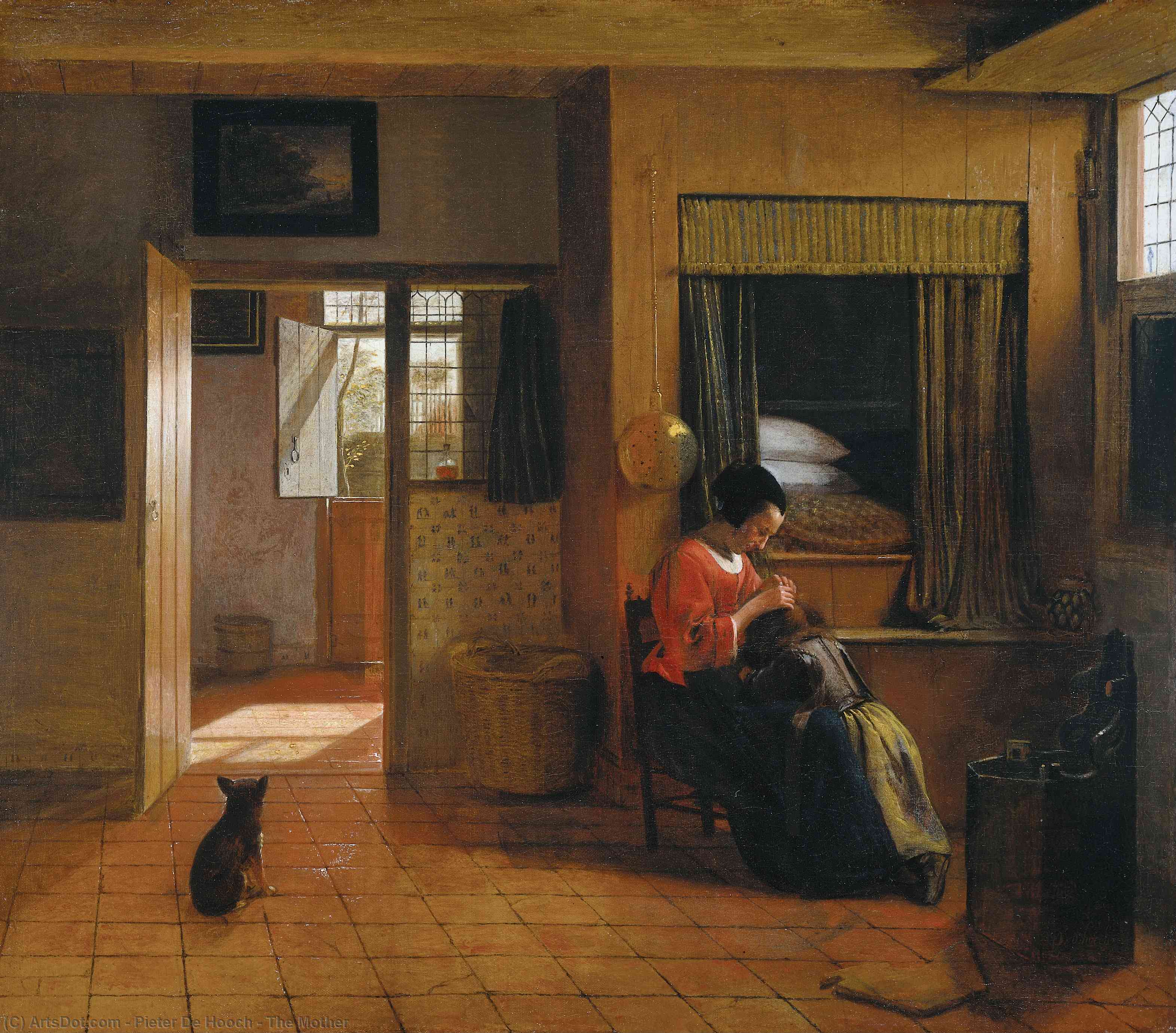
The Mother
 Oil On Canvas
- WallArt
- Dutch Golden Age
 1660
1660- Early Modern
 52.0 x 61.0 cm
 Rijksmuseum
 Rodyti daugiau
Giclée / Meno spausdinimas
Muziejų lygio „giclée“ arba drobos spausdinimas: greita gamyba ir lankstios apdailos parinktys. ( Pirkti rankomis tapytą reprodukciją Perejti prie skaitmeninių vaizdų)




P118B $10

P118H $10

P118W $10

P438Z $10

P508JH $12

P508YH $12

P805H $10

P805Z $10

P919BZ $10

P919G $10

P919XJ $10

P959ZH $10

P968JZ $12

W106C $8

W218G $10

W218JH $8

W218Y $10

W307PJ $10

W316G $10

W316PJ $8

W316Y $10

W398PJ $8

W4111J $10

W500HY $15

W500JH $15

W692G $12

W849H $8

W940BG $15

W953PJ $8




Pasirinkite iš mūsų nustatytų dydžių, atitinkančių originalaus meno kūrinio proporcijas.

Galite nurodyti savo matmenis, kad vaizdas atitiktų konkretų rėmą ar erdvę. Jei pasirinktas dydis nesutaps su originalaus paveikslėlio proporcijomis, mes arba apkirpsime kūrinį, arba išplėsime vaizdą naudojant veideliu atspindėtą arba vientisą šoną. Skaitmeninis maketas bus išsiųstas jums patvirtinti prieš pradedant gamybą.
Atkreipkite dėmesį, kad ekrane matomas vaizdinys neatspindi tikrojo apkirpimo ar išplėtimo. Tik maketas tiksliai parodytų galutinę kompoziciją.
Nors galima rinktis ir individualius dydžius, rekomenduojame pasirinkti vieną iš išanksti nustatytų matmenų, kad būtų išlaikytos originalios proporcijos.
Pristatymas visame pasaulyje () per 2 weeks, o ne įprastas 4/5 savaičių laikotarpis. (25 rugsėjis)

Nemokamas greitasis pristatymas visame pasaulyje

Aukštos kokybės lininis drobė

Pilnas siuntimo draudimas

Muitinės mokesčių grąžinimo garantija

Tikro spalvų atitikimo garantija

100 dienų grąžinimo politika (tik esant įtaigoms)

100% pinigų grąžinimo garantija

Nuolaida dideliems užsakymams
 Stiklo variantas prieinamas tik pasirinkus dydį iki 110 cm

The Mother
Giclée / Meno spausdinimas
Reprodukcijos dydis
-


Visų pasirinktų variantų kaina
$ 80
A Window Into Domestic Tranquility
Pieter de Hooch's “The Mother” (circa 1660) stands as a quintessential emblem of Dutch Golden Age artistry—a serene tableau that transcends mere representation to embody the very values and sensibilities of its era. Captured on canvas with meticulous detail, this painting transports viewers into a softly lit bedroom interior where a woman diligently attends to her child’s care. More than just a portrait, it is an exploration of motherhood, quiet contemplation, and the subtle beauty found within everyday domestic life. The scene unfolds as a tender moment of intimacy, inviting the observer to step into a world where time seems to slow, and the frantic pace of the outside world is replaced by the rhythmic, peaceful motions of household devotion.
The composition is masterfully orchestrated to guide the eye through a narrative of light and shadow. De Hooch employs a pyramidal structure, a classical technique that provides stability to the scene while directing our gaze upward toward the window. This window serves as the painting's soul, acting as a crucial element in establishing a luminous, ethereal quality. Through its frame, natural light pours into the room, illuminating the textures of the space—from the delicate thread held by the mother to the smooth surfaces of the furniture. The artist’s use of chiaroscuro—the dramatic interplay between light and dark—sculpts the forms within the room, imbuing the simple act of sewing or tending to a child with an almost sacred emotional resonance.
The Artistry of the Dutch Golden Age
To understand the brilliance of “The Mother,” one must look at the technical mastery De Hooch brought to the genre of kamergezichten, or room-views. His style is characterized by a profound attention to detail and a naturalism that makes the atmosphere feel palpable. The brushstrokes are delicately blended to create soft shadows and highlights, enhancing the sense of depth and conveying an impression of stillness. Every element in the room—the presence of a cat resting near the woman, the placement of books in the corner, and the subtle glint of light on a ceramic bowl—is rendered with a precision that celebrates the material reality of seventeenth-century Holland.
This technical prowess was not merely for show; it served to ground the painting in a recognizable, lived-in reality. For collectors and lovers of fine art, the painting offers a masterclass in how light can be used to define space and mood. The way the sunlight interacts with the interior elements creates a sense of warmth and comfort, making the artwork not just a piece to be viewed, but an environment to be experienced. It is this ability to transform the mundane into the magnificent that makes De Hooch’s work so enduringly captivating for modern interiors.
A Reflection of Social Virtue and Stability
Beyond its aesthetic beauty, “The Mother” serves as a historical mirror, reflecting the significant social transformations occurring in the Netherlands during the mid-seventeenth century. As the Dutch middle class burgeoned, so too did a new set of values centered on family life, moral virtue, and domestic stability. De Hooch’s depiction of a woman engaged in quiet, productive work within the sanctuary of her home aligns perfectly with these cultural aspirations. The inclusion of fine details, such as the Delft blue tiles adorning the walls, speaks to the pride in Dutch craftsmanship and the burgeoning prosperity of the era.
For the discerning decorator or art enthusiast, this piece offers more than just visual elegance; it provides a sense of historical continuity and emotional depth. The painting evokes a longing for the "quiet" moments—the sanctity of the home and the dignity of daily labor. Whether placed in a sunlit study or a quiet corner of a living room, a high-quality reproduction of “The Mother” brings with it an aura of peace and a sophisticated connection to the rich heritage of the Dutch masters. It is an invitation to find beauty in the ordinary and to cherish the tranquil rhythms of life.
Autoriaus biografija
ankstygy ir mokslas
Pieter de Hooch, viena iš ryškiausių figūrų olandžių aukso amžiui, gimė 1629 m. gruodžio 20 d. Rotterdame, Nylandijoje. Jis buvo vykadžiausias iš penkių vaikų, augintų mūrininkui Hendrickui Hendrickszui de Hooch ir akšininkei Annetge Pieters. Nors apie jo ankstyvąjį gyvenimą žinoma nedaug, manoma, kad jis dirbo Rotterdame, Delftuje ir Amsterdami. De Hooch meno mokslai vyko Haarleme, dirbant su paisaječių paveikslų meistru Nicolaes Berchem bei Jacob Ochtervelt. Šis laikotarpis padėjo pagrindus jo būsimai sėkmei kaip tylių namų scenų meistrui, pasižinantamiam atvirais durų angomis.meninės stiliai ir temos
De Hooch kūrybai būdingas itin dėmesys detalėms, naturalizmas ir šviesos naudojimas. Jo paveiksluose dažnai atvivždijamas kasdienis gyvenimas, atspindintis pradinės klasės žmonių vertybes ir siekius. Žymus šio stiliaus pavyzdys yra „namo kiemas Delfte“ (1658), kuriame jis geba įamžinti paprastiausias kasdienybės detales. Nors de Hooch kūrybos temas ir kompozicijas bendrina su Emanuel De Witte, būtent dėmesys žmonėms ir jų tarpusavio ryšiams išskiria jį iš šio meistro. Tai itin akivaizdu paveiksluose „moteris žindanti vaiką“ (1658) bei „moteris su kūdikiu ant antstulės“ (1658), kurie demonstruoja jo meilę buičiai vaizduojant.žymūs darbai ir palikimas
Kai kuriuose de Hooch meno šedevruose galima rasti:- „linksma girtuojas“ (apie 1650 m.)
- „lobiuotojai saulės apšiltoje kambaryje“ (1658)
- „moteris rengia duoną ir sviestą berniukui“ (1661)
muziejai ir kolekcijos
De Hooch kūrybiniai darbai galima rasti įvairiuose muziejuose, įskaitant Koninklijk Museum voor Schone Kunsten Antverpije, Belgijoje, kuri saugo milžinišką Europos meno kolekciją nuo XV iki XX amžiaus. Sužinokite daugiau apie Pieter de Hooch ir jo kūrybą OriginalUniqueArt: [https://OriginalUniqueArt.com/@/pieter-de-hooch](https://OriginalUniqueArt.com/@/pieter-de-hooch) /lt/art/show/art-d3b4kt-lt/ (atraskite Belgijos Koninklijk Museum voor Schone Kunsten šedevrus).
Piteris De Hoochas
1629 - 1694 , Nyderlandai
Trumpa informacija apie kūrėją
- Artistic Movement Or Style: Delftų mokykla, Olandijos aukso amžius
- Artists Or Movements Influenced By This Artist: ['Jan Vermeer']
- Artists Who Influenced This Artist: ['Nicolaes Berchem']
- Date Of Birth: 1629 m. gruodžio 20 d.
- Full Name: Pieter Hendricksz de Hooch
- Nationality: Olandas
- Notable Artworks:
- Tuščia stiklinė
- Moteris, skaitanti laišką
- Žaidėjai plaidoje, apšauctoje saulės
- Moteris, ruošiasi duoną su sviestu
- Place Of Birth: Rotterdamas, Nyლlandija
Susiję straipsniai

Illuminating Innovation: Exploring the Dutch Golden Age of Painting
Explore the Dutch Golden Age of painting with OriginalUniqueArt. Discover Rembrandt, Vermeer & other Masters. Learn about key characteristics, iconic artworks, and lasting influence. Expert insights for collectors & enthusiasts.
Pieter de Hooch: Illuminating Dutch Domestic Life & Golden Age Charm
Explore the captivating world of Pieter de Hooch, a master of Dutch Golden Age painting. Discover his innovative use of light, intimate domestic scenes, and lasting influence on art history. Learn more at OriginalUniqueArt.
Illuminating Realism: Exploring the Dutch Golden Age of Painting (1600-1700)
Explore the Dutch Golden Age of painting (1600-1700) with OriginalUniqueArt. Discover Rembrandt, Vermeer & other masters. Learn about techniques, history & find museum-quality reproductions.

Olandijos Aukso Amžius: 10 Šedevrų, Apibrėžiančių Meną ir Stilių
Atraskite Olandijos Aukso Amži\u017us meninius šedevrus! 10 legendin\u017iŴ paveikslžiai – Rembrandto, Vermeerio ir kt. darbai. Sužnkitę j\u016ungo namus aukso amži\u017us grožiu! Āukrai, interjero dizainas – viskas OriginalUniqueArt.com. Ižirkite kolekciją internete!

Golden Age Reflections: Dutch Baroque Painting & Cultural Innovation
Explore the Dutch Golden Age of painting! Discover key artists like Vermeer & ter Borch, their innovative techniques, and the rich cultural context behind these Baroque masterpieces. Learn about collecting & appreciating this iconic art period.
