

 Peržiūrėti realaus dydžio版
 Siųsti
 Dalintis
 Išsamiau
 Vadovas

 Atsisiųsti
 Panašūs eksponatai
 Rentgeno spindulių nuotrauka
 Diaporama
 Statistika
Interior with a Young Couple
 Oil On Panel
- WallArt
- Dutch Golden Age
 1662
1662- Early Modern
 55.0 x 63.0 cm
 Metropolitano muziejus
 Rodyti daugiau
Rankų darbo aliejinės reprodukcijos
Rankiniu būdu tapytas aliejus ant droblio jūsų pageidaujamame dydį ir rėmuose – mūsų menininkų darbas pagal užsakymą. ( Perjungti į spausdinimą Perejti prie skaitmeninių vaizdų)




P118B €10

P118H €10

P118W €10

P438Z €10

P508JH €12

P508YH €12

P805H €10

P805Z €10

P919BZ €10

P919G €10

P919XJ €10

P959ZH €10

P968JZ €12

W106C €8

W218G €10

W218JH €8

W218Y €10

W307PJ €10

W316G €10

W316PJ €8

W316Y €10

W398PJ €8

W4111J €10

W500HY €15

W500JH €15

W692G €12

W849H €8

W940BG €15

W953PJ €8




Pasirinkite iš mūsų nustatytų dydžių, atitinkančių originalaus meno kūrinio proporcijas.

Įveskite jums reikiamą plotį ir aukštį, kad paveikslas atitiktų jūsų rėmą ar sieną. Kadangi šis darbas yra rankinio darbo, siekiant išgauti kitokio formos dydį, paveikslas gali būti šiek tiek didesnis (nuo kraštų bus palikta daugiau erdvės) arba mažesnis – pasirinkite jums patogiausią variantą. Prieš pradedant tapyti, atsiųsime jums skaitmeninį maketą patvirtinimui. Šioje puslapio nuotraukoje matomas vaizdas nėra galutinis rezultatas – jį parodys tik sukurtas maketas.
Gavus užsakymą, OriginalUniqueArt.com komanda susisieks su klientu el. paštu dėl instrukcijų ir pateiks maketo pavyzdį
Pristatymas visame pasaulyje () per 3–4 savaites, o ne įprastai – per 5 savaites. (25 spalis). Kokybė lieka nepakeičiama.

Nemokamas greitasis pristatymas visame pasaulyje

Aukštos kokybės lininis drobė

Pilnas siuntimo draudimas

Muitinės mokesčių grąžinimo garantija

Tikro spalvų atitikimo garantija

100 dienų grąžinimo politika (tik esant įtaigoms)

100% pinigų grąžinimo garantija

Nuolaida dideliems užsakymams
 Stiklo variantas prieinamas tik pasirinkus dydį iki 110 cm

Interior with a Young Couple
Reprodukcijos technika
Reprodukcijos dydis
-


Visų pasirinktų variantų kaina
€ 263
A Window into Dutch Domestic Tranquility
In the quiet corners of the seventeenth century, amidst the burgeoning prosperity of the Dutch Golden Age, Pieter de Hooch captured something far more profound than mere domesticity. His masterpiece, “Interior with a Young Couple,” painted in 1662, serves as an exquisite portal into a world defined by peace, intimacy, and the subtle dance of light. As one gazes upon this oil-on-panel treasure, currently held in the prestigious Metropolitan Museum of Art, there is an immediate sense of being invited into a private sanctuary. The scene is not merely a depiction of a room, but a carefully orchestrated meditation on the beauty found within the mundane rituals of middle-class life.
The composition draws the viewer inward through a masterful use of perspective and light. De Hooch, a luminary of his era, possessed an unparalleled ability to manipulate natural illumination to create depth and atmosphere. In this work, light pours through a window, casting soft glows upon the figures and highlighting the textures of the domestic setting. This technique does more than just illuminate the room; it breathes life into the very air, creating a palpable warmth that makes the space feel inhabited and eternally present. The interplay between sunlit surfaces and velvety shadows lends a rhythmic quality to the architecture, guiding the eye from the foreground figures toward the receding planes of the interior.
The Poetry of Human Connection
At the heart of this painting lies a tender narrative of companionship. The central figures—a young man and woman—are caught in a moment of quiet, shared existence. While the woman gazes thoughtfully, perhaps lost in reflection or observing her own image in a mirror, the man engages playfully with a canine companion. This interaction introduces a layer of gentle movement and warmth to the stillness of the room. The presence of the dog, a common motif in Dutch genre painting, often symbolizes fidelity and the comforts of a well-ordered home, reinforcing the themes of love and familial contentment that permeate the canvas.
Beyond the human subjects, the meticulous details of the room speak to the aspirations of the Dutch bourgeoisie. Every element, from the placement of the chairs to the soft light hitting the furniture, suggests a life of stability and refined taste. For the modern collector or interior designer, this painting offers more than just aesthetic beauty; it provides a blueprint for creating spaces that feel both sophisticated and deeply soulful. The artwork transcends its historical era, offering a timeless reminder that true luxury is often found in the quiet, luminous moments of togetherness and the serene atmosphere of a well-loved home.
To possess a high-quality reproduction of this work is to bring a piece of history’s most tranquil light into one's own environment. It serves as an anchor of calm, a conversation piece that invites contemplation, and a testament to the enduring power of the Dutch masters to find the extraordinary within the ordinary.
问答 (or more naturally for a website heading): Klausimai ir atsakymai
Kokią atmosferą į kambarį atneštų „Interior with a Young Couple“, autorius – Piteris De Hoochas reprodukcija?
Serene atmosfera kūrybinėje veikale „Interior with a Young Couple“, autorius – Piteris De Hoochas dera su rekomenduojama erdvė: tai Living Room.
Kokiam stiliui priklauso „Interior with a Young Couple“?
„Interior with a Young Couple“ yra Dutch Golden Age kūrinys. Šis stilius nurodo meninę tradiciją, kurios šis darbas yra dalis.
Ar galiu pamatyti „Interior with a Young Couple“, autorius – Piteris De Hoochas skirtingame apšvietime?
„Interior with a Young Couple“ galima tyrinėti sluoksniu sluoksnį pusėje, naudojant kūrinio Rentgenas puslapį – interaktyvų vaizdo peržiūrą, įkvėptą restauratoriaus šviesos stalo ir siūlantį vien ambivalentišką vaizdą, sudarytą iš vienylies optinių sluoksnių.
Autoriaus biografija
ankstygy ir mokslas
Pieter de Hooch, viena iš ryškiausių figūrų olandžių aukso amžiui, gimė 1629 m. gruodžio 20 d. Rotterdame, Nylandijoje. Jis buvo vykadžiausias iš penkių vaikų, augintų mūrininkui Hendrickui Hendrickszui de Hooch ir akšininkei Annetge Pieters. Nors apie jo ankstyvąjį gyvenimą žinoma nedaug, manoma, kad jis dirbo Rotterdame, Delftuje ir Amsterdami. De Hooch meno mokslai vyko Haarleme, dirbant su paisaječių paveikslų meistru Nicolaes Berchem bei Jacob Ochtervelt. Šis laikotarpis padėjo pagrindus jo būsimai sėkmei kaip tylių namų scenų meistrui, pasižinantamiam atvirais durų angomis.meninės stiliai ir temos
De Hooch kūrybai būdingas itin dėmesys detalėms, naturalizmas ir šviesos naudojimas. Jo paveiksluose dažnai atvivždijamas kasdienis gyvenimas, atspindintis pradinės klasės žmonių vertybes ir siekius. Žymus šio stiliaus pavyzdys yra „namo kiemas Delfte“ (1658), kuriame jis geba įamžinti paprastiausias kasdienybės detales. Nors de Hooch kūrybos temas ir kompozicijas bendrina su Emanuel De Witte, būtent dėmesys žmonėms ir jų tarpusavio ryšiams išskiria jį iš šio meistro. Tai itin akivaizdu paveiksluose „moteris žindanti vaiką“ (1658) bei „moteris su kūdikiu ant antstulės“ (1658), kurie demonstruoja jo meilę buičiai vaizduojant.žymūs darbai ir palikimas
Kai kuriuose de Hooch meno šedevruose galima rasti:- „linksma girtuojas“ (apie 1650 m.)
- „lobiuotojai saulės apšiltoje kambaryje“ (1658)
- „moteris rengia duoną ir sviestą berniukui“ (1661)
muziejai ir kolekcijos
De Hooch kūrybiniai darbai galima rasti įvairiuose muziejuose, įskaitant Koninklijk Museum voor Schone Kunsten Antverpije, Belgijoje, kuri saugo milžinišką Europos meno kolekciją nuo XV iki XX amžiaus. Sužinokite daugiau apie Pieter de Hooch ir jo kūrybą OriginalUniqueArt: [https://OriginalUniqueArt.com/@/pieter-de-hooch](https://OriginalUniqueArt.com/@/pieter-de-hooch) /lt/art/show/art-d3b4kt-lt/ (atraskite Belgijos Koninklijk Museum voor Schone Kunsten šedevrus).
Piteris De Hoochas
1629 - 1694 , Nyderlandai
Trumpa informacija apie kūrėją
- Artistic Movement Or Style: Delftų mokykla, Olandijos aukso amžius
- Artists Or Movements Influenced By This Artist: ['Jan Vermeer']
- Artists Who Influenced This Artist: ['Nicolaes Berchem']
- Date Of Birth: 1629 m. gruodžio 20 d.
- Full Name: Pieter Hendricksz de Hooch
- Nationality: Olandas
- Notable Artworks:
- Tuščia stiklinė
- Moteris, skaitanti laišką
- Žaidėjai plaidoje, apšauctoje saulės
- Moteris, ruošiasi duoną su sviestu
- Place Of Birth: Rotterdamas, Nyლlandija
Susiję straipsniai

Golden Light & Dutch Skies: The Timeless Magic of Dutch Golden Age Landscapes
Discover the breathtaking beauty of Dutch Golden Age landscapes. Explore the mastery of light, chiaroscuro, and 17th-century realism through an expert art history lens, celebrating the enduring legacy of the Dutch Masters for discerning collectors and art lovers.
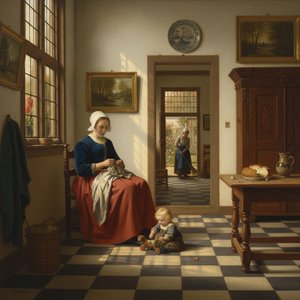
Pieter de Hooch: Illuminating Dutch Domestic Life & Golden Age Charm
Explore the captivating world of Pieter de Hooch, a master of Dutch Golden Age painting. Discover his innovative use of light, intimate domestic scenes, and lasting influence on art history. Learn more at OriginalUniqueArt.

Masterpieces of the Dutch Golden Age: How a Global Market Revolutionized Art History
Explore the profound impact of the Dutch Golden Age. Discover how a global trade revolution transformed art history through breathtaking realism, masterful light, and the elevation of everyday life into timeless masterpieces for the modern collector.

Olandijos Aukso Amžius: 10 Šedevrų, Apibrėžiančių Meną ir Stilių
Atraskite Olandijos Aukso Amži\u017us meninius šedevrus! 10 legendin\u017iŴ paveikslžiai – Rembrandto, Vermeerio ir kt. darbai. Sužnkitę j\u016ungo namus aukso amži\u017us grožiu! Āukrai, interjero dizainas – viskas OriginalUniqueArt.com. Ižirkite kolekciją internete!

Mastering Light & Shadow: A Journey Through the Dutch Golden Age's Luminous Legacy
Embark on a cultural journey through the Dutch Golden Age. Explore the masterful interplay of light and shadow in 17th-century masterpieces, from Rembrandt to Vermeer, and discover how this era of profound realism continues to inspire fine art collectors today.
