Baroque
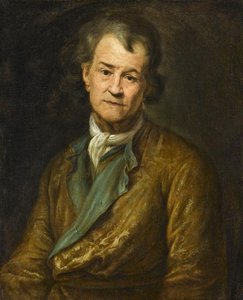
Self portrait Marble (Pjeras Pugetas)
Pjeras Pugetas (1620–1694) sukūrė Self portrait Marble. Šis kūrinys priklauso Baroque kieruliui. Pagaminta naudojant Stone.
- Stone

 Rankinio darbo aliejinės imitacijos paveikslas
 Pasidalinti
 Dalintis
 Informacinė lLapelė


 Atsisiųsti
 Panašūs eksponatai
 Automatinė diorama
 Klausimai ir atsakymai

 Statistika
Self portrait Marble, trumpai
- Pavadinimas
- Self portrait Marble
- Autorius
- Pjeras Pugetas (1620–1694)
- Autorius gimęs
- Marselis, Prancūzija
- Technika
- Stone
- Judėjimas
- Baroque
- Laikotarpis
- Early Modern
- Tema
- portrait, sculpture, elderly, marble, baroque, classicism
Ką vaizduoja Self portrait Marble?
Identification of the Self portrait Marble
The Self portrait Marble by Pierre Puget presents a quiet confrontation with the passage of time. This work is a photographic reproduction of a sculpted portrait, capturing the likeness of an older man in the stillness of stone. The subject is a bust, focusing on the head and shoulders to anchor the viewer in a singular, unmoving gaze.
In this representation, the artist Pierre Puget turns the chisel toward his own changing features. The sculpture acts as a vessel for human aging and experience, recording the weight of years through the physical presence of the subject. It is a portrait of a man, stripped of movement, existing only in the permanence of his own likeness.
The image holds a steady, frontal view. It captures a moment of stillness that feels heavy and fixed. The stone carries the memory of the face it once held.
Visual Composition and Subject Matter
The composition centers on the head and shoulders of an elderly man, captured in a black and white bust. A simple frontal view meets the eye, stripped of unnecessary distraction. The perspective remains direct, focusing entirely on the subject's presence. Because of the photographic nature of the image, the depth remains limited, pulling the viewer into a shallow space where only the immediate form exists.
Lines define the topography of the face, tracing the paths of wrinkles and the individual strands of hair. These contours map the history of a life through the texture of the skin. Organic shapes dominate the work, following the natural, soft curves of the human head and its features. The light settles into the hollows, emphasizing the physical reality of the subject.
A shallow depth of field isolates the man, blurring the world beyond his immediate silhouette. This focus sharpens the details of the face, making the texture of the sculpture feel tangible. The subject remains still, a quiet study of aging and the weight of experience. The stone holds a steady, silent gaze.
Technique and Material Properties
The original work is a classical sculpture carved from stone, likely marble. This heavy, pale medium captures the weight of the subject's features. The surface is not smooth; instead, the texture appears rough and uneven. Shading and modeling techniques emphasize this tactile quality, pulling light across the ridges of the face and the deep recesses of the hair. Every line is a physical groove in the stone.
This image is a photographic reproduction of that sculpted form. The lens translates the three-dimensional carving into a two-dimensional plane of light and shadow. The technique relies on the interplay of dark and light to define the contours of the head and shoulders. It is a study of how light meets a hard, unyielding surface. The result is a sense of solemnity. The stone holds its stillness.
Self portrait Marble dididraudžios kokybės vaizdai
Viešoji domenė: suregalis mirė 1694 m.
Pjeras Pugetas, Self portrait Marble. Viešoji domenė
Atsakimai į klausimus apie Self portrait Marble
Kokia technika sukurta „Self portrait Marble“ – Pjeras Pugetas?
„Self portrait Marble“ – Pjeras Pugetas technika – Stone. Kopijos siekia atkartoti šios technikos vaizdą.
Kas yra „Self portrait Marble“?
Darbos „Self portrait Marble“ temos yra portrait, sculpture, elderly, marble, baroque, classicism, time, memory.
Ar „Self portrait Marble“ yra viešosios teisės kūrinys?
Autorių teisių statusas kūriniui „Self portrait Marble“ – Pjeras Pugetas: kūrinys priklauso yra viešosios erdvės dalis – jo autorinė teisė pasibaigusi. Tai nulemia, ar galima laisvai reprodukciuoti šį vaizdą.
Kas yra „Self portrait Marble“ kūrybos autorius?
„Self portrait Marble“ priskiriamas Pjeras Pugetas.
Kokiam meno stiliui priklauso „Self portrait Marble“ – Pjeras Pugetas?
Kūrinio „Self portrait Marble“ – Pjeras Pugetas stilius – Baroque. Ši klasifikacija leidžia šį darbą įtraukti į bendrą susijusių menininkų ir kūrinių kontekstą.
Kokio Pjeras Pugetas kūrybos etapo dalis yra „Self portrait Marble“?
„Self portrait Marble“ priklauso Pjeras Pugetas kūrybos karjeros Mature Period etapui. Ši klasifikacija atspindi kūrinio ryšį su menininko evoliucija.
Kokia yra autorinės teisės situacijos priežastis kūriniam darbui „Self portrait Marble“ – Pjeras Pugetas?
„Self portrait Marble“ – Pjeras Pugetas yra yra viešosios erdvės dalis – jo autorinė teisė pasibaigusi. Autorinės teisės galioja nuo mirties metų, kai šis kūrėjas mirė 1694 m.
Kokią vietą Pjeras Pugetas kūrybos ešėlyje užima „Self portrait Marble“?
Pjeras Pugetas kūryboje „Self portrait Marble“ atlieka Baroque stilių, susijęs su classical ideals, roman influence, baroque drama, emotional depth, portraiture tradition, realism, ageing, mortality temomis.
Kokią vietą Pjeras Pugetas pasikartojančių temų tarėje užima „Self portrait Marble“?
„Self portrait Marble“ vaizduoja portrait, sculpture, elderly, marble, baroque, classicism, time, memory, o įrašytos Pjeras Pugetas temos yra classical ideals, roman influence, baroque drama, emotional depth, portraiture tradition, realism, ageing, mortality. Šių dviejų lyginimas parodo, kaip šis kūrinys susijęs su įprastais šio kūrybinio veiksmo objektais.
Apie menininką Pjeras Pugetas
1620–1694, Prancūzija
Pjeras Pugetas
Pierre Puget: GyvenimasLYSIŲ ir inžinerijos surinkime Gimė: Marselys, Prancūzija (1620 m.) Mirė: 1694 m. Pradinis gyvenimas ir Italijos įtampų paveikimas Mokslininko pradžia: Pugetas savo karjerą pradėjo ketvirt عشرmetėje, drožydamas ornamentus Marselyje konstruojamoms galėms. Ši ankstyva susidarymo su meistriškumu patirtis padėjo pagrindus jo vėlesniems meniniams siekiams. Kelionė į Italiją (1640 m.): Ieškodamas naujų galimybiats, jis išvyko į Italiją, pirmiausia į Livorno, o vėliau į Florenciją.
Taip pat Pjeras Pugetas darbai
 Didžiojo Aleksandro ir Diogeno susitikimas1671
 Krotonas Milo1671
 The Meeting of Alexander the Great and Diogenes1671
 Self-portrait1668
Esdai apie Self portrait Marble
 Eternal Stone: The History, Artistry, and Mastery of Marble SculptureExplore the profound history and technical mastery of marble sculpture. From Ancient Greek perfection to Baroque drama, discover how master…
 Masterpieces of Hans Baldung Grien: The Top 25 Essential ArtworksExplore 25 iconic works by Hans Baldung Grien. Discover German Renaissance masterpieces on OriginalUniqueArt.com.
 Pierre Puget: 25 Dynamic Sculptures and Paintings of the French Baroque EraExplore 25 iconic Pierre Puget works from the French Baroque. Discover museum-quality art and curated ideas on OriginalUniqueArt.com.