Post-Impressionism · 1925
The Windows (Pierre Bonnard, 1925)
Pierre Bonnard (1867–1947) sukūrė The Windows. Šis kūrinys datuojamas 1925 m. Šis kūrinys priklauso Post-Impressionism kieruliui. Pagaminta naudojant Oil On Canvas.
- 1925
- Oil On Canvas

 Peržiūrėti

 Rankinio darbo aliejinės imitacijos paveikslas
 Pasidalinti
 Dalintis
 Informacinė lLapelė


 Atsisiųsti
 Panašūs eksponatai
 Rentgeno spindulių nuotrauka
 Automatinė diorama
 Klausimai ir atsakymai

 Statistika
The Windows, trumpai
- Pavadinimas
- The Windows
- Autorius
- Pierre Bonnard (1867–1947)
- Autorius gimęs
- Fontenay-aux-Roses, Prancūzija
- Data
- 1925
- Technika
- Oil On Canvas
- Judėjimas
- Post-Impressionism
- Laikotarpis
- 19th Century
- Tema
- mediterranean view, interior landscape, window composition, post-impressionism art, light and shadow, domestic scene
Ką vaizduoja The Windows?
A Window on Memory: Pierre Bonnard’s ‘The Windows’
Pierre Bonnard's “The Windows,” painted in 1925, is more than just a still life; it’s an intimate meditation on light, memory, and the quiet beauty of domesticity. The artwork immediately draws the viewer into a warmly lit interior space, a room imbued with a palpable sense of tranquility. Through the open window, a vibrant Mediterranean town unfolds – a distant echo of warmth and color that subtly shapes the mood of the scene. Bonnard’s masterful use of perspective creates a layered composition, guiding our eye from the tangible objects within the room—a book titled ‘Marie,’ a paintbrush, an inkwell—to the expansive vista beyond, blurring the boundaries between the personal and the universal.
- Post-Impressionist Vision: “The Windows” firmly establishes Bonnard’s place within the Post-Impressionist movement. Influenced heavily by Paul Gauguin's bold color palettes and flattened perspective, Bonnard rejects strict realism in favor of a subjective interpretation of reality. The visible brushstrokes, applied with a confident hand, contribute to a richly textured surface that invites close inspection.
- Technique & Materials: Executed in oil paints on canvas, the artwork showcases Bonnard’s signature impasto technique – thick layers of paint built up to create a tactile and luminous effect. This is particularly evident in the window frame and the book cover, where the paint seems to shimmer with reflected light.
- Color as Emotion: Bonnard's color choices are deliberately emotive, eschewing naturalistic representation for hues that evoke specific feelings. The warm yellows, oranges, and reds of the interior contrast dramatically with the cooler blues and greens of the distant landscape, creating a dynamic visual tension.
Decoding the Symbolism
Beyond its technical brilliance, “The Windows” is rich in symbolic potential. The inclusion of ‘Marie,’ a book bearing this name, has been interpreted as representing love or memory – perhaps a cherished recollection brought to life through the artist’s gaze. The window itself acts as a portal, not just to a physical location but also to a realm of contemplation and introspection. The simplified shapes and organic forms throughout the composition suggest a desire to capture the essence of things rather than their precise details, aligning with Bonnard's broader artistic philosophy.
- The Mediterranean Landscape: The distant town, rendered in atmospheric perspective – paler colors and less detail for objects further away – symbolizes escape, longing, or perhaps a nostalgic yearning for the sun-drenched landscapes of Southern France, where Bonnard spent much of his life.
- Domestic Objects as Vessels of Memory: The carefully arranged objects within the room—the book, paintbrush, inkwell—are not merely props; they are imbued with personal significance, suggesting a connection to Bonnard’s own experiences and emotions.
Historical Context & Artistic Legacy
Painted in 1925, “The Windows” reflects the evolving artistic landscape of early 20th-century France. Bonnard was working at a pivotal moment, navigating between the traditions of Impressionism and the radical experimentation of Cubism and other avant-garde movements. His work, though rooted in observation, is profoundly subjective, prioritizing emotional resonance over objective representation. This approach anticipated many of the developments that would shape modern art.
Artist Information: Pierre Bonnard (1867-1947) was a prominent figure in the Post-Impressionist movement, renowned for his evocative depictions of domestic interiors and landscapes. His distinctive style, characterized by bold color choices, loose brushwork, and a focus on capturing light and atmosphere, continues to captivate audiences today.The Windows dididraudžios kokybės vaizdai

Viešoji domenė: suregalis mirė 1947 m.
Kiti dydžiai, iškarai ir citavimo informacija →Pierre Bonnard, The Windows (1925). Viešoji domenė
Atsakimai į klausimus apie The Windows
Kokia yra „The Windows“ – Pierre Bonnard kūrybos data?
„The Windows“ sukurta 1925 m. Ši data leidžia įvardyti kūrinį Pierre Bonnard kūrybinėje karjeroje bei jo epochoje.
Kokia technika sukurta „The Windows“ – Pierre Bonnard?
Pierre Bonnard kūriniui „The Windows“ panaudojo Oil On Canvas techniką. Ši technika apibrėžė originalaus kūrinio medžiaginę prigimtį.
Ką vaizduoja „The Windows“ – Pierre Bonnard?
„The Windows“ – Pierre Bonnard temos apima mediterranean view, interior landscape, window composition, post-impressionism art, light and shadow, domestic scene, color palette study. Kartu jie apibendrina šio kūrinio tematiką.
Ar „The Windows“ yra viešosios teisės kūrinys?
„The Windows“ – Pierre Bonnard yra yra viešosios erdvės dalis – jo autorinė teisė pasibaigusi. Šis statusas nustato, kaip galima reprodukcijaus šio kūrinio vaizdą.
Kuriam menininkui priskiriamas kūrinys „The Windows“?
„The Windows“ kūrybinį darbą sukūrė Pierre Bonnard. Šioje puslapio informacijoje aprašomas Pierre Bonnard originalus kūrinys.
Kokiam meno stiliui priklauso „The Windows“ – Pierre Bonnard?
Kūrinio „The Windows“ – Pierre Bonnard stilius – Post-Impressionism. Ši klasifikacija leidžia šį darbą įtraukti į bendrą susijusių menininkų ir kūrinių kontekstą.
Kokį Pierre Bonnard kūrybos etapą atspindi „The Windows“?
„The Windows“ priklauso Pierre Bonnard kūrybos karjeros Mature Period etapui. Ši klasifikacija atspindi kūrinio ryšį su menininko evoliucija.
Kiek metų buvo Pierre Bonnard, kai sukūrė „The Windows“ 1925 m.?
Pierre Bonnard kūrė „The Windows“ būdamas 58 metų amžiaus. Jis/ji gimė 1867, o darbas datuotas 1925 m.
Kokia yra autorinės teisės situacijos priežastis kūriniam darbui „The Windows“ – Pierre Bonnard?
„The Windows“, kurį sukūrė Pierre Bonnard, yra yra viešosios erdvės dalis – jo autorinė teisė pasibaigusi. Autorinės teisės apsaugos terminai skaičiuojami nuo autoriaus mirties, o Pierre Bonnard mirė 1947 m.
Apie menininką Pierre Bonnard
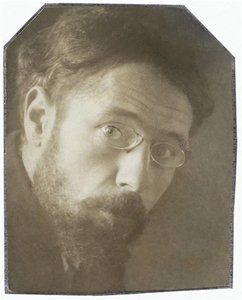
1867–1947, Prancūzija
Pierre Bonnard
Šviesos Pamirštas Pasaulis: Pierre’o Bonnardo Žygytis Pierre’as Bonnardas, gimęs 1867 metais Paryžiaus priemiestyje Fontenė prie Rozo, nebuvo skirtas meniško gyvenimo. Jo tėvas, aukšto rango Karo ministerijos pareigūnas, sūnui numatė teisės karjerą. Jaunas Pierre atkakliai sekė teisininkų kelią, 1888 metais įgijęs licenciją, tačiau jo širdis ilgosi kažko kito – spalvų ir formų viliojančio pasaulio. Ši dvejopumas, tarp lūkesčių ir aistros susidūrimas, subtiliai paveikė jo meninę kelionę, suteikdamas darbams unikalų jintymą.
Taip pat Pierre Bonnard darbai
 Nulio vaizdas1920
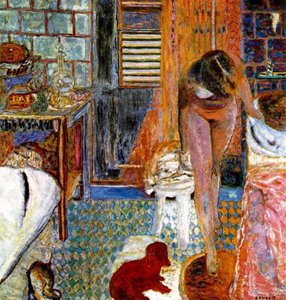 La toilette, ca Private1932
 The almond tree in blossom
 Le placard rouge (The Red Cupboard),1939

Esdai apie The Windows
 Impresionizmo Šedevrai: 10 Paveikslų, Apibrėžusių Meninę Era | OriginalUniqueArt.comAtraskite 10 įspūdingiausių impresionizmo šedevrų! Claude Monet, Degas, Renoir ir kiti – meno istorijos perlas. Aliejiniai paveikslai jūsų …
 Capturing Emotion: The Enchanting World of Romantic Illustration and the Art of Visual PoeticsExplore the evocative beauty of Romantic illustration. From Art Nouveau to Victorian classics, discover how master illustrators capture pro…
 Chasing the Sun: The Ethereal Magic of Window Light in Impressionist MasterpiecesDiscover the ethereal beauty of window light in Impressionist masterpieces. Explore a visual journey through Monet, Bonnard, and Van Gogh, …