Perjungti į spausdinamus版作品
 Skaityti daugiau







































 Dėl meno kūrinių ar reprodukcijų, kurių bet kuri pusė yra didesnė nei 105 cm (apie 41 inch), rėmas bus siunčiamas kaip išskaidytas surinkimo rinkinys. Šis metodas užtikrina saugų pristatymą ir apsaugo nuo transportavimo metu galimos žalos.


A Masterpiece of Mathematical Grace
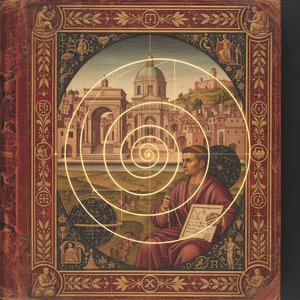
In the quiet corridors of the Galleria Nazionale delle Marche in Urbino, there exists a window into the soul of the Early Renaissance. Piero della Francesca’s The Flagellation is not merely a painting; it is a profound meditation on order, light, and the divine geometry that governs our universe. Created around 1455, this work stands as a monumental achievement in the history of Western art, capturing a moment of profound biblical suffering through a lens of serene, almost otherworldly, stillness. To gaze upon this masterpiece is to witness the birth of a new way of seeing—one where the raw emotion of the human experience is balanced by the rigorous, rational beauty of linear perspective.
The composition is a marvel of architectural precision. Piero, a master who was as much a mathematician as he was a painter, utilizes a single vanishing point to draw the viewer into a complex, multi-layered space. The scene is split with surgical elegance: in the middle distance, the biblical event of Christ's flagellation unfolds within a classical, sun-drenched loggia, while the foreground presents a group of figures whose identities remain shrouded in historical mystery. This deliberate separation creates a tension between the sacred tragedy occurring in the background and the seemingly indifferent, or perhaps contemplative, presence of the men in the foreground. It is this very duality—the intersection of the eternal and the temporal—that gives the work its haunting, enigmatic power.
Symbolism and the Renaissance Spirit
Beyond its technical brilliance, The Flagellation serves as a complex tapestry of political and religious allegory. Scholars have long debated the true intent behind the figures in their vibrant, costly attire. The central figure, draped in rich crimson robes that command the eye, evokes the authority of the Byzantine Empire, suggesting a deeper connection to the shifting political tides of 15th-century Italy. Many believe the painting was an ambitious plea for the reunification of the Eastern and Western Churches, a sentiment echoed by the meticulous architectural details that reflect the humanist ideals of the era. Every column, every shadow, and every fold of fabric is imbued with meaning, inviting the observer to peel back layers of historical significance.
For the discerning collector or interior designer, this artwork offers more than just visual splendor; it provides a focal point of intellectual depth. The painting’s palette—a sophisticated harmony of warm ochres, deep reds, and cool, architectural greys—possesses a timeless quality that integrates seamlessly into both classical and contemporary settings. It is a piece that demands attention not through loudness, but through a quiet, commanding presence. Whether displayed in a grand library or a modern gallery space, a high-quality reproduction of this work brings with it the weight of history and the enduring elegance of the Quattrocento.
An Invitation to Timeless Beauty
Owning a piece of such profound historical importance is an opportunity to surround oneself with the very essence of humanistic achievement. The meticulous detail found in Piero’s brushwork—the way light catches the edge of a marble pillar or the subtle texture of a silken garment—is captured with breathtaking fidelity in exceptional hand-painted reproductions. These works allow the spirit of the Renaissance to inhabit modern homes, offering a sense of stability, wisdom, and aesthetic perfection. To bring The Flagellation into your collection is to embrace a legacy of beauty that has captivated the world for over five centuries, ensuring that the dialogue between art, math, and humanity continues in your own private sanctuary.
Klausimai ir atsakymai
Kokia yra „The Flagellation (detail)“ – Pjero Dela Frančeska kūrybos data ir stilius?
„The Flagellation (detail)“ sukurta 1455 metais, priklausant į Early Renaissance kryptį. Data ir stilius įtvirtina šį kūrinį laiko eje.
Kaip kūrinys „The Flagellation (detail)“ dera su Pjero Dela Frančeska temomis ir stiliumi?
„The Flagellation (detail)“ priklauso Pjero Dela Frančeska Early Renaissance kūrybai, kurios įrašytoms temoms priskiriamas classical geometry & spatial illusion, humanist values & moral reflection, political allegory - byzantine influence, religious narrative - flagellation event, san francesco cycle - pioneering fresco technique, piero's legacy - renaissance masterpiece.
Ar „The Flagellation (detail)“ – Pjero Dela Frančeska priklauso labiausiai siekiamų Early Renaissance kūrybos veikalų?
Kataloge kūrinys „The Flagellation (detail)“ vertinamas kaip Iconic tarp Early Renaissance stiliaus darbų.
Daugiau informacijos apie šį paveikslą
 Peržiūrėti realaus dydžio版
 Pasidalinti
 Dalintis
 Išsamiau
 Vadovas

 Atsisiųsti
 Panašūs eksponatai
 Rentgeno spindulių nuotrauka
 Automatinė diorama
 问答
问答 Statistika