- Pradžia

- Ežero tapybos reprodukcija
- Phyllida Barlow
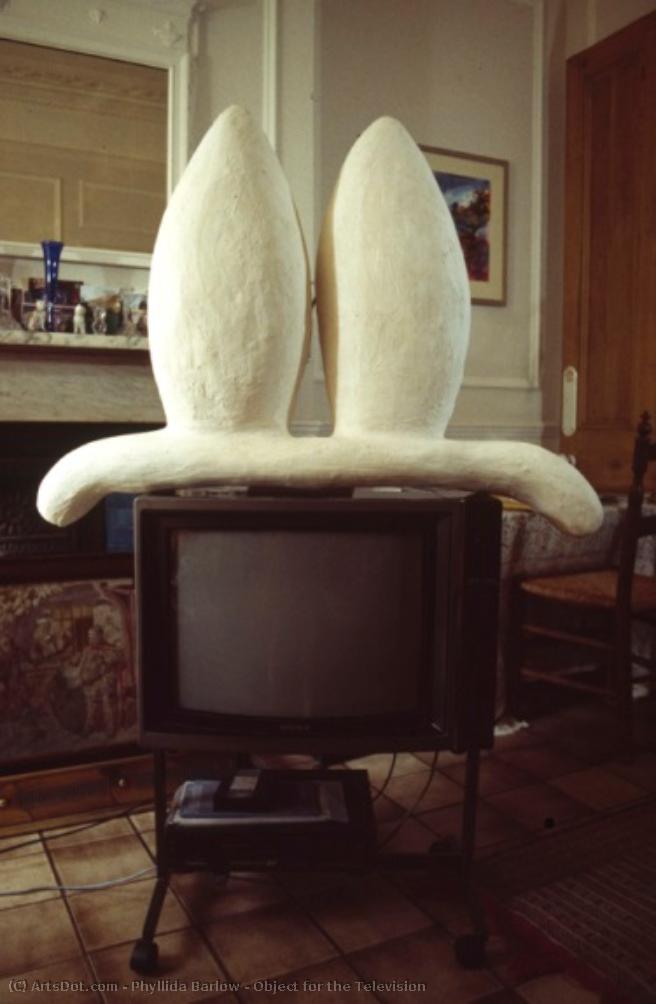
- Object for the Television
 Preview
 Pirkti atspaudą Pirkti skaitmeninį paveikslą
 Pasidalinti
 Dalintis
 Išsamiau
 Pridėti į mėgstamiausius

 Atsisiųsti
 Panašūs eksponatai
 Rentgeno nuotrauka
 Automatinė diorama
Object for the Television


 Skaityti daugiau
Rankų darbo aliejinės reprodukcijos
Rankiniu būdu tapytas aliejus ant droblio jūsų pageidaujamame dydį ir rėmuose – mūsų menininkų darbas pagal užsakymą.




































Pasirinkite iš mūsų nustatytų dydžių, atitinkančių originalaus meno kūrinio proporcijas.

Galite įvesti savo matmenis, kad jie atitiktų konkretų rėmą ar erdvę. Jei pasirinktas dydis neatitinka originalaus paveikslėlio proporcijų, mes arba apkropsime meno kūrinį, arba papildysime tapybą rankomis dažytい elementais. Prieš pradėdami gamybą, jūsų patvirtinimui atsiųsime skaitmeninį maketą.
Atkreipkite dėmesį, kad ekrane rodomas vaizdas neatspindi tikrojo apkarpymo ar papildymo. Tik maketas tiksliai parodys galutinę kompoziciją.
Nors galima rinktis ir individualius dydžius, rekomenduojame pasirinkti matmenis iš nustatytos sąrašo, kad būtų išlaikytos originalios proporcijos.
Gavus užsakymą, OriginalUniqueArt.com komanda susisieks su klientu el. paštu dėl instrukcijų ir pateiks maketo pavyzdį.
Pristatymas visame pasaulyje () per 3–4 savaites, o ne įprastai – per 5 savaites. (24 liepa). Kokybė lieka nepakeičiama.

Nemokamas greitasis pristatymas visame pasaulyje

Aukštos kokybės lininis drobė

Pilnas siuntimo draudimas

Muitinės mokesčių grąžinimo garantija

Tikro spalvų atitikimo garantija

60 dienų grąžinimo politika (tik esant gamyklinėms defektams)

100% pinigų grąžinimo garantija

Nuolaida už kelias reprodukcijas
 Stiklo variantas prieinamas tik pasirinkus dydį iki 110 cm

Object for the Television
Reprodukcijos technika
Reprodukcijos matmenys
-


Galutinė kaina
-
Autoriaus biografija
Phyllida Barlow: A Colossal Presence in Sculpture
Phyllida Barlow (1944-2023), a British visual artist, carved an extraordinary path through the world of sculpture and installation art, leaving behind a legacy of monumental, playful, and profoundly engaging works. Born in Newcastle upon Tyne and raised amidst the post-war landscape of London, her artistic journey was shaped by both personal experiences – including childhood memories of bomb damage – and a deep engagement with the evolving practices of contemporary art. Barlow’s career spanned over six decades, marked by a consistent exploration of materiality, scale, and the relationship between the artwork and its environment. She wasn't simply creating objects; she was constructing immersive experiences that challenged viewers to reconsider their perceptions of space, form, and meaning.Early Life and Artistic Training
Phyllida Barlow’s artistic development began at Chelsea College of Art in 1960, where she studied under George Fullard, a pivotal figure who instilled in her a belief that the act of making itself was an adventure. This early influence encouraged a playful approach to sculpture, rejecting traditional notions and embracing experimentation with unconventional materials. She continued her studies at the Slade School of Fine Art from 1963 to 1966, further honing her skills and developing her distinctive style. Her marriage to Fabian Benedict Peake, the son of renowned author Mervyn Peake, provided a supportive creative partnership, and their family life nurtured a vibrant artistic environment. Barlow’s time at the Slade was not just about technical proficiency; it was a period of intellectual growth, shaping her understanding of art's potential to disrupt and provoke. She later became a respected teacher at the Slade for over forty years, mentoring generations of artists including Rachel Whiteread and Ángela de la Cruz, leaving an indelible mark on the British art scene.A Distinctive Material Language
What truly set Barlow’s work apart was her masterful manipulation of materials. Rather than relying on precious metals or polished stone, she embraced a vocabulary of inexpensive, readily available elements – cardboard, plywood, plaster, cement, fabric, and paint. These humble materials were transformed through layers of accumulation, removal, and juxtaposition, creating forms that seemed to defy gravity and logic. Her sculptures often appeared simultaneously heavy and light, imposing yet strangely delicate. This deliberate choice of materials wasn’t simply a stylistic decision; it was a conscious rejection of monumentality and an embrace of the inherent qualities of each substance. Barlow herself described her process as “more functional than artistic,” highlighting her focus on the physical act of creation and the exploration of material potential.Major Achievements and Recognition
Phyllida Barlow’s influence extended far beyond the British art world. In 2017, she represented Great Britain at the Venice Biennale, a prestigious international exhibition that brought her work to a global audience. Her monumental installation for the event, “The Place Where We Met,” was particularly notable for its scale and its ability to transform the viewer’s experience of the gallery space. Throughout her career, Barlow received numerous awards and accolades, including the Aachen Art Prize in 2012 and recognition as a Royal Academician in 2011. Her work has been exhibited extensively in major museums and galleries around the world, solidifying her position as one of the most important sculptors of her generation. Her later years were marked by continued creative output and a commitment to pushing the boundaries of sculptural practice.Legacy and Influence
Phyllida Barlow’s legacy is complex and multifaceted. She challenged conventional notions of sculpture, moving away from traditional representations and embracing abstraction, process, and the inherent qualities of her chosen materials. Her work invites viewers to engage with it on a physical and emotional level, prompting reflection on themes of space, materiality, and the nature of art itself. Her anti-monumental approach—leaving seams visible, revealing the construction process—demanded that viewers consider not just the finished object but also the act of making. Barlow’s influence can be seen in the work of countless artists who followed in her footsteps, demonstrating the enduring power of her vision and her profound contribution to contemporary art. Her passing in 2023 marked the loss of a truly unique artistic voice, but her monumental sculptures will continue to inspire and challenge audiences for generations to come.
Phyllida Barlow
1944 - 2023 , United Kingdom
Trumpa informacija
- Artistic Movement Or Style: Sculpture, Installation art
- Artists Or Movements Influenced By This Artist: ['New Generation Sculpture']
- Artists Who Influenced This Artist: ['George Fullard']
- Date Of Birth: April 4, 1944
- Date Of Death: March 12, 2023
- Full Name: Dame Gillian Phyllida Barlow
- Nationality: British
- Notable Artworks:
- untitled: female
- Object for the Television
- Place Of Birth: Newcastle upon Tyne, UK

