Meniu
NEMOKAMA MENO KONSULTACIJA
Peržiūrėti realybėjePeržiūrėti realybėje Peržiūrėti ARPeržiūrėti AR Pirkti spaudinį Pirkti spaudinįPirkti vaizdą Pirkti vaizdą PasidalintiPasidalinti
IšsamiauIšsamiau Pridėti į mėgstamiausius Pridėti į mėgstamiausius AtsisiųstiAtsisiųsti Panašūs eksponataiPanašūs eksponatai Rentgeno nuotraukaRentgeno nuotrauka Automatinė dioramaAutomatinė diorama

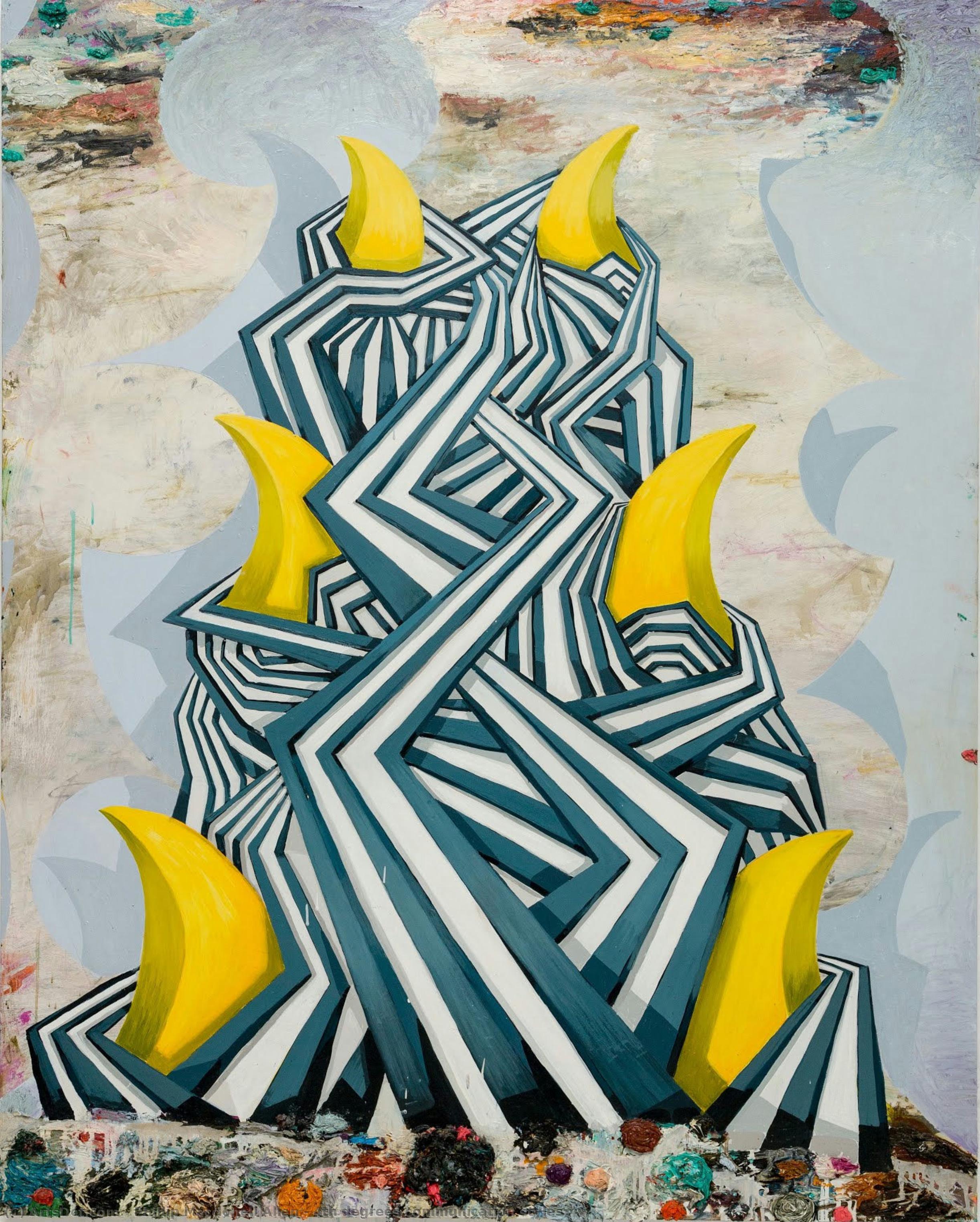
4th degrees communication styles

A vibrant zigzagging mountain landscape with kaleidoscopic blue and yellow tones defines this dreamlike abstract work by Phillip Macdonell Allen, inviting you to explore the profound depth of his unique painterly vision.

Explore the evocative works of Phillip Macdonell Allen – a OriginalUniqueArt artist known for dreamlike landscapes & symbolic imagery. Discover his unique vision.

Rankų darbo aliejinės reprodukcijos

Rankiniu būdu tapytas aliejus ant droblio jūsų pageidaujamame dydį ir rėmuose – mūsų menininkų darbas pagal užsakymą. (Pirkti spaudinį Pirkti spaudinįPirkti vaizdą Pirkti vaizdą)

Standartinis dydis
individualiame dydį
CM
INCH

Pasirinkite iš mūsų nustatytų dydžių, atitinkančių originalaus meno kūrinio proporcijas.

plotis
aukštis

Galite įvesti savo matmenis, kad jie atitiktų konkretų rėmą ar erdvę. Jei pasirinktas dydis neatitinka originalaus paveikslėlio proporcijų, mes arba apkropsime meno kūrinį, arba papildysime tapybą rankomis dažytい elementais. Prieš pradėdami gamybą, jūsų patvirtinimui atsiųsime skaitmeninį maketą.
Atkreipkite dėmesį, kad ekrane rodomas vaizdas neatspindi tikrojo apkarpymo ar papildymo. Tik maketas tiksliai parodys galutinę kompoziciją.
Nors galima rinktis ir individualius dydžius, rekomenduojame pasirinkti matmenis iš nustatytos sąrašo, kad būtų išlaikytos originalios proporcijos.

Ką galima pakeisti (pavyzdžiai): Pakeisti veidą į kliento nuotrauką; Pridėti augintinį (pvz., pakeisti katę šunimi); Įtraukti paslėptą žinutę fone; Pakeisti fono kraštovaizdį ar elementus.
Gavus užsakymą, OriginalUniqueArt.com komanda susisieks su klientu el. paštu dėl instrukcijų ir pateiks maketo pavyzdį.

Pristatymas visame pasaulyje () per 3–4 savaites, o ne įprastai – per 5 savaites. (28 rugpjūtis). Kokybė lieka nepakeičiama.

why_choose_icon
Nemokamas greitasis pristatymas visame pasaulyje
why_choose_icon
Aukštos kokybės lininis drobė
why_choose_icon
Pilnas siuntimo draudimas
why_choose_icon
Muitinės mokesčių grąžinimo garantija
why_choose_icon
Tikro spalvų atitikimo garantija
why_choose_icon
60 dienų grąžinimo politika (tik esant gamyklinėms defektams)
why_choose_icon
100% pinigų grąžinimo garantija
why_choose_icon
Nuolaida už kelias reprodukcijas

Visų darbų kaina

$ 300

reproduction

4th degrees communication styles

Reprodukcijos technika

Reprodukcijos matmenys

-

Galutinė kaina

$ 300

Trumpos informacija

  • Title: 4th degrees communication styles
  • Medium: Oil on board
  • Artist: Phillip Macdonell Allen
  • Dimensions: 153 x 121 cm
  • Subject or theme: Mountainous landscape and symbolic motifs
  • Influences: Baptistery of San Giovanni mosaic ceiling

A Dreamscape of Color and Form

In the mesmerizing realm of Phillip Macdonell Allen, the boundaries between reality and the subconscious begin to dissolve. His masterpiece, 4th degrees communication styles, serves as a profound gateway into a world where geometry meets hallucination. At first glance, the viewer is greeted by a vibrant, mountainous landscape that pulses with an electric energy. A striking zigzag pattern climbs across the central peak like a celestial staircase, guiding the eye upward through a rhythmic dance of deep blues and radiant yellows. This interplay of color does more than just decorate the canvas; it creates a sense of movement, as if the very earth is breathing and shifting beneath the gaze of the scattered yellow birds that drift through the scene like fragments of sunlight.

The composition possesses a surrealist charm, blending recognizable motifs with an otherworldly logic. A solitary clock rests on the left periphery, while a chair sits quietly near the center, grounding the abstract peaks in a strangely domestic, yet dreamlike, reality. These elements invite the viewer to contemplate the passage of time and the stillness of thought within a vast, kaleidoscopic universe. For the collector or interior designer, this piece offers a captivating focal point that commands attention through its unique visual vocabulary, making it an ideal centerpiece for spaces that value intellectual depth and avant-garde aesthetics.

The Alchemy of Texture and Technique

What truly distinguishes Allen’s work is his masterful command over the physical properties of paint. The technique employed in 4th degrees communication styles transcends traditional flat imagery through a sophisticated use of impasto. Allen often applies thick, sculptural globules of paint to the borders of his works, creating a three-dimensional frame that defies the conventional limits of the canvas. This tactile border acts as a visceral skin, a threshold between the external world of the viewer and the internal, hallucinatory dreamscape contained within the painting. It creates an illusion of perspective where the art seems to simultaneously expand outward into the room and encroach upon the viewer’s personal space.

This heavy, textured approach is balanced by incredibly lucid and delicate brushstrokes within the central imagery. The artist utilizes the graphic properties of oil on board to create a paradox between the raw process of painting and the refined representation of form. This tension between the "waste" of thick, messy paint and the "beauty" of the resulting image is the heartbeat of his style. For those seeking a high-quality reproduction, capturing this specific interplay of light and heavy texture is essential to preserving the emotional weight and the physical presence that Allen’s original works possess.

Historical Echoes and Symbolic Resonance

While the imagery feels contemporary and even psychedelic, it is deeply rooted in historical reverence. The visual language of 4th degrees communication styles draws direct inspiration from the magnificent mosaic ceilings of the Baptistery of San Giovanni in Florence. This connection to Renaissance splendor imbues the abstract forms with a sense of sacred geometry and timelessness. The way the light seems to dance across the blue and yellow pigments mirrors the shimmering effect of ancient gold-ground mosaics, bridging the gap between modern abstraction and classical artistry.

Ultimately, Allen’s work is an exploration of communication—not just between people, but between the seen and the unseen. The painting functions as a visual dialogue between memory, history, and the immediate sensory experience. It is a piece that does not merely sit on a wall; it inhabits a room, offering a window into a meticulously constructed universe of color and light. Whether placed in a sophisticated gallery setting or a curated residential collection, this artwork promises to inspire profound contemplation and provide a lasting sense of wonder.


Autoriaus biografija

Phillip Macdonell Allen: A Painter Suspended Between Beauty and Waste

Phillip Macdonell Allen, born in New York City in 1967, is a contemporary painter whose work occupies a fascinating space between the visceral energy of Abstract Expressionism and a deeply considered engagement with materiality. His canvases are not merely surfaces to be covered with color; they’re layered environments, imbued with a sense of both urgency and quiet contemplation. Allen's trajectory has been shaped by a lineage rooted in artistic legacy – his father, a gifted artist influenced by Hans Hoffman and the first generation of Abstract Expressionists, instilled within him a profound respect for tradition while simultaneously encouraging an exploration of diverse stylistic approaches. This dual inheritance—a grounding in historical painting alongside a willingness to experiment—forms the bedrock of Allen’s distinctive visual language.

Early influences extended beyond his father's artistic sphere, encompassing the grandeur and luminosity of 16th-century Venetian masters like Veronese. Allen was captivated by their ability to create a sense of boundless space and solidity simultaneously, a feat he strives to achieve in his own work. He sought to emulate this mastery, not through direct imitation, but through an absorption of techniques and a desire to capture the same emotional weight—a pursuit that led him to meticulously study materials and methods employed by these Renaissance giants. This fascination with the past isn’t merely academic; it informs a present-day practice deeply invested in the physicality of paint itself.

  • Formal Training: Allen's formal education included studies at the Art Students League, where he honed his skills under the guidance of Will Barnett and Theodoros Stamos, and later at The New York Studio School with Mercedes Matter. These formative experiences provided him with a rigorous foundation in drawing, painting, and materials handling.
  • Academic Pursuits: He furthered his artistic development by teaching painting and materials usage techniques at Parsons School of Design and serving as a faculty member at The School of the Boston Museum of Fine Arts.
  • Recognition & Awards: Allen’s dedication to his craft has been acknowledged through various prestigious awards, including an NEA grant, a New York State Council on the Arts Award (under its CAPS program), a Tiffany Foundation Award, and an Award in the Visual Arts (AVA).

The Language of Materiality

At the heart of Allen’s work lies a profound engagement with the properties of paint. He doesn't simply apply color to a surface; he manipulates it—building up layers, creating textures, and allowing the inherent qualities of the medium to dictate the direction of his process. His canvases are often characterized by thick impasto, irregular drips, and a deliberate resistance to conventional notions of composition. This physicality isn’t arbitrary; it's integral to the meaning he seeks to convey.

Allen’s approach can be described as “material-driven,” prioritizing the tactile experience of painting over pre-conceived ideas about subject matter or form. He frequently employs a technique reminiscent of action painting, but without the overt gestures associated with artists like Pollock. Instead, his movements are more subtle, almost meditative—a careful orchestration of gesture and substance. The resulting surfaces are complex and layered, inviting viewers to engage with them on multiple levels.

Recurring Themes & Symbolic Resonance

Allen’s paintings frequently explore themes of memory, loss, and the ephemeral nature of experience. Titles like “Low Memory” suggest a preoccupation with fragments of recollection—fleeting moments that resist easy categorization or definition. The recurring motif of tears, depicted in muted colors and layered textures, adds another layer of complexity to this thematic landscape. These aren’t simply representations of sadness; they are symbols of vulnerability, loss, and the inherent contradictions within human experience.

Furthermore, Allen's work often incorporates elements of surrealism and dream imagery. The juxtaposition of recognizable forms with unexpected details—such as the cartoon sperm shapes in “Low Memory (Single 2nd Tear Version)” – creates a sense of disorientation and invites viewers to engage in active interpretation. These symbolic resonances are not explicitly stated; they emerge through careful observation and a willingness to embrace ambiguity.

Critical Reception & Legacy

Phillip Macdonell Allen’s work has garnered significant critical attention, with reviews praising his innovative approach to materiality and his ability to evoke complex emotional responses. Critics have noted the influence of both Abstract Expressionism and Venetian painting on his practice, as well as his willingness to challenge conventional notions of representation. His paintings are currently held in collections by prominent figures such as David Ross, Ted Stebbins, Walter Hopps, and others, solidifying his position as a significant contemporary artist.

Allen’s legacy extends beyond the individual artworks he has created. He is also a dedicated educator, sharing his knowledge and expertise with emerging artists through teaching positions at various institutions. His commitment to fostering artistic development ensures that his influence will continue to resonate within the art world for years to come. His work stands as a testament to the enduring power of painting—a medium capable of capturing both the beauty and the complexity of the human experience.

Trumpa informacija

  • Artistic Movement Or Style: Abstract Expressionism
  • Artists Or Movements Influenced By This Artist: ['Thomas Nozkowski']
  • Artists Who Influenced This Artist:
    • Cézanne
    • Van Gogh
    • Picasso
    • Guston
  • Date Of Birth: 1967
  • Full Name: Phillip Macdonell Allen
  • Nationality: British
  • Notable Artworks:
    • Katterfelto (Studio Version)
    • Untitled
    • phillip macdonell allen
  • Place Of Birth: London, UK