

 Peržiūrėti realaus dydžio版
 Siųsti
 Dalintis
 Išsamiau
 Vadovas

 Atsisiųsti
 Panašūs eksponatai
 Rentgeno spindulių nuotrauka
 Diaporama
 Statistika
Falling Leaves
 Oil On Panel
- Realism
 1895
1895- 19th Century
 80.0 x 64.0 cm
 Rodyti daugiau
Giclée / Meno spausdinimas
Muziejų lygio „giclée“ arba drobos spausdinimas: greita gamyba ir lankstios apdailos parinktys. ( Pirkti rankomis tapytą reprodukciją Perejti prie skaitmeninių vaizdų)




P118B €10

P118H €10

P118W €10

P438Z €10

P508JH €12

P508YH €12

P805H €10

P805Z €10

P919BZ €10

P919G €10

P919XJ €10

P959ZH €10

P968JZ €12

W106C €8

W218G €10

W218JH €8

W218Y €10

W307PJ €10

W316G €10

W316PJ €8

W316Y €10

W398PJ €8

W4111J €10

W500HY €15

W500JH €15

W692G €12

W849H €8

W940BG €15

W953PJ €8




Pasirinkite iš mūsų nustatytų dydžių, atitinkančių originalaus meno kūrinio proporcijas.

Įveskite jums reikiamą plotį ir aukštį, kad atvaizdas derėtų prie jūsų rėmo ar sienos. Spausdiną galima tik sumažinti, bet nepadidinti virš originalaus paveikslėlio dydžio, todėl keičiant proporcijas, dalis vaizdo prarandama. Prieš spausdinimą atsiųsime jums skaitmeninį maketą patvirtinimui. Šioje puslapio nuotraukoje matomas pjūvis nėra tikslus – jį rodo tik maketas.
Pristatymas visame pasaulyje () per 2 weeks, o ne įprastas 4/5 savaičių laikotarpis. (25 spalis)

Nemokamas greitasis pristatymas visame pasaulyje

Aukštos kokybės lininis drobė

Pilnas siuntimo draudimas

Muitinės mokesčių grąžinimo garantija

Tikro spalvų atitikimo garantija

100 dienų grąžinimo politika (tik esant įtaigoms)

100% pinigų grąžinimo garantija

Nuolaida dideliems užsakymams
 Stiklo variantas prieinamas tik pasirinkus dydį iki 110 cm

Falling Leaves
Giclée / Meno spausdinimas
Reprodukcijos dydis
-


Visų pasirinktų variantų kaina
€ 70
A Moment Frozen in Time: The Serenity of Falling Leaves
In the quietude of an autumnal afternoon, Philip Alexius De László invites us into a world where time seems to decelerate. His 1895 masterpiece, Falling Leaves, is far more than a mere depiction of a woodland scene; it is a profound meditation on solitude and the gentle passage of time. The painting captures an elderly man seated at a table amidst the dappled sunlight of a forest, a figure seemingly lost in the depths of his own reflections. As the golden light filters through the canopy, it illuminates a scene that feels both intimate and expansive, pulling the viewer into a shared moment of peaceful contemplation. There is a palpable sense of stillness here, broken only by the imagined rustle of descending foliage and the distant flight of a single bird, which adds a delicate pulse of life to the tranquil atmosphere.
The composition is masterfully orchestrated to evoke a feeling of comfort and domesticity within the wildness of nature. The presence of a dining table and chairs nestled among the trees suggests a harmonious coexistence between human civilization and the natural world. This juxtaposition creates a unique emotional resonance, making the woods feel not like a daunting wilderness, but like a sanctuary for the soul. For the collector or interior designer, this piece offers a transformative quality; it possesses the rare ability to instill a sense of calm and groundedness in any space, acting as a window into a more contemplative era.
Mastery of Light and the Elegance of Technique
De László, an artist renowned for his ability to capture the essence of European aristocracy, applies his formidable skill to this landscape with breathtaking precision. Utilizing oil on panel, the artist achieves a level of textural richness and luminous detail that is difficult to replicate in other mediums. The panel support allows for fine, controlled brushwork, which is evident in the way the sunlight dances across the man's features and the delicate textures of the surrounding trees. The play of light and shadow—a hallmark of late 19th-century realism—is used here to create depth and volume, making the forest feel three-dimensional and immersive.
The color palette is a sophisticated arrangement of warm, autumnal tones that wrap the viewer in a gentle glow. De László employs subtle gradations of amber, gold, and deep earth tones to build the atmosphere, ensuring that the light feels organic rather than staged. This technical prowess ensures that every time one views a high-quality reproduction of this work, the interplay of warmth and shadow remains as captivating as it was when the paint first dried in 1895. It is this meticulous attention to the physical properties of light that elevates the painting from a simple landscape to a living, breathing environment.
A Legacy of Poetic Realism
To understand Falling Leaves, one must consider the historical context of De László’s career. Emerging from the academic traditions of Budapest and refined in the artistic hubs of Munich and Paris, the artist was a master of capturing both the physical likeness and the inner spirit of his subjects. While he is often celebrated for his grand portraits of royalty, this particular work reveals his softer, more poetic side. It reflects the late 19th-century fascination with plein air sensibilities and the Romantic movement's reverence for nature as a mirror to human emotion.
The symbolism within the piece is subtle yet deeply moving. The open book on the table serves as a metaphor for the unfolding narrative of life, while the falling leaves represent the cyclical nature of existence—the beauty found in transition and decay. For those seeking to adorn their homes with art that speaks to the enduring beauty of the natural cycle, this painting provides an incomparable focal point. It is a work that does not merely decorate a wall; it enriches the spirit, offering a perennial escape into a sun-drenched woodland where the only requirement is to sit, observe, and breathe.
问答 (or more naturally for a website heading): Klausimai ir atsakymai
Kaip aprašoma „Falling Leaves“, autorius – Filipas Aleksas De László spalvų paletė?
„Falling Leaves“ spalvos sudaro Earthy paletę. Ši klasifikacija aprašo dominuojančias spalvų grupes.
Kokio Filipas Aleksas De László kūrybos etapo priklauso „Falling Leaves“ (1895)?
1895 m. data įtraugia "Falling Leaves" į Filipas Aleksas De László kūrybinio plėtojimo Early Period laikotarpį.
Kokia „Falling Leaves“, autorius – Filipas Aleksas De László technika ir matmenys?
Originalus kūrinys „Falling Leaves“, autorius – Filipas Aleksas De László – tai Oil On Panel darbas, kurio matmenys yra 80 x 64 cm. Technika ir dydis aprašo originalų objektą.
Autoriaus biografija
Philip Alexius de László: Gyvenimas ir palikimas
Pradiniai metai ir išsilavinimas
Philip Alexius de László, gimęs 1869 m. balandžio 30 d. Budapešte, Vengrijoje, kaip Fülöp Laub, kelias iš paprastų pradžių į šlovę vedė jį tapti garsiausiu Europos karališkųjų šeimų ir aristokratijos portretistų. Jo tėvai, Adolfas ir Johanna Laub, buvo žydų kilmės metininko ir siuvėja. Pradėjęs mokytis meną, jis pirmiausia dirbo fotografo mokinio, o vėliau įstojo į Budapešto Nacionalinę meno akademiją, kur mokėsi pas Bertalaną Székely ir Károly Lotz. Tolimesnės studijos Myklose ir Paryzuje dar plačiau išplėtojo jo meninę horizontą.
Meninė plėtra ir įtaginiai veiksniai
De László ankstyvieji darbai pasižymėjo itin aštriu dėmesio detalėms ir sparčiai tobulėjančiu realizmo meistriškumu. Jo kūrybai įtakos davė tiek akademinės tradicijos, įgytos akademijoje, tiek pramokantios portretavimo tendencijos XIX amoriaus pabaigoje ir XX amžiaus pradžioje. Jis greitai išsiskirė gebėjimu įamžinti ne tik fizinį panašumą, bet ir asmenybę bei socialinę padėtį savo modelių. Lemiamas lūžio momentas įvyko 1erdra 1900 m., kai jo portretas pirmininkui Lejui XIII jam atnešė Didžiojo aukso medą Paryžiaus tarptautinėje parodoje, užtvirtindamas jo tarptautinę reputaciją.
Karjera ir didieji pasiekimai
Po sėkmės Paryzuje, 1903 m. de László persikėlė į Vieną, o 1907 m. įsikūrė Londone, kur gyveno likusį savo gyvenimą. Jis tapo itin pageidaujamu portretistu tarp Europos elitos. Jo klientų tarpe buvo monarchai, bajorai, pramonės magnatai, mokslininkai ir iškilmingos asmenybės iš įvairių sričių.
- Žinomos modelių asmenybės: Sir Alfredas East, Winifred Cavendish-Bentinck (Portlando kunigiene), Lady Louise Mountbatten (Švedijos karalienė), Vita Sackville-West, Apa Lejus XIII, Augusta Victoria (Vokietijos imperatorienė), Princess Alice of Battenberg ir daugybė kitų.
- Apdovanojimai ir pripažinimas: 1909 m. karališkojo Viktorijos ordino (MVO) nariu paskirtas karaliaus Edvardu VII. 1912 m. Vengrijos karališkasis Josaphas I suteikė jam bajoro titulą, po kurio jis priėmė pavardę „de László de Lombos”.
Asmeninis gyvenimas ir iššūkiai
1900 m. de László susiženiavo su Lucy Madeleine Guinness, išilgai išgarsėjusios bankininkų šeimos nare. Jų šeimoje augo šeši vaikai ir septyniolikaems anukų. Po to, kaip prieš tai domėjosi katolikaitybe, po santuokos jis persivertė į anglikanizmą. Nepaisant britų pilietybės ir įtvirtinto gyvenimo Anglijos, per Pirminį pasaulinį karą (1917–19t8 m.) jis patyrė sunkių išgyvenimo metų, būdamas įtariamas dėl savo austriškųjų ryšių ir patyręs internavimą.
Meninė stilius ir temos
De László stiliui būdingas realizmas, kruopščiam detalėms dėmesys ir gyvas spalvų paletas. Jis meistriškai gebėjo atvaizduoti audinių tekstūrą, papuošalų spindulį ir odos tonus. Jo portretai dažnai perteikia elegancijos, išmanumo ir socialinio statuso pojūtį. Nors jis labiausiai žinomas kaip portretistas, taip pat kūrė peizažus ir žanrinę tapybą.
Istorinė reikšmė ir palikimas
Philip de László kūryba suteikia vertingų įžvalgų apie Europos aukštuosios visuomenės gyvenimą ir išvaizdą XIX amoriaus pabaigoje ir XX amžiaus pradžioje. Jo portretai tarnauja kaip istoriniai dokumentai, įamžindami konkrečią erą ir jos socialinę dinamiką. Nors kartais jis buvo kritikuojamas dėl to, kad buvo tik „aukštųjų sluoksnių portretistas“, jo techninis meistriškumas ir gebėjimas įamžinti charakterį yra neabejingas. Jo kūrybos veikalų에는 apima beveik 4000 darbų, įskaitant piešinius, o šiuo metu vyksta jų išsamus katalogizavimas. Jis mirė 1937 m. lapdalio 22 d. Londone, palikdamas neįkainojamą palikimą kaip vieną iš svarbiausių savo laikų portretistų.

Filipas Aleksas De László
1869 - 1937 , Vengrija
Trumpa informacija apie kūrėją
- Birth Date: 1869
- Birth Place: Budapeštas, Vengrija
- Death Date: 1937
- Influenced By:
- Bertalan Székely
- Károly Lotz
- Movement: Realizmas, Portretūra
- Name: Philip Alexius de László
- Nationality: Vengro, Britų
- Notable Works:
- Popiejaus Levo XIII portretas
- Europos karališkųjų šeimų ir aristokratijos portretai
Susiję straipsniai

The Enduring Power of Painting: A Historical & Contemporary Exploration of Form and Emotion
Explore the rich history & enduring techniques of oil painting with OriginalUniqueArt. Discover masterpieces, learn about art collecting, and find authentic handmade reproductions crafted by skilled artists.

The Enduring Legacy of Oil on Canvas: Technique, History & Aesthetic Impact
Explore the rich history & techniques of oil painting – from Renaissance masters to Impressionism. Discover pigments, layering methods, and why this timeless medium endures. Expert insights for artists & art enthusiasts.
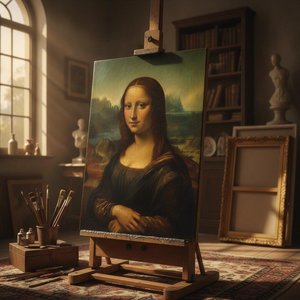
Mastering the Surface: A Historical and Technical Guide to the Art of Oil on Panel Painting
Explore the profound history and technical brilliance of oil on panel painting. From Renaissance masters to modern techniques, discover why this rigid support offers unparalleled precision and permanence for fine art lovers and collectors.

Oil on Board: A Historical Survey of Technique, Aesthetic Qualities & Enduring Appeal
Explore the rich history of oil on board painting! Discover techniques, aesthetic qualities & enduring appeal from early masters to modern practice. Expert insights for collectors and art enthusiasts.

Oil on Canvas: A Historical & Technical Exploration of a Timeless Artistic Medium
Explore the rich history & enduring techniques of oil painting on canvas. Discover the science behind its longevity, conservation practices, and contemporary relevance. Expert insights for art enthusiasts.