- Pradžia

- Ežero tapybos reprodukcija
- peugeot
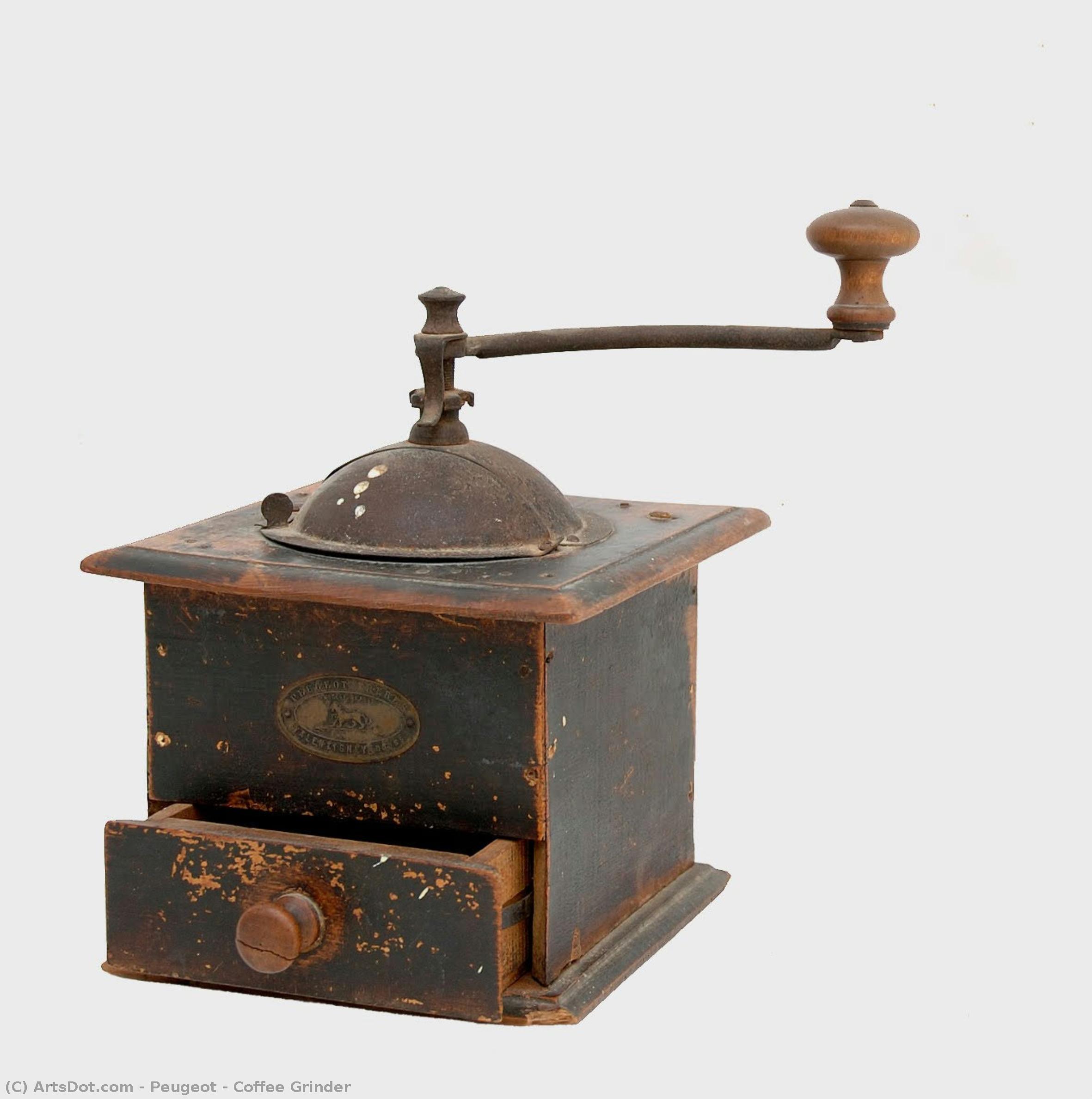
- Coffee Grinder
 Preview
 Pirkti atspaudą Pirkti skaitmeninį paveikslą
 Pasidalinti
 Dalintis
 Išsamiau
 Pridėti į mėgstamiausius

 Atsisiųsti
 Panašūs eksponatai
 Rentgeno nuotrauka
 Automatinė diorama
Coffee Grinder

 Skaityti daugiau
Rankų darbo aliejinės reprodukcijos
Rankiniu būdu tapytas aliejus ant droblio jūsų pageidaujamame dydį ir rėmuose – mūsų menininkų darbas pagal užsakymą.




































Pasirinkite iš mūsų nustatytų dydžių, atitinkančių originalaus meno kūrinio proporcijas.

Galite įvesti savo matmenis, kad jie atitiktų konkretų rėmą ar erdvę. Jei pasirinktas dydis neatitinka originalaus paveikslėlio proporcijų, mes arba apkropsime meno kūrinį, arba papildysime tapybą rankomis dažytい elementais. Prieš pradėdami gamybą, jūsų patvirtinimui atsiųsime skaitmeninį maketą.
Atkreipkite dėmesį, kad ekrane rodomas vaizdas neatspindi tikrojo apkarpymo ar papildymo. Tik maketas tiksliai parodys galutinę kompoziciją.
Nors galima rinktis ir individualius dydžius, rekomenduojame pasirinkti matmenis iš nustatytos sąrašo, kad būtų išlaikytos originalios proporcijos.
Gavus užsakymą, OriginalUniqueArt.com komanda susisieks su klientu el. paštu dėl instrukcijų ir pateiks maketo pavyzdį.
Pristatymas visame pasaulyje () per 3–4 savaites, o ne įprastai – per 5 savaites. (26 liepa). Kokybė lieka nepakeičiama.

Nemokamas greitasis pristatymas visame pasaulyje

Aukštos kokybės lininis drobė

Pilnas siuntimo draudimas

Muitinės mokesčių grąžinimo garantija

Tikro spalvų atitikimo garantija

60 dienų grąžinimo politika (tik esant gamyklinėms defektams)

100% pinigų grąžinimo garantija

Nuolaida už kelias reprodukcijas
 Stiklo variantas prieinamas tik pasirinkus dydį iki 110 cm

Coffee Grinder
Reprodukcijos technika
Reprodukcijos matmenys
-


Galutinė kaina
-
Kūrinio aprašymas
Autoriaus biografija
The Enduring Lion: Exploring the Legacy of Peugeot
Peugeot, a name synonymous with automotive innovation and French design heritage, possesses a surprisingly rich artistic lineage often overshadowed by its mechanical prowess. While primarily recognized as a manufacturer, the company’s history is inextricably linked to a vibrant tradition of illustration and painting, particularly during the Belle Époque and beyond. This article delves into the lesser-known world of Peugeot’s artistic endeavors, revealing a family legacy of creativity that shaped not only the brand's visual identity but also offered a captivating glimpse into Parisian life at the turn of the 20th century.
The story begins in 1858 with Émile Peugeot, who secured the iconic lion trademark – a symbol that would become inextricably linked to the family’s automotive empire. However, the Peugeot family's artistic roots extend far beyond this foundational moment. Armand Peugeot, Émile’s brother, was a passionate inventor and artist himself, commissioning elaborate illustrations for the company’s early catalogues and promotional materials. These weren’t mere advertisements; they were meticulously crafted scenes depicting the burgeoning world of automobiles, showcasing their capabilities and appealing to a growing audience of enthusiasts. This initial artistic direction established a precedent – that Peugeot would not only build vehicles but also visually represent its ambition and technological advancements.
The Rise of the Artistic Peugeot: A Family Affair
Throughout the late 19th and early 20th centuries, several generations of Peugeot men continued to nurture this artistic tradition. Armand’s son, Émile II, further expanded the company's visual presence, employing a team of illustrators who captured the glamour and excitement surrounding early automobiles. These artists weren’t simply documenting vehicles; they were creating evocative narratives – depicting elegant couples embarking on journeys, showcasing the sophistication of Peugeot cars in opulent settings, and subtly conveying the brand’s commitment to quality and innovation. Notably, these illustrations often featured a distinctly Parisian aesthetic, reflecting the family's deep connection to the city.
Crucially, this artistic endeavor wasn’t confined solely to commissioned work. The Peugeot family actively fostered an environment of creativity within the company. They recognized that visual communication was paramount in shaping public perception and driving sales. This led to a deliberate cultivation of talent – encouraging employees with artistic inclinations to pursue their passions, often providing them with opportunities to develop their skills.
A Shift Towards Automotive Art: The Late 19th & Early 20th Centuries
As Peugeot transitioned into the automotive industry in earnest, its artistic output evolved. The late 1890s and early 1900s saw a surge in detailed illustrations of the company’s pioneering vehicles – the Panhard-Peugeot, the Peugot, and later, the renowned Type 32. These images weren't just technical drawings; they were imbued with a sense of dynamism and excitement, capturing the spirit of innovation that defined the era. The artists employed techniques reminiscent of Orientalist painting—a style popular at the time—using rich colors, dramatic lighting, and evocative compositions to create visually arresting scenes.
Furthermore, Peugeot began collaborating with prominent Parisian artists, including Léon Serpollet, a visionary architect and engineer who played a pivotal role in the development of early automobiles. These collaborations resulted in stunning illustrations that showcased both the technological advancements and the artistic sensibilities of the Peugeot brand. The influence of these partnerships extended beyond mere visual representation; they fostered a shared understanding of design principles and a commitment to pushing the boundaries of innovation.
Beyond the Automobile: Julius LeBlanc Stewart & The Legacy Continues
While the core of Peugeot’s artistic output remained firmly rooted in automotive illustration, the family's interest in visual arts continued into the 20th century. The name Julius LeBlanc Stewart is particularly noteworthy. Though not directly employed by Peugeot, Stewart’s evocative Belle Époque portraits and Orientalist scenes—capturing the glamour of Parisian life—demonstrate a lineage of artistic talent within the Peugeot family. His work reflects a similar aesthetic sensibility to earlier Peugeot illustrations – a blend of elegance, sophistication, and a keen eye for detail.
Today, Peugeot’s artistic legacy is often overlooked amidst its automotive achievements. However, by examining this lesser-known chapter in the company's history, we gain a deeper appreciation for the family’s commitment to innovation, design, and visual communication. The lion emblem, initially a symbol of branding, has become inextricably linked to a rich tradition of artistic expression—a testament to the enduring power of creativity within the Peugeot family.

peugeot
France
Trumpa informacija
- Artistic Movement Or Style: Automotive Design
- Artists Or Movements Influenced By This Artist:
- Citroën
- Mercedes-Benz
- Artists Who Influenced This Artist:
- Panhard-Daimler
- Léon Serpollet
- Full Name: Peugeot
- Nationality: French
- Notable Artworks:
- Legendary French Designer Paints Vivid Automotive Art
- Peugeot 206
- Peugeot 208
- Place Of Birth: Paris, France

