

 Peržiūrėti realaus dydžio版
 Siųsti
 Dalintis
 Išsamiau
 Vadovas

 Atsisiųsti
 Panašūs eksponatai
 Rentgeno spindulių nuotrauka
 Diaporama
 Statistika
The storm
 Acrylic On Canvas
- WallArt
- Biedermeier
 1837
1837 50.0 x 67.0 cm
 Austrian Gallery Belvedere
 Rodyti daugiau
Giclée / Meno spausdinimas
Muziejų lygio „giclée“ arba drobos spausdinimas: greita gamyba ir lankstios apdailos parinktys. ( Pirkti rankomis tapytą reprodukciją Perejti prie skaitmeninių vaizdų)




P118B €10

P118H €10

P118W €10

P438Z €10

P508JH €12

P508YH €12

P805H €10

P805Z €10

P919BZ €10

P919G €10

P919XJ €10

P959ZH €10

P968JZ €12

W106C €8

W218G €10

W218JH €8

W218Y €10

W307PJ €10

W316G €10

W316PJ €8

W316Y €10

W398PJ €8

W4111J €10

W500HY €15

W500JH €15

W692G €12

W849H €8

W940BG €15

W953PJ €8




Pasirinkite iš mūsų nustatytų dydžių, atitinkančių originalaus meno kūrinio proporcijas.

Įveskite jums reikiamą plotį ir aukštį, kad atvaizdas derėtų prie jūsų rėmo ar sienos. Spausdiną galima tik sumažinti, bet nepadidinti virš originalaus paveikslėlio dydžio, todėl keičiant proporcijas, dalis vaizdo prarandama. Prieš spausdinimą atsiųsime jums skaitmeninį maketą patvirtinimui. Šioje puslapio nuotraukoje matomas pjūvis nėra tikslus – jį rodo tik maketas.
Pristatymas visame pasaulyje () per 2 weeks, o ne įprastas 4/5 savaičių laikotarpis. (27 spalis)

Nemokamas greitasis pristatymas visame pasaulyje

Aukštos kokybės lininis drobė

Pilnas siuntimo draudimas

Muitinės mokesčių grąžinimo garantija

Tikro spalvų atitikimo garantija

100 dienų grąžinimo politika (tik esant įtaigoms)

100% pinigų grąžinimo garantija

Nuolaida dideliems užsakymams
 Stiklo variantas prieinamas tik pasirinkus dydį iki 110 cm

The storm
Giclée / Meno spausdinimas
Reprodukcijos dydis
-


Visų pasirinktų variantų kaina
€ 70
A Window to a Turbulent Soul: Exploring Peter Fendi’s “The Storm”
Peter Fendi's "The Storm," painted in 1837, isn’t merely a depiction of a tempestuous sky; it’s a profound meditation on domesticity, vulnerability, and the quiet drama unfolding within a family’s sanctuary. This intimate scene, rendered with the characteristic warmth and realism of Biedermeier painting, immediately draws the viewer into a tableau of contained chaos – a woman cradling her child before a window that frames both the fury of nature and the steadfastness of home. The composition is deceptively simple: a mother and child, bathed in soft light, facing an exterior world rendered with dramatic brushstrokes and swirling clouds. Yet, within this apparent tranquility lies a palpable tension, a suggestion of unease that speaks volumes about the anxieties inherent in family life.
Fendi’s masterful use of color is crucial to conveying this emotional complexity. The palette leans heavily on muted browns, grays, and blues – colors associated with storm clouds and introspection. However, these somber tones are punctuated by flashes of warm light emanating from the interior, highlighting the figures and creating a subtle contrast between safety and the unknown. The woman’s posture is particularly telling; she isn't actively shielding her child, nor does she appear panicked. Instead, she gazes out with a thoughtful expression, suggesting an acceptance of the storm both outside and within. The inclusion of other family members – two children playing near the window and another figure on the right – subtly expands the narrative, hinting at a larger household grappling with shared experiences.
The Biedermeier Aesthetic: Intimacy and Observation
“The Storm” is a quintessential example of the Biedermeier style, which flourished in Austria during the early 19th century. This artistic movement prioritized realism and domestic scenes, often depicting everyday life with an emphasis on intimacy and observation. Unlike the grand historical or mythological subjects favored by earlier periods, Biedermeier artists sought to capture the beauty and simplicity of the ordinary – a shift reflecting the growing middle class’s desire for comfort and connection within their own homes. Fendi's work embodies this ethos perfectly; he doesn’t attempt to glorify the storm itself but rather focuses on how it affects those closest to him, creating a deeply personal and relatable image.
Fendi’s technical skill is evident in his meticulous attention to detail – from the texture of the fabrics to the subtle nuances of expression on the figures' faces. He employed a technique known as “pointillé,” using small, closely spaced brushstrokes to create an illusion of depth and texture, particularly noticeable in the depiction of the clouds. This method allowed him to capture the dynamic movement of the storm while maintaining a sense of realism and warmth. Furthermore, his use of light is masterful, creating a soft, diffused glow that illuminates the figures and imbues the scene with a feeling of quiet dignity.
Symbolism and Emotional Resonance
The window itself serves as a powerful symbol in “The Storm.” It represents not only a physical barrier between the interior and exterior but also a metaphorical one – separating the family from the uncertainties of the world. The storm raging outside can be interpreted as a representation of life’s challenges, anxieties, and hardships. However, within the confines of the home, the family finds solace and strength in their connection to one another. The child, nestled securely in his mother's arms, embodies innocence and hope, suggesting that even amidst turmoil, new beginnings are possible.
Fendi’s painting resonates with a timeless emotional truth. It speaks to the universal experience of navigating difficult times while cherishing the bonds of family. “The Storm” is more than just a beautiful artwork; it's a poignant reminder of the resilience of the human spirit and the enduring power of love in the face of adversity. Reproductions of this evocative piece offer a captivating glimpse into a bygone era, inviting viewers to contemplate their own relationships and find beauty amidst life’s inevitable storms.
问答 (or more naturally for a website heading): Klausimai ir atsakymai
Kokia paletė ir pagrindinė spalva apibrėžė „The storm“?
„The storm“ apibūdiną Earthy paletė, kurioje dominuoja Clay (#8c6a3a).
Ar „The storm“, autorius – Peteris Fendis, esančį Austrian Gallery Belvedere, galima legaliai reprodukcijaoti?
Originalus kūrinys „The storm“ saugomas Austrian Gallery Belvedere, o jo autorinė teisė yra pripa принадле belongs to the public domain – jo autorinė teisė pasibaigusi.
Kaip atsisiųsti „The storm“, autorius – Peteris Fendis vaizdą?
Galimybę atsisiųsti „The storm“ galima rasti šio kūrinio Atsisiųsti puslapį, kuriame siūloma aukštos raiškos skaitmeninio vaizdo atsisiuntimas.
Autoriaus biografija
Peter Fendi: Vienos Biedermeier stiliaus pionierius
Peteris Fendi, gimęs pačioje Vienos širdyje 1796 m. rugsėjo 4 d., buvo ne tik vienuolis paveikslautojas; jis buvo viena svarbiausių figūrų austrijos meno plėtra Biedermeier laikotarpiu. Jo gyvenimą pažymėjo ankstyvas fizinis iššūkis – nukritimas nuo keičiamo staliko kūdikystėje, dėl kurio pasilikonios neiškengiamos nugaros problemos – ironiška, tačiau būtent tai paskatino neįtikėtiną piešimo talentą ir galiausiai suformavo jo meninę viziją. Jo tėvas, mokytojas, atpažino šią prigimtą gebėjimą ir 1ng 1810 m. įtraukė jaunąjį Peterį į prestižinę St. Annos dailės akademiją. Ten, dirbant su tokiais gerbiamais menininkais kaip Johann Martin Fischer, Hubert Maurer ir Johann Baptist von Lampi vyresnysis, Fendi tobulino savo įgūdžius, padėdami pagrindus produkty leitai, apimdančiai aliejaus tapus, akvarelius, spaudinius, etapus, litografiją ir net medžio skulptūra. Fendžio ankstyvasis profesinis gyvenimas prasidėjo 1818 m. Imperinėje monetų ir antikvariato galerijoje, kur jis dirbo kaip piešlys ir gravežys po Joseph Barthu – įtakingu meno kolekcionieriumi bei asmeniniu imperatoriaus Josapo II oftalmologu. Ši pozicija suteikė neįvertiniamą prieimtį meninėms aplinkoms ir padėjo susipažinti su itin kruopščiu detalių reikalavimu, kuris buvo būdingas imperatoriškoms užsakymams. Svarbi lūžio akimirka įvyko 1821 m., kai Fendi gavo auksinę medaliai už savo aliejaus tapą Vilenica, taip užtvirtindamas savo reputaciją Vienos meno scenoje. Šis pripažinimas po to paskatino jį 1836 m. būti išrinktam Vienos dailės akademijos nariu, dar labiau įtvirtinant jo padėtį tarp kolegų.Olandų įtaka ir Venecijos įkvėlius
Fendžio meninis stilius buvo giliai įkvėstas dviejų skirtingų, tačiau papildančių šaltinių: olandų meistrų ir Italijos renesanso. Realizmas ir žanrinės scenos, būdingos tokių menininkų kaip Adriaen Brouwer, Adriaen van Ostade ir Rembrandt kūrybai, itin stipriai rezonavo su Fendžiu, formuojant jo kasdienybės vaizdavimą – triukšmingas turgavietes, kervėnes ir jautrias namų aplinkas. Šie paveikslai pasižymi tikslia žmogaus elgsenos stebėjimu, dažnai įsipūtusiais subtiliu humoru ar socialine kritika. Tuo pačiu metu Fendžio kelionė į Veneciją 1821 m. tapo transformatyva. Pasikraustęs po prabangius Giovanni Bellini, Tintoretto, Titiano ir Paolo Veronese meno kolekcijas, jis įsisavino jų dramatiškas kompozicijas, turtingas spalvas ir meistrišką šviesos naudojimą – elementus, kurie vėliau suteikė jo kūrybai didingumo ir teatralumo pojūtį.Palikimas ir meninė reikšmė
Peterio Fendžio palikimas išsipina daug daugiau nei tik individualiais kūriniais, kuriuose matomas jo autografas. Jis playing letingą vaidmenį formuojant Biedermeier estetiką – pasižymintį intymiu mastu, realistišku kasdienybės vaizdavimu ir subtilia socialine komentacija. Jo įtaka juntama vėlesnių Austrijos menininkų kartų kūryboje. Nuolatinis dėmesys detalėms, kartu su jo inovatyviu požiūriu į litografiją, užtvirtino jo vietą kaip vieno svarbiausių Biedermeier laikotarpio veikėjų. Šiandien Fendžio paveikslai saugomi prestižinguose kolekcijose, tokiuose kaip Albertinos muziejus, Belvederio galerija ir Lichtenšteino kunigaikščio kolekcija Vadūze, užtikrinant, kad jo meniniai indėliai būtų vertinami ir studijuojami būsimoms kartoms. Jo darbai suteikia vertingą žvilgsnį į XIX a. Austrijos visuomenę, su neįtikėtinu meistriškumu ir jautrumu įtrapindamas tiek jos grožį, tiek sudėtingumą.
Peteris Fendis
1796 - 1842 , Austrija
Trumpa informacija apie kūrėją
- Artistic Movement Or Style: Biedermeier
- Artists Or Movements Influenced By This Artist:
- Olandų paveikslautojai
- Italijos renesansas
- Artists Who Influenced This Artist:
- Rembrandtas
- Adriaen Brouwer
- Giovanni Bellini
- Date Of Birth: 1796 m. rugsėjo 4 d.
- Date Of Death: 1842 m. rugpjūčio 28 d.
- Full Name: Peter Fendi
- Nationality: Austras
- Notable Artworks:
- Princesses Elise & Fanny Liechtenstein
- The rise
- The Sad Message
- Place Of Birth: Viena, Austrija
Susiję straipsniai

Biedermeier Style: The Elegant Art of Comfort, Simplicity, and Bourgeois Sophistication
Discover the refined elegance of Biedermeier style. Explore how this 19th-century movement blended simplicity with comfort, shaping the art and design of the middle class through Romanticism and functional beauty. An expert guide for classic art enthusiasts.

Evolving Portraits: Personalized Art as a Chronicle of Family Life Across Generations
Create a timeless family legacy with custom portraits! OriginalUniqueArt connects you with skilled artists for heirloom-quality paintings & prints. Explore styles, commission your unique artwork today.

Biedermeier: Art, Society & Intimacy in Restoration Europe
Explore the world of Biedermeier art & culture! Discover the history, aesthetic principles, and lasting influence of this fascinating European movement. Expert insights & beautiful reproductions at OriginalUniqueArt.
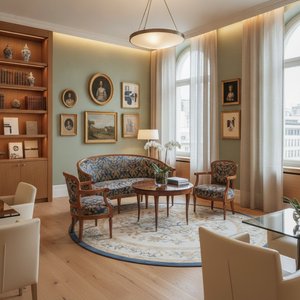
Biedermeier Style Guide: Integrating Elegant, Functional 19th-Century Art into Modern Hotel & Hospitality Interiors
Master the Biedermeier style for hospitality design. Our professional guide explores integrating 19th-century elegance and functional simplicity into modern hotel interiors through expert art procurement and large-scale custom reproductions.
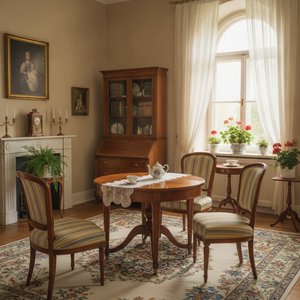
Biedermeier Style: The Art of Comfort, Elegance, and Home Harmony in 19th-Century Europe
Discover the soulful elegance of Biedermeier style. Explore how 19th-century Europe turned to domestic comfort and refined simplicity through art and design. A deep dive into the era of bourgeois sophistication for the true classic art enthusiast.