

 Peržiūrėti realaus dydžio版
 Siųsti
 Dalintis
 Išsamiau
 Vadovas

 Atsisiųsti
 Panašūs eksponatai
 Rentgeno spindulių nuotrauka
 Diaporama
 Statistika
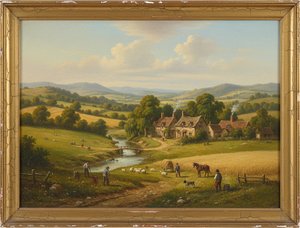
On the Road to Church


 Rodyti daugiau
Giclée / Meno spausdinimas
Muziejų lygio „giclée“ arba drobos spausdinimas: greita gamyba ir lankstios apdailos parinktys. ( Pirkti rankomis tapytą reprodukciją Perejti prie skaitmeninių vaizdų)




































Pasirinkite iš mūsų nustatytų dydžių, atitinkančių originalaus meno kūrinio proporcijas.

Galite nurodyti savo matmenis, kad vaizdas atitiktų konkretų rėmą ar erdvę. Jei pasirinktas dydis nesutaps su originalaus paveikslėlio proporcijomis, mes arba apkirpsime kūrinį, arba išplėsime vaizdą naudojant veideliu atspindėtą arba vientisą šoną. Skaitmeninis maketas bus išsiųstas jums patvirtinti prieš pradedant gamybą.
Atkreipkite dėmesį, kad ekrane matomas vaizdinys neatspindi tikrojo apkirpimo ar išplėtimo. Tik maketas tiksliai parodytų galutinę kompoziciją.
Nors galima rinktis ir individualius dydžius, rekomenduojame pasirinkti vieną iš išanksti nustatytų matmenų, kad būtų išlaikytos originalios proporcijos.
Pristatymas visame pasaulyje () per 2 weeks, o ne įprastas 4/5 savaičių laikotarpis. (26 rugsėjis)

Nemokamas greitasis pristatymas visame pasaulyje

Aukštos kokybės lininis drobė

Pilnas siuntimo draudimas

Muitinės mokesčių grąžinimo garantija

Tikro spalvų atitikimo garantija

100 dienų grąžinimo politika (tik esant įtaigoms)

100% pinigų grąžinimo garantija

Nuolaida dideliems užsakymams
 Stiklo variantas prieinamas tik pasirinkus dydį iki 110 cm

On the Road to Church
Giclée / Meno spausdinimas
Reprodukcijos dydis
-


Visų pasirinktų variantų kaina
$ 80
Autoriaus biografija
Early Life and Artistic Foundations
Peet Aren, born on June 29th, 1889, in the small Estonian village of Odiste, emerged from a landscape steeped in rural tradition and burgeoning national identity. His early life was profoundly shaped by the natural world—the ancient forests and isolated farmlands of Viljandi County instilled within him a deep connection to his homeland that would resonate throughout his artistic career. This formative period laid the groundwork for a sensibility attuned to both realism and an emerging sense of Estonian cultural pride. In 1908, at the age of nineteen, Aren embarked on a pivotal journey to St. Petersburg, enrolling in the prestigious Society for the Encouragement of Artists. This marked his formal entry into the world of art, where he honed his skills in painting and began to explore the possibilities of artistic expression.
A Multifaceted Career: Teaching and Graphic Design
Following his studies, Aren returned to Estonia during a period of newfound independence (1918-1940). He quickly established himself as a versatile artist, embracing roles beyond that of a painter. From 1920 to 1925, he shared his knowledge and passion as a teacher at the State Industrial Art School in Tallinn, nurturing the next generation of Estonian artists. He then moved to Tartu, taking on a teaching position at the esteemed Pallas Art School from 1926 to 1930. However, it was during the 1930s that Aren truly distinguished himself as a graphic artist—a medium through which he could most effectively contribute to the visual language of his nation. This period saw him designing iconic emblems and symbols that became deeply intertwined with Estonian cultural identity.
Symbols of a Nation: The Drama Theatre Emblem and the Cross of Liberty
Aren’s impact on Estonia extends far beyond individual canvases; he left an indelible mark on the very fabric of its national consciousness. Perhaps his most enduring legacy lies in his design of the emblem for the Estonian Drama Theatre, a symbol that continues to represent the heart of Estonian performing arts. Even more profoundly, Aren was commissioned to create the design for the Cross of Liberty—a powerful and poignant award recognizing valor and sacrifice during Estonia’s struggle for independence. This commission speaks volumes about the trust placed in his artistic vision and his ability to encapsulate complex national narratives within a single, striking image. The Cross of Liberty is not merely a decorative object; it embodies the spirit of Estonian resilience and self-determination.
Exile and Artistic Adaptation: New York Years
The shadow of World War II loomed large over Estonia, disrupting lives and reshaping destinies. In 1944, facing increasing turmoil and health concerns, Aren made the difficult decision to flee his homeland, seeking refuge first in Germany before ultimately settling in New York City in 1949. This relocation marked a significant turning point in his artistic journey. Adapting to a new environment and urban landscape, Aren shifted his focus towards paintings of the cityscape—a stark contrast to the rural scenes that had characterized much of his earlier work. Despite the challenges of exile, he continued to paint prolifically until his death on January 26th, 1970, at the age of eighty.
Legacy and Enduring Influence
Peet Aren’s artistic legacy is one of remarkable versatility, unwavering dedication, and a deep-seated commitment to Estonian cultural identity. His work seamlessly blended elements of Expressionism with graphic precision, creating a unique visual language that continues to resonate today. He was not simply an artist; he was a cultural architect, shaping the symbols and imagery that defined a nation. While his paintings capture moments in time and evoke specific emotions, it is perhaps his graphic designs—the emblem of the Estonian Drama Theatre and the Cross of Liberty—that have secured his place as one of Estonia’s most important artists. His innovative approach to art continues to inspire generations of Estonian creatives, ensuring that his vision endures.

peet aren
1889 - 1970 , Estonia
Trumpa informacija apie kūrėją
- Artistic Movement Or Style: Realism, Expressionism
- Date Of Birth: June 29, 1889
- Date Of Death: January 26, 1970
- Full Name: Peet Aren
- Nationality: Estonian
- Notable Artworks: ['On the Road to Church']
- Place Of Birth: Tallinn, Estonia
Susiję straipsniai

10 Romantinių Peizažų Simbolių: Tapybos Majestatės Viršūnės
Atraskite 10 legendinių romantinio peizažo kūrinių! Pasinerkite į Claude Lorrain, Caspar David Friedrich ir J.M.W. Turner genijaus pasaulį. Išmokite apie tapybos meistriškumą bei gamtos grožį. Aukščiausios kokybės meno reprodukcijos – OriginalUniqueArt.com. Tyrinėkite kolekciją!
Evocations of Rural Life: A Historical Journey Through Landscape Painting
Explore the rich history of rural life in painting! Discover Impressionist masterpieces, Italian Macchiaioli scenes & the enduring appeal of pastoral landscapes. Find your perfect artwork at OriginalUniqueArt.

Džono Konsteblio Šedevrai: 25 Išskirtiniai Darbai Jūsų Interjerui | OriginalUniqueArt
Atraskite 25 įspūdingiausius Džono Konsteblio paveikslus! Romantizmo meistro gamtos vaizdai, Dedham Vale peizažai ir meno istorijos šedevrai. Meno reprodukcijos jūsų interjerui – OriginalUniqueArt.com

Cultivating Visions: A Historical Journey Through Rural Landscapes in Art
Explore the rich history of rural landscape painting with OriginalUniqueArt. Discover Impressionist masterpieces, key artists & movements. Find your perfect serene artwork and bring nature's beauty home.

Evocations of Place: A Historical Journey Through Landscape Art
Explore the rich history of landscape art with OriginalUniqueArt. Discover renowned artists, movements like Impressionism & Romanticism, and expert guidance for collecting timeless pieces. Find your perfect serene escape today!