Expressionism · 1901
Cowshed (Paula Moderzon-Beker, 1901)
Paula Moderzon-Beker (1876–1907) sukūrė Cowshed. Šis kūrinys datuojamas 1901 m. Šis kūrinys priklaulo Expressionism kieruliui. Pagaminta naudojant Oil On Canvas. Dimensijos – 30 × 40 cm.
- 1901
- Oil On Canvas
- 30 × 40 cm

 Peržiūrėti realaus dydžio版

 Rankinio darbo aliejinės imitacijos paveikslas
 Pasidalinti
 Dalintis
 Informacinė l lapelė


 Atsisiųsti
 Panašūs eksponatai
 Rentgeno spindulių nuotrauka
 Automatinė diorama
 问答

 Statistika
Cowshed, trumpai
- Pavadinimas
- Cowshed
- Autorius
- Paula Moderzon-Beker (1876–1907)
- Dizainere/is gimęs
- Dresdenas, Vokietija
- Data
- 1901
- Mediumas
- Oil On Canvas
- Matmenys
- 30 × 40 cm
- Judėjimas
- Expressionism
- Laikotarpis
- Modern
- Tema
- cows, cowshed, animals, wooden beams, earthy tones, interior
Ką vaizduoja Cowshed?
The Depiction of Cowshed by Paula Modersohn-Becker
In "Cowshed" by Paula Modersohn-Becker, the viewer steps into a quiet, enclosed interior. The scene captures a moment of stillness within a rustic cowshed, where the air feels heavy and still. Two cows occupy the center of this sheltered space, their large, organic forms resting amidst the structural elements of the farm. There is a sense of profound solitude in this rural setting, as if the world outside has ceased to exist, leaving only the quiet presence of the animals within their wooden sanctuary.
Created about 1901, the work focuses on the essential nature of these creatures and their environment. The subject matter remains straightforward, centering entirely on the cows and the immediate architecture of the shed. Rather than seeking a grand spectacle, Paula Modersohn-Becker directs our attention to the simple reality of everyday life. The cows exist in a state of calm, their presence defined by the shadows and the sturdy beams that frame their resting place. This focus on the mundane reveals a quiet, somber atmosphere that lingers in the air of the composition.
Composition and Visual Elements of the Work
The scene unfolds within a tight, enclosed frame that pulls the viewer directly into the heart of the rustic setting. Two cows occupy the foreground, their heavy forms anchoring the space. They do not sit in an open field but are nestled within the confines of the shed, their presence felt immediately. Vertical lines dominate the visual field, driven by the sturdy wooden beams of the structure. These upright elements slice through the composition, creating a rhythmic, structural grid that defines the interior. The cows are partially obscured by these beams, a detail that adds a sense of depth and layers the space between the viewer and the animals.
A certain flatness characterizes the perspective, as the work lacks a clear vanishing point to lead the eye into a distant horizon. Instead, the focus remains fixed on the immediate, physical presence of the subjects. This lack of deep recession keeps the eye circulating within the immediate environment of the cowshed. The arrangement emphasizes the weight and volume of the animals against the rigid, architectural lines of the wood. The composition relies on the interplay between these organic, rounded shapes and the straight, unyielding geometry of the shed, capturing a quiet moment of stillness within the enclosure.
Technique and Material Application
The oil paints cling to the canvas with a palpable, tactile presence. Each stroke feels gestural and loose, as if the artist’s hand moved with a sudden, urgent rhythm to capture the essence of the scene. This application avoids the polished finish of academic tradition, opting instead for a visible, textured surface where the movement of the brush remains part of the story. One can sense the layering of pigments, building up the forms of the cows and the wooden beams through a series of expressive, unhurried marks.
There is a fascinating tension in how the paint is handled. The work carries the weight of early Expressionism, prioritizing the emotional truth of the cowshed over a photographic likeness. Yet, a lingering influence of Impressionism breathes through the way color and light are treated. The paint does not merely sit on the surface; it seems to pulse with a quiet, internal energy. The materiality of the oil medium allows for a soft blending in some areas, while in others, the thick, impasto-like quality of the brushwork defines the ruggedness of the rustic setting.
Color and Lighting in the Cowshed
The atmosphere within the shed feels heavy and quiet, held in place by a palette of deep, earthy tones. Browns and greys dominate the space, grounding the scene in a rustic reality. Flecks of green and white emerge from the shadows, suggesting the organic presence of the animals and the weathered textures of their surroundings. These colors do not shout; they whisper of the soil and the dim interior of a working farm.
Light enters the space in a soft, diffused manner, as if filtered through heavy timber or a cloudy sky. There are no sharp glares or sudden bursts of brightness to break the stillness. Instead, a gentle, dim glow settles over the cows, creating a sense of enclosure. The lack of dramatic contrast keeps the eye moving softly across the scene, where shadows are subtle rather than deep or piercing. This muted light lends a somber quality to the work, capturing a moment of profound solitude within the wooden walls.
Shapes and Textures within the Scene
Organic forms dominate the immediate presence of the cows, their rounded bodies creating soft, curving silhouettes that break the stillness of the interior. These natural, flowing shapes find themselves in constant tension with the rigid, rectangular geometry of the shed's construction. The wooden beams slice through the space in straight, uncompromising lines, framing the animals and establishing a sense of structural enclosure. This juxtaposition between the living, breathing curves of the livestock and the hard-edged architecture of the cowshed defines the visual rhythm of the scene.
A palpable sense of materiality emerges through the heavy, visible brushstrokes that dance across the surface. These gestural marks do more than define form; they build a tactile reality that invites the eye to feel the weight of the subjects. The rough, uneven application of paint suggests the coarse grain of weathered wood and the thick, matted texture of animal hide. Every stroke carries a sense of movement, making the surfaces feel lived-in and heavy with the quiet atmosphere of the rural setting.
Cowshed dididraudžios kokybės vaizdai

Viešoji domenė: suregalis mirė 1907 m.
Kiti dydžiai, iškarai ir citavimo informacija →Paula Moderzon-Beker, Cowshed (1901). Viešoji domenė.
Atsakimai į klausimus apie Cowshed
Kuriem metais buvo sukurta „Cowshed“ – Paula Moderzon-Beker?
„Cowshed“ – Paula Moderzon-Beker sukurtas 1901 m.
Kokia technika sukurta „Cowshed“ – Paula Moderzon-Beker?
„Cowshed“ – Paula Moderzon-Beker technika – Oil On Canvas. Kopijos siekia atkartoti šios technikos vaizdą.
Kokie yra „Cowshed“ – Paula Moderzon-Beker realūs matmenys?
Įrašyti kūrinio „Cowshed“ – Paula Moderzon-Beker matmenys yra 30 x 40 cm. Kopijas galima užsisakyti kitais dydžiais, išlaikant tą pačius proporcijas.
Kokios temos atsispindi kūrynioje „Cowshed“ – Paula Moderzon-Beker?
„Cowshed“ – Paula Moderzon-Beker temos apima cows, cowshed, animals, wooden beams, earthy tones, interior. Kartu jie apibendrina šio kūrinio tematiką.
Ar „Cowshed“ – Paula Moderzon-Beker priklauso viešosios teisės domenui?
„Cowshed“ – Paula Moderzon-Beker yra yra viešosios erdvės dalis – jo autorinė teisė pasibaigusi. Šis statusas nustato, kaip galima reprodukcijaus šio kūrinio vaizdą.
Kas yra „Cowshed“ kūrybos autorius?
Kūrinį „Cowshed“ sukūrė Paula Moderzon-Beker. Darbas katalogizuojamas Paula Moderzon-Beker vardu.
Kokio meno kryžmės dalis yra „Cowshed“ – Paula Moderzon-Beker?
„Cowshed“ yra Expressionism stiliaus kūrinys. Šis dailos kryptis nurodo meninę tradiciją, kurios šis darbas yra dalis.
Kokio Paula Moderzon-Beker kūrybos etapo dalis yra „Cowshed“?
„Cowshed“ priklauso Paula Moderzon-Beker kūrybos karjeros Early Period etapui. Ši klasifikacija atspindi kūrinio ryšį su menininko evoliucija.
Kiek metų buvo Paula Moderzon-Beker, kai sukūrė „Cowshed“ 1901 m.?
Paula Moderzon-Beker buvo 25 metų, kai 1901 m. sukūrė kūrinį „Cowshed“. Amžius apskaičiuotas remiantis gimimo metais 1876.
Apie šį menininką, Paula Moderzon-Beker

1876–1907, Vokietija
Paula Moderzon-Beker
Pionierė ir Vidinių Vizijų Tapytoja: Paulos Modersohn-Becker Gyvenimas ir Kūryba Paula Modersohn-Becker, vardas, skambantis ramia galia ankstyvojo modernizmo meno analuose, buvo menininkė, drįsusi žiūrėti į save. Gimusi Minna Hermine Paula Becker 1876 metų vasario 8 dieną Dresdene, Vokietijoje, jos gyvenimas truko tragiškai trumpai – ji mirė 1907 metų lapkričio 30 dieną Vorpsvedėje – tačiau per trisdešimt metų ji iškalė kelią, kupiną nepaprastos meninės naujovės ir asmeninio drąsumo. Jos istorija nėra apie greitą pripažinimą ar plačią viešumą jos gyvenimo metais; tai liudijimas individualaus balso stiprybei, kuris išdrįso mesti iššūkį konvencijoms ir tyrinėti žmogaus patirtį be jokio užslėptumo. Kilusi iš gana privilegijuotos šeimos, kurią temdė subtilus šešėlis – jos dėdė bandė nužudyti Prūsijos karalių – Paulos meniniai polinkiai buvo ugdomi, nors ir spaudžiant visuomenės lūkesčiams.
Apie Paula Moderzon-Beker Žinomiausi Paula Moderzon-Beker darbai
Taip pat Paula Moderzon-Beker darbai
 Portrait of a young woman with red hat1900
 Half-length portrait of an old farmer1903
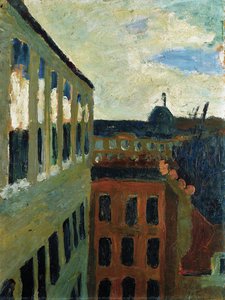 View from the studio window of the artist in Paris1900
 Still life with plant, lemon and orange1906
Esdai apie Cowshed
 The Weight of Silence: Reflection and Isolation in the Works of the Old MastersExplore the profound themes of solitude through the Old Masters and modernists. Discover the art of isolation now.
 German artworks of the 1900sGerman Expressionism through the works of Franz Marc, Ernst Ludwig Kirchner, and August Macke. Find museum-quality reproductions on Origina…
 Pastoral Rhythms: Capturing the Essence of Farm Animals in Impressionist ArtExplore the sensory depth of farm animals in Impressionist art through expert analysis. Discover the beauty of pastoral rhythms today.