
 Peržiūrėti realaus dydžio版
 Pasidalinti
 Dalintis
 Išsamiau
 Vadovas

 Atsisiųsti
 Panašūs eksponatai
 Rentgeno spindulių nuotrauka
 Automatinė diorama
 问答
问答 Statistika
Sunrise, Inverness Copse

- 25.0 x 36.0 cm


 Skaityti daugiau
Giclée / Meno spausdinimas
Muziejų lygio „giclée“ arba drobos spausdinimas: greita gamyba ir lankstios apdailos parinktys. ( Pirkti rankų darbo tapybą Perejti prie skaitmeninių vaizdų)




P118B €10

P118H €10

P118W €10

P438Z €10

P508JH €12

P508YH €12

P805H €10

P805Z €10

P919BZ €10

P919G €10

P919XJ €10

P959ZH €10

P968JZ €12

W106C €8

W218G €10

W218JH €8

W218Y €10

W307PJ €10

W316G €10

W316PJ €8

W316Y €10

W398PJ €8

W4111J €10

W500HY €15

W500JH €15

W692G €12

W849H €8

W940BG €15

W953PJ €8




Pasirinkite iš mūsų nustatytų dydžių, atitinkančių originalaus meno kūrinio proporcijas.

Įveskite jums reikiamą plotį ir aukštį, kad atvaizdas derėtų prie jūsų rėmo ar sienos. Spausdiną galima tik sumažinti, bet nepadidinti virš originalaus paveikslėlio dydžio, todėl keičiant proporcijas, dalis vaizdo prarandama. Prieš spausdinimą atsiųsime jums skaitmeninį maketą patvirtinimui. Šioje puslapio nuotraukoje matomas pjūvis nėra tikslus – jį rodo tik maketas.
Pristatymas visame pasaulyje () per 2 weeks, o ne įprastas 4/5 savaičių laikotarpis. (3 lapkritis)

Nemokamas greitasis pristatymas visame pasaulyje

Aukštos kokybės lininis drobė

Pilnas siuntimo draudimas

Muitinės mokesčių grąžinimo garantija

Tikro spalvų atitikimo garantija

100 dienų grąžinimo politika (tik esant įtaigoms)

100% pinigų grąžinimo garantija

Nuolaida dideliems užsakymams
 Stiklo variantas prieinamas tik pasirinkus dydį iki 110 cm

Sunrise, Inverness Copse
Giclée / Meno spausdinimas
Reprodukcijos matmenys
-


Bendroji kaina
€ 72
A Vision of Desolation Amidst Beauty
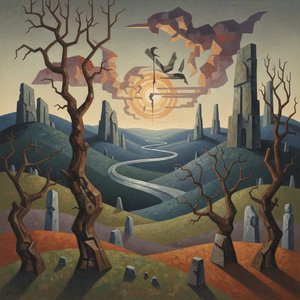
In the hauntingly beautiful watercolor "Sunrise, Inverness Copse," painted in 1918, Paul Nash invites us into a landscape that is simultaneously devastating and transcendent. Created during the height of World War I, this masterpiece serves as a profound meditation on the scars left by conflict upon the natural world. The scene captures the Western Front near Ypres, Belgium, not through the lens of traditional combat, but through the quiet, eerie aftermath of destruction. As the sun begins to crest over the horizon, it illuminates a skeletal forest of shattered trees, their broken trunks silhouetted against a bruised and atmospheric sky. It is a work that captures a singular, breathless moment where the dawn of hope meets the heavy reality of loss.
Nash’s technical mastery is evident in his delicate yet impactful use of watercolor on paper. Eschewing the rigid lines of traditional realism, he employed a layered washing technique to achieve subtle gradations of tone and texture. This method allows for an ethereal quality to permeate the piece; the sky feels heavy with moisture and memory, while the earth appears saturated with the mud and ochre hues characteristic of the battlefield. The artist’s use of geometric shapes and fractured compositions mirrors the psychological trauma of the era, creating a visual language that speaks to the splintered psyche of a generation. For the discerning collector, this technique offers a depth of texture that makes a high-quality reproduction feel remarkably alive and atmospheric.
Symbolism and the Spirit of Resilience
Beyond its striking visual impact, "Sunrise, Inverness Copse" is rich with complex symbolism that resonates deeply with the human experience. The towering, broken trees stand as poignant metaphors for strength and endurance; though they have been violently uprooted and broken by the machinery of war, they remain stubbornly anchored to the earth, clinging to life amidst the wreckage. Nash further weaves a narrative of interconnectedness through the inclusion of a still lake, which acts as a mirror reflecting the sky, bridging the gap between the celestial and the terrestrial. Even the sparse presence of birds scattered across the canvas suggests a fragile, persistent beauty that refuses to be extinguished by darkness.
For interior designers and art enthusiasts alike, this painting offers a unique emotional resonance. It is not merely a depiction of war, but an exploration of resilience. The interplay between the somber browns of the devastated earth and the luminous light of the rising sun provides a sophisticated palette that can anchor a room with both gravity and grace. Whether placed in a quiet study or as a focal point in a contemporary living space, Nash’s work invites contemplation, offering a sense of peace found within the struggle. It is an exquisite choice for those seeking art that possesses both historical weight and a timeless, poetic soul.
Klausimai ir atsakymai
Ar „Sunrise, Inverness Copse“ yra vienas populiariausių Paulas Nešas kūrinių?
„Sunrise, Inverness Copse“ – Paulas Nešas populiarumumo lygis yra Iconic.
Kur rekomenduojama eksponuoti „Sunrise, Inverness Copse“ Landscape formatą?
Formatas (Landscape) ir rekomenduojama erdvė (Living Room) yra du nurodyti išdėstymo faktai kūriniui „Sunrise, Inverness Copse“ – Paulas Nešas.
Ar „Sunrise, Inverness Copse“ – Paulas Nešas priklauso viešosios teisės domenui?
„Sunrise, Inverness Copse“ – Paulas Nešas yra yra viešosios erdvės dalis – jo autorinė teisė pasibaigusi. Šis statusas nustato, kaip galima reprodukcijaus šio kūrinio vaizdą.
Autoriaus biografija
Pradiniai metai ir įkvėpimo šaltiniai
- Gimė: Kensington, Jungtinė Karalystė (1889)
- Mirė: 1946
- Paulas Nashas gimė 1889 m. geguęsenį Londone. Jo tėvas, William Harry Nash, buvo advokatas, o motina, Caroline Maude, nuo ankstyvo amžiaus rodė psichinės ligos požymius. Kai Paulas buvo mažas, šeima persikėlė į Iver Heath, Buckinghamshire, siekdama pagerinti motinos sveikatos būklę.
- Šeimijos šakrys ir mokslai: Jis studijavo Parsons School of Art, o vėliau – Slade School of Fine Art. Nors jis meistriškai valdė peizažų tapybą, figūrinės dailės kūrimas jam buvo sudėtingas iššūkis.
- Pradiniai įkvėpimo šaltiniai: Nasho ankstyvųjų darbų stilius buvo stipriai paveiktas William Blake ir J.M.W. Turner, tai itin pastebima jo kūrybos pradžioje. Taip pat jį įkvepianti buvo gamta, kurioje matė senovinius elementus – senovines kapines ir geležinio amžiaus piliakalvius.
Meninis stilius ir evoliucija
- Stilius: Paul Nasho stilius buvo modernizmo ir tradicinių technikų derinys. Naudodamas ryškias spalvas, geometrines formas ir abstrakčius elementus, jis išsiskirė iš savo samtvorių.
- Surrealistinės tendencijos: Nors Nashas nebuvo griežtai laikantisis surrealistas, šis judėjimas jį paveikė, ypač po 1928 m. aplankyto Giorgio de Chiricoু eksponacijos. Jo kūryboje simboliniai peizažai susipynė su kasdieniais objektais.
- Karo menas: Pirmojo ir Antrojo pasaulinio karo metu Nashas tarnavo kaip oficialus karo meno paveikslautojas. Jo mūšio laukų vaizdiniai pasižymėjo šiurpia grynumu ir tyrimu, kaip konfliktas palieka neištrinčiam pėdsaką peizaže. Žinomas darbas yra „The Menin Road Car“.
Didieji pasiekimai ir pripažinimas
- Britų modernizmo pionierius: Nashas vaidino lemiamą vaidmenį formuojant britų šiuolaikinį meną, sėkmingai sujungdamas tradicinę peizažų tapybą su modernistine estetika. as
- Karo meno palikimas: Jo karo laikais sukurti paveikslai laikomi ikoniniu konfliktų įtakos abilityems tiek kario, tiek aplinkai atvaizdavimu.
- „Unit One“ grupė: 1933 m. kartu su Ben Nicholson ir Barbara Hepworth jis braižė pagrindus „Unit One“ grupei – tai buvo viena svarbiausių bendruomenės dalčių britų meno pasaulyje.
- Rašytojas ir dizaineris: Be tapybos, Nashas taip pat buvo gerbiama meno kritikas bei rašytojas, taip pat projektavo taikomąjį meną – nuo scenografijos ir tekstilių iki afišų.
Įtantis ir palikimas
- Įtarmė būsimiesiems menininkams: Nasho unikalus stilius ir spalvų naudojimas paveikė visas vėlesnius menininkų kartas.
- Ryšys su romantizmu: Jo kūryba dažnai siejama su angliškąja romantizmo tradicija, ypač per jo ryšį su William Blake ir J.M.W. Turner.
- Žmogaus ir gamtos tyrimas: Vėlesniuose Nasho darbuose persikrinė tema apie žmogaus ir gamtos santykį, atskleistą per gilią simbolinę vaizdinę.
- Nuolatinis aktualumas: Jo paveikslai vis dar vertinami dėl savo grožio, simbolikos ir istorinės reikšmės, išlikdami įtraukiančiais šiuolaikines auditorijas.
Parodos ir kolekcijos
- Ruskin Gallery: Nasho darbai buvo eksponuojami JK Ruskin Gallery galerijoje.
- Tate Britain: Jo kūriniai yra įtraukti į Tate Britain kolekciją.
- Imperial War Museum: Keletas jo karo meno pavyzdžių saugomi Imperinio karo muziejuje.
- York Art Gallery: Jo kūryba taip pat yra York Art Gallery kolekcijos dalis.
- Government Art Collection: Dalis Nasho meno šedevrų išsidėsto Vyriausybės meno kolekcijoje.

Paulas Nešas
1889 - 1946 , Jungtinė Karalystė
Trumpa informacija
- Artinis Stilius Ar Kryptis: Surrealizmas, Modernizmas
- Gimimo Data: 1889 m. gegužės 11 d.
- Gimimo Vieta: Kensington, Jungtinė Karalystė
- Menininkai, Kurie Paveikė Šį Menininką:
- William Blake
- J.M.W. Turner
- Wolfgang Lettl
- Mirties Data: 1946 m. liepos 11 d.
- Tautybė: Britų
- Visas Vardas Ir Pavardė: Paul Nash
- Šiojo Paveikslėlio Įkvėpė Menininkai Arba Kryptys: ['Modern able menininkai']
- Žinomos Kūriniai: ['The Menin Road']
Susiję straipsniai

Paul Klee: 25 Šedevrai, Įkvėpę Kartas | Tapyba, Dekorai ir Meninis Palikimas
Atraskite 25 Paul Klee šedevrus! Išsami analizė, meno istorija ir įkvėpimas interjerui. Abstraktaus meno kūriniai, ekspresionizmas, spalvų harmonijos. Aukštos kokybės reprodukcijos – OriginalUniqueArt.com

Paul Cézanne: 25 Šedevrai, Keičiantys Meno Pasaulį | OriginalUniqueArt.lt
Atraskite 25 Paul Cézanno šedevrus! Išsami analizė, istorijos ir įkvėpimas interjero dekorui. Modernus menas, impresionizmas, natiurmortai – viskas OriginalUniqueArt.com. Explore the full collection online!

Watercolor Wonders: 10 Masterpieces That Redefined Art History | OriginalUniqueArt
Journey through 10 legendary watercolor masterpieces by Sargent, Turner & Homer! Explore iconic landscapes, portraits & floral art that redefined history. Find museum-quality reproductions and curated decor ideas at OriginalUniqueArt.com.
Paul Nash: Modernism, Myth & the British Landscape – A Visionary Artist
Explore the evocative landscapes & poignant war art of Paul Nash (1889-1946), a key figure in British Modernism. Discover his unique style and lasting impact on art history with OriginalUniqueArt.

Ephemeral Visions: Exploring the Artistic Legacy & Contemporary Practice of Watercolor Painting
Explore the captivating world of watercolor painting! Discover its rich history, essential techniques, influential artists & collecting tips. A comprehensive guide for art enthusiasts from OriginalUniqueArt.