Abstract Expressionism · 1941
Circle (Jackson Pollock, 1941)
Jackson Pollock (1912–1956) sukūrė Circle. Šis kūrinys datuojamas 1941 m. Šis kūrinys priklauso Abstract Expressionism kieruliui. Pagaminta naudojant Oil On Canvas. Matmenys – 30 × 32 cm.
- 1941
- Oil On Canvas
- 30 × 32 cm

 Peržiūrėti

 Rankinio darbo aliejinės imitacijos paveikslas
 Pasidalinti
 Dalintis
 Informacinė lLapelė


 Atsisiųsti
 Panašūs eksponatai
 Rentgeno spindulių nuotrauka
 Automatinė diorama
 Klausimai ir atsakymai

 Statistika
Circle, trumpai
- Pavadinimas
- Circle
- Autorius
- Jackson Pollock (1912–1956)
- Autorius gimęs
- Kodis, Jungtinės Amerikos Valstijos
- Data
- 1941
- Technika
- Oil On Canvas
- Dalių matmenys
- 30 × 32 cm
- Judėjimas
- Abstract Expressionism
- Laikotarpis
- Modern
- Tema
- abstract, circle, animals, color, pollock, expressionism
Ką vaizduoja Circle?
Jackson Pollock’s Circle: A Dance of Color and Chaos
Jackson Pollock's “Circle,” painted in 1941, isn’t merely a depiction of a circle; it’s an embodiment of the burgeoning Abstract Expressionist movement and a profound exploration of subconscious creation. Measuring just 30 x 32 centimeters, this oil-on-canvas work feels surprisingly intimate despite its vibrant energy. It represents Pollock's early experimentation with form, a pivotal moment as he wrestled with new techniques and sought to capture the raw emotion of his inner world – a world increasingly influenced by the avant-garde currents swirling around him. The painting immediately draws the eye to the central red circle, a bold assertion of shape amidst a dynamic field of color: yellows, blues, greens, and oranges collide in a seemingly random yet meticulously orchestrated dance. This isn’t a static image; it's an invitation to lose yourself within its layers of texture and hue.Echoes of Surrealism and the Birth of Action Painting
Pollock’s “Circle” stands as a testament to his engagement with the artistic landscape of the early 1940s, particularly the influence of Surrealist artists like André Masson and Max Ernst. These pioneers championed spontaneous creation, tapping into the subconscious mind as a primary source of inspiration. Pollock adopted this approach, abandoning traditional representational techniques in favor of methods that prioritized instinct and gesture. The swirling brushstrokes, the drips and splatters – these aren’t accidental; they are deliberate marks, imbued with the artist's physical presence and emotional state. This technique, often referred to as “drip painting” or “action painting,” became a hallmark of Pollock’s style and fundamentally altered the course of 20th-century art. It was a rejection of the easel and brush, embracing instead the entire canvas as a battleground for color and movement.A Composition of Symbolic Forms
Beyond its purely abstract qualities, “Circle” is populated with carefully chosen symbolic figures – birds and fish scattered throughout the composition. These aren’t simply decorative elements; they seem to engage in an abstracted interaction, creating a sense of dynamic tension within the painting. Some art historians interpret these animal forms as representing primal instincts or perhaps even echoes of Pollock's early fascination with Native American culture and their connection to nature. The circle itself can be seen as a symbol of wholeness, unity, or perhaps even the cyclical nature of life and death – themes frequently explored in Surrealist art. The arrangement isn’t logical; it’s driven by feeling, mirroring the artist's own internal landscape.Abstract Expressionism: A New American Voice
“Circle” is inextricably linked to the rise of Abstract Expressionism, a movement that emerged in the United States following World War II and quickly gained international recognition. Artists like Pollock, Mark Rothko, Willem de Kooning, and others sought to express profound emotions through non-representational forms, rejecting European artistic traditions in favor of a distinctly American style. This period was characterized by a radical shift in artistic priorities – from depicting the external world to exploring the inner self. “Circle” exemplifies this ethos, capturing the raw energy and emotional intensity that defined Abstract Expressionism’s rebellious spirit. It's important to note that the term "abstract expressionism" itself was coined in 1929 by Alfred Barr at MoMA, initially applied to works by Kandinsky, but it truly took hold in the post-war era.A Legacy of Innovation
Pollock’s “Circle” isn't just a beautiful painting; it’s a foundational work that paved the way for countless artists who followed. Its influence can be seen in subsequent movements like Tachisme and Neo-expressionism, demonstrating its enduring relevance to contemporary art. Reproductions of this piece offer a remarkable opportunity to experience Pollock’s revolutionary approach firsthand – to feel the energy of his brushstrokes, to lose yourself in the vibrant colors, and to contemplate the profound questions he posed about the nature of creativity and human emotion. OriginalUniqueArt's hand-painted reproductions capture not only the visual impact but also the spirit of this iconic work, allowing you to bring a piece of art history into your own space.Circle dididraudžios kokybės vaizdai

Viešoji domenė: suregalis mirė 1956 m.
Kiti dydžiai, iškarai ir citavimo informacija →Jackson Pollock, Circle (1941). Viešoji domenė
Atsakimai į klausimus apie Circle
Kokia yra „Circle“ – Jackson Pollock kūrybos data?
„Circle“ – Jackson Pollock kūrybos metai – 1941.
Kokia technika sukurta „Circle“ – Jackson Pollock?
„Circle“ – Jackson Pollock technika – Oil On Canvas. Kopijos siekia atkartoti šios technikos vaizdą.
Kokie yra originalaus „Circle“ matmenys?
Įrašyti kūrinio „Circle“ – Jackson Pollock matmenys yra 30 x 32 cm. Kopijas galima užsisakyti kitais dydžiais, išlaikant tą pačius proporcijas.
Kokios temos atsispindi kūrynioje „Circle“ – Jackson Pollock?
„Circle“ – Jackson Pollock vaizdeletas: abstract, circle, animals, color, pollock, expressionism, dynamic, surrealist.
Ar „Circle“ yra viešosios teisės kūrinys?
„Circle“ – Jackson Pollock yra yra viešosios erdvės dalis – jo autorinė teisė pasibaigusi. Šis statusas nustato, kaip galima reprodukcijaus šio kūrinio vaizdą.
Kas yra „Circle“ kūrybos autorius?
Kūrinį „Circle“ sukūrė Jackson Pollock. Darbas katalogizuojamas Jackson Pollock vardu.
Kokiam meno stiliui priklauso „Circle“ – Jackson Pollock?
„Circle“ – Jackson Pollock priklauso Abstract Expressionism stiliui. Ši dailės kryptis suteikia kūriniui stilistinį kontekstą.
Kokio Jackson Pollock kūrybos laikotarpio priklauso „Circle“?
„Circle“ atspindi Jackson Pollock kūrybinį laikotarpį Early Period.
Kiek metų buvo Jackson Pollock, kai sukūrė „Circle“ 1941 m.?
Jackson Pollock buvo 29 metų, kai 1941 m. sukūrė kūrinį „Circle“. Amžius apskaičiuotas remiantis gimimo metais 1912.
Apie menininką Jackson Pollock

1912–1956, Jungtinės Amerikos Valstijos
Jackson Pollock
Varlyvas gyvenimas ir inovacijų sėklosPaul Jacksonas Pollockas, gimęs 1912 m. Kode, Vajingoje, nuo pat pradžių buvo neramios sielos žmogus. Jo ankstyvoji vaikystė lydėjo nuolatiniai persikelojimai, nes jo tėvas dirbo žemės tyrinėjimu visose plačiose Amerikos Vakarų kraštlandžiuose. Šis klajančias gyvenimo būdas į įjaudintą Pollocką įsidieginė gilią ryšį su gamta ir susidavimą su įvairiomis kultūromis, ypač per pažįstamąs su amerikų indėnų meną tolumoje vykstančių tyrimų metu – šie įspūdžiai vėliau subtiliai persmelgs jų meninę viziją.
Taip pat Jackson Pollock darbai
 Rudens ritmas. Numeris 30, 1950
 Numeris 1, 19491950
 Susitikimas
 Skaičius 1A
Esdai apie Circle
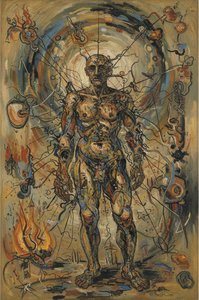 André Masson: Automatism, Surrealism & Primal Expression in 20th-Century ArtExplore the revolutionary art of André Masson – pioneer of automatism & Surrealist expression. Discover his powerful imagery, innovative te…
 Wings of Meaning: Decoding the Powerful Symbolism of Birds in Art HistoryExplore the profound history of avian symbolism from Renaissance icons to Winslow Homer. Decode the secrets behind every wing today.
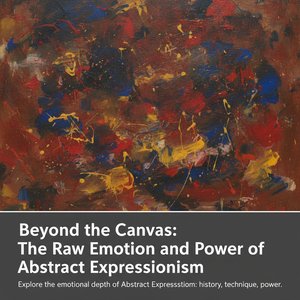 Beyond the Brush: The Raw Emotion and Power of Abstract ExpressionismExplore the profound emotional depth of Abstract Expressionism. From the visceral energy of Action Painting to the serene beauty of Color F…