 Ecsalių versija
 Viskas apie Charon







































 Dėl meno kūrinių ar reprodukcijų, kurių bet kuri pusė yra didesnė nei 105 cm (apie 41 inch), rėmas bus siunčiamas kaip išskaidytas surinkimo rinkinys. Šis metodas užtikrina saugų pristatymą ir apsaugo nuo transportavimo metu galimos žalos.


Charon: A Journey Into Darkness
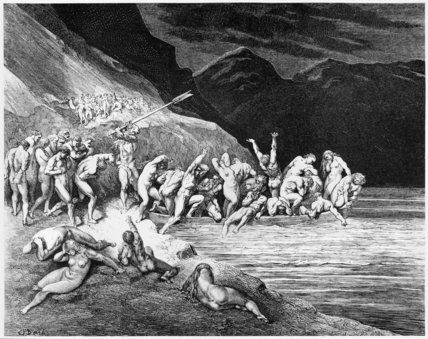
Gustave Doré’s “Charon” – Dante Alighieri’s Inferno Plate IX – is more than just an illustration; it's a visceral embodiment of existential dread and the chilling depiction of death’s gateway. Created in 1872-73, this wood engraving captures the essence of Virgil’s epic poem, transporting viewers into the terrifying realm of Hades with breathtaking detail and dramatic intensity.
- Composition & Narrative: Doré masterfully orchestrates a chaotic scene where souls descend into the underworld. Charon, wielding his spear, commands the flow of tormented spirits amidst a mountainous landscape under a stormy sky—a visual representation of judgment and eternal suffering. The positioning of figures emphasizes the struggle for survival and underscores Dante’s harrowing journey.
- Technique & Style: Doré's signature style is unmistakably academic, prioritizing meticulous realism achieved through hatching and cross-hatching techniques. These painstaking lines don’t merely depict form; they convey texture—the rough stone of the underworld, the dampness of the river Styx—creating a palpable sense of atmosphere. The flattened perspective lends an unsettling immediacy to the scene.
- Symbolism & Emotion: Charon himself symbolizes authority and inescapable fate, reflecting the anxieties surrounding mortality prevalent in Victorian England. The dark landscape embodies uncertainty and fear, mirroring Dante’s protagonist's psychological torment. Doré skillfully communicates these themes through masterful shading and compositional choices.
- Historical Context: Produced during a period of fervent Romanticism, “Charon” reflects the movement’s preoccupation with darkness, emotion, and confronting death—a reaction against Enlightenment rationalism. It aligns perfectly with Dante's exploration of sin and redemption, cementing Doré’s place as a pivotal figure in Victorian art history.
- Impact & Legacy: Doré’s engraving continues to resonate today, influencing artists and designers alike. Its dramatic portrayal of the afterlife serves as a powerful reminder of our own mortality and inspires contemplation on themes of spirituality and judgment—a timeless masterpiece that transcends its historical origins.
This haunting image exemplifies Doré's ability to translate literary narratives into unforgettable visual experiences, securing his legacy as one of the most influential illustrators of the 19th century.
Klausimai ir atsakymai
Ar šis kūrinys Charon yra sukeitintas rankiniu būdu ar atspausdintas?
Ranko darbas: profesionalus pavežėjas rankiniu būdu nukopijuoja Charon aliejuje ant lino drobės.
Kokią dydį turėčiau pasirinkti darbui Charon?
Dydviai svyra nuo 28.1 x 35.5 cm (€489) iki 195.6 x 247.0 cm (€1888); šioje pusėje pateiktoje lentelėje nurodyti pagrindiniai etapai ir jų kainos.
Kiek trunka pristatymas?
Pristatymas užtruks nuo 4 iki 5 savaičių, naudojant nemokamą ekspresinį siuntimą visame pasaulyje; šioje pusėje taip pat galite rinktis skubios gamybos variantą. Jūs galite grąžinti prekę per 100 dienų ir gauti visą sumokėtą sumą atgal, nepriklausomai nuo bet kokių sąlygų.
Kokia technika buvo naudojama kūriniui Charon autoriu Gustavas Dorė?
Graviruotė
 Peržiūrėti realaus dydžio版

 Pasidalinti
 Dalintis
 Išsamiau
 Informacinė l lapelė


 Atsisiųsti
 Panašūs eksponatai
 Rentgeno spindulių nuotrauka
 Automatinė diorama
 问答

 Statistika