Text size

() ·

A painting made for you, by hand

Still life with three skulls

Rankų darbo aliejinės reprodukcijos

Rankiniu būdu tapytas aliejus ant droblio jūsų pageidaujamame dydį ir rėmuose – tai mūsų menininkų pagal užsakymą sukurtas darbas. ( Perjungti į spausdinamus版作品 Perejti prie skaitmeninių vaizdų)

Kolekcinio objekto aprašas

Paul Cézanne's 'Still Life with Three Skulls' (1903) explores mortality & form through haunting composition, reflecting the artist’s innovative style & influence on modern art.

Autoriaus biografija

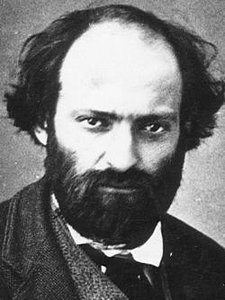
Paul Cézanne (1839–1906) – postimpresionistų pradininkas, jungiantis impresionizmą ir kubizmą. Tyrė geometrines formas, stilizuotus peizažus bei paveikslų kompozicijas, sukeldamas revoliuciją moderniajame mene.

from ·

Chapter 1

How large should it be?

Slide to change the size; the picture on the left shows the frame at its real width. The proportions of the original are kept.

Standartinis dydis
pagal užsakymą
CM
INCH

Pasirinkite iš mūsų nustatytų dydžių, atitinkančių originalaus meno kūrinio proporcijas.

plotis
aukštis

Įveskite jums reikiamą plotį ir aukštį, kad paveikslas atitiktų jūsų rėmą ar sieną. Kadangi šis darbas yra rankinio darbo, siekiant išgauti kitokios formos dydį, paveikslas gali būti šiek tiek didesnis (nuo kraštų bus palikta daugiau erdvės) arba mažesnis – pasirinkite jums patogiausią variantą. Prieš pradedant tapyti, atsiųsime jums skaitmeninį maketą patvirtinimui. Šioje puslapio nuotraukoje matomas vaizdas nėra galutinis rezultatas – jį parodys tik sukurtas maketas.

Chapter 2

How should it arrive?

Choose the edges of the stretched canvas

Choose your frame

Corner sample of the WhiteWrap canvas edge finish, stretched on solidus medžio

**Improved version:**
solidus medis bars
White €1
Corner sample of the BlurSideWrap canvas edge finish, stretched on solidus medžio

**Improved version:**
solidus medis bars
Blurside €1
Corner sample of the ExtendedWrap canvas edge finish, stretched on solidus medžio

**Improved version:**
solidus medis bars
Extended €1
Corner sample of the P118B picture frame: lieto polistirolo detalės, 5 cm wide and 3 cm thick
P118B €10
Corner sample of the P118H picture frame: lieto polistirolo detalės, 5 cm wide and 3 cm thick
P118H €10
Corner sample of the P118W picture frame: lieto polistirolo detalės, 5 cm wide and 3 cm thick
P118W €10
Corner sample of the P438Z picture frame: lieto polistirolo detalės, 5.5 cm wide and 3.5 cm thick
P438Z €10
Corner sample of the P508JH picture frame: lieto polistirolo detalės, 7 cm wide and 3.5 cm thick
P508JH €12
Corner sample of the P508YH picture frame: lieto polistirolo detalės, 7 cm wide and 3.5 cm thick
P508YH €12
Corner sample of the P805H picture frame: lieto polistirolo detalės, 5 cm wide and 3.5 cm thick
P805H €10
Corner sample of the P805Z picture frame: lieto polistirolo detalės, 5 cm wide and 3.5 cm thick
P805Z €10
Corner sample of the P919BZ picture frame: lieto polistirolo detalės, 7 cm wide and 3.5 cm thick
P919BZ €10
Corner sample of the P919G picture frame: lieto polistirolo detalės, 7 cm wide and 3.5 cm thick
P919G €10
Corner sample of the P919XJ picture frame: lieto polistirolo detalės, 7 cm wide and 3.5 cm thick
P919XJ €10
Corner sample of the P959ZH picture frame: lieto polistirolo detalės, 5 cm wide and 3 cm thick
P959ZH €10
Corner sample of the P968JZ picture frame: lieto polistirolo detalės, 6 cm wide and 4 cm thick
P968JZ €12
Corner sample of the W106C picture frame: solidus medžio

**Improved version:**
solidus medis, 5 cm wide and 3 cm thick
W106C €8
Corner sample of the W218G picture frame: solidus medžio

**Improved version:**
solidus medis, 5 cm wide and 3 cm thick
W218G €10
Corner sample of the W218JH picture frame: solidus medžio

**Improved version:**
solidus medis, 5 cm wide and 3 cm thick
W218JH €8
Corner sample of the W218Y picture frame: solidus medžio

**Improved version:**
solidus medis, 5 cm wide and 3 cm thick
W218Y €10
Corner sample of the W307PJ picture frame: solidus medžio

**Improved version:**
solidus medis, 6 cm wide and 3 cm thick
W307PJ €10
Corner sample of the W316G picture frame: solidus medžio

**Improved version:**
solidus medis, 6 cm wide and 3 cm thick
W316G €10
Corner sample of the W316PJ picture frame: solidus medžio

**Improved version:**
solidus medis, 6 cm wide and 3 cm thick
W316PJ €8
Corner sample of the W316Y picture frame: solidus medžio

**Improved version:**
solidus medis, 6 cm wide and 3 cm thick
W316Y €10
Corner sample of the W398PJ picture frame: solidus medžio

**Improved version:**
solidus medis, 5 cm wide and 3 cm thick
W398PJ €8
Corner sample of the W4111J picture frame: solidus medžio

**Improved version:**
solidus medis, 6.5 cm wide and 3.5 cm thick
W4111J €10
Corner sample of the W500HY picture frame: solidus medžio

**Improved version:**
solidus medis, 7 cm wide and 5 cm thick
W500HY €15
Corner sample of the W500JH picture frame: solidus medžio

**Improved version:**
solidus medis, 7 cm wide and 5 cm thick
W500JH €15
Corner sample of the W692G picture frame: solidus medžio

**Improved version:**
solidus medis, 8 cm wide and 4 cm thick
W692G €12
Corner sample of the W849H picture frame: solidus medžio

**Improved version:**
solidus medis, 5 cm wide and 3 cm thick
W849H €8
Corner sample of the W940BG picture frame: solidus medžio

**Improved version:**
solidus medis, 7.5 cm wide and 4.5 cm thick
W940BG €15
Corner sample of the W953PJ picture frame: solidus medžio

**Improved version:**
solidus medis, 6 cm wide and 3.5 cm thick
W953PJ €8
Corner sample of the H24-GOLD picture frame: medžio skulptūra su gipso sluosniu, 10 cm wide and 6 cm thick
H24-GOLD €30
Corner sample of the H24-SILVER picture frame: medžio skulptūra su gipso sluosniu, 10 cm wide and 6 cm thick
H24-SILVER €30
Corner sample of the H36-GOLD picture frame: medžio skulptūra su gipso sluosniu, 15 cm wide and 6.5 cm thick
H36-GOLD €45
Corner sample of the H36-SILVER picture frame: medžio skulptūra su gipso sluosniu, 15 cm wide and 6.5 cm thick
H36-SILVER €45
Rėmo peržiūra
Įrėmintas

Moulding: . Overall size with the frame: .

Chapter 3

Who paints it, and should anything change?

Examples of what can be changed: Replace face with customer photo; Add pet (e.g., replace cat with dog); Include hidden message in background; Change background landscape or elements.
After order, OriginalUniqueArt.com team will email client for instructions and provide a mockup preview

Pristatymas visame pasaulyje () per 3–4 savaites, o ne įprastai – per 5 savaites. (2 lapkritis). Kokybė lieka nepakeičiama.

Chapter 4

The finishing touches

A nameplate, as in a museum?

Išgraviruotos bronzinės plokštelės detalės

This elegant plaque features the artist's name and the title of the artwork, finely engraved for a timeless presentation.

It is made from bronze with a refined, elegant finish. The text is precisely laser-engraved for a sharp and permanent result. Measuring 9x2 cm, the plaque is compact yet easy to read. It's built to be durable and scratch-resistant, offering a professional, museum-quality look. Mounting is simple thanks to the included adhesive backing.

Skaidrios akrilo plokštelės informacija

The plaque includes essential engraved details such as the artist's name, the title of the artwork, the date it was created, the type of media used-like oil on canvas or watercolor-a brief description of the piece, and a QR code that links to the complete artwork information.

It is crafted from clear acrylic, offering a sleek, modern appearance. The text is UV-engraved in black to ensure strong visual contrast. With a size of 10x15 cm, it ensures optimal readability. It comes equipped with two metal hooks for secure wall mounting. The plaque is designed to be weather-resistant, making it suitable for various environments, and it includes interactive features that work seamlessly with smartphone scanning.

Juodos akrilo plokštelės informacija

This elegant plaque includes engraved information such as the artist's name, the title of the artwork, the date it was created, the type of media used (like oil on canvas or watercolor), a short description of the artwork, and a QR code for quick access to more information.

The plaque itself is made from refined black acrylic with a premium finish. The text is laser-engraved in white for high contrast and readability. Its size is 10x15 cm, designed to be easy to read. It comes with two metal hooks for professional mounting. The design is sleek and fits any interior style. It is also weather-resistant and durable, with built-in digital integration for mobile compatibility.

A protective varnish?

When do you need it?

Chapter 5

Your painting, as you ordered it

Still life with three skulls

Reprodukcijos technika

Reprodukcijos matmenys

-

Aukščiausios klasės meistras

Daugiau detalių, meistriškumo ir papildomo gamybos laiko

-

Reprodukcijos rėmėjimo parinktys

-

-

Dėl meno kūrinių ar reprodukcijų, kurių bet kuri pusė yra didesnė nei 105 cm (apie 41 inch), rėmas bus siunčiamas kaip išskaidytas surinkimo rinkinys. Šis metodas užtikrina saugų pristatymą ir apsaugo nuo transportavimo metu galimos žalos.

Reikalingas profesionalus surinkimas – tai nėra „pasidaryk pats“ (DIY) produktas.
Rinkinys turi būti surinktas, o drobė išplėsta naudojant patyrį profesionalų rėmininką, medžio klijus (nėra įtraukti į rinkinį), drobės plėšimo kleslę bei presas, kad rėmo rėžiai išliktų tiesūs, kol klijai išdžiūvus. Netinkamas surinkimas arba netolydus drobės įtampa gali negrįžtamai sugadinti meno kūrinį, todėl šie atvejai nėra užtraukiami mūsų garantijos.

  • Į komplektą įeina visi vientisos medienos elementai, tiksliai išpjauti pagal dydį.

  • Surmontinama naudojant pridėtus varžtus bei papildomai reikalingą medžio kliją kampų jungtims, kuris nėra pridėtas ir turi būti parinktas rėmininkui.

  • Reikalingi profesionalūs įrankiai, kurie nėra įtraukti į rinkinį: drobės kėlimo plytelės (stiprintuvai) ir klemiai, laikantys rėmo strygius tiesiu kampu, kol džiūsta lipas.

Svarbu:
Kampų jungtims reikalingi medžio klijai, barams reikia laikyti naudojant presas, kol klijai visiškai išdžiūvės, o surinktam rėmui įtempiamai privilgti būtinos drobės įtempimo plytযুক্ত. Šios priemonės į rinkinį neįtrauktos. Prieš užsakydami šio dydžio rinkinį, rekomenduojame pasimalkoti patyrusiu rėmų meistru.

Pavadinimo lentelė

-

-

Apsauginis lakas

Blizgus lakas (ryškina spalvas, saugo nuo šviesos ir drėgmės)

-

Personalizuoti kūrinį

Ką galima pakeisti (pavyzdžiui): pakeisti veidą klientui skirta nuotrauka; pridėti augintinį (pvz., katę pakeisti šuniu); įtraukti paslėptą žinutę fone; pakeisti fono kraštovaizdį ar elementus.

-

Skubiai

Pristatymas visame pasaulyje () per 3–4 savaites, o ne įprastai – per 5 savaites. (2 lapkritis). Kokybė lieka nepakeičiama.

-

Skubus pristatymas

Pristatymas visame pasaulyje () per 5 weeks. (9 lapkritis).

Įskaičiuota

Bendroji kaina

€ 267

Visos kainos suma € 267

Stiklo variantas prieinamas tik pasirinkus dydį iki 110 cm

Included with every order

  • Nemokamas greitasis pristatymas visame pasaulyje
  • Aukštos kokybės lininis drobė
  • Pilnas siuntimo draudimas
  • Muitinės mokesčių grąžinimo garantija
  • Tikro spalvų atitikimo garantija
  • 100 dienų grąžinimo politika (tik esant įtaigoms)
  • 100% pinigų grąžinimo garantija
  • Nuolaida dideliems užsakymams

Still Life with Three Skulls: A Meditation on Mortality by Paul Cézanne

Paul Cézanne’s “Still Life with Three Skulls,” painted around 1903, is far more than a simple arrangement of bone; it's a profound and unsettling meditation on mortality, the passage of time, and the very essence of being. This work, housed within the Art Institute of Chicago, stands as a pivotal moment in Cézanne’s artistic evolution – a bridge between the vibrant hues of Impressionism and the nascent geometric explorations that would define Cubism. The painting immediately confronts the viewer with its stark simplicity: three skulls, arranged in a deliberate pyramid formation, rest upon a draped couch beneath a muted, almost somber sky. Yet, within this apparent stillness lies a complex web of symbolism and artistic innovation. The choice of skulls as subject matter is deeply rooted in the late 19th century’s fascination with death and decay – a theme prevalent in still life painting since the Middle Ages. However, Cézanne transcends mere representation; he imbues these objects with an almost sculptural quality. The artist's use of watercolour, a medium often associated with delicacy, here creates a startling contrast against the macabre subject matter. The translucent washes and loose brushstrokes lend a sense of fragility to the skulls, as if they might dissolve into nothingness at any moment. This deliberate juxtaposition of materials – the smooth, cool surface of the paper versus the rough texture of bone – heightens the painting’s emotional impact. Notably, Cézanne's exploration of this theme aligns with his personal reflections on mortality, documented in his letters during his final years, where he frequently expressed a preoccupation with death and the ephemeral nature of life. Cézanne’s revolutionary approach to composition is immediately apparent. He abandons traditional perspective, flattening space and prioritizing the underlying structure of objects. The skulls are not depicted as realistically as one might expect; instead, they are rendered as simplified geometric forms – pyramids, planes, and cylinders – echoing Cézanne's earlier studies of Mont Sainte-Victoire. This technique, a cornerstone of his artistic vision, anticipates the Cubist movement that would emerge decades later. The strategic placement of the two chairs in the background further reinforces this sense of spatial ambiguity, drawing the viewer’s eye into the heart of the composition and emphasizing the skulls' central role. The muted color palette – primarily browns, grays, and pale yellows – contributes to the painting’s somber mood, creating a visual atmosphere that is both haunting and contemplative. Beyond its formal innovations, “Still Life with Three Skulls” carries a potent symbolic weight. The skull, traditionally associated with death and remembrance, serves as a reminder of our own mortality. Cézanne's deliberate arrangement in a pyramid – a shape often linked to stability and eternity – suggests an attempt to grapple with the paradox of life and death. The painting can be interpreted as a meditation on the cyclical nature of existence, where decay and renewal are inextricably intertwined. Furthermore, the work’s historical context is crucial: Cézanne was part of a Post-Impressionist movement that reacted against Impressionism's focus on capturing fleeting moments of light and color. He sought to create works with a more enduring quality, rooted in underlying structure and form. His initial reception was mixed, met with incomprehension and ridicule, but his work gradually gained recognition through the support of fellow artists like Camille Pissarro and Ambroise Vollard.
  • Key Techniques: Watercolour on paper; Loose brushstrokes; Flattened perspective; Geometric simplification.
  • Symbolism: Mortality, decay, the passage of time, cyclical existence.
  • Historical Context: Post-Impressionism; Reaction against Impressionism’s focus on light and color; Influence on Cubism.
The painting's legacy extends far beyond its initial reception. Cézanne’s innovative approach to form and color profoundly influenced generations of artists, including Henri Matisse and Pablo Picasso. His work demonstrated that art could be more than a mere representation of reality; it could be a vehicle for exploring complex ideas and emotions. Today, “Still Life with Three Skulls” remains a powerful testament to Cézanne’s artistic genius – a hauntingly beautiful meditation on the human condition. For those seeking a high-quality reproduction, OriginalUniqueArt offers meticulously crafted hand-painted reproductions that capture the essence of this iconic masterpiece. Explore our collection at OriginalUniqueArt to bring this timeless work into your home or studio.

Paul Cézanne: A Biographical Sketch

Born in Aix-en-Provence, France, in 1839, Paul Cézanne’s artistic journey was anything but conventional. Initially destined for a career in law, he abandoned his family's expectations and pursued his passion for painting with unwavering determination. His father, a successful banker, provided the financial stability that allowed him to dedicate himself fully to art – a rare privilege at the time. Cézanne’s early influences included Romanticism and the Barbizon school of landscape painting, which instilled in him a deep appreciation for nature and its forms. However, he quickly developed his own distinctive style, characterized by an emphasis on structure, color, and form. Cézanne's artistic development was shaped by encounters with other artists, including Vincent van Gogh and Paul Gauguin, whose explorations of color and form profoundly influenced his work. He spent several years studying at the Académie Suisse in Paris but largely developed his style independently, experimenting with various techniques and approaches. His dedication to observation and analysis is evident in his meticulous studies of objects – fruits, landscapes, and still lifes – which he used as a foundation for his paintings. Cézanne’s later life was marked by increasing isolation and a preoccupation with mortality, themes that are powerfully expressed in works like “Still Life with Three Skulls.” Despite facing initial criticism and rejection, Cézanne's innovative spirit ultimately paved the way for modern art, leaving an indelible mark on the history of painting.
  • Birth Year: 1839
  • Birth City: Aix-en-Provence
  • Birth Country: France
  • Key Influences: Romanticism, Barbizon School, Vincent van Gogh, Paul Gauguin.
To further explore Cézanne’s artistic world and discover other remarkable works, visit OriginalUniqueArt for a comprehensive collection of handmade oil painting reproductions and detailed information about his life and legacy. You can also find valuable resources on Wikipedia: Paul Cézanne on Wikipedia and explore related works such as “Mont Sainte-Victoire Seen from les Lauves” at Paul Cézanne: Mont Sainte-Victoire Seen from les Lauves.

Klausimai ir atsakymai

Ar yra panašių darbų kaip „Still life with three skulls“?

Puslapio Panašūs kūriniai skiltyje, skirtoje kūriniam darbui „Still life with three skulls“ – Polis Sezanas, pateikiami panašūs meno kūriniai.

Kada buvo sukurta „Still life with three skulls“ ir prie kokio meno stiliaus ji priskiriama?

„Still life with three skulls“ – Polis Sezanas sukurta 1903 m. ir priklauso Post-Impressionism stiliui.

Kur galiu įsigyti „Still life with three skulls“ – Polis Sezanas skaitmeninį vaizdą?

Norėdami gauti „Still life with three skulls“ – Polis Sezanas skaitmeninį failą, užsisakykite aukštos raiškos skaitmeninio vaizdo atsisiuntimas jo Skaitmeninis vaizdas puslapio.

More about this painting

Peržiūrėti realaus dydžio版 Peržiūrėti AR realybėje Perjungti į spausdinamus版作品 Perejti prie skaitmeninių vaizdų Pasidalinti
Išsamiau Vadovas Pridėti į mėgstamiausius Atsisiųsti Panašūs eksponatai Rentgeno spindulių nuotrauka Automatinė diorama Q&A Statistika

In numbers

  • 1903the year it was painted
  • 29frames to choose from
  • standard sizes, in its own proportions
  • 5weeks to paint and deliver it
Polis Sezanas

Polis Sezanas

1839 - 1906, Prancūzija

Quick facts about Polis Sezanas

  • Artistic Movement Or Style: Postimpresionizmas
  • Artists Or Movements Influenced By This Artist:
    • Kubizmas
    • Fovizmas
    • Surrealizmas
  • Artists Who Influenced This Artist:
    • Romantizmas
    • Barbizon mokykla
    • Polis Gogenas
    • Ž. Seuras
  • Date Of Birth: 1839-01-19
  • Date Of Death: 1906-10-22
  • Full Name: Polis Sezanas
  • Nationality: Prancūzas
  • Notable Artworks:
    • Pirmtakas Jas de Bouffan
    • Portretas E. Zola
    • Miškas
    • Mont Sainte-Victoire serija
    • Maudynės
  • Place Of Birth: Ekso, Prancūzija

Autoriaus biografija

Paul Cézanne: Modernumo Tėvo Vizija

Paulis Sezanas, gimęs 1839 m. sausio 19 d. Ekse, Prancūzijoje, stovi kaip monumentalus veikėjas, jungiantis trumpalaikius įspūdžius, būdingus impresionizmui, ir fragmentuotas formas, kurias atstovauja kubizmas. Jo kelionė nebuvo greita sėkmės istorija; tai buvo lėtas meninės ekspresijos procesas, pažymėtas savęs abejonėmis ir kritikos atmetimu, galiausiai sukūręs palikimą, kuris nepataisomai pakeitė moderniosios dailės eigą. Gime pasiturtingą šeimą – jo tėvas pirmiausia buvo skrybėčių pardavėjas, vėliau bankininkas – Sezanas mėgavosi finansiniu saugumu, neįprastu siekiantiems menininkams, suteikdamas jam laisvę skirti save savo aistrai be tiesioginio komercinės sėkmės spaudimo. Nors jo tėvas pirmiausia norėjo, kad jis pasirinktų teisines karjeros kelią, meno ekspresijos jėga buvo per stipri, ir jis galiausiai atsisakė teisės studijų, kad imtųsi tapymo – sprendimas, kuris apibrėš jo gyvenimą. Ankstyvosios įtakos apėmė romantizmą, vyravusį jo jaunystėje, ir Barbizono mokyklos dedikaciją peizažui, tačiau būtent susidūrus su tokiais menininkais kaip Paulis Gogenas ir Džordžas Seuratas, ir jų inovatyviomis spalvų ir formų priemonėmis, Sezanas pradėjo formuoti savo atskirą kelią.

Nuo Tamsos Link Struktūros: Stiliaus Evoliucija

Sezano ankstyvieji darbai dažnai atspindėdavo dramatiškas, emocingas temas, būdingas romantizmo tapybai – tamsios paletės ir ekspresyvūs tepteliai dominuodavo jo drobėse. Tačiau ši pradinė fazė buvo tik žingsnis į daug analitiškesnį ir inovatyvesnį požiūrį. Nesitenkinęs tiesiog užfiksavus šviesos trumpalaikius įspūdžius, kaip tai vertino impresionistai, Sezanas išvyko ieškoti pagrindinės objektų struktūros supratimo ir atvaizdo. Jis siekė ne tik to, *ką* mato, bet ir *kaip* suvokia fundamentalias formas, sudarančias realybę. Tai jį paskatino suskaldyti natūralius pavidalus į jų geometrines ekvivalentus – kūrius, cilindrus, sferas – numatydamas kubistų revoliuciją dešimtmečius iki jos atsiradimo. Jo technika pasižymėjo mažais, kartotiniais tepteliais, kruopščiai sluoksniais sudedant sudėtingas spalvų ir tekstūrų erdves, sukuriant tvirtumo ir gylio pojūtį, anksčiau nematytą tapyboje. Jis nebuvo įsitikinęs dėl iliuzinio erdvės; vietoj to jis dažnai pateikė objektus iš kelių perspektyvų vienu metu, mėsdamas tradicinius perspektyvos principus ir priverčiant žiūrovą aktyviai bendradarbiauti su jo kompozicijų konstruktu. Šis sąmoningas iškraipymas nebuvo atsitiktinis, bet bandymas perteikti visapusiškesnį formos supratimą, atspindėti ne vien tik tam tikrą momentą laike, bet ir suvokimo sintezę.

Peizažai, Natūrmortai ir Žmogaus Forma: Pagrindiniai Darbai ir Kartojantis Motyvas

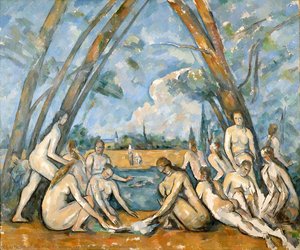
Sezano kūriniai yra nepaprastai įvairūs, apimantys peizažus, natūrmortus, portretus ir maudynių scenas, tačiau visus juos suvienija jo unikalus požiūris į formą ir spalvą. Tvenkinys Jas de Bouffan, nutapytas 1880 m., pavyzdu rodo jo peizažo darbą, parodydamas jo gebėjimą užfiksuoti gamtos esmę atidžiai suderinus formas ir tonus. Portretas Émile Zola, sukurtas 1866 m., parodo jo besivystantį stilių ir suteikia įtikinamą žvilgsnį į jo artimo draugo ir bendražygio rašytojo intelektinį intensyvumą. Jo natūrmortai, pavyzdžiui, tie, kuriuose yra obuolių ir kitų vaisių, nėra tik objektų atvaizdai, bet ir tūrio, šviesos ir erdvių santykių tyrimai. Mont Sainte-Victoire serija tapo Sezano obsesija – kartojantis motyvas, kuris leido jam nuolat tyrinėti formą ir perspektyvą per dešimtmečius. Šie paveikslai nėra tik kalno atvaizdai; tai tyrimai apie tai, kaip mes suvokiamo gylį, tūrį bei šviesos ir šešėlio sąveiką. Galiausiai, jo Maudytojų serija, kuriame vaizduojami nuogi figūros idiliškuose peizažuose, atspindi gilų žmogaus formos tyrimą ir jos ryšį su gamta, dažnai įkvėptą amžinybės ir tylios kontempliacijos.

Palikimas, Sukurtas Inovacijomis: Sezano Įtaka Moderniajame Mente

Paulio Sezano poveikis paskesnėms menininkų kartoms yra neįvertinamas. Jis plačiai laikomas „modernaus meno tėvu“ dėl jo novatoriškų indėlių į paveikslinę kalbą, atidaręs kelią daugeliui pagrindinių XX amžiaus meninių judėjimo tendencijų. Pablo Pikaso ir Džordžas Brakas buvo giliai įsipareigoję Sezano geometrinių formų ir daugybės perspektyvų pabrėžimui, kurie tapo centriniais kubizmo principais. Jo drąsus spalvų vartojimas taip pat įkvėpė Fauvistų judėjimą, kuriam vadovavo tokie menininkai kaip Henri Matisas, kurie priėmė ryškias, ne natūralias spalvas. Net surrealistų menininkai rado atgarsį Sezano tyrimuose subjektyvaus suvokimo ir psichologinės gylio srityse. Be konkrečių judėjimo tendencijų, Sezano įsitikinimas menininko asmeniniu viziju ir jo atmetimas tradicinių akademinių apribojimų išlaisvino daugybę tapytojų tyrinėti naujas ekspresijos formas. Jis paragino peržiūrėti pačią reprezentacijos apibrėžimą, perkeldamas dėmesį nuo realybės imituojamosios imitacijos iki vizualinės patirties konstrukcijos, pagrįstos pogrindine struktūra ir subjektyviu suvokimu. Jo mirtis 1906 metais pažymėjo ne pabaigą, bet pradžią – naujos epochos aušrą meno istorijoje, kurią giliai paveikė jo revoliucinis vizijas.