Perjungti į spausdinamus版作品
 Skaityti daugiau







































 Dėl meno kūrinių ar reprodukcijų, kurių bet kuri pusė yra didesnė nei 105 cm (apie 41 inch), rėmas bus siunčiamas kaip išskaidytas surinkimo rinkinys. Šis metodas užtikrina saugų pristatymą ir apsaugo nuo transportavimo metu galimos žalos.


The Painting and Its Artist
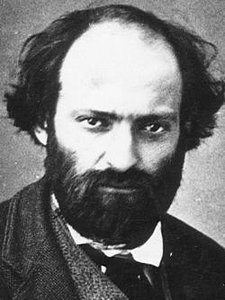
Paul Cézanne, a French painter, is renowned for his pivotal role in the transition from 19th-century Impressionism to early 20th-century Cubism. His work, characterized by repetitive brushstrokes and an emphasis on structure, laid the groundwork for avant-garde movements. "Flowers in a Blue Vase," created in 1875, is one of his notable works that exemplify his unique style.Artistic Style and Technique
This painting is a quintessential example of Post-Impressionism, a movement that emerged as a reaction against the naturalistic depiction of light and color in Impressionist art. Cézanne's use of planes of color and small brushstrokes creates complex fields, giving the painting a dynamic and expressive quality.Historical Context
In 1875, when "Flowers in a Blue Vase" was painted, Cézanne was still developing his style. His early works were influenced by Romanticism and Realism, but he soon moved towards a more innovative approach. This painting reflects his intense study of subjects and his emphasis on the underlying structure of objects.Reception and Legacy
Initially, Cézanne's work was met with incomprehension and ridicule. However, fellow artists like Camille Pissarro and art dealer Ambroise Vollard recognized his genius. The first solo exhibition of his works in 1895 at Vollard's gallery marked a turning point in his career. Both Henri Matisse and Pablo Picasso acknowledged Cézanne as "the father of us all."Current Location and Significance
"Flowers in a Blue Vase" is housed at the The State Hermitage Museum in Russia, a testament to its enduring importance. This painting, along with others by Cézanne, continues to inspire artists and art enthusiasts worldwide.Conclusion
"Cezanne's "Flowers in a Blue Vase" is a seminal work that bridges the gap between Impressionism and Cubism. Its innovative style and technique have influenced generations of artists. For those interested in exploring more of Cézanne's works, Paul Cézanne: Flowers in a Blue Vase and Paul Cézanne: Still Life with Curtain and Flowered Pitcher are available at OriginalUniqueArt. These hand-made oil painting reproductions offer a unique opportunity to own a piece of art history.- Post-Impressionism Art Movement: A predominantly French movement that developed roughly between 1886 and 1905, characterized by a reaction against Impressionists' concern for the naturalistic depiction of light and color. Learn more about Post-Impressionism.
- Paul Cézanne's Biography: A French painter who introduced new modes of representation and influenced avant-garde artistic movements. Read more about Paul Cézanne on Wikipedia.
- History of Art: The history of art focuses on objects made by humans for various purposes, with a primary emphasis on their aesthetic visual form. Explore the History of Art on Wikipedia.
This article provides an in-depth look at "Flowers in a Blue Vase" by Paul Cézanne, highlighting its significance within the Post-Impressionist movement and its enduring influence on modern art.
Klausimai ir atsakymai
Kokį Polis Sezanas kūrybos etapą atspindi „Flowers in a Blue Vase“?
Polis Sezanas kūrybos enceklopedijoje kūrinys „Flowers in a Blue Vase“ priskiriamas Mature Period laikotarpiui. Šis etapas leidžia palyginti jį su kitais šio autoriaus kūriniais.
Ar „Flowers in a Blue Vase“ – Polis Sezanas spalvos yra ryškios ar blėdžios?
„Flowers in a Blue Vase“ – Polis Sezanas spalvos pasižymi Ryški spalvų išraiška nasyginimu ir Vividūs intensyvumu.
Kam rekomenduojama „Flowers in a Blue Vase“ – Polis Sezanas reprodukcija?
Rekomenduojamas „Flowers in a Blue Vase“ spausdinio naudojimas yra Akcentas.
 Peržiūrėti realaus dydžio版
 Pasidalinti
 Dalintis
 Išsamiau
 Vadovas

 Atsisiųsti
 Panašūs eksponatai
 Rentgeno spindulių nuotrauka
 Automatinė diorama
 Q&A
Q&A Statistika