
 Pirkti atspaudą Pirkti skaitmeninį paveikslą
 Pasidalinti
 Dalintis
 Išsamiau
 Pridėti į mėgstamiausius

 Atsisiųsti
 Panašūs eksponatai
 Rentgeno nuotrauka
 Automatinė diorama
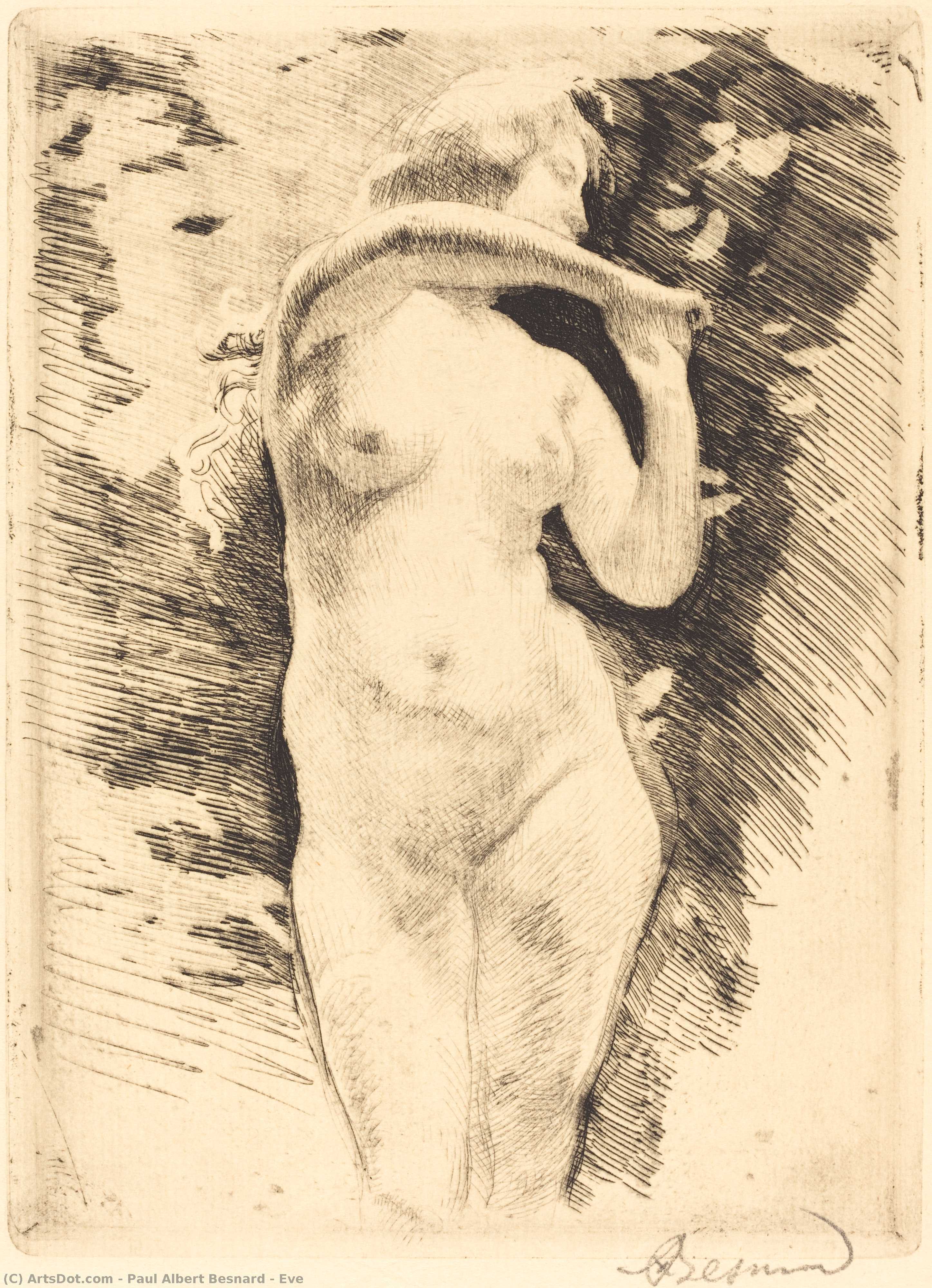
Eve


 Skaityti daugiau
Rankų darbo aliejinės reprodukcijos
Rankiniu būdu tapytas aliejus ant droblio jūsų pageidaujamame dydį ir rėmuose – mūsų menininkų darbas pagal užsakymą.




































Pasirinkite iš mūsų nustatytų dydžių, atitinkančių originalaus meno kūrinio proporcijas.

Galite įvesti savo matmenis, kad jie atitiktų konkretų rėmą ar erdvę. Jei pasirinktas dydis neatitinka originalaus paveikslėlio proporcijų, mes arba apkropsime meno kūrinį, arba papildysime tapybą rankomis dažytい elementais. Prieš pradėdami gamybą, jūsų patvirtinimui atsiųsime skaitmeninį maketą.
Atkreipkite dėmesį, kad ekrane rodomas vaizdas neatspindi tikrojo apkarpymo ar papildymo. Tik maketas tiksliai parodys galutinę kompoziciją.
Nors galima rinktis ir individualius dydžius, rekomenduojame pasirinkti matmenis iš nustatytos sąrašo, kad būtų išlaikytos originalios proporcijos.
Gavus užsakymą, OriginalUniqueArt.com komanda susisieks su klientu el. paštu dėl instrukcijų ir pateiks maketo pavyzdį.
Pristatymas visame pasaulyje () per 3–4 savaites, o ne įprastai – per 5 savaites. (18 liepa). Kokybė lieka nepakeičiama.

Nemokamas greitasis pristatymas visame pasaulyje

Aukštos kokybės lininis drobė

Pilnas siuntimo draudimas

Muitinės mokesčių grąžinimo garantija

Tikro spalvų atitikimo garantija

60 dienų grąžinimo politika (tik esant gamyklinėms defektams)

100% pinigų grąžinimo garantija

Nuolaida už kelias reprodukcijas
 Stiklo variantas prieinamas tik pasirinkus dydį iki 110 cm

Eve
Reprodukcijos technika
Reprodukcijos matmenys
-


Galutinė kaina
-
Autoriaus biografija
Paul Albert Besnard: Bridging Impressionism and Decorative Grandeur
Paul Albert Besnard (1849-1934) stands as a singular figure in French art of the late nineteenth and early twentieth centuries—a painter who stubbornly resisted categorization while simultaneously achieving remarkable success across diverse artistic mediums. Born in Paris, he possessed an innate talent nurtured by formal training at the École des Beaux-Arts under Jean Bremond and profoundly shaped by the pioneering spirit of Alexandre Cabanel, whose meticulous realism served as a cornerstone for Besnard’s initial artistic explorations. His academic grounding provided a disciplined foundation upon which he would later forge his own distinctive path, one characterized by an unwavering fascination with color and light—concepts championed by the Impressionists. Despite eschewing the overtly dramatic aesthetic favored by his contemporaries, Besnard skillfully adapted Impressionistic techniques to monumental decorative projects. This decision cemented his reputation as a master craftsman and visionary artist. His frescoes adorning prestigious locations like the Sorbonne, École de Pharmacie, Comédie Française’s Salle des Sciences, Hôtel de Ville, and Berck Hospital's chapel exemplify this ambition—each station of the cross meticulously rendered in an entirely modern idiom that departed dramatically from traditional religious iconography. These ambitious undertakings underscore Besnard’s belief that art could serve as a vehicle for conveying profound ideas while simultaneously captivating the senses. Besnard’s artistic journey wasn’t solely defined by grand commissions; he cultivated a prodigious talent across watercolor, pastel, oil, and etching. His portraits captivated audiences with their psychological depth and expressive subtlety—particularly his depiction of Madame Georges Rodenbach, a daring exploration of unconventional beauty and stylistic innovation. Similarly, “The King and Queen of Belgium” showcased Besnard’s ability to capture regal dignity alongside nuanced emotional resonance. Influenced by Gainsborough and Reynolds during his formative years in England, he honed his observational skills and incorporated elements of landscape painting into his oeuvre. Furthermore, Besnard's meticulous study of light—evident in works like “La Femme qui se chauffe” at the Luxembourg Museum—demonstrated a commitment to scientific rigor alongside artistic intuition. His exploration of India in 1911 yielded striking nude studies that captured the ethereal beauty of the subcontinent and solidified his reputation as one of France’s foremost artists. He bravely confronted the looming shadow of impending war with “Peace by Arbitration,” completing it just days before hostilities erupted, reflecting a humanist sensibility deeply rooted in the artistic traditions of his time. Besnard's legacy extends beyond individual masterpieces; he established himself as a pivotal figure in shaping the visual culture of the Belle Époque and beyond. His unwavering dedication to mastering technique combined with an imaginative spirit ensured that his work continues to inspire admiration and scholarly inquiry—a testament to his enduring contribution to French art history.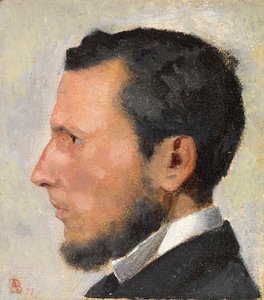
Paul Albert Besnard
1849 - 1934 , France
Trumpa informacija
- Artistic Movement Or Style: Impressionism
- Artists Or Movements Influenced By This Artist: ['Academic Painting']
- Artists Who Influenced This Artist:
- Alexandre Cabanel
- Thomas Gainsborough
- Date Of Birth: Paris, France (1849)
- Date Of Death: 1934
- Full Name: Paul Albert Besnard
- Nationality: French
- Notable Artworks:
- Death of Timophanes
- Peace by arbitration
- Portrait de Madame Georges Rodenbach
- Place Of Birth: Paris

