
 Peržiūrėti realybėje
 Pasidalinti
 Dalintis
 Išsamiau

 Atsisiųsti
 Panašūs eksponatai
 Rentgeno nuotrauka
 Automatinė diorama
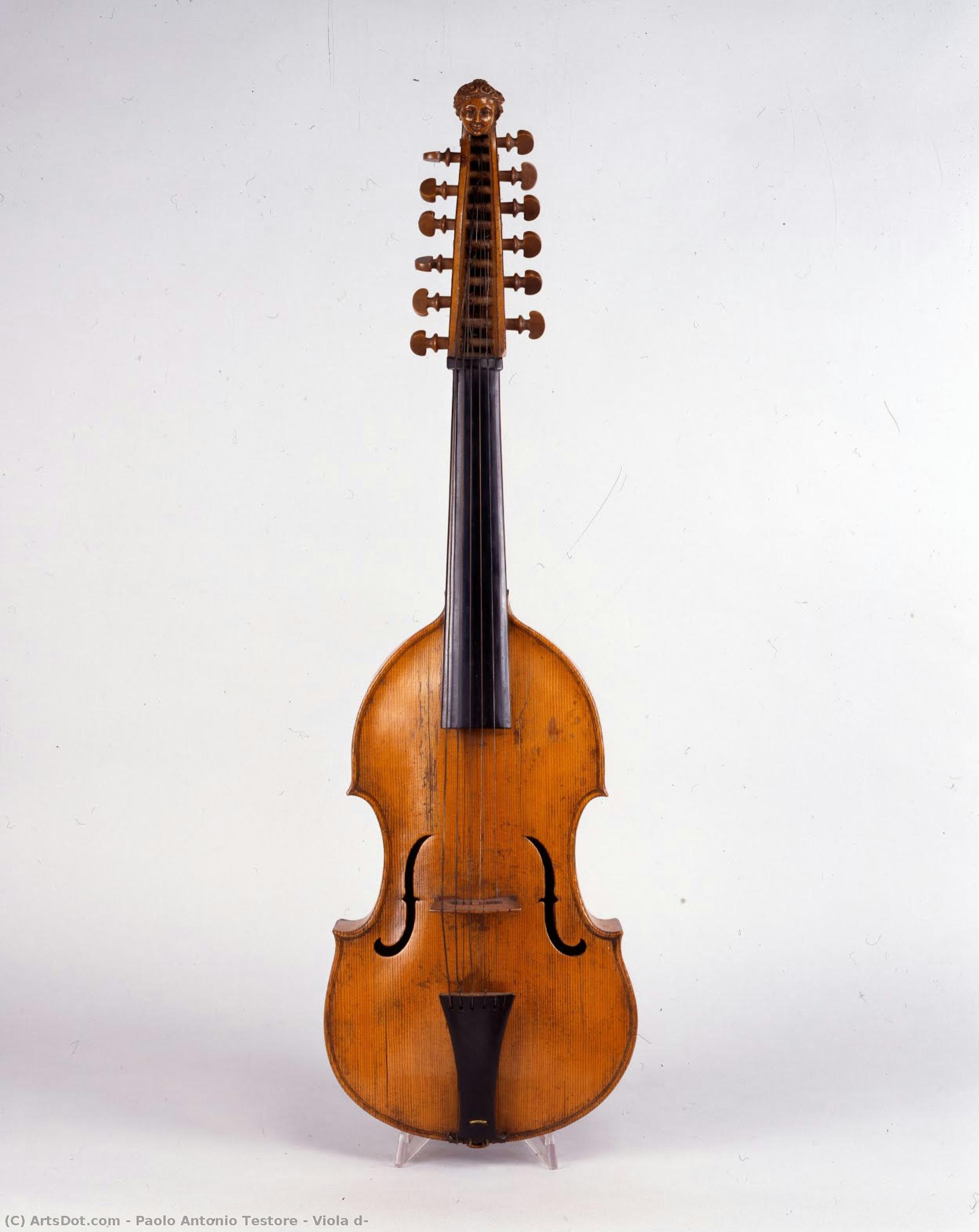
Viola d


 Skaityti daugiau
Giclée / Meno spausdinimas
Muziejų lygio „giclée“ arba drobos spausdinimas: greita gamyba ir lankstios apdailos parinktys. ( Perejti prie rankinio darbo paveikslėlio Perjungti į vaizdą)




































Pasirinkite iš mūsų nustatytų dydžių, atitinkančių originalaus meno kūrinio proporcijas.

Galite nurodyti savo matmenis, kad vaizdas atitiktų konkretų rėmą ar erdvę. Jei pasirinktas dydis nesutaps su originalaus paveikslėlio proporcijomis, mes arba apkirpsime kūrinį, arba išplėsime vaizdą naudojant veideliu atspindėtą arba vientisą šoną. Skaitmeninis maketas bus išsiųstas jums patvirtinti prieš pradedant gamybą.
Atkreipkite dėmesį, kad ekrane matomas vaizdinys neatspindi tikrojo apkirpimo ar išplėtimo. Tik maketas tiksliai parodytų galutinę kompoziciją.
Nors galima rinktis ir individualius dydžius, rekomenduojame pasirinkti vieną iš išanksti nustatytų matmenų, kad būtų išlaikytos originalios proporcijos.
Pristatymas visame pasaulyje () per 2 weeks, o ne įprastas 4/5 savaičių laikotarpis. (9 rugpjūtis)

Nemokamas greitasis pristatymas visame pasaulyje

Aukštos kokybės lininis drobė

Pilnas siuntimo draudimas

Muitinės mokesčių grąžinimo garantija

Tikro spalvų atitikimo garantija

60 dienų grąžinimo politika (tik esant gamyklinėms defektams)

100% pinigų grąžinimo garantija

Nuolaida už kelias reprodukcijas
 Stiklo variantas prieinamas tik pasirinkus dydį iki 110 cm

Viola d
Giclée / Meno spausdinimas
Reprodukcijos matmenys
-


Galutinė kaina
$ 80
Kolekcinio eksponato aprašymas
Autoriaus biografija
The Shadow of Europe: Theodore de Bry and the Genesis of American Art
Theodore de Bry’s name might not be instantly recognizable to the modern art enthusiast, yet his contribution to the visual representation of early America is monumental. Born in 1598 in Schaffhausen, Switzerland, de Bry wasn't a painter himself, but rather a prolific engraver and publisher who fundamentally shaped how Europeans understood – and subsequently, represented – the New World during the tumultuous decades following European colonization. His work, particularly his series of engravings depicting scenes from Pocahontas’s life and other Native American encounters, served as a crucial bridge between Europe's preconceived notions of the Americas and the reality unfolding on its shores. De Bry’s influence extends far beyond mere documentation; he actively participated in constructing a narrative of European superiority, subtly reinforcing colonial ideologies through his meticulously crafted images.Early Life and Rise to Prominence
De Bry's career began as an assistant to the renowned German engraver Matham in London. He quickly established himself as a skilled craftsman, producing intricate engravings for various publications, including botanical illustrations and anatomical studies. However, it was his involvement with Jacques de La Roque’s expedition to Virginia in 1634 that truly propelled him into the spotlight. De Bry meticulously documented the expedition's findings, creating detailed engravings of Native American customs, settlements, and landscapes – images that would soon become widely disseminated throughout Europe. This early work established his reputation as a reliable recorder of colonial experiences, but it also laid the groundwork for his later role in shaping European perceptions.The Pocahontas Engravings: A Complex Legacy
De Bry’s most famous series centers around the story of Pocahontas and John Rolfe. Commissioned by the Virginia Company, he produced a sequence of engravings depicting her baptism, marriage to Rolfe, and eventual death. These images, while visually striking and technically impressive for their time, are deeply problematic when viewed through a modern lens. De Bry presented Pocahontas as a passive, almost ethereal figure – a “noble savage” stripped of agency and reduced to a symbol of European virtue. The engravings subtly reinforced the colonial narrative of Native Americans as primitive and in need of Christian salvation, effectively justifying European expansion and control. Crucially, de Bry’s depictions were heavily influenced by contemporary accounts, which often distorted or misrepresented Native American culture and practices. Important Note: It's vital to recognize that de Bry wasn’t simply a passive recorder; he actively shaped the narrative through his artistic choices. His engravings weren’t objective representations but rather interpretations imbued with European biases.Technique and Style: The Power of the Print
De Bry’s success stemmed not only from his skill as an engraver but also from his mastery of printmaking techniques. He employed a complex process involving multiple plates, each meticulously etched to create varying shades and textures. This allowed him to achieve remarkable detail and realism in his engravings – qualities that were highly valued by European audiences accustomed to the elaborate imagery of Renaissance art. His work demonstrates a keen understanding of chiaroscuro (the use of light and shadow) and perspective, creating images that are both visually engaging and technically sophisticated. Furthermore, he was one of the first to utilize color in his engravings, adding another layer of richness and detail to his depictions of the New World.Historical Significance and Lasting Impact
Theodore de Bry’s engravings played a pivotal role in shaping European perceptions of America during the 17th century. They were widely circulated throughout Europe, influencing artists, writers, and policymakers alike. His work contributed to the romanticized image of the “New World” – an exotic land filled with indigenous peoples who were both fascinating and in need of Christian guidance. While his depictions often perpetuated colonial stereotypes, they also provided a valuable visual record of early American life. Today, de Bry’s engravings serve as a crucial reminder of the complex and often fraught relationship between Europe and the Americas—a relationship shaped by power dynamics, cultural misunderstandings, and the enduring legacy of artistic representation. His work continues to be studied for its historical significance and its insights into the construction of colonial narratives.
paolo antonio testore
1700 - 1767 , Italy
Trumpa informacija
- Artistic Movement Or Style: True-View Painting (Joseon Period)
- Date Of Death: 1759
- Full Name: Jeong Seon (Gyeomjae)
- Nationality: Korean
- Notable Artworks: ['Landscape Paintings']
- Place Of Birth: Korea

