
 Peržiūrėti realaus dydžio版
 Pasidalinti
 Dalintis
 Išsamiau
 Vadovas

 Atsisiųsti
 Panašūs eksponatai
 Rentgeno spindulių nuotrauka
 Automatinė diorama
 问答
问答 Statistika
Peasant and his son

- 75.0 x 56.0 cm


 Skaityti daugiau
Giclée / Meno spausdinimas
Muziejų lygio „giclée“ arba drobos spausdinimas: greita gamyba ir lankstios apdailos parinktys. ( Pirkti rankų darbo tapybą Perejti prie skaitmeninių vaizdų)




P118B €10

P118H €10

P118W €10

P438Z €10

P508JH €12

P508YH €12

P805H €10

P805Z €10

P919BZ €10

P919G €10

P919XJ €10

P959ZH €10

P968JZ €12

W106C €8

W218G €10

W218JH €8

W218Y €10

W307PJ €10

W316G €10

W316PJ €8

W316Y €10

W398PJ €8

W4111J €10

W500HY €15

W500JH €15

W692G €12

W849H €8

W940BG €15

W953PJ €8




Pasirinkite iš mūsų nustatytų dydžių, atitinkančių originalaus meno kūrinio proporcijas.

Įveskite jums reikiamą plotį ir aukštį, kad atvaizdas derėtų prie jūsų rėmo ar sienos. Spausdiną galima tik sumažinti, bet nepadidinti virš originalaus paveikslėlio dydžio, todėl keičiant proporcijas, dalis vaizdo prarandama. Prieš spausdinimą atsiųsime jums skaitmeninį maketą patvirtinimui. Šioje puslapio nuotraukoje matomas pjūvis nėra tikslus – jį rodo tik maketas.
Pristatymas visame pasaulyje () per 2 weeks, o ne įprastas 4/5 savaičių laikotarpis. (4 lapkritis)

Nemokamas greitasis pristatymas visame pasaulyje

Aukštos kokybės lininis drobė

Pilnas siuntimo draudimas

Muitinės mokesčių grąžinimo garantija

Tikro spalvų atitikimo garantija

100 dienų grąžinimo politika (tik esant įtaigoms)

100% pinigų grąžinimo garantija

Nuolaida dideliems užsakymams
 Stiklo variantas prieinamas tik pasirinkus dydį iki 110 cm

Peasant and his son
Giclée / Meno spausdinimas
Reprodukcijos matmenys
-


Bendroji kaina
€ 72
A Glimpse into Georgian Rural Life: Niko Pirosmani's "Peasant and his Son"
Niko Pirosmani’s “Peasant and his son,” painted in 1908, offers a poignant window into the soul of rural Georgia at the turn of the twentieth century. This vertical oil painting isn't merely a depiction of two figures; it is an embodiment of generational connection, quiet dignity, and the timeless rhythms of agricultural life. The scene unfolds outdoors, suggested by the tall stalks that rise in the background—resembling reeds or corn—creating a backdrop evocative of the Georgian countryside. An elderly man dominates the left side of the composition, his presence weighty and grounded, while his young son stands to the right, presenting something unseen to his father. This simple act forms the heart of the painting’s narrative, hinting at respect, inheritance, or perhaps the passing down of knowledge—a symbolic exchange that resonates across time and cultures. The overall impression is one of profound stillness, a moment captured in amber, inviting contemplation on themes of family, tradition, and the enduring strength of human bonds.The Language of Primitivism: Style and Technique
Pirosmani’s artistic style defies easy categorization, often described as primitivist or naive. He wasn't formally trained; his skill blossomed from a deep observation of the world around him and an innate ability to translate that vision onto canvas. This lack of formal training is evident in the painting’s deliberate simplicity—a flattened perspective characteristic of folk art traditions, where illusionistic space takes a backseat to emotional impact. The artist employs visible brushstrokes, layering oil paints to create texture, particularly noticeable in the man's beard and robes, lending them a tactile quality that draws the viewer closer. Lines are used purposefully to define forms – both figures and surrounding vegetation—creating a sense of solidity and depth despite the overall flatness. The palette is predominantly dark: browns, blacks, and muted reds dominate, contributing to a somber yet contemplative mood. This restrained use of color amplifies the painting’s emotional weight, focusing attention on the subjects' faces and their interaction. Pirosmani often worked on oilcloth rather than traditional canvas, a testament to his resourcefulness and perhaps adding another layer of rustic authenticity to his work.A Georgian Visionary: Context and Legacy
To fully appreciate “Peasant and his son,” it’s essential to understand the context in which it was created. Niko Pirosmani lived a life largely outside the mainstream art world, working various odd jobs while pursuing his passion for painting. He was a self-taught artist who captured the essence of Georgian culture with remarkable honesty and sensitivity. His work gained recognition later in his life thanks to the support of Russian poets and artists like Mikhail Le-Dantyu and Kirill Zdanevich, who championed his unique vision. Pirosmani’s style resonated with the burgeoning primitivist movement, which celebrated art created outside established academic traditions. He became a pivotal figure in 20th-century Georgian art, influencing generations of artists with his distinctive approach to subject matter and technique. His paintings offer invaluable insights into the social fabric and daily life of Georgia during a period of significant change and transition.Emotional Resonance: A Timeless Portrait
Beyond its historical significance and artistic merit, “Peasant and his son” possesses an undeniable emotional power. The painting evokes a sense of quiet dignity and timelessness—a feeling that transcends the specific time and place depicted. The connection between father and son is palpable, conveyed through their posture and gaze. There's a profound tenderness in the boy’s offering, and a gentle acceptance in the man’s response. This isn’t a grand narrative of triumph or tragedy; it’s a simple moment of human interaction elevated to something extraordinary by Pirosmani’s masterful touch. The painting invites viewers to reflect on their own relationships with family, tradition, and the enduring values that shape our lives—making it a work of art that continues to resonate deeply with audiences today.Klausimai ir atsakymai
Kurių spalvų dominuoja „Peasant and his son“ – Niko Pirosmanišvilis?
„Peasant and his son“ – Niko Pirosmanišvilis spalvų identitetas: Earthy paletė, kurioje dominuoja Black (#150d12).
Koks reprodukcijos dydis rekomenduojamas kūriniui „Peasant and his son“ – Niko Pirosmanišvilis?
Rekomenduojamas spausdinimo dydis kūriniui „Peasant and his son“ – Niko Pirosmanišvilis yra Medium.
Kokia spalvų intensyvumas pasižymi „Peasant and his son“ – Niko Pirosmanišvilis?
„Peasant and his son“ – Niko Pirosmanišvilis kūrinys pasižymi Muted nasyginimu.
Autoriaus biografija
Ankstyvas gyvenimas ir kelias į meną
Niko Pirosmani, vienas ryškiausių gruzinų tapytojų, gimė 1862 metais nedideliame Mirzaano kaime, Kaketijos regione. Jo tėvai, Aslanas Pirosmanashvili ir Teklė Toklikishvili, buvo ūkininkai, turintys nedidelį vynuogyną. Netekęs abiejų tėvų jaunystėje, Niko liko rūpintis dviem vyresnėmis seserimis. Šie sunkūs gyvenimo įvykiai paliko gilų pėdsaką jo sieloje ir vėliau atsispindėjo kūryboje. Nors formalios meninės edukacijos jis neturėjo, Pirosmani anksti pajuto potraukį piešimui, kurį lavino savarankiškai, stebėdamas aplinką ir kaimo žmones. Jo kelias į meną buvo ne tradicinis mokyklos koridorius, o gyvenimo patirtis ir gili meilė gimtajam kraštui.Unikalus stilius ir temų pasirinkimas
Pirosmani tapybos stilius pasižymi naivumu ir primitvizmu, dažnai vaizduojant kasdienius gruzinų gyvenimo epizodus. Jo paveikslai, dažniausiai atlikti aliejine tepale ant audinio, demonstruoja unikalią kompozicinę viziją ir figūrų frontalinį išdėstymą. Tapytojas buvo pamišęs dėl gamtos ir kaimo gyvenimo, retai vaizduodamas miesto peizažus savo darbuose. Jo paveiksluose dominuoja paprasti žmonės, jų portretai, vestuvės, vaišės – scenos, perteikiančios gruzinų kultūros dvasią ir tradicijas. Pirosmani stilius yra atpažįstamas dėl savo tiesmumo, emocinio jautrumo ir gebėjimo užfiksuoti esminius gyvenimo momentus. Jo darbuose nėra sudėtingų perspektyvų ar išbaustų detalių – svarbiausia yra perteikti jausmus ir atmosferą.Svarbiausi kūriniai ir parodos
Nuo pat ankstyvojo laikotarpio Pirosmani sukūrė daugybę įsimintinų darbų, tarp kurių:- „Musha su vyno bakeliu“ – paveikslas, demonstruojantis jo gebėjimą užfiksuoti gruzinų kultūros esmę.
- „Gruzinų vestuvės“ – reprezentatyvus vaizdas tradicinių gruzinų vestuvių ceremonijų.
- „Ždanavičiaus portretas“ – rusų poeto Michailo Le-Dantyu portretas, kuris sulaukė Kirillo ir Iljos Ždanavičių entuziazmo.
Palikimas ir pripažinimas po mirties
Pirosmani gyvenimą lydėjo skurdas, tačiau jo kūrybos įvertinimas po mirties buvo reikšmingas. Jo darbai buvo eksponuoti įvairiose parodose, tarp jų – pirmoji didelė gruzinų tapytojų paroda 1918 metais. Šiandien jo paveikslai saugomi Gruzijos meno muziejuje ir Sighnagio istorės-etnografijos muziejuje, kuriuos per metus apžiūri daugiau nei 350 tūkstančių lankytojų. Pirosmani tapo simboliu gruzinų tautos kultūros ir meno savitumo. Jo darbai įkvepia menininkus visame pasaulyje, o jo gyvenimo istorija – primena apie kūrybos galią net sunkiausiomis aplinkybėmis. Peržiūrėkite Niko Pirosmani darbus OriginalUniqueArt ir sužinokite daugiau apie šį iškilią tapytoją Wikipedia puslapyje.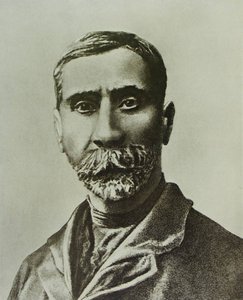
Niko Pirosmanišvilis
1862 - 1918 , Gruzija
Trumpa informacija
- Gimimo Data: 1862 m. gegužės 5 d.
- Gimimo Vieta: Mirzaani, Gruzija
- Meninis Stilius: Primitivizmas
- Mirties Data: 1918 m. balandžio 9 d.
- Pilietybė: Gruzinas
- Pilnas Vardas: Nikoláy Aslánovich Pirosmanashvíli
- Įtakoję Menininkai: ['Vladimir Lado Gudiashvili']
- Žymiausi Darbai:
- Musha su vyno bakeliu
- Gruzinų vestuvės
- Zhdanevičiaus portretas
Susiję straipsniai
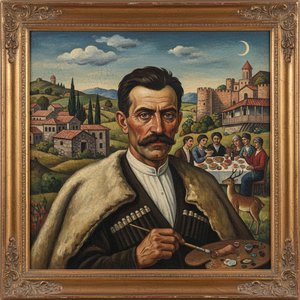
Niko Pirosmani: A Georgian Visionary – Life, Legacy, and the Poetics of Outsider Art
Discover the captivating life & art of Niko Pirosmani, Georgia’s celebrated primitivist painter. Explore his unique oilcloth paintings, lasting influence, and enduring legacy with OriginalUniqueArt.
Cultivating Visions: Rural Life & Social Commentary in Art History
Explore the rich history of rural life in art! Discover masterpieces from Dutch Masters to Van Gogh & Courbet. Uncover artistic movements, social significance & expert collecting insights at OriginalUniqueArt.
Cultivating Visions: A Historical Exploration of Rural Life in Painting
Explore the rich history of rural life in painting! Discover masterpieces from Dutch Masters to Courbet & Watteau. Uncover the artistic and social significance of idyllic landscapes and peasant scenes.

Echoes of Rural Life: Nostalgia, Labor & Identity in Art History
Explore the rich history of rural life in art! Discover how Realism captured labor & identity through masterpieces by Van Gogh, Millet & more. Expert analysis for collectors and enthusiasts.

Echoes of Rural Life: Art's Enduring Representations of the Countryside
Explore the rich history of rural life in art! Discover masterpieces from Millet to Mauve & beyond. Learn about Realism, Barbizon School & find inspiration for your home with OriginalUniqueArt.
