
 Peržiūrėti realaus dydžio版
 Pasidalinti
 Dalintis
 Išsamiau
 Vadovas

 Atsisiųsti
 Panašūs eksponatai
 Rentgeno spindulių nuotrauka
 Automatinė diorama
 问答
问答 Statistika
Bear hunting

- 107.0 x 57.0 cm


 Skaityti daugiau
Giclée / Meno spausdinimas
Muziejų lygio „giclée“ arba drobos spausdinimas: greita gamyba ir lankstios apdailos parinktys. ( Pirkti rankų darbo tapybą Perejti prie skaitmeninių vaizdų)




P118B €10

P118H €10

P118W €10

P438Z €10

P508JH €12

P508YH €12

P805H €10

P805Z €10

P919BZ €10

P919G €10

P919XJ €10

P959ZH €10

P968JZ €12

W106C €8

W218G €10

W218JH €8

W218Y €10

W307PJ €10

W316G €10

W316PJ €8

W316Y €10

W398PJ €8

W4111J €10

W500HY €15

W500JH €15

W692G €12

W849H €8

W940BG €15

W953PJ €8




Pasirinkite iš mūsų nustatytų dydžių, atitinkančių originalaus meno kūrinio proporcijas.

Įveskite jums reikiamą plotį ir aukštį, kad atvaizdas derėtų prie jūsų rėmo ar sienos. Spausdiną galima tik sumažinti, bet nepadidinti virš originalaus paveikslėlio dydžio, todėl keičiant proporcijas, dalis vaizdo prarandama. Prieš spausdinimą atsiųsime jums skaitmeninį maketą patvirtinimui. Šioje puslapio nuotraukoje matomas pjūvis nėra tikslus – jį rodo tik maketas.
Pristatymas visame pasaulyje () per 2 weeks, o ne įprastas 4/5 savaičių laikotarpis. (4 lapkritis)

Nemokamas greitasis pristatymas visame pasaulyje

Aukštos kokybės lininis drobė

Pilnas siuntimo draudimas

Muitinės mokesčių grąžinimo garantija

Tikro spalvų atitikimo garantija

100 dienų grąžinimo politika (tik esant įtaigoms)

100% pinigų grąžinimo garantija

Nuolaida dideliems užsakymams
 Stiklo variantas prieinamas tik pasirinkus dydį iki 110 cm

Bear hunting
Giclée / Meno spausdinimas
Reprodukcijos matmenys
-


Bendroji kaina
€ 72
A Savage Symphony in Oilcloth: Niko Pirosmani’s “Bear Hunting”
Niko Pirosmani, a largely forgotten titan of Georgian art, possessed an extraordinary ability to distill the essence of rural life and primal emotion onto humble oilcloth canvases. His work, often dismissed as naive or primitive during his lifetime, now stands as a testament to raw honesty and a uniquely captivating vision. “Bear Hunting,” painted in the 1890s, is arguably Pirosmani’s most dramatic and compelling piece – a visceral depiction of a hunting expedition that transcends mere representation, plunging the viewer directly into the heart of Georgian wilderness and the brutal beauty of its traditions.
The scene unfolds within a dense, almost claustrophobic forest. A group of French chasseurs, clad in meticulously rendered uniforms of dark blue and brown, pursue a colossal bison – an animal rendered with astonishing power and scale. The composition is deliberately chaotic; figures are crammed together, limbs tangle, and the bison dominates the frame, its immense form dwarfing the hunters below. Pirosmani eschews traditional perspective, favoring instead a flattened, frontal approach that intensifies the drama and immediacy of the action. Lines are bold and directional, guiding the eye relentlessly across the canvas, mirroring the hunters’ desperate pursuit.
The Primitivist Palette: Color and Texture
Pirosmani's distinctive style is immediately recognizable through his masterful use of color and texture. He employs a restricted palette dominated by deep greens, earthy browns, and muted blues – colors that evoke the dampness and shadow of the forest floor. These somber tones are punctuated by flashes of brighter hues—the crimson of blood (implied), the ochre of the bison’s hide, and the occasional splash of yellow or white to highlight key figures. Crucially, Pirosmani worked on oilcloth, a readily available and inexpensive material in Georgia, which lends his paintings a unique tactile quality. The thick, impasto brushstrokes are visible throughout the composition, creating a palpable sense of physicality – you can almost feel the roughness of the bark beneath your fingers and the weight of the hunters’ clothing.
The technique itself is deliberately rough-hewn, reflecting Pirosmani's lack of formal training. He eschewed meticulous detail in favor of capturing the *feeling* of the scene – the tension, the urgency, the raw energy of the hunt. This approach aligns perfectly with the principles of Primitivism, a movement that sought to strip away academic conventions and return to a more direct, emotionally charged form of expression.
Symbolism of the Hunt: Power, Tradition, and Mortality
“Bear Hunting” is far more than just a depiction of a hunting scene; it’s laden with symbolic meaning. The hunt itself represents power, control, and the enduring traditions of Georgian rural life. For centuries, hunting had been a vital part of the region's economy and culture, providing sustenance and reinforcing social hierarchies. However, Pirosmani doesn’t glorify this activity. Instead, he presents it with a stark realism that acknowledges its inherent violence and potential for destruction.
The massive bison, a symbol of strength and wildness, embodies the forces of nature that the hunters seek to subdue. The implied bloodshed – hinted at through subtle color choices—underscores the cost of this conquest. Furthermore, Pirosmani’s unflinching portrayal of human figures engaged in such a brutal act raises questions about humanity's relationship with the natural world and the consequences of unchecked ambition. The painting subtly evokes themes of mortality and the fleeting nature of life, mirroring the precariousness of both hunter and hunted.
A Window into Georgian Soul: Pirosmani’s Legacy
Niko Pirosmani's work offers a rare glimpse into the soul of Georgia in the late 19th century. His paintings are not merely aesthetically pleasing; they are windows into a world of hardship, resilience, and profound connection to the land. Rediscovered in the mid-20th century, Pirosmani’s art has since gained international recognition as a cornerstone of Georgian primitivism and a powerful example of outsider art. Reproductions of “Bear Hunting” – available through OriginalUniqueArt – allow us to experience this extraordinary vision firsthand, inviting us to contemplate the enduring power of raw emotion and the timeless beauty of the Georgian landscape.
Klausimai ir atsakymai
Kokia „Bear hunting“ – Niko Pirosmanišvilis technika ir matmenys?
„Bear hunting“ sukurta naudojant Oil On Canvas, o jos originalus matmuvas yra 107 x 57 cm.
Kokio dydžio „Bear hunting“ spausdinimas tiktų mano kambariui?
Rekomenduojamas „Bear hunting“ – Niko Pirosmanišvilis spausdinimo dydis Living Room erdvei yra Large.
Ką „Bear hunting“ turi bendro su visa Niko Pirosmanišvilis kūryba?
„Bear hunting“ kartu su kitais Niko Pirosmanišvilis kūriniais pasižymi Primitivism stiliumi ir tamsiomis temomis: european realism influence, georgian rural life depiction, power & nature conflict, hunter's instincts shown, pirosmani's primitive style, iconic georgian portraiture, early 20th century vision, unique artistic voice.
Autoriaus biografija
Ankstyvas gyvenimas ir kelias į meną
Niko Pirosmani, vienas ryškiausių gruzinų tapytojų, gimė 1862 metais nedideliame Mirzaano kaime, Kaketijos regione. Jo tėvai, Aslanas Pirosmanashvili ir Teklė Toklikishvili, buvo ūkininkai, turintys nedidelį vynuogyną. Netekęs abiejų tėvų jaunystėje, Niko liko rūpintis dviem vyresnėmis seserimis. Šie sunkūs gyvenimo įvykiai paliko gilų pėdsaką jo sieloje ir vėliau atsispindėjo kūryboje. Nors formalios meninės edukacijos jis neturėjo, Pirosmani anksti pajuto potraukį piešimui, kurį lavino savarankiškai, stebėdamas aplinką ir kaimo žmones. Jo kelias į meną buvo ne tradicinis mokyklos koridorius, o gyvenimo patirtis ir gili meilė gimtajam kraštui.Unikalus stilius ir temų pasirinkimas
Pirosmani tapybos stilius pasižymi naivumu ir primitvizmu, dažnai vaizduojant kasdienius gruzinų gyvenimo epizodus. Jo paveikslai, dažniausiai atlikti aliejine tepale ant audinio, demonstruoja unikalią kompozicinę viziją ir figūrų frontalinį išdėstymą. Tapytojas buvo pamišęs dėl gamtos ir kaimo gyvenimo, retai vaizduodamas miesto peizažus savo darbuose. Jo paveiksluose dominuoja paprasti žmonės, jų portretai, vestuvės, vaišės – scenos, perteikiančios gruzinų kultūros dvasią ir tradicijas. Pirosmani stilius yra atpažįstamas dėl savo tiesmumo, emocinio jautrumo ir gebėjimo užfiksuoti esminius gyvenimo momentus. Jo darbuose nėra sudėtingų perspektyvų ar išbaustų detalių – svarbiausia yra perteikti jausmus ir atmosferą.Svarbiausi kūriniai ir parodos
Nuo pat ankstyvojo laikotarpio Pirosmani sukūrė daugybę įsimintinų darbų, tarp kurių:- „Musha su vyno bakeliu“ – paveikslas, demonstruojantis jo gebėjimą užfiksuoti gruzinų kultūros esmę.
- „Gruzinų vestuvės“ – reprezentatyvus vaizdas tradicinių gruzinų vestuvių ceremonijų.
- „Ždanavičiaus portretas“ – rusų poeto Michailo Le-Dantyu portretas, kuris sulaukė Kirillo ir Iljos Ždanavičių entuziazmo.
Palikimas ir pripažinimas po mirties
Pirosmani gyvenimą lydėjo skurdas, tačiau jo kūrybos įvertinimas po mirties buvo reikšmingas. Jo darbai buvo eksponuoti įvairiose parodose, tarp jų – pirmoji didelė gruzinų tapytojų paroda 1918 metais. Šiandien jo paveikslai saugomi Gruzijos meno muziejuje ir Sighnagio istorės-etnografijos muziejuje, kuriuos per metus apžiūri daugiau nei 350 tūkstančių lankytojų. Pirosmani tapo simboliu gruzinų tautos kultūros ir meno savitumo. Jo darbai įkvepia menininkus visame pasaulyje, o jo gyvenimo istorija – primena apie kūrybos galią net sunkiausiomis aplinkybėmis. Peržiūrėkite Niko Pirosmani darbus OriginalUniqueArt ir sužinokite daugiau apie šį iškilią tapytoją Wikipedia puslapyje.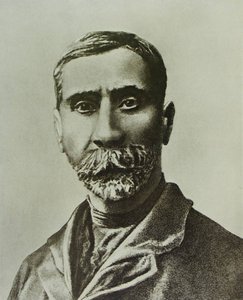
Niko Pirosmanišvilis
1862 - 1918 , Gruzija
Trumpa informacija
- Gimimo Data: 1862 m. gegužės 5 d.
- Gimimo Vieta: Mirzaani, Gruzija
- Meninis Stilius: Primitivizmas
- Mirties Data: 1918 m. balandžio 9 d.
- Pilietybė: Gruzinas
- Pilnas Vardas: Nikoláy Aslánovich Pirosmanashvíli
- Įtakoję Menininkai: ['Vladimir Lado Gudiashvili']
- Žymiausi Darbai:
- Musha su vyno bakeliu
- Gruzinų vestuvės
- Zhdanevičiaus portretas
Susiję straipsniai

The Enduring Legacy of Oil on Canvas: Technique, History & Aesthetic Impact
Explore the rich history & techniques of oil painting – from Renaissance masters to Impressionism. Discover pigments, layering methods, and why this timeless medium endures. Expert insights for artists & art enthusiasts.

The Enduring Power of Painting: A Historical & Contemporary Exploration of Form and Emotion
Explore the rich history & enduring techniques of oil painting with OriginalUniqueArt. Discover masterpieces, learn about art collecting, and find authentic handmade reproductions crafted by skilled artists.

Oil on Canvas: A Historical & Technical Exploration of a Timeless Artistic Medium
Explore the rich history & enduring techniques of oil painting on canvas. Discover the science behind its longevity, conservation practices, and contemporary relevance. Expert insights for art enthusiasts.
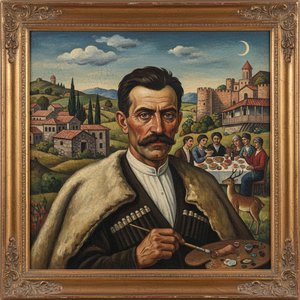
Niko Pirosmani: A Georgian Visionary – Life, Legacy, and the Poetics of Outsider Art
Discover the captivating life & art of Niko Pirosmani, Georgia’s celebrated primitivist painter. Explore his unique oilcloth paintings, lasting influence, and enduring legacy with OriginalUniqueArt.

Aliejinės tapybos paveldas drobėje: technika, istorija ir šiuolaikinės praktikos subtilybės
Atraskite aliejinės tapybos paslaptis! Istorija, technika, drobės pasirinkimas ir šiuolaikinė praktika. Patarimai meno kolekcionieriams ir kūrėjams iš ekspertų.
