Early Renaissance · 1461
Triptych (Nicolas Froment, 1461)
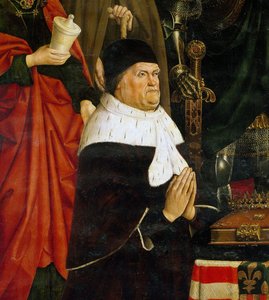
Nicolas Froment (1430–1484) sukūrė Triptych. Šis kūrinys datuojamas 1461 m. Šis kūrinys priklaulo Early Renaissance kieruliui. Pagaminta naudojant Oil On Panel. Eksponatas saugomas Galleria degli Uffizi Florencija, Italija. Dimensijos – 134 × 175 cm.
- 1461
- Oil On Panel
- 134 × 175 cm
- Galleria degli Uffizi, Florencija

 Peržiūrėti realaus dydžio版

 Rankinio darbo aliejinės imitacijos paveikslas
 Pasidalinti
 Dalintis
 Informacinė l lapelė


 Atsisiųsti
 Panašūs eksponatai
 Rentgeno spindulių nuotrauka
 Automatinė diorama
 问答

 Statistika
Triptych, trumpai
- Pavadinimas
- Triptych
- Autorius
- Nicolas Froment (1430–1484)
- Dizainere/is gimęs
- Uzės, Prancūzija
- Data
- 1461
- Mediumas
- Oil On Panel
- Matmenys
- 134 × 175 cm
- Kur galima pamatyti
- Galleria degli Uffizi, Florencija, Italija
- Judėjimas
- Early Renaissance
- Laikotarpis
- Renaissance
- Tema
- triptych, life of christ, crucifixion, resurrection, religious art, biblical scene
Ką vaizduoja Triptych?
A Divine Narrative in Wood and Pigment
Behold this magnificent triptych, a profound meditation on the life of Jesus Christ, executed by the master hand of Nicolas Froment in 1461. This work is not merely a depiction; it is a devotional journey across three pivotal moments of Christian history—the serene beginnings, the agonizing sacrifice, and the triumphant dawn of resurrection. The sheer narrative scope contained within these panels invites the viewer into an intimate dialogue with sacred storytelling. From the gentle glow surrounding the Nativity scene in the first panel, where Mary cradles the infant Jesus amidst shepherds and angels, to the dramatic tension etched into the crucifixion tableau, and finally to the radiant emergence from the tomb, each segment pulses with untold human drama and divine mystery.
Mastery of the Early Renaissance Style
Nicolas Froment stands at a fascinating crossroads in art history—a painter whose work beautifully bridges the lingering grace of the Gothic tradition with the burgeoning naturalism whispered by Flemish influences. His technique, characteristic of the Second School of Avignon, allows for an astonishing level of detail while maintaining a spiritual resonance. Observe the figures: they are not static icons but breathing participants. The drapery falls with convincing weight, and the faces carry distinct, palpable emotions—a mixture of awe, sorrow, piety, and wonder. This commitment to naturalism, coupled with the vibrant palette achieved through meticulous hand-painting, gives the entire piece an immediate, almost tangible presence that transcends its age.
Symbolism and Emotional Resonance
The symbolism woven throughout this triptych is rich and deeply layered. The progression from birth to death to resurrection encapsulates the core tenets of Christian faith—the cycle of sacrifice leading inevitably to eternal life. Each figure, whether a Roman soldier, a grieving disciple, or an angelic messenger, carries symbolic weight. For the modern collector or decorator, owning such a piece means acquiring more than just art; it is acquiring a focal point for contemplation and spiritual reflection. The vibrant colors are employed not just for beauty, but to heighten the emotional stakes of each scene, drawing the eye through the narrative arc.
A Statement Piece for Any Grand Interior
Measuring 175 x 134 cm, this triptych possesses a commanding presence. It is designed to anchor a significant space—perhaps a grand hall, a library, or a chapel-inspired room. While the original wood paneling speaks of centuries of history, acquiring a high-quality reproduction allows you to integrate this monumental piece of art into your contemporary décor with confidence. The depth and complexity of Froment’s vision ensure that it will remain a captivating centerpiece, drawing admiration for its masterful execution and profound subject matter.
Kuriame muziejuje eksponuojamas karya Triptych?
Galleria degli Uffizi
Florencija, Italija
The History and Origins of Galleria degli Uffizi The Galleria degli Uffizi is located in Florence, Italy. The institution was established in 1560, a period when the building was originally conceived by Giorgio Vasari for Florentine magistrates. The construction of the structure took place between 1560 and 1580.


Triptych dididraudžios kokybės vaizdai

Viešoji domenė: suregalis mirė 1484 m.
Kiti dydžiai, iškarai ir citavimo informacija →Nicolas Froment, Triptych (1461), Galleria degli Uffizi. Viešoji domenė.
Atsakimai į klausimus apie Triptych
Kur šiandien galima pamatyti kūrinį „Triptych“ – Nicolas Froment?
Originalų kūrinį „Triptych“ galite pamatyti Galleria degli Uffizi, Florencija, Italija.
Kokia yra „Triptych“ – Nicolas Froment kūrybos data?
„Triptych“ – Nicolas Froment sukurtas 1461 m.
Kokia technika sukurta „Triptych“ – Nicolas Froment?
„Triptych“ technika – Oil On Panel.
Kokie yra „Triptych“ – Nicolas Froment realūs matmenys?
Įrašyti kūrinio „Triptych“ – Nicolas Froment matmenys yra 175 x 134 cm. Kopijas galima užsisakyti kitais dydžiais, išlaikant tą pačius proporcijas.
Kokios temos atsispindi kūrynioje „Triptych“ – Nicolas Froment?
„Triptych“ – Nicolas Froment vaizdeletas: triptych, life of christ, crucifixion, resurrection, religious art, biblical scene.
Ar „Triptych“ – Nicolas Froment vaizdą galima laisvai reprodukcijaoti?
Autorių teisių statusas kūriniui „Triptych“ – Nicolas Froment: kūrinys priklauso yra viešosios erdvės dalis – jo autorinė teisė pasibaigusi. Tai nulemia, ar galima laisvai reprodukciuoti šį vaizdą.
Kas sukūrė „Triptych“?
„Triptych“ kūrybinį darbą sukūrė Nicolas Froment. Šioje puslapio informacijoje aprašomas Nicolas Froment originalus kūrinys.
Kokiam stiliui priklauso „Triptych“?
„Triptych“ – Nicolas Froment priklauso Early Renaissance stiliui. Ši dailės kryptis suteikia kūriniui stilistinį kontekstą.
Kokio Nicolas Froment kūrybos etapo dalis yra „Triptych“?
„Triptych“ priklauso Nicolas Froment kūrybos karjeros Early Renaissance etapui. Ši klasifikacija atspindi kūrinio ryšį su menininko evoliucija.
Apie šį menininką, Nicolas Froment
1430–1484, Prancūzija
Nicolas Froment
Nicolas Froment: Flamandų aidas ankstyvojo Renesanso Provensos menoje Nicolas Froment (approx. 1435–1486) yra kreipuliuojančia figūra Avignono Antrosios mokyklos kontekste, žyminti kritinę jungtį tarp gotiško tradicijos ir prasidėjusio flamandų naturalizmo Prancūzijos mene XV amžiuje. Prigimęs Prancūzijoje, Uzės mieste, Froment’o meninė kelionė sutapo su era, kurioje itin stipliai paveikė papalinis mecenatas ir itinerio Renesanso idėjų žairos—dinamika, kuri skatinė stiliaus eksperimentavimą ir galiausiai užtvirtino jo vietą kaip vieno iš garsiausių Provensos dailininkų. Nors tikslūs biografiniai duomenys apie formacinius Froment’o metus lieka paslaptimi, sukuriant nuolatinę mokslininkų debatas dėl jo meninės kilmės, įrodymai leidžia manyti, kad jis savo įgūdžius tobulino Paryzuje, mokydasis Jean Fouquet, išckio gotiško meistro, kurio įtampa neabejotinai pelnė pirminę Froment’o stiliaus jautrumą.
Taip pat Nicolas Froment darbai
 The Burning Bush (detail)1476
 Matheron Diptych1474
 The Raising of Lazarus1461
 The Pérussis Altarpiece1480

Esdai apie Triptych
 The Statement Wall: Mastering Large-Scale Art for Commanding InteriorsMaster the art of commanding interiors with our expert guide to large-scale statement walls. Discover how premium, museum-quality oil paint…
 25 Masterpieces by Rogier van der Weyden: The Pinnacle of Emotional ArtImmerse yourself in the profound emotion of Rogier van der Weyden’s greatest works. From Northern Renaissance mastery to exquisite textures…
 25 Masterpieces by Giotto di Bondone: The Father of Renaissance ArtJourney through the revolutionary world of Giotto di Bondone. Explore 25 iconic masterpieces that bridged the Medieval and Renaissance eras…