
 Peržiūrėti realaus dydžio版
 Pasidalinti
 Dalintis
 Išsamiau
 Vadovas

 Atsisiųsti
 Panašūs eksponatai
 Rentgeno spindulių nuotrauka
 Automatinė diorama
 问答
问答 Statistika
The Idle Servant

- 70.0 x 53.0 cm


 Skaityti daugiau
Giclée / Meno spausdinimas
Muziejų lygio „giclée“ arba drobos spausdinimas: greita gamyba ir lankstios apdailos parinktys. ( Pirkti rankų darbo tapybą Perejti prie skaitmeninių vaizdų)




P118B €10

P118H €10

P118W €10

P438Z €10

P508JH €12

P508YH €12

P805H €10

P805Z €10

P919BZ €10

P919G €10

P919XJ €10

P959ZH €10

P968JZ €12

W106C €8

W218G €10

W218JH €8

W218Y €10

W307PJ €10

W316G €10

W316PJ €8

W316Y €10

W398PJ €8

W4111J €10

W500HY €15

W500JH €15

W692G €12

W849H €8

W940BG €15

W953PJ €8




Pasirinkite iš mūsų nustatytų dydžių, atitinkančių originalaus meno kūrinio proporcijas.

Įveskite jums reikiamą plotį ir aukštį, kad atvaizdas derėtų prie jūsų rėmo ar sienos. Spausdiną galima tik sumažinti, bet nepadidinti virš originalaus paveikslėlio dydžio, todėl keičiant proporcijas, dalis vaizdo prarandama. Prieš spausdinimą atsiųsime jums skaitmeninį maketą patvirtinimui. Šioje puslapio nuotraukoje matomas pjūvis nėra tikslus – jį rodo tik maketas.
Pristatymas visame pasaulyje () per 2 weeks, o ne įprastas 4/5 savaičių laikotarpis. (5 lapkritis)

Nemokamas greitasis pristatymas visame pasaulyje

Aukštos kokybės lininis drobė

Pilnas siuntimo draudimas

Muitinės mokesčių grąžinimo garantija

Tikro spalvų atitikimo garantija

100 dienų grąžinimo politika (tik esant įtaigoms)

100% pinigų grąžinimo garantija

Nuolaida dideliems užsakymams
 Stiklo variantas prieinamas tik pasirinkus dydį iki 110 cm

The Idle Servant
Giclée / Meno spausdinimas
Reprodukcijos matmenys
-


Bendroji kaina
€ 72
A Moment Frozen in Dutch Light: Nicolaes Maes’s “The Idle Servant”
Nicolaes Maes's "The Idle Servant," painted in 1655, isn’t merely a depiction of two women enjoying a domestic moment; it’s a carefully constructed tableau brimming with subtle social commentary and the masterful use of light characteristic of the Dutch Golden Age. This intimate genre scene, now housed at the National Gallery in London (NG207), offers a captivating glimpse into the lives of a wealthy household, revealing both the comforts and the unspoken expectations of 17th-century Dutch society. The painting immediately draws the eye with its rich palette – deep reds, browns, and ochres dominate, punctuated by the warm glow emanating from an unseen fireplace, creating a sense of cozy domesticity that belies the underlying narrative.
Maes’s artistic lineage is inextricably linked to Rembrandt van Rijn. His apprenticeship under the master instilled within him a profound understanding of *chiaroscuro*, the dramatic interplay of light and shadow – a technique brilliantly employed here to sculpt form, define space, and draw attention to key elements. Notice how Maes uses pools of light to illuminate the seated woman’s face, highlighting her languid repose, while simultaneously shrouding the standing figure in a softer, more diffused glow. This masterful manipulation of light isn't simply aesthetic; it serves to subtly convey mood and character, hinting at the quiet resignation and perhaps even a touch of amusement present within the scene.
The Dance of Leisure and Duty
At first glance, “The Idle Servant” appears to be a simple portrayal of two women engaged in conversation. However, closer observation reveals a complex interplay of social dynamics. The woman standing, presumably the mistress of the house, is instructing or perhaps gently scolding the seated maid, who is lost in a drowsy reverie. This interaction isn’t overtly confrontational; rather, it's imbued with a quiet understanding – a recognition that even within the confines of domestic life, there are unspoken rules and expectations.
The scattered bowls, cups, and spoons surrounding the women aren’t merely props; they represent the labor involved in preparing a substantial meal. The maid’s slumber is a direct consequence of this effort, highlighting the contrast between leisure and duty – a central theme explored throughout the painting. Maes cleverly uses the arrangement of these objects to create depth and visual interest, drawing the viewer's eye into the heart of the scene. The placement of some bowls closer to the women suggests immediate needs, while others further away hint at the larger task at hand.
Symbolism and Social Commentary
Beyond its domestic setting, “The Idle Servant” offers a subtle critique of social hierarchies and gender roles. The maid’s apparent idleness is juxtaposed with the mistress's active role in overseeing the household – a reflection of the prevailing societal expectations for women during this period. The painting subtly suggests that while leisure was valued, it was always contingent upon fulfilling one’s duties within the home. The cat stealing a fowl further emphasizes this theme, representing a carefree disregard for responsibility.
Furthermore, the inclusion of the “doorkijkje” – a small window or opening in the background – is a deliberate artistic device employed by Maes and his contemporaries. This technique invites the viewer to step into another room, creating a sense of voyeurism and expanding the narrative beyond the immediate scene. It’s as if we are invited to observe a larger, unseen drama unfolding within the confines of the house.
A Masterpiece of Dutch Genre Painting
“The Idle Servant” stands as a testament to Nicolaes Maes's skill and artistry – a captivating example of Dutch Golden Age genre painting. Its masterful use of *chiaroscuro*, its nuanced portrayal of human interaction, and its subtle social commentary combine to create a work that is both visually stunning and intellectually stimulating. Reproductions by OriginalUniqueArt.com offer an exceptional opportunity to experience the beauty and depth of this remarkable painting, bringing its intimate world into your home with unparalleled fidelity.
Klausimai ir atsakymai
Kokią nuotaiką ir emociją išreiškia „The Idle Servant“ – Nikolajus Masas?
„The Idle Servant“ kūryboje Calm nuotaika lydi Reflective emociją.
Kaip medžiaga ir judėjimas susilieja darbe „The Idle Servant“?
„The Idle Servant“ sukurta naudojant Oil On Panel, Dutch Golden Age stiliuje.
Kokio Nikolajus Masas kūrybos etapo priklauso „The Idle Servant“ (1655)?
„The Idle Servant“, sukurta 1655 m., priklauso Nikolajus Masas kūrybinio karjeros laikotarpio Early/Mid Career.
Autoriaus biografija
Gyvenimas šešėlių ir šviesos ritmuose
Nikolaes Maesas, vardas skambantis tyliai olandų Aukso amžiaus meistrų panteone, gimė Dortrechto mieste 1634 metų sausį – pasaulyje, tryškantį prekybos klestėjimu ir meninės fermentacijos dvasia. Jo tėvas Gerrit Maesas, sėkmingas audinių prekeivis ir muilo virėjas, suteikė komfortišką vaikystę, leidusi jaunajam Nikolaesui ugdyti augantį tapybos talentą. Nors ankstyvieji pamokai jis gavo iš vietinio menininko, kuris nebuvo labai žymus, lemtingas momentas jo kūryboje įvyko apie 1648 metus, kai jis nuvyko į Amsterdamą ir įstojo į Rembrandto van Rijn dirbtuvę. Šis mokymasis pasirodė transformuojančiu, suteikdamas jam nesibaigiantį dėkingumą už dramatišką šviesos ir šešėlio žaidimą – *chiaroscuro* – ir meistrišką spalvų valdymą, kuris apibrėžė ankstyvuosius jo darbus. Rembrandto įtaka buvo tokia gili, kad pirmieji paveikslai, pavyzdžiui, biblinių scenų atvaizdai su didelio dydžio figūromis ir sodriais, švytinčiais atspalviais, dažnai klaidingai priskiriami pačiam Rembrandto teptukui. Šie formavimo metai padėjo pagrindą karjerai, kuri buvo žymima tiek techniniu meistriškumu, tiek intimu supratimu apie žmogaus emocijas.Iš Rembrandto šešėlio į savarankišką viziją
Grįžęs į Dortrechtą 1654 metais, Maesas pradėjo kurti savo unikalų meninį kelią, palaipsniui atitolindamas save nuo tiesiogios jo buvusio mokytojo imitacijos. Sekantis dešimtmetis liudijo perėjimą prie mažesnio masto buitinių žanrinių scenų, tačiau išlaikant gyvybingą spalvingumą, kurį jis įgijo būdamas su Rembrandtu. Jis nukreipė savo aštrų akį į paprastus olandų piliečių kasdienius gyvenimus, vaizduodamas moteris užsiimančias kasdieniu darbu – verpdamos vilną, skaitydamos Šventąjį Raštą, ruošdamos maistą – su nepaprasta detale ir jautrumu. Ypatingas susidomėjimas atsirado dėl sudėtingo nėrimo meno, įkvėpdamas daugybę šios temos variacijų, kurių kiekviena yra Maeso kruopštaus stebėjimo ir įgūdžio liudijimas. Šie paveikslai nebuvo tik kasdienio gyvenimo atvaizdai; jie buvo langai į buitinę sferą, atskleidžiantys tylų orumą ir subtilias pasakojimus, įaustus į XVII amžiaus olandų visuomenės audinį. Jo darbai šiuo laikotarpiu demonstruoja gebėjimą užfiksuoti ne tik *ką* žmonės darė, bet ir *kaip* jie jautėsi tai darydami.Amsterdamo portretistas
1673 metais Maesas persikėlė į Amsterdamą – posūkis, kuris signalizavo tiek meninius ambicijas, tiek protingą prisitaikymą prie besikeičiančios meno rinkos. Miestas, vis dar atsigavęs po karo su Anglija ir Prancūzija, turėjo augantį portretų paklausą, ir Maesas greitai įsitvirtino kaip vienas iš pirmaujančių jo praktikų. Jis atsisakė didžiosios dalies ankstesnio žanro darbo, vietoj to sutelkęs dėmesį į Amsterdamo garsiųjų piliečių panašumus ir asmenybes. Jo portretai pasižymi rafinuota elegancija ir psichologiniu įžvalumu, atskleidžiantys ne tik fizinį panašumą, bet ir charakterio bei socialinės padėties užuominas. Darbai, tokie kaip „Gerardo Rövero, prekybininko ir laivų savininko Amsterdame“ portretas, yra puikus šio įgūdžio pavyzdys, pristatantis orų turto ir pilietinio pasididžiavimo atvaizdą. Jis tapo sumedėjęs perteikti statusą per subtilias detales – audinių kokybę, drabužių pjūvį, sėsėdų patikimą laikyseną. Šis laikotarpis žymėjo reikšmingą stilistinį poslinkį, pereinant nuo ankstesnio šilumos ir intimumo prie poliruotojo ir rafinuotesnio estetikos.Palikimas ir nesibaigiantis patrauklumas
Nikolaes Maesas mirė Amsterdame 1693 metų gruodį, palikęs didžiulį darbų rinkinį, kuris ir šiandien žavi publiką. Jo paveikslai suteikia vertingų įžvalgų apie XVII amžiaus olandų Aukso amžiaus socialines papročius, buitinius interjerus ir psichologinį sudėtingumą. Nors ankstyvieji jo darbai neša nesugriežiamą Rembrandto įtakos antspaudą, Maesas galiausiai sukūrė savitą stilių, pasižymintį kruopščia detale, gyvybinga spalvų palete ir jautriu žmogaus charakterio atvaizdavimu. Jo gebėjimas pakelti kasdienius vaizdus ir individus į meninę reikšmę užtikrina jo vietą tarp svarbiausių savo epochos tapytojų. Šiandien jo paveikslai laikomi prestižiniuose kolekcijose visame pasaulyje, įskaitant Rijksmuseum Amsterdamo mieste, Nacionalinę galeriją Londone ir Nacionalinę meno galeriją Vašingtone, lengvai prieinamus studijoms ir vertinimui per tokias platformas kaip OriginalUniqueArt.com, užtikrinant šio meistriško olandų menininko palikimą ateities kartoms.Pagrindinės jo darbo charakteristikos
- Rembrandto įtaka: Ankstyvieji darbai demonstruoja stiprią Rembrandto van Rijn įtaką, ypač šviesos ir šešėlio naudojimą bei sodrias spalvų paletes.
- Žanrinės scenos: Maesas yra žinomas dėl savo intymių kasdienio gyvenimo atvaizdų, sutelkiant dėmesį į buitinius interjerus ir tokią veiklą kaip verpimas, skaitymas ir nėrimas.
- Portretavimo meistriškumas: Jis tapo pirmaujančiu portretistu Amsterdame, žinomu dėl tikslaus ir elegantiško savo modelių panašumo užfiksavimo.
- Išsamus stebėjimas: Jo paveikslai pasižymi kruopščiu dėmesiu detalėms, ypač tekstūrų, audinių ir veido išraiškų atvaizdavime.
- Psichologinis įžvalumas: Maesas turėjo nepaprastą gebėjimą perteikti savo modelių vidinį gyvenimą ir emocijas per subtilius gestus ir išraiškas.
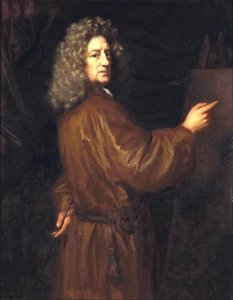
Nikolajus Masas
1634 - 1693 , Nyderlandai
Trumpa informacija
- Gimimo Data: 1634 sausio mėn.
- Gimimo Vieta: Dordrecht, Nyderlandai
- Menininkai Kuriuos Įtakojo: ['Olandų buitinės tapybos atstovai']
- Meninis Stilius: Barokas, Olandų aukso amžius
- Mirties Data: 1693 gruodžio mėn.
- Pilietybė: Olandas
- Pilnas Vardas: Nicolaes Maes
- Įtakoję Menininkai: ['Rembrandt van Rijn']
- Žymiausi Darbai:
- Aprašymas
- Kortininkai
- Catharina Pottey
Susiję straipsniai
Nicolaes Berchem: Dutch Golden Age Pastoralism & the Evolution of Landscape Painting
Explore the captivating world of Nicolaes Berchem, a leading Dutch Golden Age painter. Discover his idyllic landscapes, masterful technique & lasting influence on art history. Learn more at OriginalUniqueArt.

Olandijos Aukso Amžius: 10 Šedevrų, Apibrėžiančių Meną ir Stilių
Atraskite Olandijos Aukso Amži\u017us meninius šedevrus! 10 legendin\u017iŴ paveikslžiai – Rembrandto, Vermeerio ir kt. darbai. Sužnkitę j\u016ungo namus aukso amži\u017us grožiu! Āukrai, interjero dizainas – viskas OriginalUniqueArt.com. Ižirkite kolekciją internete!

Golden Age Reflections: Dutch Baroque Painting & Cultural Innovation
Explore the Dutch Golden Age of painting! Discover key artists like Vermeer & ter Borch, their innovative techniques, and the rich cultural context behind these Baroque masterpieces. Learn about collecting & appreciating this iconic art period.

Mastering Light & Shadow: A Journey Through the Dutch Golden Age's Luminous Legacy
Embark on a cultural journey through the Dutch Golden Age. Explore the masterful interplay of light and shadow in 17th-century masterpieces, from Rembrandt to Vermeer, and discover how this era of profound realism continues to inspire fine art collectors today.

Golden Light & Dutch Skies: The Timeless Magic of Dutch Golden Age Landscapes
Discover the breathtaking beauty of Dutch Golden Age landscapes. Explore the mastery of light, chiaroscuro, and 17th-century realism through an expert art history lens, celebrating the enduring legacy of the Dutch Masters for discerning collectors and art lovers.