
 Peržiūrėti realaus dydžio版
 Pasidalinti
 Dalintis
 Išsamiau
 Vadovas

 Atsisiųsti
 Panašūs eksponatai
 Rentgeno spindulių nuotrauka
 Automatinė diorama
 问答
问答 Statistika
Christ before Pilate

- 216.0 x 174.0 cm


 Skaityti daugiau
Giclée / Meno spausdinimas
Muziejų lygio „giclée“ arba drobos spausdinimas: greita gamyba ir lankstios apdailos parinktys. ( Pirkti rankų darbo tapybą Perejti prie skaitmeninių vaizdų)




P118B €10

P118H €10

P118W €10

P438Z €10

P508JH €12

P508YH €12

P805H €10

P805Z €10

P919BZ €10

P919G €10

P919XJ €10

P959ZH €10

P968JZ €12

W106C €8

W218G €10

W218JH €8

W218Y €10

W307PJ €10

W316G €10

W316PJ €8

W316Y €10

W398PJ €8

W4111J €10

W500HY €15

W500JH €15

W692G €12

W849H €8

W940BG €15

W953PJ €8




Pasirinkite iš mūsų nustatytų dydžių, atitinkančių originalaus meno kūrinio proporcijas.

Įveskite jums reikiamą plotį ir aukštį, kad atvaizdas derėtų prie jūsų rėmo ar sienos. Spausdiną galima tik sumažinti, bet nepadidinti virš originalaus paveikslėlio dydžio, todėl keičiant proporcijas, dalis vaizdo prarandama. Prieš spausdinimą atsiųsime jums skaitmeninį maketą patvirtinimui. Šioje puslapio nuotraukoje matomas pjūvis nėra tikslus – jį rodo tik maketas.
Pristatymas visame pasaulyje () per 2 weeks, o ne įprastas 4/5 savaičių laikotarpis. (5 lapkritis)

Nemokamas greitasis pristatymas visame pasaulyje

Aukštos kokybės lininis drobė

Pilnas siuntimo draudimas

Muitinės mokesčių grąžinimo garantija

Tikro spalvų atitikimo garantija

100 dienų grąžinimo politika (tik esant įtaigoms)

100% pinigų grąžinimo garantija

Nuolaida dideliems užsakymams
 Stiklo variantas prieinamas tik pasirinkus dydį iki 110 cm

Christ before Pilate
Giclée / Meno spausdinimas
Reprodukcijos matmenys
-


Bendroji kaina
€ 72
The Weight of Judgment: Nicolaes Maes’s ‘Christ Before Pilate’
Nicolaes Maes's “Christ Before Pilate,” painted in 1649-50, isn’t merely a depiction of a biblical scene; it’s a masterclass in conveying psychological drama and the unsettling ambiguity of power. The painting immediately commands attention with its monumental scale – measuring an impressive 216 x 174 cm – drawing the viewer into a meticulously rendered tableau of apprehension and moral conflict. Maes, deeply influenced by Rembrandt's pioneering use of *chiaroscuro*, employs a dramatic interplay of light and shadow to sculpt the figures, creating a palpable sense of unease that permeates the entire composition. The muted palette, dominated by deep blues, browns, and ochres, contributes to this atmosphere of somber contemplation, while strategically placed highlights draw focus to key elements – Christ’s outstretched hands, Pilate's hesitant gaze, and the faces of the onlookers, each reflecting a complex blend of fear, curiosity, and indifference.
- Rembrandt’s Shadow: Maes’s apprenticeship under Rembrandt is undeniably evident. The masterful use of light to define form and create depth echoes Rembrandt's signature style, yet “Christ Before Pilate” possesses a distinctly more intimate and emotionally charged quality than many of the artist’s larger historical scenes.
- The Human Scale: Unlike the grand, theatrical compositions favored by some of his contemporaries, Maes presents this pivotal moment in Christian history with an almost unsettling sense of immediacy. The figures are rendered with remarkable realism, their faces etched with emotion and vulnerability – a deliberate choice that forces the viewer to confront the human cost of judgment.
- Compositional Tension: The arrangement of figures is carefully orchestrated to heighten the drama. Christ, positioned centrally, becomes the focal point of attention, while Pilate’s posture—a mixture of reluctance and resignation—suggests a profound internal struggle. The surrounding crowd, rendered in varying degrees of detail, represents the collective conscience of Jerusalem, caught between loyalty to Roman authority and compassion for the accused.
A Window into 17th-Century Dutch Society
“Christ Before Pilate” offers a fascinating glimpse into the social and religious landscape of 17th-century Holland. The painting reflects the burgeoning interest in biblical narratives within a society grappling with questions of morality, justice, and faith. The inclusion of details like the bowl and cup – symbols of earthly sustenance and ritual – subtly underscores the contrast between the spiritual significance of Christ’s sacrifice and the mundane realities of daily life. Furthermore, the presence of several onlookers—a soldier, a scribe, and a group of citizens—reflects the diverse social strata of Jerusalem at the time, highlighting the universal nature of human judgment and its potential for both righteousness and injustice.
Historical Context:Painted during a period of intense religious debate and political upheaval in Europe, “Christ Before Pilate” speaks to broader anxieties about authority, faith, and the role of the individual. The painting’s enduring appeal lies in its ability to resonate with viewers across centuries, prompting reflection on timeless questions of morality and responsibility.
Symbolism and Emotional Resonance
Beyond its historical context, “Christ Before Pilate” is rich in symbolic meaning. Christ's outstretched hands represent humility, sacrifice, and the acceptance of his fate. Pilate’s hesitant gaze embodies doubt, uncertainty, and the burden of leadership—a recognition that even those entrusted with power are not immune to moral dilemmas. The faces of the onlookers convey a spectrum of emotions – fear, indifference, curiosity, and perhaps even a flicker of hope – reflecting the complex human response to injustice. The painting’s overall effect is profoundly moving, evoking a sense of empathy for both Christ and Pilate, and prompting viewers to contemplate their own roles in the ongoing drama of human judgment.
Bringing ‘Christ Before Pilate’ into Your Space
Reproductions of Nicolaes Maes's “Christ Before Pilate” offer a remarkable opportunity to bring this powerful work of art into your home or office. Available in a range of sizes and framing options, our high-quality reproductions faithfully capture the painting’s dramatic intensity and nuanced details. Whether you are an art collector, an interior designer seeking to create a contemplative atmosphere, or simply someone who appreciates the beauty and emotional depth of classic art, a reproduction of “Christ Before Pilate” is sure to be a treasured addition to your collection. Consider pairing it with complementary colors and textures to enhance its impact – deep blues and browns will evoke the painting’s somber mood, while warm earth tones can create a sense of grounding and stability.
Klausimai ir atsakymai
Iš kur renkasi „Christ before Pilate“ – Nikolajus Masas lankytojai?
Statistika apie „Christ before Pilate“ – Nikolajus Masas pateikiama kūrinio Statistika puslapio: mėnesiniai kūrinio apsilankėjimai, kito šio autoriaus kūrinių apsilankėjimai bei neseniai apsilankiusiųjų skirstymas pagal šalis ir kalbas.
Ar „Christ before Pilate“ yra viešosios teisės kūrinys?
Kalbant apie autorišką teisę, „Christ before Pilate“ yra yra viešosios erdvės dalis – jo autorinė teisė pasibaigusi.
Kokio tipo kūrinys yra „Christ before Pilate“ – Nikolajus Masas?
„Christ before Pilate“ – Nikolajus Masas klasifikuojamas kaip WallArt. Ši kategorija aprašo originalo kūrinio tipą.
Autoriaus biografija
Gyvenimas šešėlių ir šviesos ritmuose
Nikolaes Maesas, vardas skambantis tyliai olandų Aukso amžiaus meistrų panteone, gimė Dortrechto mieste 1634 metų sausį – pasaulyje, tryškantį prekybos klestėjimu ir meninės fermentacijos dvasia. Jo tėvas Gerrit Maesas, sėkmingas audinių prekeivis ir muilo virėjas, suteikė komfortišką vaikystę, leidusi jaunajam Nikolaesui ugdyti augantį tapybos talentą. Nors ankstyvieji pamokai jis gavo iš vietinio menininko, kuris nebuvo labai žymus, lemtingas momentas jo kūryboje įvyko apie 1648 metus, kai jis nuvyko į Amsterdamą ir įstojo į Rembrandto van Rijn dirbtuvę. Šis mokymasis pasirodė transformuojančiu, suteikdamas jam nesibaigiantį dėkingumą už dramatišką šviesos ir šešėlio žaidimą – *chiaroscuro* – ir meistrišką spalvų valdymą, kuris apibrėžė ankstyvuosius jo darbus. Rembrandto įtaka buvo tokia gili, kad pirmieji paveikslai, pavyzdžiui, biblinių scenų atvaizdai su didelio dydžio figūromis ir sodriais, švytinčiais atspalviais, dažnai klaidingai priskiriami pačiam Rembrandto teptukui. Šie formavimo metai padėjo pagrindą karjerai, kuri buvo žymima tiek techniniu meistriškumu, tiek intimu supratimu apie žmogaus emocijas.Iš Rembrandto šešėlio į savarankišką viziją
Grįžęs į Dortrechtą 1654 metais, Maesas pradėjo kurti savo unikalų meninį kelią, palaipsniui atitolindamas save nuo tiesiogios jo buvusio mokytojo imitacijos. Sekantis dešimtmetis liudijo perėjimą prie mažesnio masto buitinių žanrinių scenų, tačiau išlaikant gyvybingą spalvingumą, kurį jis įgijo būdamas su Rembrandtu. Jis nukreipė savo aštrų akį į paprastus olandų piliečių kasdienius gyvenimus, vaizduodamas moteris užsiimančias kasdieniu darbu – verpdamos vilną, skaitydamos Šventąjį Raštą, ruošdamos maistą – su nepaprasta detale ir jautrumu. Ypatingas susidomėjimas atsirado dėl sudėtingo nėrimo meno, įkvėpdamas daugybę šios temos variacijų, kurių kiekviena yra Maeso kruopštaus stebėjimo ir įgūdžio liudijimas. Šie paveikslai nebuvo tik kasdienio gyvenimo atvaizdai; jie buvo langai į buitinę sferą, atskleidžiantys tylų orumą ir subtilias pasakojimus, įaustus į XVII amžiaus olandų visuomenės audinį. Jo darbai šiuo laikotarpiu demonstruoja gebėjimą užfiksuoti ne tik *ką* žmonės darė, bet ir *kaip* jie jautėsi tai darydami.Amsterdamo portretistas
1673 metais Maesas persikėlė į Amsterdamą – posūkis, kuris signalizavo tiek meninius ambicijas, tiek protingą prisitaikymą prie besikeičiančios meno rinkos. Miestas, vis dar atsigavęs po karo su Anglija ir Prancūzija, turėjo augantį portretų paklausą, ir Maesas greitai įsitvirtino kaip vienas iš pirmaujančių jo praktikų. Jis atsisakė didžiosios dalies ankstesnio žanro darbo, vietoj to sutelkęs dėmesį į Amsterdamo garsiųjų piliečių panašumus ir asmenybes. Jo portretai pasižymi rafinuota elegancija ir psichologiniu įžvalumu, atskleidžiantys ne tik fizinį panašumą, bet ir charakterio bei socialinės padėties užuominas. Darbai, tokie kaip „Gerardo Rövero, prekybininko ir laivų savininko Amsterdame“ portretas, yra puikus šio įgūdžio pavyzdys, pristatantis orų turto ir pilietinio pasididžiavimo atvaizdą. Jis tapo sumedėjęs perteikti statusą per subtilias detales – audinių kokybę, drabužių pjūvį, sėsėdų patikimą laikyseną. Šis laikotarpis žymėjo reikšmingą stilistinį poslinkį, pereinant nuo ankstesnio šilumos ir intimumo prie poliruotojo ir rafinuotesnio estetikos.Palikimas ir nesibaigiantis patrauklumas
Nikolaes Maesas mirė Amsterdame 1693 metų gruodį, palikęs didžiulį darbų rinkinį, kuris ir šiandien žavi publiką. Jo paveikslai suteikia vertingų įžvalgų apie XVII amžiaus olandų Aukso amžiaus socialines papročius, buitinius interjerus ir psichologinį sudėtingumą. Nors ankstyvieji jo darbai neša nesugriežiamą Rembrandto įtakos antspaudą, Maesas galiausiai sukūrė savitą stilių, pasižymintį kruopščia detale, gyvybinga spalvų palete ir jautriu žmogaus charakterio atvaizdavimu. Jo gebėjimas pakelti kasdienius vaizdus ir individus į meninę reikšmę užtikrina jo vietą tarp svarbiausių savo epochos tapytojų. Šiandien jo paveikslai laikomi prestižiniuose kolekcijose visame pasaulyje, įskaitant Rijksmuseum Amsterdamo mieste, Nacionalinę galeriją Londone ir Nacionalinę meno galeriją Vašingtone, lengvai prieinamus studijoms ir vertinimui per tokias platformas kaip OriginalUniqueArt.com, užtikrinant šio meistriško olandų menininko palikimą ateities kartoms.Pagrindinės jo darbo charakteristikos
- Rembrandto įtaka: Ankstyvieji darbai demonstruoja stiprią Rembrandto van Rijn įtaką, ypač šviesos ir šešėlio naudojimą bei sodrias spalvų paletes.
- Žanrinės scenos: Maesas yra žinomas dėl savo intymių kasdienio gyvenimo atvaizdų, sutelkiant dėmesį į buitinius interjerus ir tokią veiklą kaip verpimas, skaitymas ir nėrimas.
- Portretavimo meistriškumas: Jis tapo pirmaujančiu portretistu Amsterdame, žinomu dėl tikslaus ir elegantiško savo modelių panašumo užfiksavimo.
- Išsamus stebėjimas: Jo paveikslai pasižymi kruopščiu dėmesiu detalėms, ypač tekstūrų, audinių ir veido išraiškų atvaizdavime.
- Psichologinis įžvalumas: Maesas turėjo nepaprastą gebėjimą perteikti savo modelių vidinį gyvenimą ir emocijas per subtilius gestus ir išraiškas.
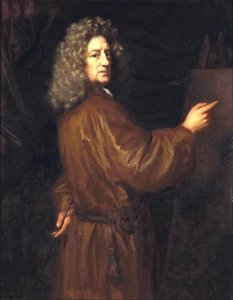
Nikolajus Masas
1634 - 1693 , Nyderlandai
Trumpa informacija
- Gimimo Data: 1634 sausio mėn.
- Gimimo Vieta: Dordrecht, Nyderlandai
- Menininkai Kuriuos Įtakojo: ['Olandų buitinės tapybos atstovai']
- Meninis Stilius: Barokas, Olandų aukso amžius
- Mirties Data: 1693 gruodžio mėn.
- Pilietybė: Olandas
- Pilnas Vardas: Nicolaes Maes
- Įtakoję Menininkai: ['Rembrandt van Rijn']
- Žymiausi Darbai:
- Aprašymas
- Kortininkai
- Catharina Pottey
Susiję straipsniai
Nicolaes Berchem: Dutch Golden Age Pastoralism & the Evolution of Landscape Painting
Explore the captivating world of Nicolaes Berchem, a leading Dutch Golden Age painter. Discover his idyllic landscapes, masterful technique & lasting influence on art history. Learn more at OriginalUniqueArt.

Olandijos Aukso Amžius: 10 Šedevrų, Apibrėžiančių Meną ir Stilių
Atraskite Olandijos Aukso Amži\u017us meninius šedevrus! 10 legendin\u017iŴ paveikslžiai – Rembrandto, Vermeerio ir kt. darbai. Sužnkitę j\u016ungo namus aukso amži\u017us grožiu! Āukrai, interjero dizainas – viskas OriginalUniqueArt.com. Ižirkite kolekciją internete!

Dutch Baroque Masters: 10 Paintings That Shaped an Era | OriginalUniqueArt
Journey through the Golden Age with our guide to the Top 10 Dutch Baroque masterpieces! Explore iconic paintings by Rembrandt, Vermeer & Frans Hals. Find museum-quality art reproductions and elevate your home decor at OriginalUniqueArt.com.

Golden Light & Dutch Skies: The Timeless Magic of Dutch Golden Age Landscapes
Discover the breathtaking beauty of Dutch Golden Age landscapes. Explore the mastery of light, chiaroscuro, and 17th-century realism through an expert art history lens, celebrating the enduring legacy of the Dutch Masters for discerning collectors and art lovers.

Mastering Light & Shadow: A Journey Through the Dutch Golden Age's Luminous Legacy
Embark on a cultural journey through the Dutch Golden Age. Explore the masterful interplay of light and shadow in 17th-century masterpieces, from Rembrandt to Vermeer, and discover how this era of profound realism continues to inspire fine art collectors today.