

 Peržiūrėti realybėje
 Pasidalinti
 Dalintis
 Išsamiau

 Atsisiųsti
 Panašūs eksponatai
 Rentgeno nuotrauka
 Automatinė diorama
The Bench and the slippers
 Painting
- Contemporary Realism
 1981
1981- Modern
 34.0 x 30.0 cm
 Kerala Museum
 Skaityti daugiau
Rankų darbo aliejinės reprodukcijos
Rankiniu būdu tapytas aliejus ant droblio jūsų pageidaujamame dydį ir rėmuose – mūsų menininkų darbas pagal užsakymą. ( Pirkti spaudinį Pirkti vaizdą)




P118B $10

P118H $10

P118W $10

P438Z $10

P508JH $12

P508YH $12

P805H $10

P805Z $10

P919BZ $10

P919G $10

P919XJ $10

P959ZH $10

P968JZ $12

W106C $8

W218G $10

W218JH $8

W218Y $10

W307PJ $10

W316G $10

W316PJ $8

W316Y $10

W398PJ $8

W4111J $10

W500HY $15

W500JH $15

W692G $12

W849H $8

W940BG $15

W953PJ $8




Pasirinkite iš mūsų nustatytų dydžių, atitinkančių originalaus meno kūrinio proporcijas.

Galite įvesti savo matmenis, kad jie atitiktų konkretų rėmą ar erdvę. Jei pasirinktas dydis neatitinka originalaus paveikslėlio proporcijų, mes arba apkropsime meno kūrinį, arba papildysime tapybą rankomis dažytい elementais. Prieš pradėdami gamybą, jūsų patvirtinimui atsiųsime skaitmeninį maketą.
Atkreipkite dėmesį, kad ekrane rodomas vaizdas neatspindi tikrojo apkarpymo ar papildymo. Tik maketas tiksliai parodys galutinę kompoziciją.
Nors galima rinktis ir individualius dydžius, rekomenduojame pasirinkti matmenis iš nustatytos sąrašo, kad būtų išlaikytos originalios proporcijos.
Gavus užsakymą, OriginalUniqueArt.com komanda susisieks su klientu el. paštu dėl instrukcijų ir pateiks maketo pavyzdį.
Pristatymas visame pasaulyje () per 3–4 savaites, o ne įprastai – per 5 savaites. (22 rugpjūtis). Kokybė lieka nepakeičiama.

Nemokamas greitasis pristatymas visame pasaulyje

Aukštos kokybės lininis drobė

Pilnas siuntimo draudimas

Muitinės mokesčių grąžinimo garantija

Tikro spalvų atitikimo garantija

60 dienų grąžinimo politika (tik esant gamyklinėms defektams)

100% pinigų grąžinimo garantija

Nuolaida už kelias reprodukcijas
 Stiklo variantas prieinamas tik pasirinkus dydį iki 110 cm

The Bench and the slippers
Reprodukcijos technika
Reprodukcijos matmenys
-


Galutinė kaina
$ 300
Kūrinio aprašymas
A Quiet Resonance in the Landscape
In the delicate interplay of light and stillness, Naina Dalal’s 1981 masterpiece, The Bench and the slippers, invites the viewer into a world of profound introspection. At first glance, the composition presents a serene pastoral scene: a solitary bench rests amidst a verdant field, cradled by the soft embrace of surrounding trees. Yet, beneath this tranquil surface lies a narrative far more complex than mere landscape painting. The presence of two birds perched upon the bench—one near the left and another toward the right—introduces a subtle, living rhythm to the composition, acting as silent witnesses to the emptiness that defines the central subject. This sense of absence is further deepened by the distant, almost spectral figures moving through the periphery, creating a layered depth that pulls the eye from the immediate foreground into a dreamlike, atmospheric distance.
Dalal, a distinguished figure in Indian contemporary art, possesses a unique ability to infuse her work with karuna, or a deep sense of pathos grounded in compassion. In this piece, the empty bench serves as a powerful metaphor for memory and the passage of time. The title itself suggests a human presence that has only recently departed, leaving behind the intimate traces of daily life. This evokes a poignant emotional response, touching upon themes of solitude, longing, and the ephemeral nature of existence. For the collector or the interior designer, this painting offers more than just visual beauty; it provides a contemplative focal point that commands attention through its quiet intensity and emotional gravity.
Mastery of Form and Technique
The technical execution of The Bench and the slippers reflects Dalal’s rigorous academic training at the Faculty of Fine Arts, Baroda, and her sophisticated explorations in London and New York. While she is renowned for her mastery of lithography and etching, her approach to painting in this era demonstrates a remarkable command over texture and light. The way the sunlight filters through the canopy to touch the edges of the bench and the surrounding foliage suggests a highly controlled use of color and value. There is a rhythmic quality to the brushwork that mimics the organic flow of nature, yet it remains disciplined enough to maintain the structural integrity of the landscape.
The artist’s ability to balance the graphic precision learned from her printmaking background with the fluid, emotive qualities of painting creates a tension that is both captivating and sophisticated. The subtle interplay between the solid form of the bench and the ethereal, almost translucent quality of the distant trees allows the viewer to experience a sense of atmospheric perspective that is truly immersive. This level of detail makes a high-quality reproduction an exquisite addition to any curated collection, as it preserves the nuanced textures and the delicate emotional temperature that Dalal so masterfully captured in 1981.
An Enduring Legacy for Modern Spaces
As an artwork, this piece transcends its historical moment, offering a timeless aesthetic that complements both classical and contemporary interior design. Its intimate scale—measuring approximately 34 x 30 cm—makes it an ideal choice for a gallery wall or a dedicated contemplative nook within a home. The painting does not merely decorate a space; it transforms the atmosphere of a room, introducing a sense of peace and intellectual depth. For those seeking to invest in art that speaks to the human condition, Dalal’s work stands as a testament to the power of subtle storytelling.
Owning a reproduction of such a significant work allows for the appreciation of Dalal's unique contribution to Indian modernism. It serves as a bridge between the viewer and the profound themes of presence and absence that have defined her storied career. Whether placed in a professional studio, a quiet library, or a modern living space, The Bench and the slippers continues to resonate with an enduring, soulful beauty that invites endless re-examination.
Autoriaus biografija
Early Life and Artistic Beginnings
James Lewis Dine, born June 16, 1935, in Cincinnati, Ohio, emerged from a surprisingly conventional background to become one of the most influential figures in post-war American art. His early life was marked by a quiet domesticity—he grew up in a modest home with his parents and younger sister, largely shielded from the turbulent artistic currents swirling around him. However, this seemingly ordinary upbringing proved to be fertile ground for an extraordinary creative spirit. A pivotal moment arrived during his teenage years when he encountered a collection of German Expressionist woodcuts through Paul J. Sachs’s *Modern Prints and Drawings* (1954). These stark, emotionally charged images—works by Ernst Ludwig Kirchner, Emil Nolde, and Max Beckmann—profoundly impacted Dine, igniting within him a desire to capture the raw essence of human experience through visual means. He began experimenting with woodcut techniques in his family’s basement, developing a distinctive style characterized by bold lines and simplified forms. This early exploration laid the foundation for his future career as a printmaker, sculptor, and performance artist. His formal artistic education commenced at the Art Academy of Cincinnati in 1952, followed by studies at the University of Cincinnati, where he honed his skills under Donald Roberts, a teacher who encouraged him to explore various printmaking methods including lithography, etching, and intaglio techniques.The Rise of Happenings and Early Experiments
Following graduation from the University of Cincinnati in 1957, Dine relocated to New York City, a hub of artistic innovation at the time. He quickly immersed himself in the burgeoning scene of experimental art, finding collaborators in figures like Claes Oldenburg, Marcus Ratliff, Allan Kaprow, and Bob Whitman. These artists were pushing the boundaries of traditional art forms, embracing spontaneity and audience participation in their performances known as “happenings.” Dine’s early work within this movement is particularly noteworthy. In 1959, he created *The Smiling Workman*, a provocative performance that involved distributing printed images of a smiling worker to passersby on the streets of New York. This piece demonstrated his willingness to engage directly with the public and challenge conventional notions of art’s role in society. This period marked a significant shift from purely visual art towards incorporating elements of theater, social commentary, and audience interaction—a hallmark of Dine's later work.Printmaking as a Central Focus
Throughout his career, printmaking remained a central focus for Jim Dine. He mastered an astonishing array of techniques – woodcuts, linocuts, screenprints, etchings, gravures, and drypoint – each offering unique possibilities for exploring form, texture, and imagery. Dine’s prints are instantly recognizable for their simplicity and directness. Often, he reduces complex subjects to their most essential elements, employing bold lines and reductive techniques to create striking visual statements. He frequently used the process of making the print itself as part of the artwork, incorporating the marks of his hand into the final image. This emphasis on the act of creation—the physical engagement with materials—became a defining characteristic of his work. His prints are not merely reproductions of images; they are embodiments of ideas and emotions, reflecting his ongoing exploration of human experience.The Development of “Dine-ographs” and Conceptual Art
In the 1960s, Dine began to develop a distinctive style he termed "dine-ographs." These works—often simple, hand-drawn images of everyday objects like forks, spoons, or chairs—were executed in various media, including woodcuts, lithographs, and screenprints. The dine-ographs represented a shift towards conceptual art, where the idea behind the artwork was often more important than its aesthetic qualities. Dine’s intention was to strip away any pretense of artistic skill or virtuosity, focusing instead on the inherent simplicity and directness of the subject matter. He sought to challenge viewers' assumptions about what constituted “art” by presenting familiar objects in unfamiliar contexts. This approach resonated with a broader cultural shift towards minimalism and conceptualism, solidifying Dine’s position as a key figure in the development of contemporary art.Legacy and Influence
Jim Dine’s impact on American art is profound and far-reaching. His pioneering work in happenings, his innovative printmaking techniques, and his embrace of conceptual ideas have influenced generations of artists. He demonstrated that art could be accessible, democratic, and engaged with the realities of everyday life. His commitment to simplicity and directness continues to inspire artists today. Dine’s work has been exhibited extensively around the world, and he remains a highly respected and influential figure in the contemporary art scene. His legacy extends beyond his own artistic creations; he fostered a spirit of experimentation and collaboration that helped shape the course of American art history.
naina dalal
1935 - , India
Trumpa informacija
- Artistic Movement Or Style: Happenings, Printmaking
- Artists Or Movements Influenced By This Artist: ['Judson Gallery']
- Artists Who Influenced This Artist:
- Paul J. Sachs
- Ernst Ludwig Kirchner
- Date Of Birth: June 16, 1935
- Full Name: James Lewis Dine
- Nationality: American
- Notable Artworks:
- The Smiling Workman
- Cut Cards
- Place Of Birth: Cincinnati, Ohio, USA
Susiję straipsniai

10 Romantinių Peizažų Simbolių: Tapybos Majestatės Viršūnės
Atraskite 10 legendinių romantinio peizažo kūrinių! Pasinerkite į Claude Lorrain, Caspar David Friedrich ir J.M.W. Turner genijaus pasaulį. Išmokite apie tapybos meistriškumą bei gamtos grožį. Aukščiausios kokybės meno reprodukcijos – OriginalUniqueArt.com. Tyrinėkite kolekciją!
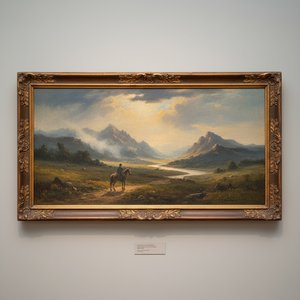
Anthony Vandyke Copley Fielding: Rediscovering a Master of Romantic Landscape
Discover the captivating landscapes of Anthony Vandyke Copley Fielding, a master of Romantic watercolour painting. Explore his life, technique, and legacy with OriginalUniqueArt – your source for museum-quality art reproductions & expert appraisal.

Evocations of Place: A Historical Journey Through Landscape Art
Explore the rich history of landscape art with OriginalUniqueArt. Discover renowned artists, movements like Impressionism & Romanticism, and expert guidance for collecting timeless pieces. Find your perfect serene escape today!

Džono Konsteblio Šedevrai: 25 Išskirtiniai Darbai Jūsų Interjerui | OriginalUniqueArt
Atraskite 25 įspūdingiausius Džono Konsteblio paveikslus! Romantizmo meistro gamtos vaizdai, Dedham Vale peizažai ir meno istorijos šedevrai. Meno reprodukcijos jūsų interjerui – OriginalUniqueArt.com
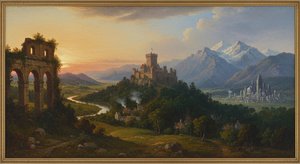
Evocations of Place: A Historical Journey Through Landscape Art
Explore the rich history of landscape art with OriginalUniqueArt. Discover renowned artists, movements like Impressionism & tonalism, and expert guidance for collecting timeless pieces. Find your perfect serene escape today!

