
 Peržiūrėti realaus dydžio版
 Pasidalinti
 Dalintis
 Išsamiau
 Vadovas

 Atsisiųsti
 Panašūs eksponatai
 Rentgeno spindulių nuotrauka
 Automatinė diorama
 问答
问答 Statistika
Red Beast

- 58.0 x 81.0 cm

 Skaityti daugiau
Šiame puslapyje rodomas meno kūrinys yra saugomas autorių teisių įstatymais, todėl neturime teisės legaliai kurti ar parduoti jo identiškos reprodukcijos. Ši apsauga užtikrinama remiantis tokiais tarptautiniais susitarimais kaip Bernės konvencija ir pagal nacionalines įstatymų nuostatas, įskaitant tas, kurias nurodo JAV autoriškos teisės įstatymas – 17-asis skyrius.
Šis metodas visiškai atitinka autorių teises, nes jame nėra saugomo kūrinio kopijavimo ar dubliavimo. Tai yra kūrybinė reinterpretacija – naujas paveikslas, kurį įkvėpė originalas, tačiau kuris nėra jo identiškas.
Giclée / Meno spausdinimas
Muziejų lygio „giclée“ arba drobos spausdinimas: greita gamyba ir lankstios apdailos parinktys. ( Pirkti rankų darbo tapybą Perejti prie skaitmeninių vaizdų)




































Pasirinkite iš mūsų nustatytų dydžių, atitinkančių originalaus meno kūrinio proporcijas.

Įveskite jums reikiamą plotį ir aukštį, kad atvaizdas derėtų prie jūsų rėmo ar sienos. Spausdiną galima tik sumažinti, bet nepadidinti virš originalaus paveikslėlio dydžio, todėl keičiant proporcijas, dalis vaizdo prarandama. Prieš spausdinimą atsiųsime jums skaitmeninį maketą patvirtinimui. Šioje puslapio nuotraukoje matomas pjūvis nėra tikslus – jį rodo tik maketas.
Pristatymas visame pasaulyje () per 2 weeks, o ne įprastas 4/5 savaičių laikotarpis. (14 lapkritis)

Nemokamas greitasis pristatymas visame pasaulyje

Aukštos kokybės lininis drobė

Pilnas siuntimo draudimas

Muitinės mokesčių grąžinimo garantija

Tikro spalvų atitikimo garantija

100 dienų grąžinimo politika (tik esant įtaigoms)

100% pinigų grąžinimo garantija

Nuolaida dideliems užsakymams
 Stiklo variantas prieinamas tik pasirinkus dydį iki 110 cm

Red Beast
Giclée / Meno spausdinimas
Reprodukcijos matmenys
-


Bendroji kaina
€ 72
Artistic Style and Technique
Misch Kohn's work is characterized by his use of bold colors and distorted forms, which are evident in the Red Beast. The artist's technique involves building up forms with infinite textural variety and intricacy, compounding the strength of the image. This style is a departure from his earlier works, which featured black humor and satire. The Red Beast is part of a series of prints created during Kohn's residency at the Tamarind Lithographic Workshop in Los Angeles.Symbolism and Interpretation
The Red Beast can be interpreted as a symbol of fear and uncertainty, reflecting the anxieties of the time. The distorted form and bold colors create a sense of tension and unease, drawing the viewer into the painting. The smaller figures surrounding the beast may represent the fragility of human existence in the face of unknown threats.- The Red Beast is a significant work in Misch Kohn's oeuvre, showcasing his unique style and technique.
- The painting's symbolism and interpretation are open to discussion, inviting viewers to reflect on the themes and emotions evoked by the artwork.
- The Smithsonian American Art Museum is home to a diverse collection of American art, including works by Misch Kohn and other notable artists.
The Red Beast is a captivating painting that showcases Misch Kohn's unique style and technique, inviting viewers to reflect on the themes and emotions evoked by the artwork.
Klausimai ir atsakymai
Kur galiu įsigyti rankinio darbo „Red Beast“ – Misch Kohn reprodukciją?
Rankumų „Red Beast“ – Misch Kohn rankumų kopijos yra parduodamos ši ši internetinė svetainė svetainėje: rankomis dažyta aliejaus reprodukcija ant lininio drobos, užsakomos per jos Rankų darbo aliejinis reprodukcija puslapį.
Kur galiu rasti panašių kūrinių kaip „Red Beast“ – Misch Kohn?
Puslapio Panašūs kūriniai skiltyje, skirtoje kūriniam darbui „Red Beast“ – Misch Kohn, pateikiami panašūs meno kūriniai.
Ar galėčiau „Red Beast“ peržiūrėti kaip pilno ekrano nuotraukų rodyklę?
Galima peržiūrėti nuotraukų rodyklę: Slaydšou puslapį kūriniam „Red Beast“ – Misch Kohn.
Autoriaus biografija
Misch Kohn (1916–2003): A Pioneer of Figurative Expressionism
Misch Kohn, born Harris Kohn in Kokomo, Indiana on March 26, 1916, to Russian immigrants Jacob and Anna Kohn, embarked on an artistic journey marked by profound engagement with social issues and a masterful exploration of printmaking techniques. His formative years were shaped by the Herron School of Art in Indianapolis where he honed his skills before pursuing further studies at Yale University. Notably, Kohn’s artistic trajectory took a decisive turn during his time at Laszlo Moholy-Nagy’s “New Bauhaus” Institute of Design in Chicago, fostering an innovative approach to graphic art that would define his career.- Early Influences: Kohn's initial exposure to European avant-garde movements—particularly Dada and Surrealism—fueled a desire to challenge conventional artistic norms and embrace emotional intensity as a primary expressive tool.
- The WPA Years: Following World War II, Kohn joined the Works Progress Administration (WPA), immersing himself in collaborative projects that addressed pressing social concerns during the era. This experience solidified his commitment to art’s role in shaping public discourse.
Exploring Printmaking Techniques and Conceptual Depth
Kohn's artistic philosophy centered on pushing the boundaries of printmaking mediums—woodcuts, lithographs, etchings—to convey complex ideas and emotions. He meticulously studied the processes involved, mastering techniques like aquatint and drypoint to achieve nuanced tonal gradations and textural effects. His prints often depicted scenes from everyday life interwoven with symbolic representations of human experience, reflecting a humanist sensibility deeply rooted in his Jewish heritage.- Collaboration with Stanley William Hayter: Kohn’s partnership with Stanley William Hayter at Atelier 17 in New York proved pivotal, introducing him to the principles of etching and fostering experimentation with innovative printing methods.
- The Bauhaus Legacy: The influence of Moholy-Nagy's Bauhaus aesthetic—emphasizing geometric abstraction alongside expressive elements—shaped Kohn’s artistic vision and encouraged him to integrate formal considerations into his thematic explorations.
Iconic Works and Critical Recognition
Kohn achieved international acclaim for his distinctive style, characterized by haunting portraits and evocative depictions of urban landscapes during the Second World War. Among his most celebrated pieces are “Season in Hell,” a visceral portrayal of existential angst; “My Grandfather’s Mustache,” which explores themes of memory and identity; “General,” reflecting on the complexities of leadership and responsibility; and “Three Generals,” symbolizing power dynamics and moral dilemmas. His artwork garnered recognition from prominent institutions including the Museum of Modern Art, New York City and the National Gallery of Art, Washington D.C., cementing his place as a seminal figure in postwar American art.Legacy and Continuing Influence
Misch Kohn died peacefully in Castro Valley, California on February 12, 2003, leaving behind an enduring artistic legacy that continues to inspire contemporary printmakers. His unwavering dedication to exploring the expressive potential of printmaking—combined with his profound engagement with social and psychological themes—established him as a champion of figurative expressionism and a visionary artist who profoundly impacted the trajectory of modern art history. Kohn’s work remains a testament to the transformative power of artistic vision and its capacity to illuminate the human condition.
Misch Kohn
1916 - 2003
Trumpa informacija
- Artistic Movement Or Style: Figurative Expressionism
- Artists Or Movements Influenced By This Artist: ['Expressionism']
- Artists Who Influenced This Artist: ['Stanley William Hayter']
- Date Of Birth: 1916
- Date Of Death: 2003
- Full Name: Misch Kohn
- Nationality: American
- Notable Artworks:
- Red Beast
- The Fisherman
- Place Of Birth: Kokomo, Indiana
Susiję straipsniai

The Visceral Aesthetic: Unveiling the Raw Emotional Power of Expressionist Masterpieces
Explore the profound psychological depths of Expressionist art. From Schiele to Kirchner, discover how these masterpieces evoke raw emotion. Our expert curation offers museum-quality reproductions for the discerning collector seeking intensity and soul in their modern fine art collection.

25 Masterpieces by Alexej von Jawlensky: The Soul of Expressionism
Immerse yourself in the vibrant world of Alexej von Jawlensky. Explore 25 iconic Expressionist masterpieces, from soulful portraits to bold color studies. Find inspiration for your collection with museum-quality art reproductions. Discover all masterpieces on OriginalUniqueArt.com.
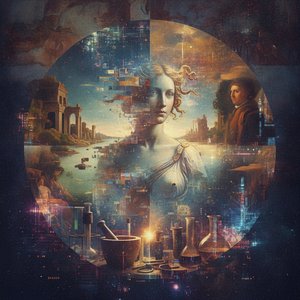
The Alchemy of Layers: How Digital Collage Reimagines the Soul of Artistic Tradition
Explore the enchanting evolution of digital collage, where modern technology meets the timeless soul of art history. Discover how contemporary artists blend classical textures with digital innovation to create breathtaking new masterpieces for the modern collector.

Capturing a Vanishing World: The 25 Best Artworks by George Catlin
Explore George Catlin's iconic Indian Gallery portraits. Discover these timeless Native American masterpieces on OriginalUniqueArt.com.

Capturing a Vanishing World: The 25 Best Artworks by George Catlin
Explore George Catlin's iconic Indian Gallery portraits. Discover these timeless masterpieces on OriginalUniqueArt.com.