
 Peržiūrėti realaus dydžio版
 Pasidalinti
 Dalintis
 Išsamiau
 Vadovas

 Atsisiųsti
 Panašūs eksponatai
 Rentgeno spindulių nuotrauka
 Automatinė diorama
 问答
问答 Statistika
Ogou Ferail


 Skaityti daugiau
Šiame puslapyje rodomas meno kūrinys yra saugomas autorių teisių įstatymais, todėl neturime teisės legaliai kurti ar parduoti jo identiškos reprodukcijos. Ši apsauga užtikrinama remiantis tokiais tarptautiniais susitarimais kaip Bernės konvencija ir pagal nacionalines įstatymų nuostatas, įskaitant tas, kurias nurodo JAV autoriškos teisės įstatymas – 17-asis skyrius.
Šis metodas visiškai atitinka autorių teises, nes jame nėra saugomo kūrinio kopijavimo ar dubliavimo. Tai yra kūrybinė reinterpretacija – naujas paveikslas, kurį įkvėpė originalas, tačiau kuris nėra jo identiškas.
Giclée / Meno spausdinimas
Muziejų lygio „giclée“ arba drobos spausdinimas: greita gamyba ir lankstios apdailos parinktys. ( Pirkti rankų darbo tapybą Perejti prie skaitmeninių vaizdų)




P118B €10

P118H €10

P118W €10

P438Z €10

P508JH €12

P508YH €12

P805H €10

P805Z €10

P919BZ €10

P919G €10

P919XJ €10

P959ZH €10

P968JZ €12

W106C €8

W218G €10

W218JH €8

W218Y €10

W307PJ €10

W316G €10

W316PJ €8

W316Y €10

W398PJ €8

W4111J €10

W500HY €15

W500JH €15

W692G €12

W849H €8

W940BG €15

W953PJ €8




Pasirinkite iš mūsų nustatytų dydžių, atitinkančių originalaus meno kūrinio proporcijas.

Įveskite jums reikiamą plotį ir aukštį, kad atvaizdas derėtų prie jūsų rėmo ar sienos. Spausdiną galima tik sumažinti, bet nepadidinti virš originalaus paveikslėlio dydžio, todėl keičiant proporcijas, dalis vaizdo prarandama. Prieš spausdinimą atsiųsime jums skaitmeninį maketą patvirtinimui. Šioje puslapio nuotraukoje matomas pjūvis nėra tikslus – jį rodo tik maketas.
Pristatymas visame pasaulyje () per 2 weeks, o ne įprastas 4/5 savaičių laikotarpis. (4 lapkritis)

Nemokamas greitasis pristatymas visame pasaulyje

Aukštos kokybės lininis drobė

Pilnas siuntimo draudimas

Muitinės mokesčių grąžinimo garantija

Tikro spalvų atitikimo garantija

100 dienų grąžinimo politika (tik esant įtaigoms)

100% pinigų grąžinimo garantija

Nuolaida dideliems užsakymams
 Stiklo variantas prieinamas tik pasirinkus dydį iki 110 cm

Ogou Ferail
Giclée / Meno spausdinimas
Reprodukcijos matmenys
-


Bendroji kaina
€ 72
Klausimai ir atsakymai
Kam rekomenduojamas naudojimui „Ogou Ferail“ – Mireille Delismé?
„Ogou Ferail“ – Mireille Delismé reprodukcija rekomenduojama Statement. Šis pasiūlymas grindžiamas kūrinio tema, nuotaika ir spalvomis.
Kas sukūrė „Ogou Ferail“?
„Ogou Ferail“ priskiriamas Mireille Delismé.
Kaip „Ogou Ferail“ tema susiję su įprastomis Mireille Delismé tematikos temos?
„Ogou Ferail“ vaizduoja voodoo flag art, epic battle scene, knight on horseback, dragon combat, haitian culture, spiritual narrative, o įrašytos Mireille Delismé temos yra vodou spiritual symbolism art, haitian cultural resilience narrative, epic battle tradition depiction. Šių dviejų lyginimas parodo, kaip šis kūrinys susijęs su įprastais šio kūrybinio veiksmo objektais.
Autoriaus biografija
Mireille Delisme: Weaving Faith and Resilience into Haitian Drapo
Mireille Delismé, a name synonymous with vibrant Haitian artistry, is more than just an artist; she’s a conduit between the spiritual realm of Vodou and the tangible beauty of her meticulously crafted drapo flags. Born in Leogâne, Haiti, in 1968, Mireille – also known as Mireille Delice – has dedicated her life to preserving and evolving this deeply significant art form, transforming it into a powerful expression of faith, community, and resilience. Her work isn’t merely decorative; it's a visual narrative steeped in Haitian history, Vodou beliefs, and the enduring spirit of her people. Delismé’s artistic journey began unexpectedly in 1986, apprenticing under her cousin, Myrlande Constant (or Yolande Ceauston – accounts vary), learning the foundational skills of sewing and beading within a factory producing embellishments for wedding dresses destined for export in Port-au-Prince. This experience, though ultimately short-lived when the factory closed in 1990 due to political and economic instability, provided her with invaluable technical expertise. It was during this period that she first experienced what would become the driving force behind her artistic practice: a series of vivid dreams. These weren’t random occurrences; they were imbued with messages from Vodou spirits, particularly Erzulie, the spirit of love, represented by a heart symbol – a design that would later become the defining motif of her iconic flags. The closure of the factory and the subsequent dream-inspired guidance marked a pivotal moment in Delismé’s life. She recounts receiving instructions to forge her own path, an invitation to create independently and provide for her family. Embracing this call, she began crafting drapo Vodou flags using leftover beads from her previous employment. These early pieces weren't simply decorative; they were imbued with the spirit of Erzulie and other Vodou deities, acting as visual representations of divine guidance and offering clarity within life’s complexities. The bright colors – reds, yellows, blues, greens – used in the sequins and beads aren’t arbitrary choices but carefully selected to evoke specific moods and spiritual energies. Her atelier, established in Haiti, now serves as a hub for creating these intricate works, employing seven artisans who contribute their skills to this vibrant tradition.The Language of Drapo Vodou
The drapo Vodou is far more than just an embroidered flag; it’s a complex and deeply symbolic visual language central to Haitian Vodou practice. These flags are offered to the *lwa* (spirits) during ceremonies, serving as conduits for communication and connection. Each element – color, symbol, bead placement – carries specific meaning, reflecting the attributes of the particular spirit being invoked. Delismé’s work is particularly notable for its incorporation of traditional Vodou iconography alongside her own unique interpretations. She meticulously researches and translates these symbols, ensuring that each flag accurately represents the spirit it honors. The heart motif, originating from her initial dream with Erzulie, remains a recurring element, symbolizing love, compassion, and connection to the divine.Dreams as Inspiration: A Spiritual Dialogue
Delismé’s artistic process is inextricably linked to her dreams. She describes receiving multiple visions from the *lwa*, each offering guidance, inspiration, and specific designs for her flags. The third dream, in particular, provided a clear directive – to abandon factory work and pursue her own creative path. This narrative underscores the profound spiritual influence that shapes her art. She doesn’t simply draw inspiration from Vodou symbols; she actively engages in a dialogue with the spirits themselves, allowing their messages to inform her artistic choices. The resulting flags are not merely products of skill but expressions of a deeply personal and spiritual connection.Responding to Tragedy: Art as Healing
In the aftermath of the devastating 2010 earthquake that ravaged Haiti, Delismé channeled her grief and concern into her art. Recognizing the immense suffering in her homeland, she created “Catastrophe du 12 Janvier” – a powerful drapo depicting the crumbled buildings and the tragic loss of life. This work wasn’t simply a memorial; it was an act of healing, a way to process trauma and offer solace to her community. Her participation in the Smithsonian Folklife Festival in 2010 and subsequent exhibitions at institutions like the Museum of International Folk Art further amplified the significance of her art as a testament to Haitian resilience and cultural heritage. The piece “Catastrophe du 12 Janvier” was particularly poignant, demonstrating how she translated the devastation into a visual language that resonated with both local communities and international audiences.Legacy and Recognition
Mireille Delismé’s work has garnered significant recognition within the art world and beyond. Her pieces have been exhibited at prestigious venues like the Indigo Arts Gallery in Philadelphia and featured in publications such as *Crane Arts*. Her commitment to preserving and promoting the tradition of drapo Vodou has solidified her position as a leading figure in Haitian contemporary art. Delismé’s atelier continues to thrive, employing local artisans and ensuring that this vibrant artistic heritage remains alive for generations to come. Her flags are not just beautiful objects; they are powerful symbols of faith, community, and the enduring spirit of Haiti.
Mireille Delismé
Haiti
Trumpa informacija
- Artistic Movement Or Style: Drapo Vodou art
- Artists Or Movements Influenced By This Artist: ['Vodou tradition']
- Artists Who Influenced This Artist: ['Yolande Ceauston']
- Date Of Birth: Leogâne, Haiti (1967)
- Full Name: Mireille Delisme
- Nationality: Haitian
- Notable Artworks: ['Ogou Ferail']
- Place Of Birth: Leogâne, Haiti
Susiję straipsniai

The Enduring Appeal of Decorative Art: A Historical Survey of Ornamentation, Functionality & Cultural Significance
Explore the rich history of decorative arts with OriginalUniqueArt.com. Discover key movements, influential artists, and expert guidance for building a discerning collection. Learn about ornamentation, functionality & cultural significance.
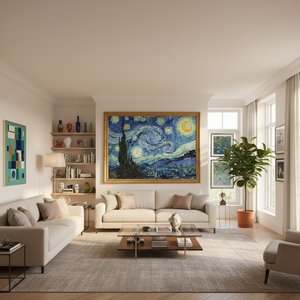
Top 10 Masterpieces for Your Living Room: Iconic Paintings & Art Decor Ideas |
Transform your living room with iconic art! Explore our guide to the Top 10 most famous paintings – from Van Gogh's Starry Night to Mona Lisa. Discover artist stories, techniques & find museum-quality reproductions for timeless decor. Explore the full collection on

Daniel Ridgway Knight: A Study in Victorian Genre Painting & Rural Idealism
Explore the captivating world of Daniel Ridgway Knight, a master of Victorian genre painting. Discover his serene rural scenes, realistic technique & lasting influence on American Impressionism. Learn about his life, art, and collectibility.

Armor & Edge: The Trend Forecast for Bold Knight Art to Level Up Your Space
Level up your space with the ultimate trend forecast on Bold Knight Art. Discover how contemporary armor aesthetics and chivalric imagery are redefining urban interiors, gaming setups, and pop-culture decor through high-impact, custom-made masterpieces.

Gustavo Klimto Šedevrai: 25 Išskirtiniai Darbai Jūsų Interjerui | OriginalUniqueArt
Atraskite 25 įspūdingiausius Gustavo Klimto kūrinius! Išsami analizė, istorijos ir simbolizmas. Įkvėpkite interjerui aukso spalvos paveikslus iš Vienos secesijos laikų. Kokybiškos reprodukcijos – OriginalUniqueArt.com