
 Peržiūrėti realaus dydžio版
 Siųsti
 Dalintis
 Išsamiau
 Vadovas

 Atsisiųsti
 Panašūs eksponatai
 Rentgeno spindulių nuotrauka
 Diaporama
 Statistika
Charizma


 Rodyti daugiau
Giclée / Meno spausdinimas
Muziejų lygio „giclée“ arba drobos spausdinimas: greita gamyba ir lankstios apdailos parinktys. ( Pirkti rankomis tapytą reprodukciją Perejti prie skaitmeninių vaizdų)




P118B €10

P118H €10

P118W €10

P438Z €10

P508JH €12

P508YH €12

P805H €10

P805Z €10

P919BZ €10

P919G €10

P919XJ €10

P959ZH €10

P968JZ €12

W106C €8

W218G €10

W218JH €8

W218Y €10

W307PJ €10

W316G €10

W316PJ €8

W316Y €10

W398PJ €8

W4111J €10

W500HY €15

W500JH €15

W692G €12

W849H €8

W940BG €15

W953PJ €8




Pasirinkite iš mūsų nustatytų dydžių, atitinkančių originalaus meno kūrinio proporcijas.

Įveskite jums reikiamą plotį ir aukštį, kad atvaizdas derėtų prie jūsų rėmo ar sienos. Spausdiną galima tik sumažinti, bet nepadidinti virš originalaus paveikslėlio dydžio, todėl keičiant proporcijas, dalis vaizdo prarandama. Prieš spausdinimą atsiųsime jums skaitmeninį maketą patvirtinimui. Šioje puslapio nuotraukoje matomas pjūvis nėra tikslus – jį rodo tik maketas.
Pristatymas visame pasaulyje () per 2 weeks, o ne įprastas 4/5 savaičių laikotarpis. (26 spalis)

Nemokamas greitasis pristatymas visame pasaulyje

Aukštos kokybės lininis drobė

Pilnas siuntimo draudimas

Muitinės mokesčių grąžinimo garantija

Tikro spalvų atitikimo garantija

100 dienų grąžinimo politika (tik esant įtaigoms)

100% pinigų grąžinimo garantija

Nuolaida dideliems užsakymams
 Stiklo variantas prieinamas tik pasirinkus dydį iki 110 cm

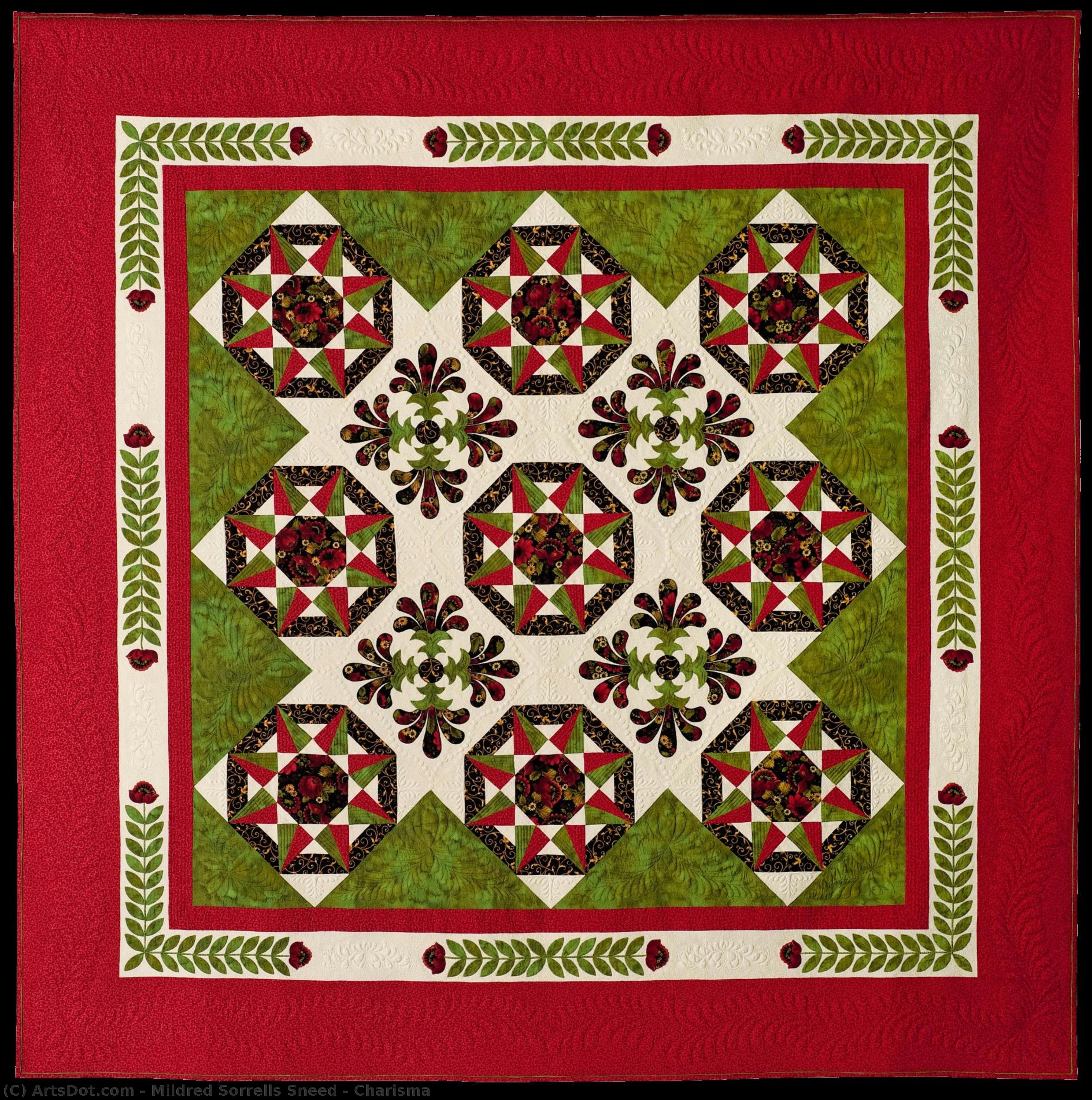
Charizma
Giclée / Meno spausdinimas
Reprodukcijos dydis
-


Visų pasirinktų variantų kaina
€ 70
Charizma – Mildred Sorrells Sneed: Šilumos Simfonija Žydumo Spalvų
Štai vienas iš Mildred Sorrells Sneedo kūrinių, šildantis žydumo spalvų simfoniją. Užsišaukęs blizganti kvadratėlis, kuriame dominuoja raudonas fonas ir sudėtinga užmojo dizainas – žalią, baltą, raudoną spalvas naudojant išmintingai. Štai daugybė ratų kvadratelyje, kai kurie didesni nei kiti, o diamantinės formas galima rasti įvairiomis dydžio variantais. Kvadratėlį pristato ant staliuko, kuriame puikuojasi šildomos spalvos ir unikali dizainas. Užsišaukusio vaizdo dėmesys detalėms leidžia įvertinti šilumos kvadratelio išskirtinę estetikai – tai meno kūrinis, kuris iš aukščiausios kvalifikacijos reprodukcijos suteikia įkvėpimą kolekcionieriams ir interjero dizaineriams.- Šūdymai Dienai: William Adamesas (1803–1835) buvo meno žmogus, kuris iš dalies atsiskyrė nuo savo aukštųjų mokinių laikotarpio. Jis gimęs Wotton under Edgehill šalyje, Gloucestershire regione, į šeimą turėjusį mažą finansinį stabilumą, ankstyvoje gyvenimo istorijoje įsitikinusią įvairovę estetikai – šią erudiciją jis išlaikė savo meno vizijoje. Jo tėvas, dailininkas meistras, ugdė supratimą apie formą ir struktūrą, o jo motina mėgėjo siužinimo užmojo subtilią įtaką jo dėmesio detalėms.
- Nepalygi Švietimo Šarmas: Panašiai kaip daug dailininkų iš jo laikotarpio, Adamesas pasirinko vaizduoti gyvenimą šalyje, portretus paprastų žmonių ir statybinius objektus, kuriuose dominuoja švelnus švietimas. Šis pasirinkimas buvo ne tik atsistatymas nuo vyravęsios meno estetikos, bet ir įsikėlė į išmintį įvardinti kasdienius dalykus – štai jis iš dalies sukėlė įkvėpimą kolekcionieriams ir interjero dizaineriams.
- Žydumo Spalvos: Adamesas pradėjo savo meno karjerą mažai finansinio stabilumo, mokytojo paskaitomis Bristol šalyje. Jis dėmesingai ugdė savo meistriškumą naudojantis vandens spalva ir gouache techniką – šie metodai puikiai tarnavo įrašant subtilius švietimo efektus ir tekstūrą kuriuos jis taip rūpestingai stebėjo.
- Žmogaus Širdies Atspindys: Jo pirmųjų darbų rezultatas buvo kraštovaizdžiai Gloucestershire regione, kuriuos jis puikiai įrašė į vandens spalvos techniką – štai jis iš tikrųjų išskyrėsi nuo savo aukštųjų mokinių laikotarpio dailininkų. Jis nepanašėjo į daug dailininkų iš jo laikotarpio kurie mėgavo vaizduoti istoriją arba mitologiausius veiksmus, bet pasirinko vaizduoti gyvenimą šalyje portretus paprastų žmonių ir statybinius objektus kuriuose dominuoja švelnus švietimas.
问答 (or more naturally for a website heading): Klausimai ir atsakymai
Kokie kiti Mildred Sorrells Sneed vardai yra žinomi?
Mildred Sorrells Sneed taip pat žinomas (a) pavadinimais Mildred Sorrells.
Ar galima įsigyti „Charizma“ aukštos raiškos skaitmeninį vaizdą?
„Charizma“ galima įsigyti kaip aukštos raiškos skaitmeninio vaizdo atsisiuntimas, tiesiogiai savo Skaitmeninis vaizdas puslapio.
Koks kontrastas yra darbe „Charizma“, autorius – Mildred Sorrells Sneed?
„Charizma“, autorius – Mildred Sorrells Sneed pasižymi Teiginys kontrastu tarp švesių ir tamsių paviršių.
Autoriaus biografija
The Fabric of Heritage: The Artistry of Mildred Sorrells Sneed
In the quiet, rhythmic motion of a needle passing through fabric, there exists a profound form of storytelling that transcends mere decoration. Mildred Sorrells Sneed stands as a luminous figure in this tradition, a master of American quilting whose work serves as a vibrant bridge between ancestral heritage and contemporary textile art. Her creations, most notably the celebrated pieces ‘Charisma’ and ‘Golden Glow’, are not simply quilts; they are intricate tapestries of memory, texture, and light that capture the very essence of American quilting artistry. To encounter her work is to step into a world where every stitch holds a heartbeat and every pattern reflects a legacy of meticulous craftsmanship dating back centuries.
The soul of Sneed’s work lies in its ability to evoke the warmth of the domestic sphere while maintaining a sophisticated aesthetic complexity. Her approach to quilting mirrors the depth found in fine painting, utilizing color theory and structural design to create visual movement across the surface of her quilts. Through her hands, the medium of quilting is elevated from a functional craft to a high art form, characterized by an extraordinary attention to detail and an emotional resonance that speaks to the viewer's sense of home and history. Her mastery over light and texture allows her pieces to transform under different settings, much like a landscape painting reacting to the shifting sun.
A Legacy Woven in Time
The historical significance of Mildred Sorrells Sneed’s contribution to the textile arts cannot be overstated. She operates within a lineage of American quilters that stretches back to 1746, a period when quilting was both a necessity and a communal language. Her work honors this deep-rooted tradition while pushing the boundaries of what a quilt can represent in a modern context. By infusing her designs with a sense of "charisma" and "glow," she breathes new life into ancient techniques, ensuring that the artistry of the past remains relevant and breathtaking in the present day.
Her achievements are marked by a unique ability to balance the following elements:
- Technical Precision: A rigorous commitment to the structural integrity of each piece, ensuring that every seam and pattern alignment contributes to a cohesive whole.
- Emotional Depth: The capacity to imbue fabric with a sense of nostalgia and warmth, making her work deeply relatable to a global audience.
- Visual Narrative: Using color palettes that evoke specific moods, from the radiant energy of her more vibrant compositions to the quiet, contemplative tones of her more subtle works.
As we look upon the enduring impact of her work, it becomes clear that Mildred Sorrells Sneed has done more than just create beautiful objects; she has preserved a vital piece of American cultural identity. Her quilts serve as enduring monuments to the beauty found in the handmade, reminding us that true art is often found in the most intimate and tactile of forms.

Mildred Sorrells Sneed
1835 , United States of America
Trumpa informacija apie kūrėją
- Date Of Death: 1835
- Place Of Birth: Macomb County, United States of America
- Notable Artworks:
- Evelyne Axell
- Joav BarEl
- Thomas Bayrle
- Artistic Movement Or Style: World Goes Pop
Susiję straipsniai

Kandinsky's Masterpieces: 25 Paintings That Define Abstract Art | OriginalUniqueArt
Journey through Wassily Kandinsky's 25 most iconic abstract paintings. Explore his revolutionary use of color, form & spiritual expressionism. Find museum-quality Kandinsky reproductions and elevate your home decor with OriginalUniqueArt.com. Discover all masterpieces on OriginalUniqueArt.com!
Geometric Design in Art: A Historical Survey & Contemporary Appeal for Collectors
Explore the enduring legacy of geometric abstraction! Discover key artists, historical movements & investment insights for discerning art collectors. Expert guidance from OriginalUniqueArt.

Crimson Threads of Narrative: Exploring Symbolism & Representation in Artworks Featuring the Red Dress
Explore the rich symbolism of the red dress in art history! From ancient power displays to iconic portraits like Cézanne’s 'Madame Cezanne', discover the cultural and artistic significance behind this captivating color. Expert analysis & insights.

Geometrinės Abstrakcijos Šedevrai: 10 Kūrinių, Pakeitusių Meną | OriginalUniqueArt.com
Atraskite 10 geometrinės abstrakcijos šedevrų – nuo Mondriano iki Malevičiaus! Sužinokite apie Piet Mondrian, Kazimir Malevič ir kitus menininkus. Meno kūriniai jūsų interjerui | OriginalUniqueArt.com

The Enduring Appeal of Geometric Patterns in Art: A Historical & Contemporary Exploration
Explore the captivating history of geometric abstraction in art, from ancient roots to contemporary masters. Expert insights for collectors & enthusiasts. Discover key artists, movements & investment potential.
