

 Peržiūrėti realaus dydžio版
 Siųsti
 Dalintis
 Išsamiau
 Vadovas

 Atsisiųsti
 Panašūs eksponatai
 Rentgeno spindulių nuotrauka
 Diaporama
 Statistika
Ždiar
 Drawing
- WallArt
- Slovak Modernism
 Modern
 15.0 x 10.0 cm
 Slovak National Gallery
 Rodyti daugiau
Rankų darbo aliejinės reprodukcijos
Rankiniu būdu tapytas aliejus ant droblio jūsų pageidaujamame dydį ir rėmuose – mūsų menininkų darbas pagal užsakymą. ( Perjungti į spausdinimą Perejti prie skaitmeninių vaizdų)




P118B €10

P118H €10

P118W €10

P438Z €10

P508JH €12

P508YH €12

P805H €10

P805Z €10

P919BZ €10

P919G €10

P919XJ €10

P959ZH €10

P968JZ €12

W106C €8

W218G €10

W218JH €8

W218Y €10

W307PJ €10

W316G €10

W316PJ €8

W316Y €10

W398PJ €8

W4111J €10

W500HY €15

W500JH €15

W692G €12

W849H €8

W940BG €15

W953PJ €8




Pasirinkite iš mūsų nustatytų dydžių, atitinkančių originalaus meno kūrinio proporcijas.

Įveskite jums reikiamą plotį ir aukštį, kad paveikslas atitiktų jūsų rėmą ar sieną. Kadangi šis darbas yra rankinio darbo, siekiant išgauti kitokio formos dydį, paveikslas gali būti šiek tiek didesnis (nuo kraštų bus palikta daugiau erdvės) arba mažesnis – pasirinkite jums patogiausią variantą. Prieš pradedant tapyti, atsiųsime jums skaitmeninį maketą patvirtinimui. Šioje puslapio nuotraukoje matomas vaizdas nėra galutinis rezultatas – jį parodys tik sukurtas maketas.
Gavus užsakymą, OriginalUniqueArt.com komanda susisieks su klientu el. paštu dėl instrukcijų ir pateiks maketo pavyzdį
Pristatymas visame pasaulyje () per 3–4 savaites, o ne įprastai – per 5 savaites. (25 spalis). Kokybė lieka nepakeičiama.

Nemokamas greitasis pristatymas visame pasaulyje

Aukštos kokybės lininis drobė

Pilnas siuntimo draudimas

Muitinės mokesčių grąžinimo garantija

Tikro spalvų atitikimo garantija

100 dienų grąžinimo politika (tik esant įtaigoms)

100% pinigų grąžinimo garantija

Nuolaida dideliems užsakymams
 Stiklo variantas prieinamas tik pasirinkus dydį iki 110 cm

Ždiar
Reprodukcijos technika
Reprodukcijos dydis
-


Visų pasirinktų variantų kaina
€ 263
A Window into Slovak Modernism
In the quiet, rhythmic lines of Mikuláš Galanda’s Ždiar, we encounter more than just a landscape; we enter a pivotal moment in the evolution of Central European art. As a co-author of the first manifesto of Slovak Modernism, Galanda possessed the rare ability to bridge the gap between rustic, folk traditions and the avant-garde movements sweeping through Europe in the 1930s. This particular work, a delicate composition capturing a small view of the High Tatras village, serves as a profound testament to his mastery of form. Through a precise and disciplined use of line, Galanda strips away the unnecessary, leaving behind an image that feels both structurally grounded and ethereally light.
The scene unfolds with a captivating simplicity, presenting two houses nestled within a mountainous embrace. The architecture, characterized by its iconic red roofs, stands as a symbol of human resilience and domestic warmth amidst the rugged grandeur of the natural world. As one observes the interplay between the structures and the surrounding trees, there is a palpable sense of intimacy. The presence of birds—drifting through the upper reaches and lower corners of the frame—adds a layer of lyrical movement to the stillness, suggesting a living, breathing ecosystem where man and nature exist in a delicate, harmonious balance.
Technique and Emotional Resonance
Galanda’s technique in Ždiar is a masterclass in the power of minimalism. By utilizing a starker, more graphic approach, he emphasizes the precision of every stroke, allowing the viewer to appreciate the rhythmic geometry of the landscape. The composition is not merely a depiction of a place, but an exploration of space and solitude. A solitary figure stands between the dwellings, acting as a silent witness to the majesty of the mountains. This figure invites the viewer to step into the scene, to share in that quiet moment of observation, and to feel the profound peace that accompanies rural life.
For the discerning collector or interior designer, this piece offers an unparalleled opportunity to introduce a sense of historical depth and sophisticated tranquility into a space. The artwork’s ability to evoke nostalgia while maintaining a modern, clean aesthetic makes it a versatile centerpiece for contemporary galleries or refined residential settings. It is a work that does not demand attention through loud colors or chaotic movement, but rather commands respect through its quiet dignity and the timeless emotional impact of its subject matter. To possess a reproduction of Ždiar is to hold a fragment of Slovak cultural identity, rendered with the grace of a true modernist pioneer.
问答 (or more naturally for a website heading): Klausimai ir atsakymai
Ar „Ždiar“, autorius – Mikulašas Galanda vaizdą galima laisvai reprodukcijaoti?
„Ždiar“, autorius – Mikulašas Galanda yra pripa принадле belongs to the public domain – jo autorinė teisė pasibaigusi. Šis statusas nustato, kaip galima reprodukcijaus šio kūrinio vaizdą.
Kokia yra „Ždiar“ paletės ryškumas?
Kūrinys „Ždiar“, autorius – Mikulašas Galanda užfiksuotas su Subtle Color nasyginimu.
Kaip rasti panašių kūrinių kaip „Ždiar“, autorius – Mikulašas Galanda?
Darbai, panašūs į „Ždiar“, yra pateikti kūrinio Panašūs kūriniai puslapyje.
Autoriaus biografija
Mikulášas Galandos buvo iškilmingas slovakų paveikslų dažytojas ir iliustratorius, kuris suvažiavė didelę vaidmenį formuojant šios šalies moderniosios dailės sceną. Gimęs 1895 m. Slovakijoje, Mala Ves netoliese Turčianske Teplice, Galanda tapo vienu svarbiausių slovakų moderniosios dailės pionierių ir sk propagatorių.
ankstyvasis gyvenimas ir išsilavinimas
Galandos meninė kelionė prasidėjo studijose Budapesto dailės akademijoje nuo 1914 iki 1916 metų. Vėliau, 1922–1923 m., jis studijavo Prakoje, vykydamas meno, architektūros ir dizaino akademijos kursus. Šios institucijos jam suteikė tvirtą meno ir dizaino pagrindą, kurį jis vėliau įliejo į savo unikalią, neįgalią stilių.karjera ir pasiekimai
Kaip tapatinis ir iliustratorius, Galanda 1924–1926 m. dirbo kaip pirmasis grafinis redaktorius žurnale „Dav“. Jis taip pat mokėsi Bratislavos 1-oje mergaičių mokykloje ir nuo 1929 iki 1932 m. dalijosi atelieriu su Ljudovitu Fulla. 1930 m. jis keliavo į Paryžių ir surengė parodą Kraklove, o tai dar vėliau užtvirtino jo poziciją kaip iškilmingo meistro. Kai kurios žinomos Galandos kūrinys galima rasti OriginalUniqueArt.com svetainėje, kur meno entuziastai gali tyrinėti jo unikalią stilių ir indą į slovakų moderniąją dailę. Bratislavos Metská galeria taip pat eksponuoja dalį jo darbų, pristydama šalies turtingą meninę paveldą.apdovanojimai ir pripažinimas
1933 m. Galanda tapo profesoriu Bratislavos pramonės menų mokykloje ir laimėjo M. R. Štefániko krašto premiją. 1935 m. jis taip pat surengė parodas Sienoje ir Prakoje, kas demonstravo jo augantį pripažinimą kaip autoriaus. pagrindiniai Galandos karjeros aspektai:- jis buvo slovakų moderniosios dailės pionierius
- studijavo Budapesto dailės akademijoje ir Prako meno, architektūros ir dizaino akademijoje
- buvo pirmasis grafinis redaktorius žurnale „Dav“
- rengė parodas Paryzuje ir Kraklove
- laimėjo M. R. Štefániko krašto premiją
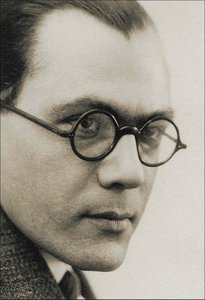
Mikulašas Galanda
1895 - 1938 , Slovakija
Susiję straipsniai

10 Romantinių Peizažų Simbolių: Tapybos Majestatės Viršūnės
Atraskite 10 legendinių romantinio peizažo kūrinių! Pasinerkite į Claude Lorrain, Caspar David Friedrich ir J.M.W. Turner genijaus pasaulį. Išmokite apie tapybos meistriškumą bei gamtos grožį. Aukščiausios kokybės meno reprodukcijos – OriginalUniqueArt.com. Tyrinėkite kolekciją!

Džono Konsteblio Šedevrai: 25 Išskirtiniai Darbai Jūsų Interjerui | OriginalUniqueArt
Atraskite 25 įspūdingiausius Džono Konsteblio paveikslus! Romantizmo meistro gamtos vaizdai, Dedham Vale peizažai ir meno istorijos šedevrai. Meno reprodukcijos jūsų interjerui – OriginalUniqueArt.com

Cultivating Visions: A Historical Journey Through Rural Landscapes in Art
Explore the rich history of rural landscape painting with OriginalUniqueArt. Discover Impressionist masterpieces, key artists & movements. Find your perfect serene artwork and bring nature's beauty home.

Dark Masterpieces: 10 Iconic Paintings Dominated by Black Tones |
Explore 10 iconic paintings dominated by black tones, from Rembrandt’s chiaroscuro to Goya's dark expressions. Discover the stories behind these masterpieces & find museum-quality art reproductions for your home at .

White on Canvas: 10 Masterpieces & Timeless Elegance for Your Home Decor
Explore 10 iconic white paintings by Monet, Whistler & Rothko! Discover the stories behind these serene masterpieces and their impact on art history. Find museum-quality reproductions for your home decor at .