
 Peržiūrėti realaus dydžio版
 Pasidalinti
 Dalintis
 Išsamiau
 Vadovas

 Atsisiųsti
 Panašūs eksponatai
 Rentgeno spindulių nuotrauka
 Automatinė diorama
 问答
问答 Statistika
Pastorale

- 50.0 x 40.0 cm


 Skaityti daugiau
Giclée / Meno spausdinimas
Muziejų lygio „giclée“ arba drobos spausdinimas: greita gamyba ir lankstios apdailos parinktys. ( Pirkti rankų darbo tapybą Perejti prie skaitmeninių vaizdų)




P118B €10

P118H €10

P118W €10

P438Z €10

P508JH €12

P508YH €12

P805H €10

P805Z €10

P919BZ €10

P919G €10

P919XJ €10

P959ZH €10

P968JZ €12

W106C €8

W218G €10

W218JH €8

W218Y €10

W307PJ €10

W316G €10

W316PJ €8

W316Y €10

W398PJ €8

W4111J €10

W500HY €15

W500JH €15

W692G €12

W849H €8

W940BG €15

W953PJ €8




Pasirinkite iš mūsų nustatytų dydžių, atitinkančių originalaus meno kūrinio proporcijas.

Įveskite jums reikiamą plotį ir aukštį, kad atvaizdas derėtų prie jūsų rėmo ar sienos. Spausdiną galima tik sumažinti, bet nepadidinti virš originalaus paveikslėlio dydžio, todėl keičiant proporcijas, dalis vaizdo prarandama. Prieš spausdinimą atsiųsime jums skaitmeninį maketą patvirtinimui. Šioje puslapio nuotraukoje matomas pjūvis nėra tikslus – jį rodo tik maketas.
Pristatymas visame pasaulyje () per 2 weeks, o ne įprastas 4/5 savaičių laikotarpis. (10 lapkritis)

Nemokamas greitasis pristatymas visame pasaulyje

Aukštos kokybės lininis drobė

Pilnas siuntimo draudimas

Muitinės mokesčių grąžinimo garantija

Tikro spalvų atitikimo garantija

100 dienų grąžinimo politika (tik esant įtaigoms)

100% pinigų grąžinimo garantija

Nuolaida dideliems užsakymams
 Stiklo variantas prieinamas tik pasirinkus dydį iki 110 cm

Pastorale
Giclée / Meno spausdinimas
Reprodukcijos matmenys
-


Bendroji kaina
€ 73
A Serene Encounter with the Pastoral
In the quietude of Mikuláš Galanda’s Pastorale, the viewer is transported into a timeless landscape where the boundaries between humanity and nature dissolve into a harmonious rhythm. This evocative piece captures a moment of profound stillness, centered around a gathering of cattle that anchors the composition. On the left, a trio of cows stands in intimate proximity, their forms suggesting a shared, silent communion, while a solitary bull commands the center of the scene, lending a sense of strength and groundedness to the meadow. The presence of two figures—one observing the herd with quiet contemplation and another positioned near the bull—infuses the landscape with a gentle human narrative, transforming a simple agricultural scene into a poetic meditation on coexistence.
The painting serves as more than just a depiction of rural life; it is an exploration of atmosphere and presence. The way the animals are distributed across the canvas creates a sense of depth that draws the eye from the immediate foreground into the soft, receding layers of the background. For the collector or interior designer, this work offers a sophisticated balance of subject matter and spatial arrangement, making it an ideal centerpiece for spaces that require a touch of tranquility and organic warmth. The composition invites the observer to linger, finding peace in the rhythmic placement of life within the pastoral expanse.
The Legacy of Slovak Modernism
To understand the soul of Pastorale, one must look toward the pioneering spirit of its creator. Mikuláš Galanda stands as a titan of Slovak modern art, a visionary who bridged the gap between traditional motifs and the avant-garde movements of early 20th-century Europe. Having refined his craft in the prestigious academies of Budapest and Prague, Galanda brought a cosmopolitan sophistication to the local landscape. His work often sought to distill the essence of rural life through a lens of modern clarity, stripping away unnecessary clutter to focus on form, weight, and emotional resonance.
In this particular work, we see the echoes of his journey through Paris and Kraków, where he encountered the shifting tides of European aesthetics. While the subject matter remains rooted in the pastoral traditions of his homeland, the execution hints at a modern sensibility that values structural integrity and symbolic simplicity. For those seeking to adorn their homes with art that carries historical weight, a reproduction of this piece offers a connection to the very foundations of Slovak modernism—a piece that is both a window into a bygone era and a timeless contribution to the canon of fine art.
A Masterpiece for the Discerning Interior
Integrating a high-quality reproduction of Pastorale into a contemporary living space provides an opportunity to introduce texture, narrative, and calm. The painting’s palette and subject matter possess a unique versatility; it complements the understated elegance of minimalist decor as easily as it enhances the rich, layered textures of a classical or rustic interior. Because the work focuses on the organic shapes of the animals and the soft interplay of light within the meadow, it acts as a visual anchor that promotes a sense of groundedness.
For the art lover, owning such a piece is an act of preserving a moment of pastoral grace. The emotional impact of Galanda’s work lies in its ability to evoke nostalgia and peace, making it a profound addition to any curated collection. Whether placed in a sunlit study or a quiet corner of a grand salon, Pastorale continues to tell its story of life, nature, and the enduring beauty of the landscape, offering an everlasting sense of serenity to all who behold it.
Klausimai ir atsakymai
Ar „Pastorale“ – Mikulašas Galanda spalvos yra ryškios ar blėdžios?
„Pastorale“ spalvų nasyginimas yra Balanced Soft, o intensyvumas – Vivid.
Kokia emocinė nuotaika lydi „Pastorale“ kūrinį, priskiriamą Modernism stiliui?
Modernism kryptimi Modernism stiliaus metu „Pastorale“ užfiksuotas Tranquil tonu.
Kaip atsisiųsti „Pastorale“ – Mikulašas Galanda vaizdą?
Kūrinio „Pastorale“ – Mikulašas Galanda vaizdą galite atsisiųsti puslapio Atsisiųsti skaitmeninį vaizdą skiltyje: aukštos raiškos skaitmeninio vaizdo atsisiuntimas.
Autoriaus biografija
Mikulášas Galandos buvo iškilmingas slovakų paveikslų dažytojas ir iliustratorius, kuris suvažiavė didelę vaidmenį formuojant šios šalies moderniosios dailės sceną. Gimęs 1895 m. Slovakijoje, Mala Ves netoliese Turčianske Teplice, Galanda tapo vienu svarbiausių slovakų moderniosios dailės pionierių ir sk propagatorių.
ankstyvasis gyvenimas ir išsilavinimas
Galandos meninė kelionė prasidėjo studijose Budapesto dailės akademijoje nuo 1914 iki 1916 metų. Vėliau, 1922–1923 m., jis studijavo Prakoje, vykydamas meno, architektūros ir dizaino akademijos kursus. Šios institucijos jam suteikė tvirtą meno ir dizaino pagrindą, kurį jis vėliau įliejo į savo unikalią, neįgalią stilių.karjera ir pasiekimai
Kaip tapatinis ir iliustratorius, Galanda 1924–1926 m. dirbo kaip pirmasis grafinis redaktorius žurnale „Dav“. Jis taip pat mokėsi Bratislavos 1-oje mergaičių mokykloje ir nuo 1929 iki 1932 m. dalijosi atelieriu su Ljudovitu Fulla. 1930 m. jis keliavo į Paryžių ir surengė parodą Kraklove, o tai dar vėliau užtvirtino jo poziciją kaip iškilmingo meistro. Kai kurios žinomos Galandos kūrinys galima rasti OriginalUniqueArt.com svetainėje, kur meno entuziastai gali tyrinėti jo unikalią stilių ir indą į slovakų moderniąją dailę. Bratislavos Metská galeria taip pat eksponuoja dalį jo darbų, pristydama šalies turtingą meninę paveldą.apdovanojimai ir pripažinimas
1933 m. Galanda tapo profesoriu Bratislavos pramonės menų mokykloje ir laimėjo M. R. Štefániko krašto premiją. 1935 m. jis taip pat surengė parodas Sienoje ir Prakoje, kas demonstravo jo augantį pripažinimą kaip autoriaus. pagrindiniai Galandos karjeros aspektai:- jis buvo slovakų moderniosios dailės pionierius
- studijavo Budapesto dailės akademijoje ir Prako meno, architektūros ir dizaino akademijoje
- buvo pirmasis grafinis redaktorius žurnale „Dav“
- rengė parodas Paryzuje ir Kraklove
- laimėjo M. R. Štefániko krašto premiją
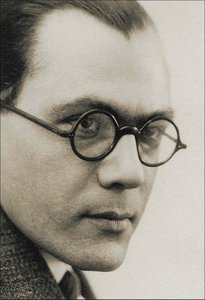
Mikulašas Galanda
1895 - 1938 , Slovakija
Susiję straipsniai

Džono Konsteblio Šedevrai: 25 Išskirtiniai Darbai Jūsų Interjerui | OriginalUniqueArt
Atraskite 25 įspūdingiausius Džono Konsteblio paveikslus! Romantizmo meistro gamtos vaizdai, Dedham Vale peizažai ir meno istorijos šedevrai. Meno reprodukcijos jūsų interjerui – OriginalUniqueArt.com
Evoking Tranquility: A Comprehensive Exploration of Serene Landscapes in Art History
Explore the history of serene landscapes in art! Discover renowned artists like Monet & Munch, movements from Impressionism to Tonalism, and find the perfect piece to bring tranquility to your home. Expert insights at OriginalUniqueArt.

Evocations of Place: A Historical Journey Through Landscape Art
Explore the rich history of landscape art with OriginalUniqueArt. Discover renowned artists, movements like Impressionism & Romanticism, and expert guidance for collecting timeless pieces. Find your perfect serene escape today!
Idyllic Visions: Exploring the Pastoral Tradition in Western Art – Themes, Techniques & Enduring Appeal
Explore the rich history of pastoral art from classical Arcadia to contemporary interpretations. Discover key artists, themes & collecting tips at OriginalUniqueArt.

Idyllic Visions: Exploring the Pastoral Scene in Art History – From Arcadia to Modern Interpretations
Explore the captivating history of pastoral art from classical Arcadia to modern masterpieces. Discover key artists like Millet & Cole at OriginalUniqueArt. Find serene landscape paintings for your home.