

 Siųsti
 Dalintis
 Išsamiau
 Vadovas

 Atsisiųsti
 Panašūs eksponatai
 Diaporama
 Statistika
Untitled (Vanished Words, Newtown, for Shirley and Colless)
 Textile Art
- Textile
- Contemporary Art
 2020
2020- Contemporary
 344.0 x 152.0 cm
 Islamic Museum of Australia
 Rodyti daugiau
Giclée / Meno spausdinimas
Muziejų lygio „giclée“ arba drobos spausdinimas: greita gamyba ir lankstios apdailos parinktys. ( Pirkti rankomis tapytą reprodukciją Perejti prie skaitmeninių vaizdų)




































Pasirinkite iš mūsų nustatytų dydžių, atitinkančių originalaus meno kūrinio proporcijas.

Galite nurodyti savo matmenis, kad vaizdas atitiktų konkretų rėmą ar erdvę. Jei pasirinktas dydis nesutaps su originalaus paveikslėlio proporcijomis, mes arba apkirpsime kūrinį, arba išplėsime vaizdą naudojant veideliu atspindėtą arba vientisą šoną. Skaitmeninis maketas bus išsiųstas jums patvirtinti prieš pradedant gamybą.
Atkreipkite dėmesį, kad ekrane matomas vaizdinys neatspindi tikrojo apkirpimo ar išplėtimo. Tik maketas tiksliai parodytų galutinę kompoziciją.
Nors galima rinktis ir individualius dydžius, rekomenduojame pasirinkti vieną iš išanksti nustatytų matmenų, kad būtų išlaikytos originalios proporcijos.
Pristatymas visame pasaulyje () per 2 weeks, o ne įprastas 4/5 savaičių laikotarpis. (27 rugsėjis)

Nemokamas greitasis pristatymas visame pasaulyje

Aukštos kokybės lininis drobė

Pilnas siuntimo draudimas

Muitinės mokesčių grąžinimo garantija

Tikro spalvų atitikimo garantija

100 dienų grąžinimo politika (tik esant įtaigoms)

100% pinigų grąžinimo garantija

Nuolaida dideliems užsakymams
 Stiklo variantas prieinamas tik pasirinkus dydį iki 110 cm

Untitled (Vanished Words, Newtown, for Shirley and Colless)
Giclée / Meno spausdinimas
Reprodukcijos dydis
-


Visų pasirinktų variantų kaina
$ 80
A Tapestry of Memory and Light
In the evocative work Untitled (Vanished Words, Newtown, for Shirley and Colless), Michael Phillips invites the viewer into a tactile exploration of texture, color, and the ephemeral nature of memory. This monumental textile piece, measuring an impressive 344 x 152 cm, functions as much as a structural presence in a room as it does a window into a contemplative psychological landscape. The artwork presents a rhythmic, grid-like arrangement of woven or stitched fabric, where sunlight seems to be captured within the very fibers of the material. Dominated by a radiant spectrum of yellows—ranging from pale, sun-bleached lemon to deep, honeyed ochre—the piece radiates a warmth that is both comforting and hauntingly nostalgic.
The technique employed by Phillips speaks to his profound background in printmaking and design, blending the precision of a structured grid with the organic fluidity of textile art. The horizontal lines that traverse the width of the fabric create a sense of architectural stability, yet they are softened by the subtle variations in hue and the tactile quality of the weave. This interplay between the rigid geometry of the construction and the soft, bleeding transitions of color suggests a dialogue between order and chaos, or perhaps between the permanence of art and the fleeting nature of the "vanished words" referenced in its title.
Symbolism and the Art of Presence
Beyond its visual splendor, the piece carries a heavy emotional resonance, acting as a memorial to moments and people lost to time. The subtitle, referencing Shirley and Colless, imbues the abstract pattern with a deeply personal layer of meaning, transforming the yellow tones from mere color into symbols of light, life, and the golden glow of remembrance. As the eye wanders across the repetitive patterns, one might feel the sensation of searching through layers of history, looking for traces of meaning in a landscape that is simultaneously vibrant and fading. The contrast between the bright textile and its stark white background emphasizes this isolation, making the artwork appear as if it is floating in a void of pure potential.
For the discerning collector or interior designer, this work offers a sophisticated solution for creating a focal point that commands attention without overwhelming a space. Its large scale allows it to anchor a room, providing a sense of warmth and organic texture that traditional canvas paintings often lack. Whether placed in a minimalist contemporary gallery setting or integrated into a richly layered residential study, the piece serves as a conversation starter—a meditative object that encourages stillness and reflection. It is an exquisite choice for those who appreciate art that bridges the gap between fine art printmaking and the soulful, tactile traditions of textile craft.
Autoriaus biografija
Early Life & Influences
Michael Phillips was born in Kenosha, Wisconsin, on March 11, 1961—a city steeped in maritime history and known for its robust artistic community. Growing up amidst the echoes of shipbuilding traditions instilled in him a fascination with craftsmanship and storytelling, elements that would later permeate his work as both a film critic and novelist. His formative years were marked by exposure to diverse literary voices, shaping his understanding of narrative structure and character development—skills he honed during his undergraduate studies at Humboldt State University where he earned a degree in physics. However, it was his passion for cinema, sparked by early screenings with his father, that truly ignited his creative spirit. The influence of Roger Ebert and Gene Siskel’s groundbreaking television show “At the Movies” proved particularly formative, establishing Phillips's commitment to thoughtful analysis and engaging dialogue about film as an art form.Career as Film Critic
Phillips embarked on a distinguished career as a film critic, beginning his journalistic journey with publications like *The Tribune*, *Los Angeles Times*, *St. Paul Pioneer Press*, *San Diego Union-Tribune*, and *Dallas Times Herald*. He quickly gained recognition for his perceptive observations and ability to distill complex cinematic ideas into accessible prose—a style characterized by clarity, precision, and a willingness to challenge conventional interpretations. His work on “At the Movies” alongside Ebert cemented his reputation as a charismatic commentator who championed intellectual curiosity and fostered spirited debate about film’s role in shaping cultural discourse. Notably, he bravely stepped up during Ebert's illness, demonstrating unwavering dedication to upholding journalistic standards while maintaining Ebert & Roeper's legacy of critical engagement. Following Ebert’s passing, Phillips collaborated with A. O. Scott on “Turner Classic Movies,” bringing a fresh perspective to the revival of classic films and enriching the TCM audience experience. His contributions to film criticism extended beyond television appearances; he penned insightful essays for publications like *Rotten Tomatoes*, solidifying his position as one of America’s foremost voices in cinematic analysis. Phillips's five favorite films—"The Passion of Joan of Arc," "His Girl Friday," "Citizen Kane," “The Band Wagon,” and “Taxi Driver”—reflect his appreciation for ambitious storytelling, masterful performances, and enduring artistic merit.Literary Achievements
Beyond his journalistic endeavors, Phillips established himself as a prolific novelist—primarily focused on Christian fiction. He achieved considerable success with the Stonewycke trilogy and The Russians trilogy, exploring themes of faith, resilience, and personal transformation through compelling narratives. His collaborations with Judith Pella resulted in numerous acclaimed titles that captivated readers across genres. Furthermore, Phillips’s dedication to promoting George MacDonald's literary legacy—documented in volumes like “George MacDonald: Scotland's Beloved Storyteller”—underscored his commitment to fostering intellectual engagement and preserving cultural heritage. He served as the general series editor for MacDonald monographs, ensuring accurate reproductions of MacDonald’s works and furthering scholarly understanding of his imaginative vision. Phillips’s meticulous attention to detail and stylistic finesse—evident in his novels and edited editions—demonstrated a profound respect for artistic craftsmanship and storytelling traditions.Legacy & Recognition
Michael Phillips's influence on film criticism and Christian literature extends beyond his individual accomplishments. He championed intellectual discourse, fostered lively debate about cinema’s cultural significance, and inspired countless aspiring writers to pursue their creative passions. His unwavering commitment to journalistic integrity—particularly during Ebert’s illness—served as an exemplar of ethical reporting and upheld the values of “At the Movies.” Phillips's enduring appreciation for George MacDonald—expressed through scholarly monographs and edited editions—contributed significantly to preserving literary heritage and promoting imaginative storytelling. He was honored with the AAFCA’s Roger Ebert Award in 2017, recognizing his distinguished career as a film critic and novelist—a testament to his profound impact on American culture and intellectual life.
Michael Phillips
1961 - , United States of America
Trumpa informacija apie kūrėją
- Artistic Movement Or Style: Film Criticism
- Artists Who Influenced This Artist:
- Roger Ebert
- George MacDonald
- Date Of Birth: March 11, 1961
- Full Name: Michael Phillips
- Nationality: American
- Notable Artworks:
- Untitled (Vanished Words, Newtown, for Shirley and Colless)
- My Father's World
- Place Of Birth: Kenosha, United States
Susiję straipsniai
Golden Hues: Top 10 Paintings Dominated by Yellow Ochre |
Explore 10 iconic paintings bathed in golden yellow ochre! From Van Gogh's sunflowers to Monet’s haystacks, discover the stories behind these masterpieces. Find museum-quality art reproductions & elevate your home decor on .
Earthy Hues & Masterpieces: Top 10 Paintings with 'Mushroom' Tones |
Explore 10 iconic paintings with captivating 'mushroom' tones! Discover Van Gogh, Monet & Rembrandt’s masterpieces—earthy palettes, rich history & artistic techniques. Find museum-quality art reproductions and curated decor ideas at
Sandstone & Sunlight: 10 Masterpieces of Earth-Toned Art |
Journey through 10 iconic paintings bathed in 'sand' tones – from Van Gogh to Monet. Explore the stories, techniques & warm palettes of these timeless masterpieces. Find museum-quality art reproductions at and bring classic beauty home.
Woven Wonders: A Beginner's Guide to Elevating Your New Home with Timeless Textile Art
Discover how to transform your new home with the warmth of textile art. Our expert guide for newlyweds explores handwoven tapestries, tactile fibers, and timeless ways to curate a soulful, sophisticated interior through beautiful woven wonders.
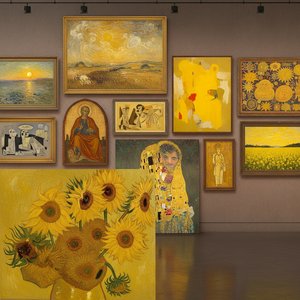
Golden Hues: 10 Masterpieces Dominated by Chrome Yellow | OriginalUniqueArt
Immerse yourself in golden light! Explore 10 famous paintings dominated by 'Chrome Yellow', from Van Gogh’s Sunflowers to Monet's Haystacks. Discover the stories behind these iconic Impressionist & Post-Impressionist masterpieces and find museum-quality art reproductions at OriginalUniqueArt.com.