Surrealism
Sin título (Maksas Ernstas)
Maksas Ernstas (1891–1976) sukūrė Sin título. Šis kūrinys priklauso Surrealism kieruliui. Pagaminta naudojant Engraving.
- Engraving

 Peržiūrėti

 Rankinio darbo aliejinės imitacijos paveikslas
 Pasidalinti
 Dalintis
 Informacinė lLapelė


 Atsisiųsti
 Panašūs eksponatai
 Rentgeno spindulių nuotrauka
 Automatinė diorama
 Klausimai ir atsakymai

 Statistika
Sin título, trumpai
- Pavadinimas
- Sin título
- Autorius
- Maksas Ernstas (1891–1976)
- Autorius gimęs
- Briūlis, Vokietija
- Technika
- Engraving
- Judėjimas
- Surrealism
- Laikotarpis
- High Medieval
- Tema
- serpent symbolism, mona lisa echoes, dreamlike struggle, duality of man, surreal landscape, mythological art
Ką vaizduoja Sin título?
A Descent into the Unconscious: Examining Max Ernst’s “Sin título”
Max Ernst's "Sin título" (Untitled) isn’t merely a black and white etching; it’s an invitation to a psychological landscape, a confrontation with primal fears rendered in stark, unsettling detail. The artwork immediately commands attention through its dynamic composition – a wrestling match between a man and a colossal serpent dominates the frame, interwoven with a ghostly cameo of Mona Lisa that subtly complicates the narrative. Ernst, a pivotal figure in both Dada and Surrealism, masterfully employs a technique reminiscent of engraving or etching, creating an extraordinary contrast between light and shadow, sharp lines, and a flattened perspective that contributes to the work’s dreamlike quality. This isn't simply a depiction of physical struggle; it’s a visual representation of internal conflict, a battle waged within the depths of the human psyche.
The choice of materials – likely etched onto a metal plate and subsequently printed – speaks volumes about Ernst’s artistic process. The rigid linearity of the linework, while creating a graphic appearance, also suggests an underlying tension, mirroring the struggle depicted on the surface. The deliberate lack of shading or realistic depth further enhances this sense of unease, pushing the scene into the realm of symbolism and allegory. It's crucial to note that Ernst was deeply interested in exploring the subconscious, and “Sin título” is a prime example of his ability to translate complex psychological themes into visual form.
The Symbolism of Serpent and Woman: Echoes of Mythology and Art History
The serpent itself is a potent symbol throughout history – representing temptation, chaos, knowledge, and the cyclical nature of life. Here, it’s not merely a beast but an embodiment of primal urges, a force resisting control. The man wrestling with it embodies humanity's struggle against these darker aspects of its own being. Interestingly, positioned within this chaotic scene is a subtle yet significant detail: the inclusion of Mona Lisa. This iconic portrait, instantly recognizable and imbued with an aura of serene beauty, acts as a counterpoint to the turmoil unfolding before us. Some art historians interpret this juxtaposition as representing the eternal conflict between reason and emotion, or perhaps the allure of the unattainable – a reminder that even in moments of intense struggle, there exists a lingering sense of beauty and detachment.
The tower-like structure in the background adds another layer to the symbolism. Towers often represent ambition, power, and reaching for the heavens—but here, it feels somewhat ominous, perhaps suggesting an unattainable goal or a precarious position within this internal struggle. The overall composition suggests a descent into the unconscious, a confrontation with fundamental human dilemmas.
Ernst’s Methodologies: Frottage and the Surrealist Approach
Understanding Max Ernst's artistic methods is key to appreciating “Sin título.” He was a pioneer of techniques like *frottage* – rubbing a pencil over textured surfaces to create unexpected images – and *grattage*, scraping paint across canvas to reveal hidden patterns. These processes were designed to bypass conscious control, tapping into the subconscious mind and generating surprising visual results. This approach is clearly evident in “Sin título,” where the deliberate use of line work and the seemingly random arrangement of elements contribute to a sense of controlled chaos. Ernst wasn’t simply painting what he *saw*; he was actively seeking to access and translate the hidden realities of his inner world.
The artwork's stark black and white palette further emphasizes this exploration of the subconscious. It strips away any distractions, forcing the viewer to confront the raw emotion and psychological intensity of the scene. It’s a testament to Ernst’s skill that he can create such a powerful and unsettling image using such a limited range of tones.
A Reproduction for the Collector: Bringing “Sin título” into Your Space
OriginalUniqueArt offers meticulously hand-painted reproductions of Max Ernst's "Sin título," capturing the essence of this iconic work with unparalleled detail and fidelity. Our artists replicate Ernst’s distinctive linework, creating a stunning visual experience that faithfully reproduces the artwork’s unsettling atmosphere and symbolic depth. Whether you are an art collector seeking to expand your Surrealist collection or simply looking for a unique piece of art to enhance your interior design, our reproduction provides a beautiful and authentic representation of this seminal work. The high-quality materials used ensure that the reproduction will last for generations, preserving the power and mystery of Ernst’s vision. Explore our options today and bring this captivating image into your world.
Sin título dididraudžios kokybės vaizdai

Apsaugotas autoriškomis teisėmis: šie failai skirti asmeniniam peržiūrėjimui, o ne perraštiniam naudojimui.
Maksas Ernstas, Sin título.
Maksas Ernstas (1891–1976), Sin título, engraving. Vaizdas: OriginalUniqueArt.com.
Atsakimai į klausimus apie Sin título
Kokia technika sukurta „Sin título“ – Maksas Ernstas?
„Sin título“ technika – Engraving.
Kas yra „Sin título“?
„Sin título“ – Maksas Ernstas temos apima serpent symbolism, mona lisa echoes, dreamlike struggle, duality of man, surreal landscape, mythological art, black and white drama. Kartu jie apibendrina šio kūrinio tematiką.
Ar „Sin título“ yra viešosios teisės kūrinys?
Autorių teisių statusas kūriniui „Sin título“ – Maksas Ernstas: kūrinys priklauso vis dar saugoma autorineje teisėje. Tai nulemia, ar galima laisvai reprodukciuoti šį vaizdą.
Kas yra „Sin título“ kūrybos autorius?
Kūrinį „Sin título“ sukūrė Maksas Ernstas. Darbas katalogizuojamas Maksas Ernstas vardu.
Kokiam meno stiliui priklauso „Sin título“ – Maksas Ernstas?
„Sin título“ – Maksas Ernstas priklauso Surrealism stiliui. Ši dailės kryptis suteikia kūriniui stilistinį kontekstą.
Kokio Maksas Ernstas kūrybos laikotarpio priklauso „Sin título“?
„Sin título“ priklauso Maksas Ernstas kūrybos karjeros Mature Period etapui. Ši klasifikacija atspindi kūrinio ryšį su menininko evoliucija.
Ar Maksas Ernstas kūrinys „Sin título“ yra viešosios nuoslegos ir kodėl?
„Sin título“, kurį sukūrė Maksas Ernstas, yra vis dar saugoma autorineje teisėje. Autorinės teisės apsaugos terminai skaičiuojami nuo autoriaus mirties, o Maksas Ernstas mirė 1976 m.
Kokią vietą Maksas Ernstas kūrybos ešėlyje užima „Sin título“?
Maksas Ernstas kūryboje „Sin título“ atlieka Surrealism stilių, susijęs su dada & surrealist echoes, mythic confrontation, psychological tension, humanity's dark side, symbolic allusion, ernst's dreamscapes", exploring the unconscious", recurring serpent motif temomis.
Kaip „Sin título“ tema susiję su įprastomis Maksas Ernstas tematikos temos?
„Sin título“ vaizduoja serpent symbolism, mona lisa echoes, dreamlike struggle, duality of man, surreal landscape, mythological art, black and white drama, o įrašytos Maksas Ernstas temos yra dada & surrealist echoes, mythic confrontation, psychological tension, humanity's dark side, symbolic allusion, ernst's dreamscapes", exploring the unconscious", recurring serpent motif. Šių dviejų lyginimas parodo, kaip šis kūrinys susijęs su įprastais šio kūrybinio veiksmo objektais.
Apie menininką Maksas Ernstas
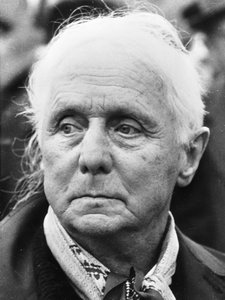
1891–1976, Vokietija
Maksas Ernstas
Maksas Ernstas: Sapnų ir Inovacijų Virtuvė Maksas Ernstas, gimęs 1891 m. balandžio 2 d. Briūlyje, Vokietijoje, buvo neeilinis menininkas – tarsi sapnių architektas, kurio kūriniai vis dar kviečia pasitelkti į keistą ir nuostabią pasaulį. Jo kelionė nebuvo tiesiog tapybos mokyklų sekimas; tai buvo savarankiškas tyrimas, skatintas filosofiniais užmojais, psichologiniu susidomėjimu ir giliu nusivylimu visuomenės normomis.
Taip pat Maksas Ernstas darbai
 Célèbes arba Elėfantas Célèbes1921
 Elefantas Celebes1921
 Europa po lietuje II1942
 Apie Tai Vyrai Nieko Nemanys1923
Esdai apie Sin título
 Interjero Dizainerių Patirtis: Individualizuotų Meno Kūrinių Paslaugos ir Aukštos Kokybės Partnerystės SprendimaiOriginalUniqueArt.com – aukštos kokybės individualizuoti meno kūriniai viešbučio interjerui. Patikimi partneriai, rankų darbo tapyba, Photo…
 Unlocking the Unconscious: The Top 25 Masterpieces by Max ErnstBorn in Brühl, Germany, Max Ernst used frottage and collage to navigate the subconscious, bridging the wreckage of WWI and Surrealism.
 25 Essential Works by Arnold Böcklin: A Journey Through Myth and SymbolismGustav Mahler was so haunted by a single painting that it shaped his Fourth Symphony. What drove Böcklin to revisit his most famous motif?