

 Peržiūrėti realaus dydžio版
 Siųsti
 Dalintis
 Išsamiau
 Vadovas

 Atsisiųsti
 Panašūs eksponatai
 Rentgeno spindulių nuotrauka
 Diaporama
 Statistika
La plus belle


 Rodyti daugiau
Šiame puslapyje rodomas meno kūrinys yra saugomas autorių teisių įstatymais, todėl neturime teisės legaliai kurti ar parduoti jo identiškos reprodukcijos. Ši apsauga užtikrinama remiantis tokiais tarptautiniais susitarimais kaip Bernės konvencija ir pagal nacionalines įstatymų nuostatas, įskaitant tas, kurias nurodo JAV autoriškos teisės įstatymas – 17-asis skyrius.
Šis metodas visiškai atitinka autorių teises, nes jame nėra kūrinio kopijavimo ar dubliavimo. Tai yra kūrybinė reinterpretacija – naujas paveikslas, kurį įkvėpė originalas, tačiau kuris nėra jo identiškas.
Giclée / Meno spausdinimas
Muziejų lygio „giclée“ arba drobos spausdinimas: greita gamyba ir lankstios apdailos parinktys. ( Pirkti rankomis tapytą reprodukciją Perejti prie skaitmeninių vaizdų)




P118B €10

P118H €10

P118W €10

P438Z €10

P508JH €12

P508YH €12

P805H €10

P805Z €10

P919BZ €10

P919G €10

P919XJ €10

P959ZH €10

P968JZ €12

W106C €8

W218G €10

W218JH €8

W218Y €10

W307PJ €10

W316G €10

W316PJ €8

W316Y €10

W398PJ €8

W4111J €10

W500HY €15

W500JH €15

W692G €12

W849H €8

W940BG €15

W953PJ €8




Pasirinkite iš mūsų nustatytų dydžių, atitinkančių originalaus meno kūrinio proporcijas.

Įveskite jums reikiamą plotį ir aukštį, kad atvaizdas derėtų prie jūsų rėmo ar sienos. Spausdiną galima tik sumažinti, bet nepadidinti virš originalaus paveikslėlio dydžio, todėl keičiant proporcijas, dalis vaizdo prarandama. Prieš spausdinimą atsiųsime jums skaitmeninį maketą patvirtinimui. Šioje puslapio nuotraukoje matomas pjūvis nėra tikslus – jį rodo tik maketas.
Pristatymas visame pasaulyje () per 2 weeks, o ne įprastas 4/5 savaičių laikotarpis. (23 spalis)

Nemokamas greitasis pristatymas visame pasaulyje

Aukštos kokybės lininis drobė

Pilnas siuntimo draudimas

Muitinės mokesčių grąžinimo garantija

Tikro spalvų atitikimo garantija

100 dienų grąžinimo politika (tik esant įtaigoms)

100% pinigų grąžinimo garantija

Nuolaida dideliems užsakymams
 Stiklo variantas prieinamas tik pasirinkus dydį iki 110 cm

La plus belle
Giclée / Meno spausdinimas
Reprodukcijos dydis
-


Visų pasirinktų variantų kaina
€ 70
The Enigmatic Beauty of “La Plus Belle”
Max Ernst’s “La plus belle,” a bronze sculpture created in 1967 during the twilight years of his career, isn't merely a depiction of a figure; it’s an invitation into a dreamscape – a carefully constructed world brimming with surrealist symbolism and a profound sense of melancholy. The piece, housed within Paul Kasmin Gallery in New York, immediately commands attention not through overt grandeur, but through a quiet intensity, a feeling that something significant is just beyond reach. It's a testament to Ernst’s masterful ability to distill complex emotions and philosophical inquiries into tangible form.
The sculpture itself presents a strikingly elongated female figure, almost skeletal in its grace, standing upon a rough-textured base reminiscent of weathered stone or volcanic rock. Her posture is subtly defiant yet undeniably vulnerable; one arm raised as if offering a gesture of greeting or perhaps a silent plea. The details are remarkably refined for a work created later in his life – the delicate curve of her spine, the suggestion of eyelashes, and the subtle shading that defines her form all speak to Ernst’s enduring artistic skill. The bronze itself possesses a rich patina, deepened by time and handling, adding layers of texture and visual interest.
A Surrealist Tapestry: Symbolism and Technique
Ernst's approach to sculpture during this period leaned heavily into the techniques he had pioneered in painting – frottage and grattage. These methods involved rubbing textured surfaces onto paper or canvas, creating layered patterns that evoked subconscious imagery. “La plus belle” embodies this spirit; the rough base isn’t simply a supporting element but an active participant in the composition, grounding the ethereal figure and hinting at hidden depths. The elongated proportions of the female form are a deliberate departure from realistic representation, aligning with the surrealist fascination with distorted forms and dreamlike scenarios. The bird-like quality of her features – particularly the suggestion of wings – is a recurring motif in Ernst’s work, often representing freedom, aspiration, or even a yearning for escape.
Furthermore, the sculpture's creation coincided with a period of intense personal reflection for Ernst. His tumultuous marriage to Peggy Guggenheim and his subsequent separation fueled a deep sense of disillusionment and introspection. This emotional landscape undoubtedly informed the work’s somber tone and its exploration of themes like beauty, loss, and the fragility of human existence. The title itself – “La plus belle” (The most beautiful) – carries a poignant irony, suggesting that true beauty may reside not in outward appearance but in resilience and acceptance.
Historical Context and Ernst’s Legacy
Max Ernst was a pivotal figure in the Dada and Surrealist movements of the early 20th century. Initially associated with the radical anti-art stance of Dada, he later embraced the more psychologically driven approach of Surrealism, championed by André Breton. His work challenged conventional notions of art and representation, pushing boundaries through experimentation with materials, techniques, and subject matter. “La plus belle” can be understood as a culmination of these influences – a sophisticated synthesis of Dada’s iconoclastic spirit and Surrealism's exploration of the unconscious.
Following World War II, Ernst continued to produce innovative works, often revisiting themes from his earlier career. “La plus belle,” created in 1967, represents a period of relative stability and artistic maturity for the artist. It’s a poignant reminder of his enduring creative vitality and his ability to translate complex emotions into visually arresting forms. The sculpture's placement within Paul Kasmin Gallery, a respected contemporary art space, underscores its continued relevance and significance in the art world.
A Timeless Resonance: Emotional Impact and Artistic Value
“La plus belle” possesses an undeniable emotional resonance that transcends mere aesthetic appreciation. It evokes a sense of quiet contemplation, inviting viewers to consider themes of beauty, loss, and the human condition. The sculpture’s subtle gestures and ambiguous symbolism encourage multiple interpretations, ensuring that it remains a source of fascination for generations to come. Its enduring appeal lies not only in Ernst's technical mastery but also in his profound ability to tap into universal emotions and experiences.
As a reproduction, “La plus belle” offers an opportunity to bring this evocative artwork into any interior space. The rich bronze patina and intricate details of the sculpture will add a touch of sophistication and intrigue, while its symbolic depth invites ongoing contemplation. It’s more than just a decorative object; it's a window into the mind of one of the 20th century’s most influential artists.
问答 (or more naturally for a website heading): Klausimai ir atsakymai
Kokias spalvas naudoja „La plus belle“?
„La plus belle“ spalvos sudaro Neutrals paletę. Ši klasifikacija aprašo dominuojančias spalvų grupes.
Kas sukūrė „La plus belle“?
„La plus belle“ kūrybinį darbą sukūrė Maksas Ernstas. Šioje puslapio informacijoje aprašomas Maksas Ernstas originalus kūrinys.
Kokią vietą Maksas Ernstas kūrybos ešėlyje užima „La plus belle“?
„La plus belle“ priklauso Maksas Ernstas Surrealism kūrybai, kurios įrašytoms temoms priskiriamas dadaism, surrealism, psychological themes, european war, disillusionment, trauma, symbolic figures, dreamlike imagery.
Autoriaus biografija
Maksas Ernstas: Sapnų ir Inovacijų Virtuvė
Maksas Ernstas, gimęs 1891 m. balandžio 2 d. Briūlyje, Vokietijoje, buvo neeilinis menininkas – tarsi sapnių architektas, kurio kūriniai vis dar kviečia pasitelkti į keistą ir nuostabią pasaulį. Jo kelionė nebuvo tiesiog tapybos mokyklų sekimas; tai buvo savarankiškas tyrimas, skatintas filosofiniais užmojais, psichologiniu susidomėjimu ir giliu nusivylimu visuomenės normomis. Tėvas, kurčnebylių mokytojas ir mėgstantis tapytojas, įskiepijo Maxui jautrumą pasauliui bei maištingą požiūrį į priimtą tvarką – dualizmas, kuris vėliau tapo jo meno esme.
Studijos Bonos universitete, apimantys filosofiją, istoriją, literatūrą, psichologiją ir psichiatriją, nebuvo tik atitraukimas nuo dailės; tai buvo fundamentiniai elementai, giliai paveikę jo kūrybą. Ernstas nesistengė tiesiog išmokti *kaip* tapyti; jis ieškojo *kodėl*. Šis intelektualus smalsumas nuvedė jį į Pablos Pikaso, Vincento van Gogo ir Polio Gauguino darbų susitikimą Sonderbund parodoje Kologne 1912 m. – momentas, kuris amžinai pakeitė jo meninę kryptį. Modernizmo sėklos buvo pasėti.
Dadaistinis Sukilimas ir Siurrealistinių Vizijų Gimimas
Pirmasis pasaulinis karas tapo lūžečiu Ernsto gyvenime. Patirtys kare, tiek Rytų, tiek Vakarų fronte, paliko jį giliai sukrėstą, skatindamos skepticizmą dėl įprastos tvarkos ir norą naujų išraiškos formų. Šis nusivylimas rado deramą dirvą kylant Dadaistų judėjui, kuriam Ernstas prisijungė visapusiškai. Kartu su Hansu Arpu jis tapo pagrindiniu Kelno Dadaistų grupės veikėju, atsisakydamas tradicinių meno konvencijų ir priimdami absurdiškumą, atsitiktinumą bei neacionalumą.
Tačiau Dada buvo tik tarpinis etapas. 1920-ųjų pradžioje Ernstas persikėlė į Paryžių ir prisijungė prie siurrealistų, vadovaujamų André Bretono. Tai pažymėjo perėjimo link sapnų pasaulio, nesąmonės ir neacionalumo tyrimo momentą. Įtakingi Sigmund Freudo psichianalitiniai teorijos paskatino Ernstą atskleisti žmogaus patirties paslėptas gylias erdves savo meno pagalba. Jis nenorėjo vaizduoti tikrovės taip, kaip ji atrodo, bet veikiau norėjo atskleisti pogrindines psichologines jėgas, kurios ją formuoja.
Inovatyvios Technikos: Frotažas, Gratažas ir Koliažas
Ernsto meninė inovacija neapsiribojo tik tema; jis buvo nepailstantis eksperimentuotojas su technika. Jis nesielgė tiesiog taikydamas esamus metodus – jis sukūrė naujus. Galbūt jo žinomiausias indėlis yra frotažas – proceso, kuriame pieštuku arba kreida braukiamas per tekstūruotus paviršius, kad susidarytų netikėti ir paveikūs vaizdai. Ši technika, gimusi iš nuobodulio momento stebint medžio faktūrą, leido Ernstui pasiekti nesąmonę ir sukurti formas, kurios priešinosi sąmoningam valdymui. Artimai susijęs buvo gratažas, kai dažai trinami per drobę, atskleidžiantis apatinius sluoksnius.
Jis taip pat meistriškai naudojo koliažus – surinkdavo skirtingus elementus – paveikslėlius iš žurnalų, mokslinių iliustracijų, fotografijas – į surrealistines kompozicijas, kurios skambindavo tradicinėms reprezentacijos koncepcijoms. Šios technikos nebuvo tik stilistinis pasirinkimas; jos buvo integralios jo nesąmonės tyrimui ir norui sutrikdyti tradicinius meninius ribus. Jo paveikslai dažnai pasižymi besikartojančiu simboliniu vaizdinimu: paukščiai (ypač jo alter ego Loplop), nykūs kraštovaizdyčiai, neramus tarpusavyje derinimas ir visapusiškas paslapties pojūtis.
Palikimas – Inovacijų ir Įtakos Testamentas
Antrojo pasaulinio karo protrūkis privertė Ernstą palikti Europą, radęs prieglaudą Jungtinėse Amerikos Valstijose. Jis toliau tapė ir eksperimentavo su naujomis technikomis tremtyje, galiausiai grįždamas į Prancūziją po karo, kur ir liko aktyvus iki savo mirties 1976 m. balandžio 1 d. Paryžiuje. Jo įtaka paskesnėms menininkų kartoms yra neapsakoma.
Maksas Ernstas įnešė reikšmingą indėlį į Dadaizmą ir Siurrealizmą. Jis išbandė meno normas, pasinėrė į nesąmonės gelmes ir sukūrė inovatyvias technikas, kurios iki šiol įkvepia menininkus. Jis nebuvo tik dailininkas; jis buvo tyrinėtojas, provokatorius ir vizionierius, kuris išplėtė meno ribas. Jo kūriniai tebėra galia vaizduotės, neacionalumo patrauklumo ir nuolatinio žmogaus psichikos sudėtingumų supratimo siekio liudijimas.
- Pagrindiniai darbai: The Entire City, Euclides, Of This Men Shall Know Nothing, Forest and Dove
- Įtaka: Pablas Pikaso, Vincentas van Gogas, Polius Gauginas, Sigmundas Freudas, Giorgas de Čirikas
- Judėjimai: Dadaizmas, Siurrealizmas
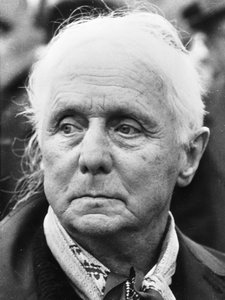
Maksas Ernstas
1891 - 1976 , Vokietija
Trumpa informacija apie kūrėją
- Gimimo Data: 1891 m. balandžio 2 d.
- Gimimo Vieta: Briūlis, Vokietija
- Meninis Stilius: Dadaizmas ir siurrealizmas
- Mirimo Data: 1976 m. balandžio 1 d.
- Paveikę Menininkai:
- Pablo Picasso
- Vincent van Gogh
- Paul Gauguin
- Giorgio de Chirico
- Pilnas Vardas: Maksas Ernstas
- Tautybė: Vokiečių-amerikiečių, Prancūzų
- Įtakoję Menininkus:
- Surrealizmas
- Dada
- Žymūs Kūriniai:
- Visas miestas
- Euclides
- Nieko nežinos apie tai
Susiję straipsniai
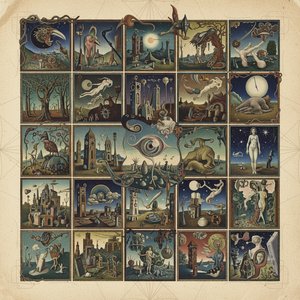
Max Ernst: 25 Šedevrai, Įkvėpę Surrealizmą | Tapyba, Dekorai ir Menas OriginalUniqueArt.com
Atraskite 25 įspūdingiausius Max Ernst kūrinius – nuo dadaizmo iki surrealizmo. Tapybos meistriškumas, psichologinis realizmas ir unikalios technikos. Įkvėpkite interjerui su OriginalUniqueArt.com reprodukcijomis! Explore the full collection online.
The Enduring Legacy of Bronze: A Historical & Artistic Exploration for the Collector
Explore the rich history & enduring appeal of bronze sculpture with expert insights for collectors at OriginalUniqueArt. Learn about casting techniques, iconic artists, collecting tips & contemporary interpretations.

Bronze Sculptures That Defined Art History | OriginalUniqueArt
Journey through art history with our Top 10 bronze sculptures! Explore masterpieces by Rodin, Michelangelo & more. Discover stories behind iconic statues and find museum-quality reproductions for your home decor at OriginalUniqueArt.com.

Bronze Age to Modern Masters: 10 Sculptures That Redefined Art | OriginalUniqueArt
Journey through art history with 10 legendary bronze sculptures – from Michelangelo's David to Rodin’s Thinker. Explore the stories, techniques & timeless beauty of these masterpieces. Find museum-quality reproductions & elevate your home decor on OriginalUniqueArt.com.
The Enduring Legacy of Bronze Sculpture: A Collector's Guide to Form & Cultural Significance
Explore the rich history & enduring appeal of bronze sculpture with expert insights for collectors at OriginalUniqueArt. Learn about casting techniques, iconic artists, and collecting tips to build a discerning art collection.


