

 Peržiūrėti realybėje
 Pasidalinti
 Dalintis
 Išsamiau

 Atsisiųsti
 Panašūs eksponatai
 Rentgeno nuotrauka
 Automatinė diorama
At the first clear word


 Skaityti daugiau
Giclée / Meno spausdinimas
Muziejų lygio „giclée“ arba drobos spausdinimas: greita gamyba ir lankstios apdailos parinktys. ( Pirkti rankomis tapytą paveikslą Pirkti vaizdą)




P118B $10

P118H $10

P118W $10

P438Z $10

P508JH $12

P508YH $12

P805H $10

P805Z $10

P919BZ $10

P919G $10

P919XJ $10

P959ZH $10

P968JZ $12

W106C $8

W218G $10

W218JH $8

W218Y $10

W307PJ $10

W316G $10

W316PJ $8

W316Y $10

W398PJ $8

W4111J $10

W500HY $15

W500JH $15

W692G $12

W849H $8

W940BG $15

W953PJ $8




Pasirinkite iš mūsų nustatytų dydžių, atitinkančių originalaus meno kūrinio proporcijas.

Galite nurodyti savo matmenis, kad vaizdas atitiktų konkretų rėmą ar erdvę. Jei pasirinktas dydis nesutaps su originalaus paveikslėlio proporcijomis, mes arba apkirpsime kūrinį, arba išplėsime vaizdą naudojant veideliu atspindėtą arba vientisą šoną. Skaitmeninis maketas bus išsiųstas jums patvirtinti prieš pradedant gamybą.
Atkreipkite dėmesį, kad ekrane matomas vaizdinys neatspindi tikrojo apkirpimo ar išplėtimo. Tik maketas tiksliai parodytų galutinę kompoziciją.
Nors galima rinktis ir individualius dydžius, rekomenduojame pasirinkti vieną iš išanksti nustatytų matmenų, kad būtų išlaikytos originalios proporcijos.
Pristatymas visame pasaulyje () per 2 weeks, o ne įprastas 4/5 savaičių laikotarpis. (4 rugsėjis)

Nemokamas greitasis pristatymas visame pasaulyje

Aukštos kokybės lininis drobė

Pilnas siuntimo draudimas

Muitinės mokesčių grąžinimo garantija

Tikro spalvų atitikimo garantija

60 dienų grąžinimo politika (tik esant gamyklinėms defektams)

100% pinigų grąžinimo garantija

Nuolaida už kelias reprodukcijas
 Stiklo variantas prieinamas tik pasirinkus dydį iki 110 cm

At the first clear word
Giclée / Meno spausdinimas
Reprodukcijos matmenys
-


Galutinė kaina
$ 80
At the First Clear Word
“At the First Clear Word” by Max Ernst stands as a cornerstone of Surrealist art, born in 1923 and residing within the Kunstsammlung Nordrhein-Westfalen in Düsseldorf. This oil on canvas piece encapsulates Ernst’s masterful ability to fuse reality with fantasy—a characteristic that immediately draws the viewer into an atmosphere brimming with intrigue and imaginative vision. As a pivotal figure in the Surrealist movement, Ernst employed groundbreaking techniques like Grattage, meticulously scraping away layers of paint to reveal underlying textures and surfaces, creating images that defy conventional representation.
Composition and Symbolism
- The painting depicts a solitary figure holding a red apple, reaching out from behind a wall adorned with a window. Two apples are strategically positioned within the scene—one grasped by the figure and another resting nearby—underscoring their significance as emblems of knowledge or temptation.
- A potted plant occupies the upper left corner, serving as a visual anchor and hinting at themes of growth and vitality. Conversely, a vase is situated in the background, adding depth to the landscape and subtly suggesting notions of domesticity and contemplation.
- The overall composition deliberately crafts a dreamlike panorama—a hallmark of Surrealism—challenging viewers’ perceptions and prompting profound interpretations.
Artistic Style and Technique
- Ernst's artistic style is defined by his fearless experimentation with diverse methods, notably Grattage. This technique involves aggressively scraping away paint layers to expose the raw canvas beneath, resulting in striking textural contrasts and captivating visual effects.
- The resultant blend of abstract and representational elements—evident throughout “At the First Clear Word”—demonstrates Ernst’s commitment to pushing artistic boundaries and exploring uncharted territories.
- Furthermore, the painting's meticulous rendering captures a palpable stillness, mirroring the contemplative mood often associated with Surrealist art.
Historical Context
Created during the turbulent years of World War I, “At the First Clear Word” reflects Ernst’s disillusionment with societal norms and his profound engagement with philosophical ideas. The painting aligns seamlessly with the broader Surrealist movement—a reaction against rationalism and logic—which sought to liberate the subconscious mind from repressive constraints.
Related Works
Ernst's artistic vision extends beyond “At the First Clear Word,” as evidenced by masterpieces such as “The Wavering Woman” and “Ubu Imperator.” These works share a common thread of symbolic exploration—a preoccupation with archetypal imagery and psychological narratives—further cementing Ernst’s legacy as one of Surrealism’s most influential voices.
Availability
For those desiring to immerse themselves in the captivating aesthetic of Surrealist art, OriginalUniqueArt.com offers exquisitely crafted oil painting reproductions of “At the First Clear Word” and other seminal works by Max Ernst. Experience the transformative power of owning a piece of artistic history—a testament to Ernst’s enduring genius.
Autoriaus biografija
Maksas Ernstas: Sapnų ir Inovacijų Virtuvė
Maksas Ernstas, gimęs 1891 m. balandžio 2 d. Briūlyje, Vokietijoje, buvo neeilinis menininkas – tarsi sapnių architektas, kurio kūriniai vis dar kviečia pasitelkti į keistą ir nuostabią pasaulį. Jo kelionė nebuvo tiesiog tapybos mokyklų sekimas; tai buvo savarankiškas tyrimas, skatintas filosofiniais užmojais, psichologiniu susidomėjimu ir giliu nusivylimu visuomenės normomis. Tėvas, kurčnebylių mokytojas ir mėgstantis tapytojas, įskiepijo Maxui jautrumą pasauliui bei maištingą požiūrį į priimtą tvarką – dualizmas, kuris vėliau tapo jo meno esme.
Studijos Bonos universitete, apimantys filosofiją, istoriją, literatūrą, psichologiją ir psichiatriją, nebuvo tik atitraukimas nuo dailės; tai buvo fundamentiniai elementai, giliai paveikę jo kūrybą. Ernstas nesistengė tiesiog išmokti *kaip* tapyti; jis ieškojo *kodėl*. Šis intelektualus smalsumas nuvedė jį į Pablos Pikaso, Vincento van Gogo ir Polio Gauguino darbų susitikimą Sonderbund parodoje Kologne 1912 m. – momentas, kuris amžinai pakeitė jo meninę kryptį. Modernizmo sėklos buvo pasėti.
Dadaistinis Sukilimas ir Siurrealistinių Vizijų Gimimas
Pirmasis pasaulinis karas tapo lūžečiu Ernsto gyvenime. Patirtys kare, tiek Rytų, tiek Vakarų fronte, paliko jį giliai sukrėstą, skatindamos skepticizmą dėl įprastos tvarkos ir norą naujų išraiškos formų. Šis nusivylimas rado deramą dirvą kylant Dadaistų judėjui, kuriam Ernstas prisijungė visapusiškai. Kartu su Hansu Arpu jis tapo pagrindiniu Kelno Dadaistų grupės veikėju, atsisakydamas tradicinių meno konvencijų ir priimdami absurdiškumą, atsitiktinumą bei neacionalumą.
Tačiau Dada buvo tik tarpinis etapas. 1920-ųjų pradžioje Ernstas persikėlė į Paryžių ir prisijungė prie siurrealistų, vadovaujamų André Bretono. Tai pažymėjo perėjimo link sapnų pasaulio, nesąmonės ir neacionalumo tyrimo momentą. Įtakingi Sigmund Freudo psichianalitiniai teorijos paskatino Ernstą atskleisti žmogaus patirties paslėptas gylias erdves savo meno pagalba. Jis nenorėjo vaizduoti tikrovės taip, kaip ji atrodo, bet veikiau norėjo atskleisti pogrindines psichologines jėgas, kurios ją formuoja.
Inovatyvios Technikos: Frotažas, Gratažas ir Koliažas
Ernsto meninė inovacija neapsiribojo tik tema; jis buvo nepailstantis eksperimentuotojas su technika. Jis nesielgė tiesiog taikydamas esamus metodus – jis sukūrė naujus. Galbūt jo žinomiausias indėlis yra frotažas – proceso, kuriame pieštuku arba kreida braukiamas per tekstūruotus paviršius, kad susidarytų netikėti ir paveikūs vaizdai. Ši technika, gimusi iš nuobodulio momento stebint medžio faktūrą, leido Ernstui pasiekti nesąmonę ir sukurti formas, kurios priešinosi sąmoningam valdymui. Artimai susijęs buvo gratažas, kai dažai trinami per drobę, atskleidžiantis apatinius sluoksnius.
Jis taip pat meistriškai naudojo koliažus – surinkdavo skirtingus elementus – paveikslėlius iš žurnalų, mokslinių iliustracijų, fotografijas – į surrealistines kompozicijas, kurios skambindavo tradicinėms reprezentacijos koncepcijoms. Šios technikos nebuvo tik stilistinis pasirinkimas; jos buvo integralios jo nesąmonės tyrimui ir norui sutrikdyti tradicinius meninius ribus. Jo paveikslai dažnai pasižymi besikartojančiu simboliniu vaizdinimu: paukščiai (ypač jo alter ego Loplop), nykūs kraštovaizdyčiai, neramus tarpusavyje derinimas ir visapusiškas paslapties pojūtis.
Palikimas – Inovacijų ir Įtakos Testamentas
Antrojo pasaulinio karo protrūkis privertė Ernstą palikti Europą, radęs prieglaudą Jungtinėse Amerikos Valstijose. Jis toliau tapė ir eksperimentavo su naujomis technikomis tremtyje, galiausiai grįždamas į Prancūziją po karo, kur ir liko aktyvus iki savo mirties 1976 m. balandžio 1 d. Paryžiuje. Jo įtaka paskesnėms menininkų kartoms yra neapsakoma.
Maksas Ernstas įnešė reikšmingą indėlį į Dadaizmą ir Siurrealizmą. Jis išbandė meno normas, pasinėrė į nesąmonės gelmes ir sukūrė inovatyvias technikas, kurios iki šiol įkvepia menininkus. Jis nebuvo tik dailininkas; jis buvo tyrinėtojas, provokatorius ir vizionierius, kuris išplėtė meno ribas. Jo kūriniai tebėra galia vaizduotės, neacionalumo patrauklumo ir nuolatinio žmogaus psichikos sudėtingumų supratimo siekio liudijimas.
- Pagrindiniai darbai: The Entire City, Euclides, Of This Men Shall Know Nothing, Forest and Dove
- Įtaka: Pablas Pikaso, Vincentas van Gogas, Polius Gauginas, Sigmundas Freudas, Giorgas de Čirikas
- Judėjimai: Dadaizmas, Siurrealizmas
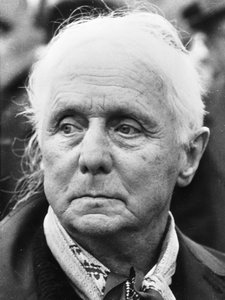
Maksas Ernstas
1891 - 1976 , Vokietija
Trumpa informacija
- Gimimo Data: 1891 m. balandžio 2 d.
- Gimimo Vieta: Briūlis, Vokietija
- Meninis Stilius: Dadaizmas ir siurrealizmas
- Mirimo Data: 1976 m. balandžio 1 d.
- Paveikę Menininkai:
- Pablo Picasso
- Vincent van Gogh
- Paul Gauguin
- Giorgio de Chirico
- Pilnas Vardas: Maksas Ernstas
- Tautybė: Vokiečių-amerikiečių, Prancūzų
- Įtakoję Menininkus:
- Surrealizmas
- Dada
- Žymūs Kūriniai:
- Visas miestas
- Euclides
- Nieko nežinos apie tai
Susiję straipsniai

Max Ernst: 25 Šedevrai, Įkvėpę Surrealizmą | Tapyba, Dekorai ir Menas OriginalUniqueArt.com
Atraskite 25 įspūdingiausius Max Ernst kūrinius – nuo dadaizmo iki surrealizmo. Tapybos meistriškumas, psichologinis realizmas ir unikalios technikos. Įkvėpkite interjerui su OriginalUniqueArt.com reprodukcijomis! Explore the full collection online.

The Enduring Legacy of Oil on Canvas: Technique, History & Aesthetic Impact
Explore the rich history & techniques of oil painting – from Renaissance masters to Impressionism. Discover pigments, layering methods, and why this timeless medium endures. Expert insights for artists & art enthusiasts.

Oil on Canvas: A Historical & Technical Exploration of a Timeless Artistic Medium
Explore the rich history & enduring techniques of oil painting on canvas. Discover the science behind its longevity, conservation practices, and contemporary relevance. Expert insights for art enthusiasts.

Aliejinės tapybos paveldas drobėje: technika, istorija ir šiuolaikinės praktikos subtilybės
Atraskite aliejinės tapybos paslaptis! Istorija, technika, drobės pasirinkimas ir šiuolaikinė praktika. Patarimai meno kolekcionieriams ir kūrėjams iš ekspertų.

The Soul of Impressionism: Why Oil on Canvas Captures Eternal Light and Timeless Emotion
Discover the enchanting alchemy of Impressionism. Explore how the mastery of oil on canvas, through glazing and impasto, captures eternal light and emotion. Perfect for lovers of Monet and Van Gogh seeking the profound depth of hand-painted fine art.



