

 Peržiūrėti realaus dydžio版
 Siųsti
 Dalintis
 Išsamiau
 Vadovas

 Atsisiųsti
 Panašūs eksponatai
 Rentgeno spindulių nuotrauka
 Diaporama
 Statistika
The acrobats


 Rodyti daugiau
Rankų darbo aliejinės reprodukcijos
Rankiniu būdu tapytas aliejus ant droblio jūsų pageidaujamame dydį ir rėmuose – mūsų menininkų darbas pagal užsakymą. ( Perjungti į spausdinimą Perejti prie skaitmeninių vaizdų)




P118B €10

P118H €10

P118W €10

P438Z €10

P508JH €12

P508YH €12

P805H €10

P805Z €10

P919BZ €10

P919G €10

P919XJ €10

P959ZH €10

P968JZ €12

W106C €8

W218G €10

W218JH €8

W218Y €10

W307PJ €10

W316G €10

W316PJ €8

W316Y €10

W398PJ €8

W4111J €10

W500HY €15

W500JH €15

W692G €12

W849H €8

W940BG €15

W953PJ €8




Pasirinkite iš mūsų nustatytų dydžių, atitinkančių originalaus meno kūrinio proporcijas.

Įveskite jums reikiamą plotį ir aukštį, kad paveikslas atitiktų jūsų rėmą ar sieną. Kadangi šis darbas yra rankinio darbo, siekiant išgauti kitokio formos dydį, paveikslas gali būti šiek tiek didesnis (nuo kraštų bus palikta daugiau erdvės) arba mažesnis – pasirinkite jums patogiausią variantą. Prieš pradedant tapyti, atsiųsime jums skaitmeninį maketą patvirtinimui. Šioje puslapio nuotraukoje matomas vaizdas nėra galutinis rezultatas – jį parodys tik sukurtas maketas.
Gavus užsakymą, OriginalUniqueArt.com komanda susisieks su klientu el. paštu dėl instrukcijų ir pateiks maketo pavyzdį
Pristatymas visame pasaulyje () per 3–4 savaites, o ne įprastai – per 5 savaites. (21 spalis). Kokybė lieka nepakeičiama.

Nemokamas greitasis pristatymas visame pasaulyje

Aukštos kokybės lininis drobė

Pilnas siuntimo draudimas

Muitinės mokesčių grąžinimo garantija

Tikro spalvų atitikimo garantija

100 dienų grąžinimo politika (tik esant įtaigoms)

100% pinigų grąžinimo garantija

Nuolaida dideliems užsakymams
 Stiklo variantas prieinamas tik pasirinkus dydį iki 110 cm

The acrobats
Reprodukcijos technika
Reprodukcijos dydis
-


Visų pasirinktų variantų kaina
€ 262
A Chaotic Symphony of Human Drama
In the profound and often unsettling world of Max Beckmann, The Acrobats emerges as a breathtaking spectacle of movement and existential tension. Painted in 1939, a year shadowed by the gathering storms of global conflict, this masterpiece serves as a vibrant yet distorted stage where humanity performs its most precarious balancing acts. The canvas is a dense, almost claustrophobic collage of figures, each caught in a moment of intense physical or emotional exertion. At first glance, the eye is drawn to the sheer variety of poses—some figures sit in quiet contemplation, while others are suspended in mid-motion, mimicking the daring feats of circus performers. This sense of a theatrical troupe, caught between a rehearsal and a performance, creates an atmosphere that is simultaneously energetic and deeply unsettling.
The composition defies traditional spatial logic, opting instead for a layered, almost dreamlike arrangement that pushes the boundaries of German Expressionism. Beckmann utilizes a technique reminiscent of medieval stained glass, where bold outlines and compressed spaces force the viewer to confront the weight of every figure. The background is cluttered with the mundane artifacts of domestic life—chairs, dining tables, and various household objects—yet these familiar items feel strangely displaced within this acrobatic chaos. This juxtaposition between the ordinary setting and the extraordinary physical feats suggests a deeper metaphor: that life itself is a continuous, often dangerous, performance played out against the backdrop of an unstable world.
Symbolism and the Expressionist Vision
To gaze upon The Acrobats is to witness Beckmann’s unique ability to translate personal and historical trauma into universal symbolism. Having been profoundly changed by his experiences as a medical orderly during World War I, Beckmann developed a visual language characterized by distorted forms and heavy, symbolic weight. In this work, the acrobats are not merely entertainers; they represent the fragility of the human condition. The act of balancing, of holding onto objects like books or bowls amidst a sea of shifting bodies, mirrors the struggle to maintain dignity and order in an era of encroaching madness. Every limb stretched toward an unseen goal and every tilted gaze carries the burden of social anxiety and existential dread.
The color palette plays a crucial role in driving this emotional impact. Beckmann employs vivid, often jarring colors that clash with one another, heightening the sense of psychological unrest. These hues do not merely decorate the scene; they pulse with the rhythm of the performance, guiding the viewer through the labyrinthine layers of the painting. For the discerning collector or interior designer, this piece offers more than just visual interest; it provides a profound intellectual and emotional anchor. A high-quality reproduction of such a work brings into a space a sense of historical gravity and a conversation about the resilience of the human spirit amidst chaos.
A Timeless Masterpiece for Modern Spaces
For those seeking to curate an environment filled with depth and narrative power, The Acrobats stands as an incomparable choice. Its complex layers of meaning and striking visual rhythm make it a centerpiece capable of transforming a room from a mere living space into a gallery of contemplation. Whether placed in a contemporary setting where its bold lines can contrast with minimalist decor, or in a more classical interior to provide a dramatic focal point, the painting commands attention through its sheer expressive force.
Owning a reproduction of this Beckmann masterpiece allows for an intimate connection with one of the 20th century's most significant artistic legacies. It is an invitation to explore the tension between movement and stillness, between the public spectacle and the private struggle. In every brushstroke of a faithful reproduction, the spirit of the German Expressionist movement lives on, offering timeless inspiration to anyone who finds beauty in the complex, the distorted, and the profoundly human.
问答 (or more naturally for a website heading): Klausimai ir atsakymai
Kokias spalvas naudoja „The acrobats“?
„The acrobats“, autorius – Maksas Bekmanas kūryboje naudojama Earthy spalvų paletė. Ši paletė apibūdina bendrą viso kūrinio spalvų charakterį.
Kokia technika sukurta „The acrobats“, autorius – Maksas Bekmanas?
„The acrobats“ sukurta naudojant Oil On Canvas.
Iš kokios šalies kilęs German Expressionism kūrinys „The acrobats“?
„The acrobats“ kūrybinę vadovavo Maksas Bekmanas, gimęs/usi Vokietija, remiantisсяs German Expressionism stiliaus tendencijomis. Kūrėjo kilmė sujungia šį kūrinį su German Expressionism kryptimi, kurios atstoviai iš Vokietija taip pat laikosi.
Autoriaus biografija
ankstyvasis gyvenimas ir meninė plėtra
Max Beckmann, žymus vokiečių paintas, piešlys, grafikas, skulptorius ir rašytojas, gimė 1884 m. vasario 12 d. Saksonijos Leipziguje. Jo meninė kelionė prasidėjo nuo akademiškai tikslių vaizduotų formų, tačiau vėliau jos transformuojosi į iškraipytas figūras ir erdves, atspindėjančias jo pasikeitusią žmogaus supratimą po tarnybos medicinos pagalbininku Pirmojo pasaulinio karo metu.meninė stilius ir įtodiniai veiksniai
Beckmanno stiliui, šaknus \<į šiautą> viduramžių vitražų vaizdinio, įtakos davė daugybė menininkų, įskaitant Cézanne, Van Gogh, Blake, Rembrandt ir Rubens. Jis taip pat kūrė įkvėpimą iš vėlyvojo viduramio ir ранinio renesanso Šiaurės Europos menininkų, tokių kaip Bosch, Bruegel ir Matthias Grünewald.pastebimieji darbai ir parodos
Tarp jo svarbiausių kūrinių išskirtinai išsiskiria „Bark“ (įsiginta Berlyno Nacionalinėje galerijoje) bei „Self-portrait in Tuxedo“ (pirkta 1928 m.). Menininkas taip pat surengė retrospektyvų Mannheim städtische kunsthalle (1928 m.), taip pat Bazelyje ir Zūriche (1930 m.).vėlesnis gyvenimas ir tremtis
Beckmanno gyvenimo sėkmė pasikeitė su Adolfo Hitlerio įžaliųjų kėlimusiui, kas paskarbo jį iš meno mokyklos Frankfurte ir sukėlė daugiau nei 500 jo kūrinių konfiskaciją. Jis dešimties metų gyveno savartiškos tremties Amsterdamas, nes nepavyko gauti vizos į Jungtines Amerikos Valstijas.palikimas
Jo meninis palikimas tęsiasi per mokymą Vašingtono universiteto meno mokyklose Sent Luisas ir Brooklyn muziejuje. Pirmoji jo retrospektyva JAV įvyko 1948 m. Sent Luiso miesto meno muziejuje, o Vokijos Max-Slevogt galerijoje galima rasti kolekciją jo darbų. svarbios datos:gimė: 1884 m. vasario 12 d.
mirė: 1950 m. gruodžio 27 d.

Maksas Bekmanas
1884 - 1950 , Vokietija
Trumpa informacija apie kūrėją
- Gimimo Data: 1884 m. vasario 12 d.
- Gimimo Vieta: Leipcigas, Vokietija
- Meninis Stilius: Ekspresionizmas
- Mirties Data: 1950 m. gruodžio 27 d.
- Pilietybė: Vokiečių
- Pilnas Vardas: Max Carl Friedrich Beckmann
- Turėjęs Įtakos Menininkai:
- Rembrandt
- Bosch
- Įtakoję Judesiai/Menininkai:
- Georges Seurat
- Vincent van Gogh
- Žymiausi Darbai:
- The Bark
- Self-Portrait in Tuxedo
Susiję straipsniai
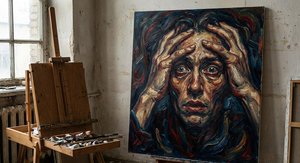
Figurative Expressionism: Emotional Intensity & Subjective Reality in 20th-Century Art
Explore the powerful world of Figurative Expressionism with OriginalUniqueArt. Discover key artists like Kirchner & Beckmann, understand its emotional depth, and learn how to collect this influential 20th-century art movement.

Max Beckmann: Navigating Trauma & Modernity Through a Distorted Lens
Explore the powerful world of Max Beckmann's art – a journey through trauma, modernity & distortion. Discover his key works, influences, and lasting legacy with expert analysis.
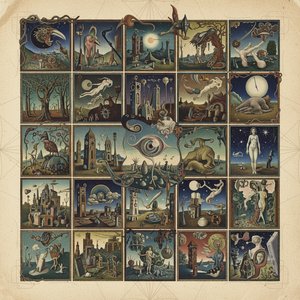
Max Ernst: 25 Šedevrai, Įkvėpę Surrealizmą | Tapyba, Dekorai ir Menas OriginalUniqueArt.com
Atraskite 25 įspūdingiausius Max Ernst kūrinius – nuo dadaizmo iki surrealizmo. Tapybos meistriškumas, psichologinis realizmas ir unikalios technikos. Įkvėpkite interjerui su OriginalUniqueArt.com reprodukcijomis! Explore the full collection online.

German Expressionism's 10 Defining Masterpieces | Art for Your Home
Explore 10 defining German Expressionism masterpieces – from Munch's 'The Scream' to Kandinsky’s abstracts. Discover the artists, stories & bold colors behind this powerful art movement. Find museum-quality reproductions at OriginalUniqueArt.com.
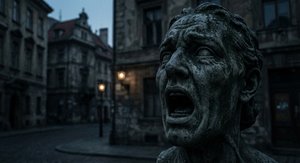
The Visceral Cry of a Nation: Exploring Emotion & Distortion in German Expressionism
Explore the powerful world of German Expressionism with OriginalUniqueArt. Discover Kirchner, Nolde & Die Brücke's emotive masterpieces. Learn about this pivotal art movement and its lasting impact on modern art.


