
 Peržiūrėti realaus dydžio版
 Pasidalinti
 Dalintis
 Išsamiau
 Vadovas

 Atsisiųsti
 Panašūs eksponatai
 Rentgeno spindulių nuotrauka
 Automatinė diorama
 问答
问答 Statistika
The Crucifixion

- 269.0 x 307.0 cm


 Skaityti daugiau
Giclée / Meno spausdinimas
Muziejų lygio „giclée“ arba drobos spausdinimas: greita gamyba ir lankstios apdailos parinktys. ( Pirkti rankų darbo tapybą Perejti prie skaitmeninių vaizdų)




P118B €10

P118H €10

P118W €10

P438Z €10

P508JH €12

P508YH €12

P805H €10

P805Z €10

P919BZ €10

P919G €10

P919XJ €10

P959ZH €10

P968JZ €12

W106C €8

W218G €10

W218JH €8

W218Y €10

W307PJ €10

W316G €10

W316PJ €8

W316Y €10

W398PJ €8

W4111J €10

W500HY €15

W500JH €15

W692G €12

W849H €8

W940BG €15

W953PJ €8




Pasirinkite iš mūsų nustatytų dydžių, atitinkančių originalaus meno kūrinio proporcijas.

Įveskite jums reikiamą plotį ir aukštį, kad atvaizdas derėtų prie jūsų rėmo ar sienos. Spausdiną galima tik sumažinti, bet nepadidinti virš originalaus paveikslėlio dydžio, todėl keičiant proporcijas, dalis vaizdo prarandama. Prieš spausdinimą atsiųsime jums skaitmeninį maketą patvirtinimui. Šioje puslapio nuotraukoje matomas pjūvis nėra tikslus – jį rodo tik maketas.
Pristatymas visame pasaulyje () per 2 weeks, o ne įprastas 4/5 savaičių laikotarpis. (9 lapkritis)

Nemokamas greitasis pristatymas visame pasaulyje

Aukštos kokybės lininis drobė

Pilnas siuntimo draudimas

Muitinės mokesčių grąžinimo garantija

Tikro spalvų atitikimo garantija

100 dienų grąžinimo politika (tik esant įtaigoms)

100% pinigų grąžinimo garantija

Nuolaida dideliems užsakymams
 Stiklo variantas prieinamas tik pasirinkus dydį iki 110 cm

The Crucifixion
Giclée / Meno spausdinimas
Reprodukcijos matmenys
-


Bendroji kaina
€ 72
A Vision of Suffering: The Isenheim Altarpiece’s Central Panel
Matthias Grünewald's “The Crucifixion,” a cornerstone of the Isenheim Altarpiece, isn’t merely a depiction of a religious scene; it’s an immersive experience of profound sorrow and spiritual intensity. Completed around 1512-1516 for the Unterlinden Museum in Colmar, France, this panel transcends traditional iconography to deliver a visceral portrayal of Christ's agony – a testament to Grünewald’s mastery of late medieval German art. The painting immediately commands attention with its stark contrasts: the deep, bruised blues and purples of the background against the pallid flesh tones of the central figure, creating an atmosphere thick with despair. It’s a scene deliberately designed to evoke empathy, not through idealized beauty, but through unflinching realism.
Grünewald eschewed the polished elegance favored by Renaissance Italy, instead embracing the expressive power and emotional depth characteristic of Northern European art. He prioritized conveying feeling over precise anatomical detail, resulting in a Christ whose body is contorted with pain, his muscles strained, and his face etched with an almost unbearable suffering. The artist’s use of impasto – thick layers of paint applied directly to the panel – adds texture and dynamism to the scene, emphasizing the physicality of Christ's torment. The rough, unfinished quality of the brushstrokes contributes to a sense of immediacy, as if we are witnessing this event unfold before our very eyes.
Symbolism Woven into Suffering
Beyond its immediate emotional impact, “The Crucifixion” is rich in symbolic meaning. The figure of Christ isn’t presented as a noble martyr but as a profoundly human being experiencing the full weight of his sacrifice. To his left, John the Evangelist, depicted with an expression of anguish and grief, supports the Virgin Mary, who herself embodies sorrow. The presence of Saint Sebastian, traditionally associated with healing through suffering, and Saint Anthony, contemplating God’s will, further underscores the theme of redemption through pain. The lamb at the foot of the cross, a potent symbol of Christ as “the Lamb of God,” reinforces this central theological message.
The inclusion of figures like Mary Magdalene, kneeling in despair, highlights the universal human experience of loss and suffering connected to Christ’s death. Even the background landscape—a desolate, almost apocalyptic scene—contributes to the overall sense of foreboding and spiritual crisis. Grünewald masterfully integrates these symbolic elements into a single, unified composition, creating an artwork that speaks volumes about faith, sacrifice, and the enduring power of human emotion.
Technique and Context: A Masterpiece Forged in Darkness
The Isenheim Altarpiece was created during a period of significant religious upheaval in Europe. The Black Death had ravaged the continent, leaving behind widespread death, disease, and social disruption. This context profoundly shaped Grünewald’s artistic vision. The altarpiece was intended for a hospital dedicated to St. Anthony, where patients suffered from various ailments, including ergotism (St. Anthony's Fire), a debilitating illness characterized by hallucinations and convulsions. The painting’s raw emotional intensity and unflinching depiction of suffering were precisely what the patients needed – a visual reminder of their own mortality and the promise of salvation.
Grünewald employed oil paint on wood, a technique that allowed for rich colors and detailed textures. The use of grisaille (monochrome painting) in the outer panels—featuring saints depicted in shades of gray—contrasts sharply with the vibrant colors of the central panel, further emphasizing its dramatic impact. The altarpiece’s complex folding mechanism – allowing it to be displayed in three different configurations – was a groundbreaking innovation for its time, adding another layer of visual and spiritual complexity.
A Legacy of Emotional Resonance
“The Crucifixion” remains one of the most powerful and moving religious paintings ever created. Its enduring appeal lies not only in Grünewald’s technical skill but also in his ability to capture the essence of human suffering with such profound honesty and empathy. Reproductions of this masterpiece continue to inspire awe and contemplation, offering viewers a glimpse into the heart of medieval faith and artistic expression. It stands as a poignant reminder of Christ's sacrifice and the enduring power of art to connect us to our deepest emotions and spiritual longings.
Klausimai ir atsakymai
Kokio dydžio „The Crucifixion“ – Matthias Grünewaldas spausdinimas tinka rekomenduojamai patalpai?
Rekomenduojamas „The Crucifixion“ – Matthias Grünewaldas spausdinimo dydis Living Room erdvei yra Large.
Kokia yra originalaus „The Crucifixion“ – Matthias Grünewaldas technika ir dydis?
Darbos „The Crucifixion“ – Matthias Grünewaldas technika yra Oil On Canvas, o nurodyti jo matmenys – 269 x 307 cm.
Kokia emocinė nuotaika lydi „The Crucifixion“ kūrinį, priskiriamą Late Medieval Northern Renaissance stiliui?
Late Medieval Northern Renaissance kryptimi Late Medieval Northern Renaissance stiliaus metu „The Crucifixion“ užfiksuotas Melancholic tonu.
Autoriaus biografija
Matthias Grünewald: Vokietijos Renesanso Šviesos ir Kančios Vizionierius
Matthias Grünewald, tikruoju vardu Mathis Gothart Neithardt, gimęs apie 1470-1475 metus Virtsburge, Vokietijoje, yra viena ryškiausių figūrų Vokietijos Renesanso laikotarpyje. Nors gyveno metuose, kuriuose vis didesnę įtaką darė italų renesanso idealai, Grünewald išlaikė gilų ryšį su viduramžių Centrinės Europos meno tradicijomis. Daugiau informacijos apie jo ankstyvąjį gyvenimą žinoma nedaug, tačiau aišku, kad jis įgijo menininko išsilavinimą, greičiausiai vietinėse dirbtuvėse. Jo kelias nebuvo nukreiptas į Florencijos humanistų ratelius; atvirkščiai, jo kūriniai tarnavo religiniams tikslams, atspindintys to meto dvasines nerimas ir paieškas.
Ankstyvieji Metai ir Formavimasis
Grünewald’s meninis formavimasis buvo glaudžiai susijęs su Šiaurės Europos tradicijomis, pasižyminčiomis realizmu, emociniu intensyvumu ir kruopščiu stebėjimu. Jo darbuose galima aptikti įtakų iš tokių menininkų kaip Albrechtas Düreris ir Martinas Schongaueris, tačiau jis sukūrė unikalų kelią, apibūdinamą dramatiška ekspresija ir ryškiomis spalvomis. Jaunasis Mathis nebuvo tiesiogiai įtrauktas į Italijos humanistinius diskursus; jo menas atsirado iš gilios religinės aplinkos, kuri skatino gilų emocinį rezonansą ir simbolizmą. Šios aplinkybės nulėmė unikalią Grünewald’s viziją – perteikti ne tik istorijas, bet ir pačią tikėjimo esmę.
Pagrindiniai Kūriniai ir Meninis Stilius
Grünewald’s meninis stilius išsiskiria ryškia kompozicija, intensyvia spalvų palete ir realistišku kančios vaizdavimu. Jo paveikslai nėra tik iliustracijos; jie yra gilios introspekcijos ir emocinio krūvio rezultatas. Izengheimo altorius (1512-1516), saugomas Colmaro Musée d'Unterlinden muziejuje, laikomas jo magnum opus. Šis šedevras vaizduoja Kristaus gyvenimo scenas su šiurpiu realizmu, ypatingą dėmesį skiriant kančiai ir atpirkimui. Altoriaus detalės – nuo nukryžiavimo kankinimų iki Jėzaus prisikėlimo – perteikia ne tik religinę istoriją, bet ir žmogaus būties gilumą bei emocinį svorį.
- Nukryžiavimas (apie 1502-1503): Ankstyvasis darbas, demonstruojantis besiformuojantį stilių, pasižymintis intensyviomis emocijomis ir anatomine detale.
- Mergelės Apreiškimo paveikslas (1512-14): Izengheimo altoriaus studija, atskleidžianti kruopštų planavimo procesą.
- Mozė (1511): Piešinys, pabrėžiantis Grünewald’s įgūdį perteikti ekspresyvias figūras ir dramatiškas pozas.
Istorinė Reikšmė ir Palikimas
Grünewald’s darbai yra liudijimas viduramžių meno tradicijų stiprybei Vokietijoje Renesanso laikotarpiu. Jis sujungė vėlesnį gotikos stilių ir besiformuojantį renesansą, sukūręs unikalų vizualinį kalbos būdą, kuris atsiliepė jo bendraamžiams. Jo įtaka matoma vėlesnių Vokietijos menininkų darbuose, kurie tęsė religinio ugnies ir emocinio intensyvumo temas. Nors po mirties 1528 metais jis buvo beveik pamirštas daugelį amžių, Grünewald’s kūryba atgijo XIX amžiuje, o šiandien jis pripažįstamas vienu svarbiausių Vokietijos Renesanso tapytojų. Jo menas ir toliau žavi žiūrovus savo žalia emocija, techniniu meistriškumu ir giliu dvasiniu gilumu.
Sužinokite daugiau apie Matthias Grünewald’s gyvenimą ir kūrinius: OriginalUniqueArt

Matthias Grünewaldas
1480 - 1528 , Vokietija
Trumpa informacija
- Gimimo Data: apie 1470–1475 m.
- Gimimo Vieta: Viurzburgas, Vokietija
- Menininkų Įtaka: Vokiečių dailininkai
- Meninis Stilius: Vokiečių renesansas
- Mirties Data: 1528 m.
- Pilietybė: Vokiečių
- Pilnas Vardas: Matthias Grünewald
- Įtakoję Menininkai:
- Albrechtas Diureris
- Martinas Šongaueris
- Žymiausi Darbai:
- Izenheimo altorius
- Kryžiuolumas
- Merkūno apreiškimas
Susiję straipsniai
Šiaurės Renesanso Šedevrai: 10 paveikslių, kuriuos privalote pažinti
Atraskite 10 Šiaurės Renesanso šedevrų, kurie formavo Europos meną! Jan van Eyck, Dürer ir kiti meistrai – jų kūriniai, istorijos bei spalvos. Aukščiausios kokybės tapybos reprodukcijos jūsų namams. Išskirtinis dizainas OriginalUniqueArt.com!
Illuminating Belief: A Visual Exploration of Faith Across Artistic Movements & Historical Contexts
Explore the rich history of faith through art! Discover Renaissance masterpieces, iconic artists & religious symbolism with expert analysis from OriginalUniqueArt. Perfect for collectors and enthusiasts.

The Northern Renaissance: A Flourishing of Realism, Religious Reform & Artistic Innovation
Explore the Northern Renaissance! Discover Jan van Eyck's innovations, religious shifts, & key artists of this influential period. Expert analysis and insights into Early Netherlandish painting at OriginalUniqueArt.
Northern Mannerism: The Dramatic Evolution of Renaissance Art and the Mastery of Elegant Distortion
Explore the dramatic evolution of Northern Mannerism. Discover how masters like Bosch and Grünewald transitioned from Renaissance harmony to profound, elegant distortion through an expert analysis of symbolism, emotional intensity, and artistic innovation.
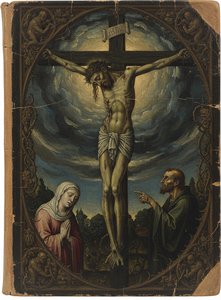
Matthias Grünewald: Devotion, Distortion & Spiritual Turmoil in Renaissance Art
Explore the profound religious art of Matthias Grünewald, master of the Isenheim Altarpiece. Discover his unique expressionism, symbolism & lasting impact on Renaissance painting. A guide for collectors and enthusiasts.


