

 Peržiūrėti realaus dydžio版
 Siųsti
 Dalintis
 Išsamiau
 Vadovas

 Atsisiųsti
 Panašūs eksponatai
 Rentgeno spindulių nuotrauka
 Diaporama
 Statistika
St Antony the Hermit
 Oil On Panel
- WallArt
- German Renaissance
 1515
1515- Renaissance
 232.0 x 75.0 cm
 Musée d'Unterlinden
 Rodyti daugiau
Rankų darbo aliejinės reprodukcijos
Rankiniu būdu tapytas aliejus ant droblio jūsų pageidaujamame dydį ir rėmuose – mūsų menininkų darbas pagal užsakymą. ( Perjungti į spausdinimą Perejti prie skaitmeninių vaizdų)




P118B €10

P118H €10

P118W €10

P438Z €10

P508JH €12

P508YH €12

P805H €10

P805Z €10

P919BZ €10

P919G €10

P919XJ €10

P959ZH €10

P968JZ €12

W106C €8

W218G €10

W218JH €8

W218Y €10

W307PJ €10

W316G €10

W316PJ €8

W316Y €10

W398PJ €8

W4111J €10

W500HY €15

W500JH €15

W692G €12

W849H €8

W940BG €15

W953PJ €8




Pasirinkite iš mūsų nustatytų dydžių, atitinkančių originalaus meno kūrinio proporcijas.

Įveskite jums reikiamą plotį ir aukštį, kad paveikslas atitiktų jūsų rėmą ar sieną. Kadangi šis darbas yra rankinio darbo, siekiant išgauti kitokio formos dydį, paveikslas gali būti šiek tiek didesnis (nuo kraštų bus palikta daugiau erdvės) arba mažesnis – pasirinkite jums patogiausią variantą. Prieš pradedant tapyti, atsiųsime jums skaitmeninį maketą patvirtinimui. Šioje puslapio nuotraukoje matomas vaizdas nėra galutinis rezultatas – jį parodys tik sukurtas maketas.
Gavus užsakymą, OriginalUniqueArt.com komanda susisieks su klientu el. paštu dėl instrukcijų ir pateiks maketo pavyzdį
Pristatymas visame pasaulyje () per 3–4 savaites, o ne įprastai – per 5 savaites. (25 spalis). Kokybė lieka nepakeičiama.

Nemokamas greitasis pristatymas visame pasaulyje

Aukštos kokybės lininis drobė

Pilnas siuntimo draudimas

Muitinės mokesčių grąžinimo garantija

Tikro spalvų atitikimo garantija

100 dienų grąžinimo politika (tik esant įtaigoms)

100% pinigų grąžinimo garantija

Nuolaida dideliems užsakymams
 Stiklo variantas prieinamas tik pasirinkus dydį iki 110 cm

St Antony the Hermit
Reprodukcijos technika
Reprodukcijos dydis
-


Visų pasirinktų variantų kaina
€ 263
A Vision of Solitude: The Spiritual Depth of St Antony the Hermit
In the quiet, shadowed corners of art history, few works command the soul with such profound stillness as Matthias Grünewald’s St Antony the Hermit. Completed in 1515, this monumental oil on panel serves as a breathtaking window into the late medieval spirit, captured at the very moment it began to merge with the burgeoning Renaissance aesthetic. The painting does not merely depict a saint; it invites the viewer into a sacred, meditative space. As one gazes upon the elderly figure of St Antony, there is an immediate sense of being transported to a time when art was a direct conduit for the divine. His long, flowing beard and alabaster skin are rendered with a meticulousness that transcends mere representation, offering instead a portrait of spiritual asceticism that feels both ancient and eternally present.
The composition is a masterclass in atmospheric storytelling. Grünewald places the saint within a darkened chamber, where rough stone walls enclose him in a cocoon of isolation. This setting is far from accidental; it symbolizes the hermit’s deliberate detachment from the cacophony of the worldly life in pursuit of a higher truth. The presence of a barred window suggests the confines of a cell or monastery, yet the spiritual expanse within the painting feels limitless. For the collector or the lover of fine art, this piece offers more than just visual beauty; it provides a focal point for contemplation, making it an extraordinary addition to any space dedicated to reflection and peace.
The Alchemy of Color and Light
Technically, Grünewald’s work is a triumph of texture and chiaroscuro. The artist employs a rich, somber palette—deep blacks, muted browns, and earthy tones—which allows the sudden, vibrant strike of crimson to resonate with startling intensity. St Antony’s red robe, draped over a dark tunic, acts as a visual heartbeat within the gloom, drawing the eye toward the saint's contemplative gesture. His right hand, resting gently upon his chest, is a silent testament to prayerful devotion and an unwavering faith that refuses to be extinguished by the surrounding shadows.
The interplay of light and shadow in this work creates a sculptural depth that is rare even among the masters of the Northern Renaissance. Every fold of the fabric and every line etched into the saint's weathered face tells a story of endurance. For interior designers seeking to infuse a room with character and gravitas, a high-quality reproduction of this masterpiece brings a sense of historical weight and dramatic elegance. The painting’s ability to balance heavy, textured realism with an ethereal, spiritual glow makes it a versatile yet commanding presence in sophisticated decor.
A Legacy of Devotion for the Modern Collector
To understand St Antony the Hermit is to understand the unique genius of Matthias Grünewald. Unlike his contemporary Albrecht Dürer, who embraced the classical humanism of Italy, Grünewald remained a poet of the Northern tradition, prioritizing emotional resonance and raw, spiritual truth over formal perfection. This dedication to the "inner life" ensures that his work remains perpetually relevant. In an era of constant digital distraction, the profound silence captured in this panel offers a much-needed sanctuary.
Owning or displaying a reproduction of this work is an act of preserving a piece of German Renaissance history. It is an opportunity to surround oneself with the textures of the past and the enduring power of faith. Whether placed in a private study, a quiet library, or a curated gallery space, St Antony the Hermit serves as a constant reminder of the beauty found in solitude and the strength found in stillness. It is not just a painting; it is an invitation to breathe, to reflect, and to find meaning in the shadows.
问答 (or more naturally for a website heading): Klausimai ir atsakymai
Kokio meno kryžmės dalis yra „St Antony the Hermit“, autorius – Matthias Grünewaldas?
Kūrinio „St Antony the Hermit“, autorius – Matthias Grünewaldas stilius – German Renaissance. Ši klasifikacija leidžia šį darbą įtraukti į bendrą susijusių menininkų ir kūrinių kontekstą.
Keliame laikotarpiu buvo sukurta „St Antony the Hermit“, autorius – Matthias Grünewaldas?
Istorinis laikotarpis kūriniam „St Antony the Hermit“, autorius – Matthias Grünewaldas yra Renaissance. Ši klasifikacija priskiria šį kūrinį konkrečiam meno istorijos etapui.
Kas sukūrė „St Antony the Hermit“ ir kada?
Matthias Grünewaldas sukūrė „St Antony the Hermit“ 1515 m.
Autoriaus biografija
Matthias Grünewald: Vokietijos Renesanso Šviesos ir Kančios Vizionierius
Matthias Grünewald, tikruoju vardu Mathis Gothart Neithardt, gimęs apie 1470-1475 metus Virtsburge, Vokietijoje, yra viena ryškiausių figūrų Vokietijos Renesanso laikotarpyje. Nors gyveno metuose, kuriuose vis didesnę įtaką darė italų renesanso idealai, Grünewald išlaikė gilų ryšį su viduramžių Centrinės Europos meno tradicijomis. Daugiau informacijos apie jo ankstyvąjį gyvenimą žinoma nedaug, tačiau aišku, kad jis įgijo menininko išsilavinimą, greičiausiai vietinėse dirbtuvėse. Jo kelias nebuvo nukreiptas į Florencijos humanistų ratelius; atvirkščiai, jo kūriniai tarnavo religiniams tikslams, atspindintys to meto dvasines nerimas ir paieškas.
Ankstyvieji Metai ir Formavimasis
Grünewald’s meninis formavimasis buvo glaudžiai susijęs su Šiaurės Europos tradicijomis, pasižyminčiomis realizmu, emociniu intensyvumu ir kruopščiu stebėjimu. Jo darbuose galima aptikti įtakų iš tokių menininkų kaip Albrechtas Düreris ir Martinas Schongaueris, tačiau jis sukūrė unikalų kelią, apibūdinamą dramatiška ekspresija ir ryškiomis spalvomis. Jaunasis Mathis nebuvo tiesiogiai įtrauktas į Italijos humanistinius diskursus; jo menas atsirado iš gilios religinės aplinkos, kuri skatino gilų emocinį rezonansą ir simbolizmą. Šios aplinkybės nulėmė unikalią Grünewald’s viziją – perteikti ne tik istorijas, bet ir pačią tikėjimo esmę.
Pagrindiniai Kūriniai ir Meninis Stilius
Grünewald’s meninis stilius išsiskiria ryškia kompozicija, intensyvia spalvų palete ir realistišku kančios vaizdavimu. Jo paveikslai nėra tik iliustracijos; jie yra gilios introspekcijos ir emocinio krūvio rezultatas. Izengheimo altorius (1512-1516), saugomas Colmaro Musée d'Unterlinden muziejuje, laikomas jo magnum opus. Šis šedevras vaizduoja Kristaus gyvenimo scenas su šiurpiu realizmu, ypatingą dėmesį skiriant kančiai ir atpirkimui. Altoriaus detalės – nuo nukryžiavimo kankinimų iki Jėzaus prisikėlimo – perteikia ne tik religinę istoriją, bet ir žmogaus būties gilumą bei emocinį svorį.
- Nukryžiavimas (apie 1502-1503): Ankstyvasis darbas, demonstruojantis besiformuojantį stilių, pasižymintis intensyviomis emocijomis ir anatomine detale.
- Mergelės Apreiškimo paveikslas (1512-14): Izengheimo altoriaus studija, atskleidžianti kruopštų planavimo procesą.
- Mozė (1511): Piešinys, pabrėžiantis Grünewald’s įgūdį perteikti ekspresyvias figūras ir dramatiškas pozas.
Istorinė Reikšmė ir Palikimas
Grünewald’s darbai yra liudijimas viduramžių meno tradicijų stiprybei Vokietijoje Renesanso laikotarpiu. Jis sujungė vėlesnį gotikos stilių ir besiformuojantį renesansą, sukūręs unikalų vizualinį kalbos būdą, kuris atsiliepė jo bendraamžiams. Jo įtaka matoma vėlesnių Vokietijos menininkų darbuose, kurie tęsė religinio ugnies ir emocinio intensyvumo temas. Nors po mirties 1528 metais jis buvo beveik pamirštas daugelį amžių, Grünewald’s kūryba atgijo XIX amžiuje, o šiandien jis pripažįstamas vienu svarbiausių Vokietijos Renesanso tapytojų. Jo menas ir toliau žavi žiūrovus savo žalia emocija, techniniu meistriškumu ir giliu dvasiniu gilumu.
Sužinokite daugiau apie Matthias Grünewald’s gyvenimą ir kūrinius: OriginalUniqueArt

Matthias Grünewaldas
1480 - 1528 , Vokietija
Trumpa informacija apie kūrėją
- Gimimo Data: apie 1470–1475 m.
- Gimimo Vieta: Viurzburgas, Vokietija
- Menininkų Įtaka: Vokiečių dailininkai
- Meninis Stilius: Vokiečių renesansas
- Mirties Data: 1528 m.
- Pilietybė: Vokiečių
- Pilnas Vardas: Matthias Grünewald
- Įtakoję Menininkai:
- Albrechtas Diureris
- Martinas Šongaueris
- Žymiausi Darbai:
- Izenheimo altorius
- Kryžiuolumas
- Merkūno apreiškimas
Susiję straipsniai
High Medieval Art: 10 Masterpieces That Shaped an Era | OriginalUniqueArt
Journey through High Medieval Art! Explore 10 iconic masterpieces – from Giotto's frescoes to stunning Gothic cathedrals. Discover the stories behind these timeless paintings, sculptures & illuminated manuscripts. Find museum-quality art reproductions at OriginalUniqueArt.com.
Late Medieval Masterpieces: 10 Artworks That Defined an Era | OriginalUniqueArt
Journey through 10 defining Late Medieval masterpieces – from Giotto's frescoes to Jan van Eyck’s realism. Explore the stories, techniques & vibrant colors of Gothic art. Find museum-quality reproductions and elevate your home decor with OriginalUniqueArt.com! Discover all masterpieces on OriginalUniqueArt.com
Illuminating Belief: A Visual Exploration of Faith Across Artistic Movements & Historical Contexts
Explore the rich history of faith through art! Discover Renaissance masterpieces, iconic artists & religious symbolism with expert analysis from OriginalUniqueArt. Perfect for collectors and enthusiasts.
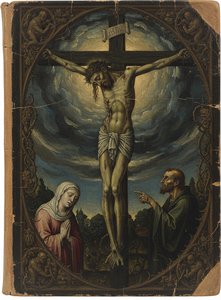
Matthias Grünewald: Devotion, Distortion & Spiritual Turmoil in Renaissance Art
Explore the profound religious art of Matthias Grünewald, master of the Isenheim Altarpiece. Discover his unique expressionism, symbolism & lasting impact on Renaissance painting. A guide for collectors and enthusiasts.

Divine Splendor: A Guide to the Sacred Beauty and Symbolic Depth of High Medieval Art
Embark on a scholarly journey through the sacred beauty of High Medieval art. Discover the profound symbolism, luminous iconography, and spiritual depth of Gothic masterpieces in this expert guide for classical art enthusiasts.


