Color Field Painting · 1955
Untitled (Markas Rotko, 1955)
Markas Rotko (1903–1970) sukūrė Untitled. Šis kūrinys datuojamas 1955 m. Šis kūrinys priklaulo Color Field Painting kieruliui. Pagaminta naudojant Oil On Canvas. Dimensijos – 268 × 236 cm.
- 1955
- Oil On Canvas
- 268 × 236 cm

 Peržiūrėti realaus dydžio版

 Rankinio darbo aliejinės imitacijos paveikslas
 Pasidalinti
 Dalintis
 Vadovas


 Atsisiųsti
 Panašūs eksponatai
 Rentgeno spindulių nuotrauka
 Automatinė diorama
 问答

 Statistika
Untitled: pagrindinė informacija
- Pavadinimas
- Untitled
- Autorius
- Markas Rotko (1903–1970)
- Dizainere/is gimęs
- Daugavpils, Latvija
- Data
- 1955
- Mediumas
- Oil On Canvas
- Matmenys
- 268 × 236 cm
- Judėjimas
- Color Field Painting
- Laikotarpis
- Modern
- Tema
- minimalism, color harmony, emotional depth, geometric form, existentialism, red square
Ką vaizduoja Untitled?
A Study in Somber Hue: The Emotional Depth of Rothko’s Untitled
Mark Rothko's "Untitled," completed in 1955, stands as a cornerstone of Color Field painting and embodies the anxieties of its time—a testament to both personal trauma and the broader existential concerns that gripped mid-century artistic discourse. Measuring an impressive 268 x 236 cm, this canvas immediately commands attention with its deceptively simple composition: a bold red square bisected by black borders. Yet, within this apparent minimalism lies a depth of emotion and intellectual rigor that continues to fascinate scholars and collectors alike. The painting presents a powerful encounter where the viewer is met with a striking visual drama, as the stark, deep black borders act as an infinite void, pushing the luminous red form toward the foreground.
The genesis of this work is deeply rooted in Rothko’s own history, shaped by the turbulent backdrop of his early life in Latvia and the subsequent cultural shifts following his relocation to Portland, Oregon. Witnessing firsthand the horrors of pogroms instilled within him an unwavering empathy for human suffering—a sensibility that would permeate his entire oeuvre. These experiences fueled a lifelong preoccupation with themes of mortality, trauma, and the elusive quest for meaning, finding eloquent expression in this rejection of traditional representational conventions. Through this piece, Rothko moves away from the figurative to seek instead a way to express universal human emotions through the potent language of color.
Technique, Symbolism, and the Language of Color
Rothko’s method was deliberately reductive, prioritizing color over form to achieve his signature effect. He achieved this through layering thin washes of pigment onto linen canvases, building up translucent blocks of color to create luminous rectangles that appear to bleed into one another. This technique—described by Rothko himself as “painting with feeling”—was painstakingly executed, demanding immense patience and precision. The black borders serve not merely as framing elements but as crucial components of the visual experience, intensifying the colors and creating a sense of enclosure that contributes to the painting’s contemplative atmosphere.
The deliberate choice of red and black is laden with profound symbolic significance. Rothko consistently employed these hues to convey intense emotional states—passion, grief, and despair—without resorting to explicit imagery. Red, often associated with vitality and primal instinct, represents the vibrancy of life’s energy, while simultaneously hinting at its vulnerability and eventual demise. Conversely, black embodies darkness, silence, and the inevitability of death. The juxtaposition of these colors within the square creates a dynamic tension that mirrors the complexities of human existence. For the discerning collector or interior designer, this artwork offers a captivating focal point; its ability to command attention through monochromatic intensity while maintaining a soft, inviting atmosphere makes it an ideal centerpiece for spaces designed for reflection, luxury, or quiet sophistication.
Untitled dididžioja:resoliucija
Autorių teisės apsaugotos: vaizdas pateikiamas tik informacinėms tikslams.
Daugiau variantų, iškaržymų ir citavimo →Markas Rotko, Untitled (1955).
Dalykas Untitled: klausimai
Kada buvo sukurta „Untitled“?
„Untitled“ sukurta 1955 m. Ši data leidžia įvardyti kūrinį Markas Rotko kūrybinėje karjeroje bei jo epochoje.
Kokia technika sukurta „Untitled“ – Markas Rotko?
Markas Rotko kūriniui „Untitled“ panaudojo Oil On Canvas techniką. Ši technika apibrėžė originalaus kūrinio medžiaginę prigimtį.
Kokie yra originalaus „Untitled“ matmenys?
Originalaus kūrinio „Untitled“ – Markas Rotko matmenys yra 268 x 236 cm.
Kokios temos atsispindi kūrynioje „Untitled“ – Markas Rotko?
„Untitled“ – Markas Rotko temos apima minimalism, color harmony, emotional depth, geometric form, existentialism, red square, abstraction. Kartu jie apibendrina šio kūrinio tematiką.
Ar „Untitled“ yra viešosios teisės kūrinys?
Autorių teisių statusas kūriniui „Untitled“ – Markas Rotko: kūrinys priklauso vis dar saugoma autorineje teisėje. Tai nulemia, ar galima laisvai reprodukciuoti šį vaizdą.
Kas yra „Untitled“ kūrybos autorius?
„Untitled“ priskiriamas Markas Rotko.
Kokio meno kryžmės dalis yra „Untitled“ – Markas Rotko?
Kūrinio „Untitled“ – Markas Rotko stilius – Color Field Painting. Ši klasifikacija leidžia šį darbą įtraukti į bendrą susijusių menininkų ir kūrinių kontekstą.
Kokio Markas Rotko kūrybos laikotarpio priklauso „Untitled“?
„Untitled“ priklauso Markas Rotko kūrybos karjeros Mature Period etapui. Ši klasifikacija atspindi kūrinio ryšį su menininko evoliucija.
Kokia buvo Markas Rotko amžius sukuriant „Untitled“?
Markas Rotko „Untitled“ sukūrė būdamas 52 metų amžiaus.ت Artistas gimė 1903, o kūrinys datuojamas 1955 metais.
Apie šį menininką, Markas Rotko

1903–1970, Latvija
Markas Rotko
Marko Rotko ankstyvoji gyvenimo etapa Markas Rotko gimė 1903 m. Markusas Jakovlevičius Rothkovičius. Jis gimė Dvinsk, Rusijos imperijoje, vietoje, kuri šiandien garsėja kaip Latvijos Daugavpilis. Jo šeima gyveno Pale of Settlement – politinių neramumų ir nuolatinio pogromų šešėlio apimtoje regione.
Taip pat Markas Rotko darbai
 Baltas Centras1950
 No 1 (Royal Red and Blue)
 Nr. 61 (Raudonbrąziai ir mėlynas)1953
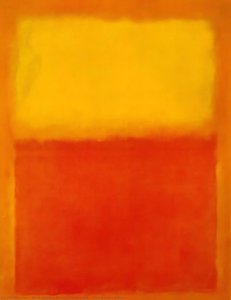 Oranžinė ir geltona1956
Esdai apie Untitled
 The Architecture of Emotion: A Connoisseur’s Guide to the Chromatic Sublimity of Mark RothkoExplore the profound emotional landscapes of Mark Rothko. An expert editorial on Color Field painting, decoding the spiritual depth, techni…
 Mark Rothko: 25 Šedevrai, Apibūdinantys Spalvų Ir Jaustmo Gylį | OriginalUniqueArtAtraskite 25 įspūdingiausius Mark Rothko kūrinius! Gilinkitės į abstraktaus meno spalvų laukus, ekspresionizmą ir jaustmingas tapybas. Meno…
 Color Fields of Calm: Transform Luxury Interiors with Minimalist Masterpiece ReproductionsElevate your luxury interiors with museum-quality Mark Rothko reproductions. Discover how hand-painted Color Field masterpieces bring profo…