Abstract Expressionism · 1947
Untitled (Markas Rotko, 1947)
Markas Rotko (1903–1970) sukūrė Untitled. Šis kūrinys datuojamas 1947 m. Šis kūrinys priklaulo Abstract Expressionism kieruliui. Pagaminta naudojant Acrylic On Canvas. Dimensijos – 96 × 53 cm.
- 1947
- Acrylic On Canvas
- 96 × 53 cm

 Peržiūrėti realaus dydžio版

 Rankinio darbo aliejinės imitacijos paveikslas
 Pasidalinti
 Dalintis
 Informacinė l lapelė


 Atsisiųsti
 Panašūs eksponatai
 Rentgeno spindulių nuotrauka
 Automatinė diorama
 问答

 Statistika
Untitled, trumpai
- Pavadinimas
- Untitled
- Autorius
- Markas Rotko (1903–1970)
- Dizainere/is gimęs
- Daugavpils, Latvija
- Data
- 1947
- Mediumas
- Acrylic On Canvas
- Matmenys
- 96 × 53 cm
- Judėjimas
- Abstract Expressionism
- Laikotarpis
- Modern
- Tema
- abstract, color field, emotion, tranquility, depth, layered
Ką vaizduoja Untitled?
A Window into the Soul: Exploring Mark Rothko’s 1947 Untitled Painting
This captivating work by Mark Rothko, created in 1947, exemplifies a pivotal moment in the artist's transition towards his signature Color Field style. Measuring 96 x 53 cm, this painting isn’t about *what* it depicts, but rather *how* it makes you feel – a hallmark of Abstract Expressionism and Rothko’s enduring legacy.Style & Technique: Gestural Abstraction and the Birth of Color Fields
The artwork is deeply rooted in Abstract Expressionism, specifically leaning towards gestural abstraction. Unlike purely abstract works that might emphasize geometric forms, this piece showcases a fluidity and spontaneity achieved through loose brushstrokes and washes of color. Rothko masterfully employs a wet-on-wet blending technique, allowing hues to seamlessly merge and create atmospheric depth. While reminiscent of the later, more defined Color Field paintings – like his iconic series of stacked rectangles – this 1947 work retains a greater textural variation, hinting at the emotional turmoil and experimentation that characterized his artistic evolution. The layering of paint creates a sense of movement within the composition, drawing the eye upwards through subtle shifts in tone and saturation.Historical Context: Post-War Emotion & Artistic Innovation
Created immediately after World War II, this painting reflects the anxieties and existential questioning prevalent during that era. Abstract Expressionism emerged as a response to the horrors of war, rejecting traditional representational art in favor of expressing raw emotion and subjective experience. Rothko, having immigrated from Latvia as a child, carried with him a sense of displacement and cultural shift which profoundly influenced his artistic vision. This period saw American artists seeking new ways to articulate universal human experiences – grief, hope, spirituality – through non-figurative forms.Symbolism & Emotional Resonance
While Rothko resisted explicit interpretations of his work, the painting undeniably evokes a powerful emotional response. The muted tones and lack of defined shapes contribute to a sense of tranquility tinged with melancholy. The amorphous, organic forms suggest hidden depths and invite introspection. It’s not about recognizing *something* in the painting; it's about allowing the colors and textures to resonate within you, prompting personal reflection. Rothko aimed to create paintings that were almost like spiritual experiences – spaces for contemplation and emotional release.Interior Design & Collecting Considerations
This piece, or a high-quality reproduction, would serve as a striking focal point in a modern or minimalist interior. Its subdued palette lends itself well to spaces seeking calm and sophistication. The vertical orientation makes it ideal for hallways or above seating areas. As an early example of Rothko’s evolving style, this work represents a significant investment for collectors interested in the development of Abstract Expressionism. It offers a glimpse into the artist's formative years and foreshadows the iconic Color Field paintings that would define his career.- Dimensions: 96 x 53 cm
- Date: 1947
- Style: Abstract Expressionism, Gestural Abstraction, Color Field (Proto)
- Materials: Likely oil or acrylic on canvas.
Untitled dididraudžios kokybės vaizdai
Autorių teisės apsaugotos: vaizdas pateikiamas tik informacinėms tikslams.
Kiti dydžiai, iškarai ir citavimo informacija →Markas Rotko, Untitled (1947).
Atsakimai į klausimus apie Untitled
Kokia yra „Untitled“ – Markas Rotko kūrybos data?
„Untitled“ sukurta 1947 m. Ši data leidžia įvardyti kūrinį Markas Rotko kūrybinėje karjeroje bei jo epochoje.
Kokia technika panaudota kūriniui „Untitled"]?
Markas Rotko kūriniui „Untitled“ panaudojo Acrylic On Canvas techniką. Ši technika apibrėžė originalaus kūrinio medžiaginę prigimtį.
Kokie yra originalaus „Untitled“ matmenys?
Įrašyti kūrinio „Untitled“ – Markas Rotko matmenys yra 96 x 53 cm. Kopijas galima užsisakyti kitais dydžiais, išlaikant tą pačius proporcijas.
Kas yra „Untitled“?
„Untitled“ – Markas Rotko vaizdeletas: abstract, color field, emotion, tranquility, depth, layered, atmospheric, rothko.
Ar „Untitled“ – Markas Rotko vaizdą galima laisvai reprodukcijaoti?
Autorių teisių statusas kūriniui „Untitled“ – Markas Rotko: kūrinys priklauso vis dar saugoma autorineje teisėje. Tai nulemia, ar galima laisvai reprodukciuoti šį vaizdą.
Kas yra „Untitled“ kūrybos autorius?
„Untitled“ priskiriamas Markas Rotko.
Kokiam stiliui priklauso „Untitled“?
Kūrinio „Untitled“ – Markas Rotko stilius – Abstract Expressionism. Ši klasifikacija leidžia šį darbą įtraukti į bendrą susijusių menininkų ir kūrinių kontekstą.
Kokį Markas Rotko kūrybos etapą atspindi „Untitled“?
„Untitled“ atspindi Markas Rotko kūrybinį laikotarpį Mature Period.
Kokia buvo Markas Rotko amžius sukuriant „Untitled"]?
Kai 1947 m. buvo sukurta „Untitled“, Markas Rotko – gimęs 1903 m. – buvo 44 metų amžiaus.
Apie šį menininką, Markas Rotko

1903–1970, Latvija
Markas Rotko
Marko Rotko ankstyvoji gyvenimo etapa Markas Rotko gimė 1903 m. Markusas Jakovlevičius Rothkovičius. Jis gimė Dvinsk, Rusijos imperijoje, vietoje, kuri šiandien garsėja kaip Latvijos Daugavpilis. Jo šeima gyveno Pale of Settlement – politinių neramumų ir nuolatinio pogromų šešėlio apimtoje regione.
Taip pat Markas Rotko darbai
 Baltas Centras1950
 No 1 (Royal Red and Blue)
 Nr. 61 (Raudonbrąziai ir mėlynas)1953
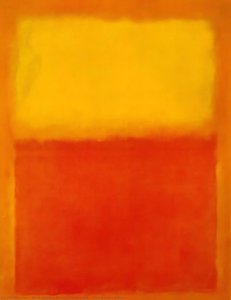 Oranžinė ir geltona1956
Esdai apie Untitled
 The Triadic Resonance of Artistic Choice: Exploring Emotional Response to Multiple Interpretations of a Singular ConceptExplore the emotional power of art & discover how skilled artists create lasting masterpieces. Custom paintings, expert consultations, & mu…
 Mark Rothko: 25 Šedevrai, Apibūdinantys Spalvų Ir Jaustmo Gylį | OriginalUniqueArtAtraskite 25 įspūdingiausius Mark Rothko kūrinius! Gilinkitės į abstraktaus meno spalvų laukus, ekspresionizmą ir jaustmingas tapybas. Meno…
 The Architecture of Emotion: A Connoisseur’s Guide to the Chromatic Sublimity of Mark RothkoExplore the profound emotional landscapes of Mark Rothko. An expert editorial on Color Field painting, decoding the spiritual depth, techni…