Color Field · 1964
No. 5 (Markas Rotko, 1964)
Markas Rotko (1903–1970) sukūrė No. 5. Šis kūrinys datuojamas 1964 m. Šis kūrinys priklaulo Color Field kieruliui. Pagaminta naudojant Acrylic On Canvas. Dimensijos – 206 × 196 cm.
- 1964
- Acrylic On Canvas
- 206 × 196 cm

 Peržiūrėti realaus dydžio版

 Rankinio darbo aliejinės imitacijos paveikslas
 Pasidalinti
 Dalintis
 Informacinė l lapelė


 Atsisiųsti
 Panašūs eksponatai
 Rentgeno spindulių nuotrauka
 Automatinė diorama
 问答

 Statistika
No. 5, trumpai
- Pavadinimas
- No. 5
- Autorius
- Markas Rotko (1903–1970)
- Dizainere/is gimęs
- Daugavpils, Latvija
- Data
- 1964
- Mediumas
- Acrylic On Canvas
- Matmenys
- 206 × 196 cm
- Judėjimas
- Color Field
- Laikotarpis
- Modern
- Tema
- rothko, abstract, color field, square, black and white, canvas
Ką vaizduoja No. 5?
Mark Rothko’s ‘No. 5’: A Meditation on Darkness and Absence
Mark Rothko's "No. 5," painted in 1964, is not merely a canvas filled with color; it’s an intensely personal and profoundly moving exploration of human emotion and the weight of existence. This monumental work, measuring 206 x 196 cm, exemplifies Rothko’s signature style – large-scale rectangular blocks of saturated color that seem to bleed into one another, creating a hypnotic effect on the viewer. The painting's stark simplicity—a vast, dark square dominating the composition—immediately confronts us with an unsettling void, prompting contemplation about mortality, isolation, and the fundamental questions of human experience.
The Genesis of Color Field Painting
Created during a pivotal moment in art history, "No. 5" is inextricably linked to the rise of Color Field painting in the mid-20th century. Rothko, along with artists like Barnett Newman and Clyfford Still, rejected traditional representational forms, seeking instead to express profound emotional states through pure color. Influenced by Abstract Expressionism’s emphasis on subjective experience, Rothko developed a technique that involved layering thin washes of acrylic paint, allowing the colors to subtly shift and merge under layers of varnish. This process created an almost sculptural quality, emphasizing the materiality of the canvas itself.
Symbolic Weight and Existential Themes
Born in 1903 in Daugavpils, Latvia (then part of the Russian Empire), Mark Rothko’s life was marked by displacement and loss – experiences that deeply informed his artistic vision. The painting's dark square can be interpreted as a visual representation of this sense of void, reflecting the anxieties and uncertainties inherent in the human condition. Some scholars suggest the work is an exploration of trauma, referencing Rothko's own difficult childhood and the pervasive atmosphere of fear and instability he experienced growing up within a Jewish family during times of political unrest. The sheer scale of the canvas amplifies this feeling, enveloping the viewer in a space of quiet contemplation.
Technique and Emotional Impact
"No. 5" is a testament to Rothko’s mastery of color and texture. The subtle gradations within the dark blocks, achieved through meticulous layering and blending, create an illusion of depth and movement. The photograph captures this intricate detail perfectly, revealing the artist's deliberate control over light and shadow. The painting’s impact isn’t about visual spectacle; it’s about a deeply felt emotional response. Rothko aimed to evoke a sense of awe and vulnerability in the viewer, inviting them to confront their own mortality and grapple with the complexities of human existence. This reproduction offers an unparalleled opportunity to experience the power and beauty of this iconic work firsthand.
No. 5 dididraudžios kokybės vaizdai
Protected by copyright: these files are for personal reference, not a licence to republish.
Markas Rotko, No. 5 (1964).
Atsakimai į klausimus apie No. 5
Kuriem metais buvo sukurta „No. 5“ – Markas Rotko?
„No. 5“ – Markas Rotko sukurtas 1964 m.
Kokia technika sukurta „No. 5“ – Markas Rotko?
Markas Rotko kūriniui „No. 5“ panaudojo Acrylic On Canvas techniką. Ši technika apibrėžė originalaus kūrinio medžiaginę prigimtį.
Kokie yra originalaus „No. 5“ – Markas Rotko matmenys?
Originalaus kūrinio „No. 5“ – Markas Rotko matmenys yra 206 x 196 cm.
Kokios temos atsispindi kūrynioje „No. 5“ – Markas Rotko?
„No. 5“ – Markas Rotko temos apima rothko, abstract, color field, square, black and white, canvas, mark rothko. Kartu jie apibendrina šio kūrinio tematiką.
Ar „No. 5“ yra viešosios teisės kūrinys?
Autorių teisių statusas kūriniui „No. 5“ – Markas Rotko: kūrinys priklauso vis dar saugoma autorineje teisėje. Tai nulemia, ar galima laisvai reprodukciuoti šį vaizdą.
Kuriam menininkui priskiriamas kūrinys „No. 5“?
„No. 5“ priskiriamas Markas Rotko.
Kokiam meno stiliui priklauso „No. 5“ – Markas Rotko?
Kūrinio „No. 5“ – Markas Rotko stilius – Color Field. Ši klasifikacija leidžia šį darbą įtraukti į bendrą susijusių menininkų ir kūrinių kontekstą.
Kokio Markas Rotko kūrybos laikotarpio priklauso „No. 5“?
Markas Rotko kūrybos enceklopedijoje kūrinys „No. 5“ priskiriamas Mature Period laikotarpiui. Šis etapas leidžia palyginti jį su kitais šio autoriaus kūriniais.
Kokia buvo Markas Rotko amžius sukuriant „No. 5“?
Markas Rotko buvo 61 metų, kai 1964 m. sukūrė kūrinį „No. 5“. Amžius apskaičiuotas remiantis gimimo metais 1903.
Apie šį menininką, Markas Rotko

1903–1970, Latvija
Markas Rotko
Marko Rotko ankstyvoji gyvenimo etapa Markas Rotko gimė 1903 m. Markusas Jakovlevičius Rothkovičius. Jis gimė Dvinsk, Rusijos imperijoje, vietoje, kuri šiandien garsėja kaip Latvijos Daugavpilis. Jo šeima gyveno Pale of Settlement – politinių neramumų ir nuolatinio pogromų šešėlio apimtoje regione.
Taip pat Markas Rotko darbai
 Baltas Centras1950
 No 1 (Royal Red and Blue)
 Nr. 61 (Raudonbrąziai ir mėlynas)1953
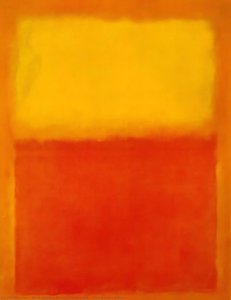 Oranžinė ir geltona1956
Esdai apie No. 5
 Color Fields of Calm: Transform Luxury Interiors with Minimalist Masterpiece ReproductionsElevate your luxury interiors with museum-quality Mark Rothko reproductions. Discover how hand-painted Color Field masterpieces bring profo…
 The Soul of Color: Exploring the Emotional Depth and Existential Resonance of Mark Rothko's MasterpiecesImmerse yourself in the profound emotional landscapes of Mark Rothko. Explore how his revolutionary Color Field paintings use pure pigment …
 Mark Rothko: 25 Šedevrai, Apibūdinantys Spalvų Ir Jaustmo Gylį | OriginalUniqueArtAtraskite 25 įspūdingiausius Mark Rothko kūrinius! Gilinkitės į abstraktaus meno spalvų laukus, ekspresionizmą ir jaustmingas tapybas. Meno…