Perjungti į spausdinamus版作品
 Skaityti daugiau







































 Dėl meno kūrinių ar reprodukcijų, kurių bet kuri pusė yra didesnė nei 105 cm (apie 41 inch), rėmas bus siunčiamas kaip išskaidytas surinkimo rinkinys. Šis metodas užtikrina saugų pristatymą ir apsaugo nuo transportavimo metu galimos žalos.


A Tender Resonance: The Soul of Mother and Child
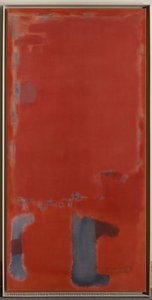
In the vast, often turbulent landscape of modern art, few works possess the quiet, grounding intimacy found in Mark Rothko’s Mother and Child. Painted around 1934, this piece serves as a poignant window into the artist's formative years, capturing a moment of profound human connection before his transition into the monumental abstractions that would define his legacy. The painting presents a tender portrait of two figures—a mother standing in protective proximity to her seated child—engaged in a silent, shared existence. While the composition retains elements of representational form, there is an unmistakable atmospheric quality that transcends mere depiction, inviting the viewer into a space of deep, meditative stillness.
The visual narrative is enriched by a delicate arrangement of surroundings, where subtle details like the presence of vases and a soft, verdant plant in the corner ground the emotional weight of the figures within a domestic, yet ethereal, setting. This interplay between the tangible world and the intangible emotion creates a sense of timelessness, making the work an exquisite choice for those looking to introduce a sense of peace and contemplative depth into a curated interior space.
Mastery of Light and Layered Emotion
Technically, Mother and Child showcases the early brilliance of Rothko’s approach to medium and light. Long before his signature large-scale color fields, Rothko was experimenting with the meticulous layering of thin, translucent washes of pigment. This technique allows light to penetrate the surface of the canvas, creating a soft, inner luminescence that seems to emanate from within the figures themselves. The surfaces possess a velvety texture, absorbing the gaze and pulling the observer into a rhythmic dance of subtle tonal variations.
The artist’s control over color is nothing short of masterful; even in this more figurative period, he utilizes hues not just to define shape, but to evoke temperament. The way the light falls across the figures suggests a sanctity in the everyday, transforming a simple maternal interaction into a universal symbol of vulnerability and care. For the collector or interior designer, this technique offers a sophisticated visual texture that complements both minimalist modernism and more classical, opulent decor, providing a focal point that is both intellectually stimulating and visually soothing.
A Legacy of Connection and Spirit
To understand Mother and Child is to understand the roots of Rothko’s lifelong preoccupation with existential themes. Emerging from a period shaped by his engagement with Jewish mysticism and the heavy shadows of early 20 much-discussed historical upheavals, the painting vibrates with an underlying sense of compassion and the sacredness of human bonds. It is a work that speaks to the fundamental need for connection in an often fragmented world.
For those seeking to adorn a home or gallery with a piece of art history, this reproduction offers more than just aesthetic beauty; it offers an emotional anchor. Whether placed in a quiet study, a serene bedroom, or a grand living area, the painting acts as a silent interlocutor, prompting reflection on the enduring strength of love and the delicate nature of life. It is a profound testament to the idea that even within the most personal moments, there exists a universal, spiritual truth that connects us all.
Klausimai ir atsakymai
Kaip suformuota „Mother and Child“ – Markas Rotko spalvų kompozicija?
„Mother and Child“ – Markas Rotko spalvų kompozicijoje Gentle kontrastas susilieja su Strong Color Unity harmonija.
Kuris menininkas ir koks stilius slypi už „Mother and Child“?
„Mother and Child“ kūrybinį darbu pasižymi Markas Rotko, taikantis Abstract Expressionism stilių. Autorius ir stilius nurodo šio kūrinio tradiciją.
Ar „Mother and Child“ yra vienas populiariausių Markas Rotko kūrinių?
„Mother and Child“ – Markas Rotko populiarumumo lygis yra Iconic. Ši klasifikacija atspindi, kaip plačiai šis kūrinys yra atpažįstamas.
Daugiau informacijos apie šį paveikslą
 Peržiūrėti realaus dydžio版
 Pasidalinti
 Dalintis
 Išsamiau
 Vadovas

 Atsisiųsti
 Panašūs eksponatai
 Rentgeno spindulių nuotrauka
 Automatinė diorama
 问答
问答 Statistika